Skip to content

Trigger Point Therapy in Hermitage, Tennessee

We provide personalized trigger point therapy for muscle tension, injury-related discomfort, and reduced movement. Free consultations help you discuss your symptoms with a licensed chiropractor.

Upfront, Transparent PricingServing 23 CommunitiesMon-Fri: 9 am–7 pm, Sat: 9 am–2 pm, Sun: ClosedFast Scheduling
Trigger Point Therapy helps patients in Hermitage address tender muscle areas linked with neck pain, back pain, headaches, or limited movement. We begin with a thorough evaluation, then explain the care options that fit your condition and goals. Our approach may include soft tissue therapy, therapeutic exercises, and other chiropractic care when appropriate. We're open Monday through Friday from 9 am to 7 pm, Saturday from 9 am to 2 pm, and closed Sunday.

What patients want to change with muscle point care

Less tenderness in a focused muscle area

More comfortable movement during daily activities

A clearer plan for managing recurring muscle tension

What Trigger Point Therapy Covers

Trigger Point Therapy is a soft tissue treatment that targets sensitive muscle areas linked with pain or restricted movement.

  • Trigger point therapy differs from a chiropractic adjustment because it focuses on muscle and soft tissue sensitivity, while an adjustment targets joint movement.
  • The service requires an evaluation so we can match soft tissue care with the patient’s symptoms, goals, and lifestyle.
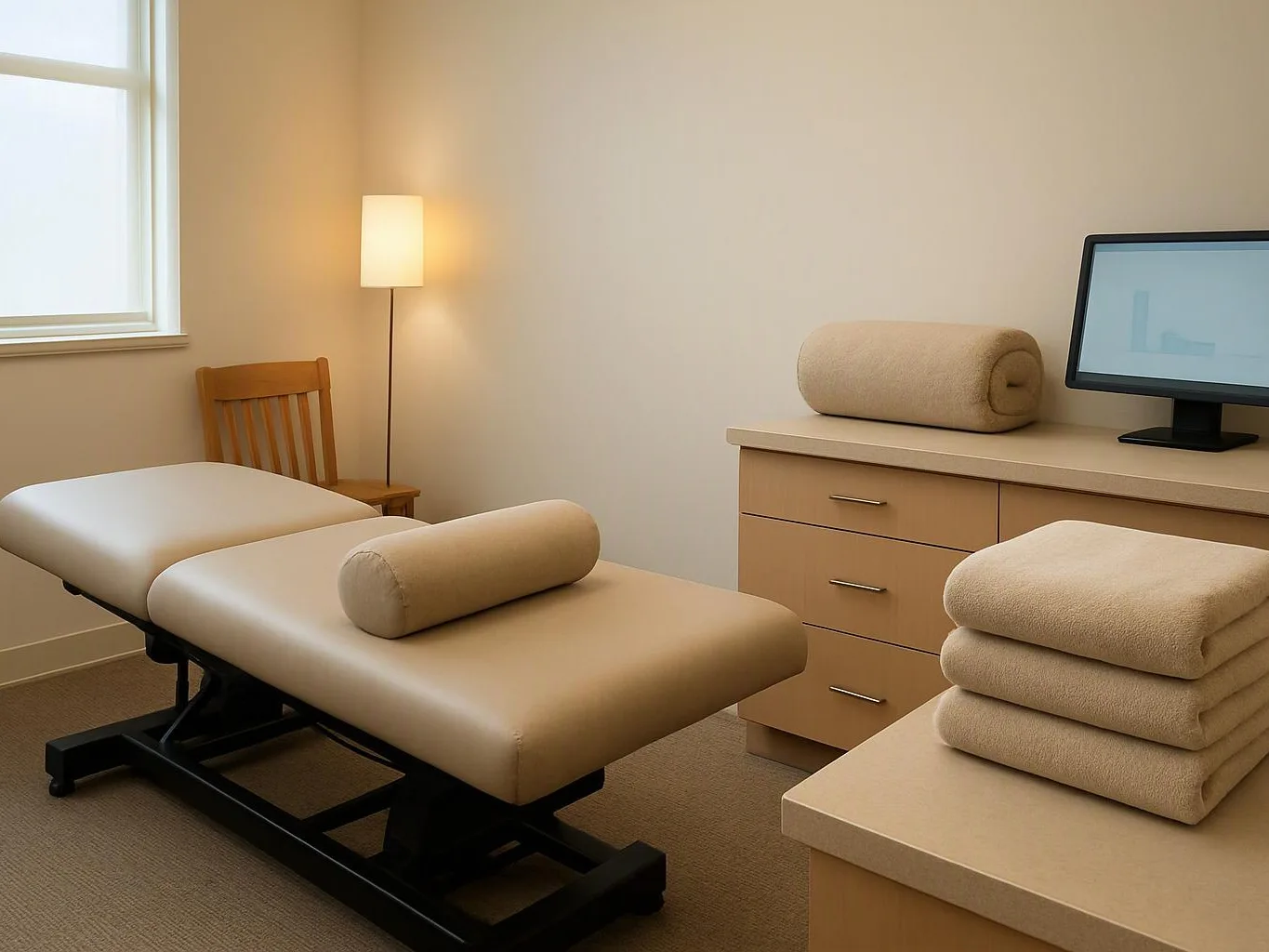
A tidy massage room shows a padded table, folded towels, shelves, lamps, and warm beige walls
About

How trigger point therapy addresses muscle pain

Trigger point therapy focuses on sensitive areas within tight or irritated muscle tissue. These areas may create local soreness, referred pain, or movement limits. We look at the painful spot and the movement around it. The first visit includes a health history and exam. We ask about injury, daily activity, pain patterns, and your goals. That information guides a personalized treatment plan. Soft tissue therapy may be paired with therapeutic exercises or other chiropractic services when they fit the condition. Results vary, so we use changes in comfort and movement to guide follow-up care.

Process

What happens during a trigger point therapy visit

1

Share your symptom pattern

We review where discomfort starts, where it spreads, and which activities affect it. Your health history adds useful context.

2

Complete the muscle and movement exam

Our team checks tender areas, range of motion, and related musculoskeletal findings. We use the exam to identify suitable care.

3

Review your personalized plan

We explain soft tissue therapy, therapeutic exercises, and related options that may fit your needs. Free consultations support this discussion before care begins.

4

Track comfort and movement

Follow-up care considers changes in tenderness, daily movement, and activity tolerance. We adjust the plan when your response calls for it.

What to prepare before muscle point care

Bring useful health details so we can understand your symptoms and plan the visit well.

  • Write down where the pain starts and where it travels.
  • Note activities that increase or reduce the discomfort.
  • Bring a list of current medicines and relevant health conditions.
  • Share your treatment goals and daily movement concerns.

The Advanced Injury Care Clinic Standard

Personalized Care

We match soft tissue techniques and exercises to each patient’s symptoms, movement needs, goals, and daily routine.

Thorough Evaluations

We perform a health history and movement exam before recommending trigger point therapy or related chiropractic care.

Clear Explanations

We explain why focused muscle care may fit the findings and answer questions about exercises, follow-up, and expected responses.

Questions about muscle point therapy and fit

Who provides trigger point therapy at this clinic?

Advanced Injury Care Clinic provides trigger point therapy through its chiropractic care team. The visit starts with a health history and exam, followed by an explanation of suitable soft tissue and exercise options. Our licensed chiropractor credentials and bios help you understand who guides care. Individual response differs, so follow-up focuses on your symptoms and movement.

What changes the cost of trigger point therapy?

The cost depends on the evaluation, treatment needs, and related chiropractic care included in your plan. A consultation lets us discuss your symptoms and explain the recommended services before care begins. We don't list a treatment price here. Free consultations are available so you can ask about the care that fits your condition.

Can trigger point therapy help neck or back pain?

Neck or back pain may fit trigger point therapy when sensitive muscle tissue contributes to the symptoms. We assess movement, tenderness, injury history, and related findings before recommending care. Soft tissue therapy may be paired with therapeutic exercises or spinal care when appropriate. Results vary because each condition and response differs.

What happens during the first visit?

The first visit includes a health history, physical exam, and discussion of your goals. We ask about symptom patterns, daily activities, and past injuries.

  • We review the main complaint.
  • We check movement and tender areas.
  • We explain suitable care options.

Your treatment plan reflects your condition and lifestyle.

Can muscle point care cause soreness afterward?

Mild soreness can occur after focused soft tissue work, but the response differs from person to person. Tell us about any change that concerns you after treatment. We can review the response and adjust the plan. Our team also explains practical care steps based on your symptoms and treatment findings.

Should I choose soft tissue therapy or a chiropractic adjustment?

Soft tissue therapy fits muscle tenderness, while a chiropractic adjustment focuses on joint movement. Some patients may receive both when the evaluation supports that plan. We explain the difference during the visit and match care to your symptoms, goals, and lifestyle. No single approach fits every musculoskeletal condition.

Do I need a referral before scheduling?

A referral is not stated as a requirement for discussing trigger point therapy with our clinic. We begin by reviewing your health history, symptoms, and goals. Bring relevant medical information if you have it, and ask about any care already received. A free consultation can clarify the next step.
Contact

Ask about trigger point therapy in Hermitage

Are muscle tenderness or referred symptoms affecting your day? Advanced Injury Care Clinic invites you to request a free consultation and discuss your next step.

A cozy living room shows two beige armchairs, a wooden side table with a lit lamp, and a tall plant
Scenarios

When Customers Call Us About Trigger Point Therapy

1

Recurring Neck Tension After Work

Long periods of desk work can leave the neck and shoulder muscles tender, especially when movement feels limited afterward. Trigger point therapy starts with a health history and movement exam, so the sore area isn't viewed in isolation. Bring notes about work posture and symptom patterns, then discuss whether soft tissue care and exercises fit your plan.

2

Back Pain After Sports Activity

Sports activity can strain soft tissue and create a painful spot that affects nearby movement. The key question is whether the symptoms fit muscle-focused care or need a broader evaluation. We review the activity, pain pattern, and range of motion before recommending treatment. A consultation helps you choose the next step with better information.

3

Headaches Linked With Muscle Tension

Some headaches occur alongside tight neck or upper-back muscles, but the symptom pattern still needs careful review. We ask about frequency, triggers, and related neck movement before selecting soft tissue techniques. Patients in Hermitage can discuss these concerns during a consultation and receive guidance based on their individual condition.


Our Other Services

Chiropractic AdjustmentStiff joints and limited movement can make everyday tasks uncomfortable. Chiropractic adjustments address spinal alignment and restricted vertebral motion, helping ease joint discomfort and restore smoother movement through a care plan based on your evaluation.
Spinal Decompression TherapyPersistent back pressure can interfere with sitting, walking, and sleep. Spinal decompression uses controlled traction to reduce strain around compressed discs and support easier movement when standard care hasn’t provided enough relief.
Massage TherapyTight muscles after work, exercise, or daily stress can leave your body sore and restricted. Massage therapy targets muscle tension and circulation with focused hands-on techniques, helping you move more comfortably and recover from everyday strain.
Prenatal MassagePregnancy can bring hip tension, lower-back soreness, and tired legs. Prenatal massage uses supportive positioning and gentle pressure around changing body areas, helping expectant mothers feel more comfortable while avoiding unnecessary strain.
Auto Accident Injury TreatmentPain after a collision may develop gradually, even when you feel fine at first. We evaluate seat-belt injuries, joint stiffness, and soft-tissue damage, then build care around your symptoms and documented recovery needs.
Whiplash TreatmentNeck soreness, reduced rotation, and headaches often follow a sudden rear-impact movement. Whiplash treatment checks cervical motion and surrounding muscle tension, then uses adjustments and rehabilitation exercises to support safer, more comfortable movement.

The health and wellness information on this website is for general informational purposes only and is not medical advice. It does not create a provider-patient relationship. Always consult a qualified licensed provider in Hermitage, Tennessee, United States about your specific condition before making care decisions. Individual results vary.

(615) 265-0412