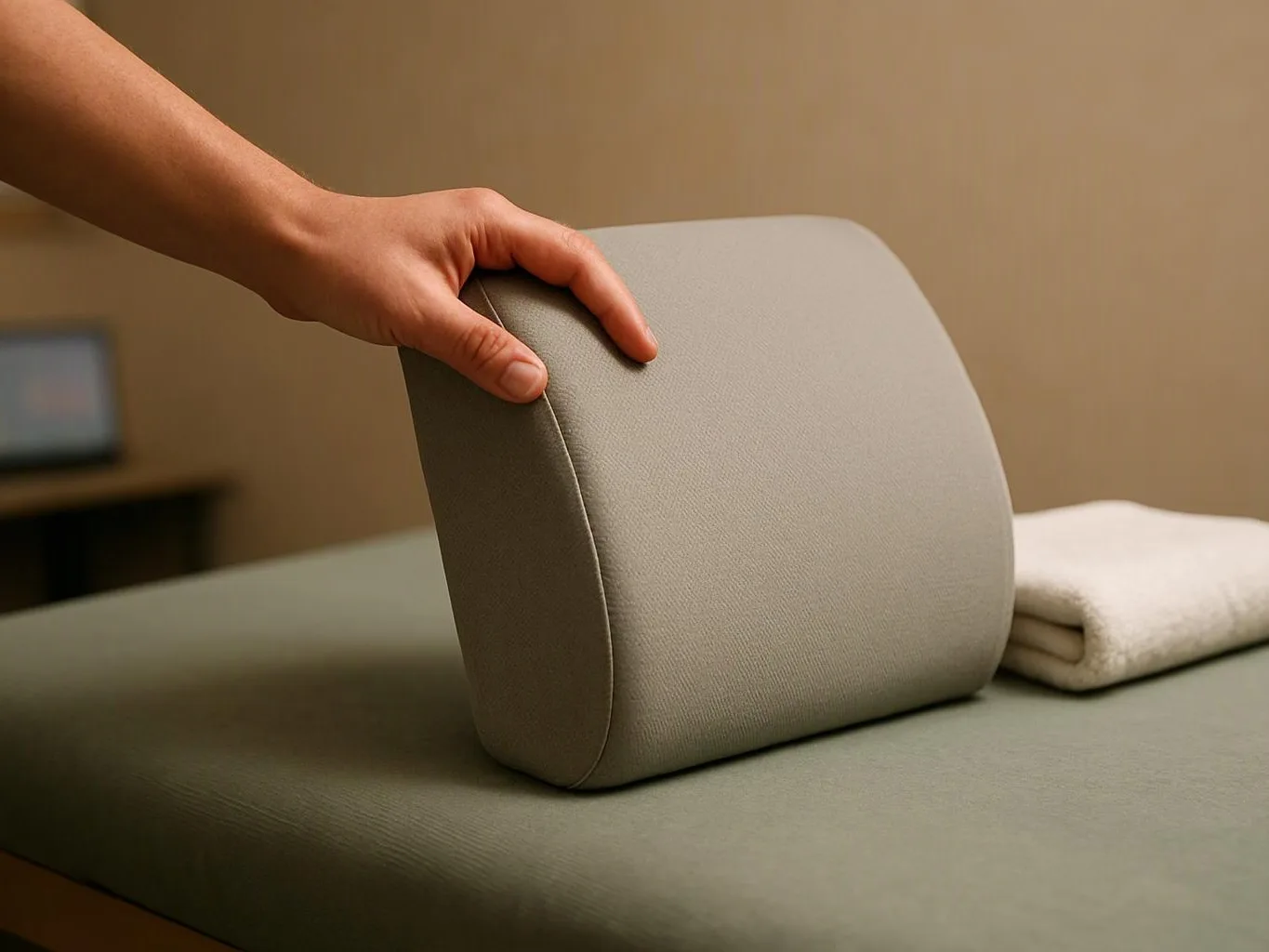
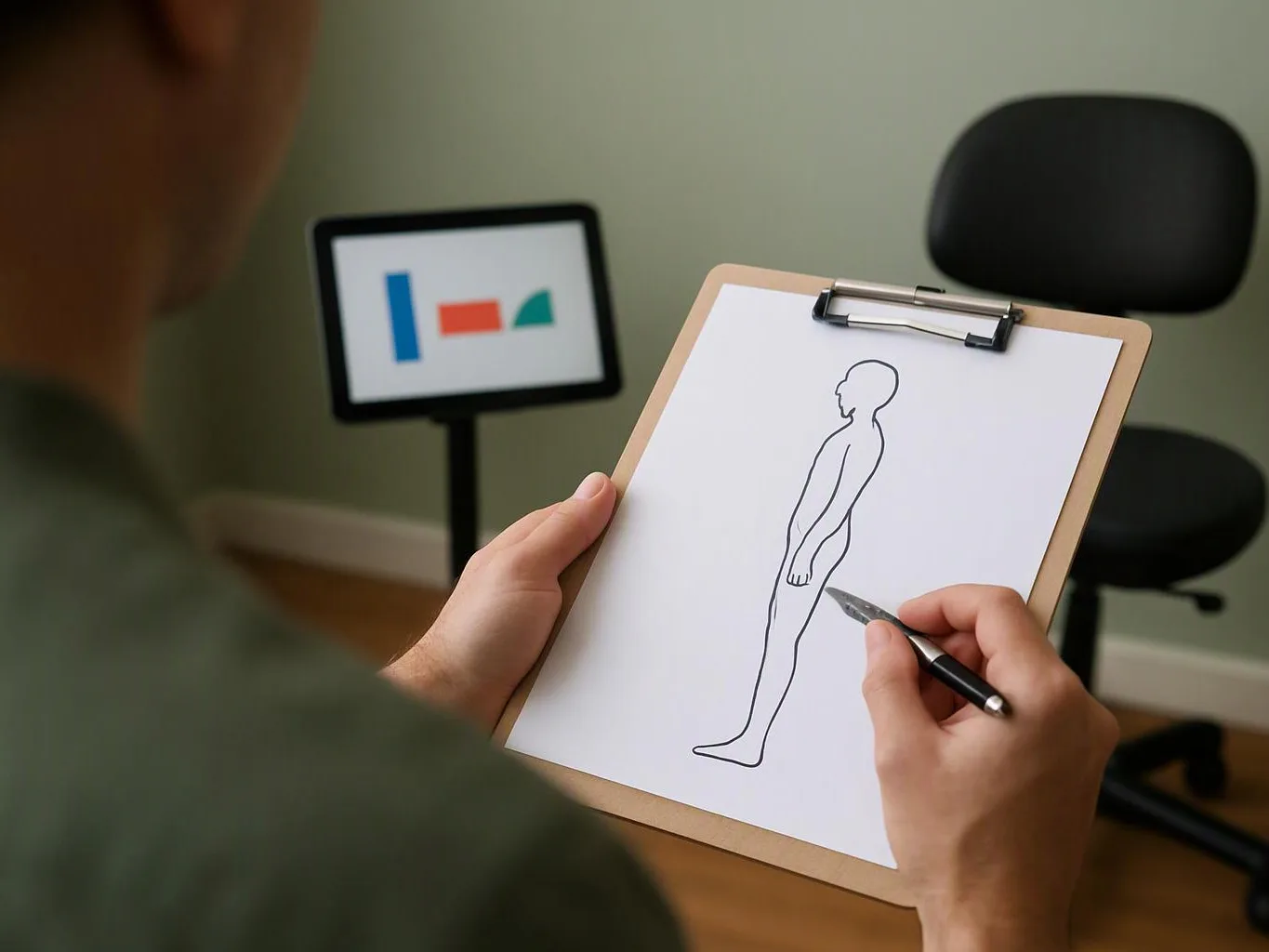
What conditions can trigger point therapy address?
Referred pain, muscle knots, neck stiffness, tension headaches, and some injury-related muscle complaints may fit trigger point therapy. Advanced Injury Care Clinic begins with an exam to connect symptoms with muscle findings. Severe symptoms, weakness, numbness, or signs of a serious condition may require different medical care.
What should be checked before treatment is scheduled?
A health history and physical exam should come before treatment is scheduled. The assessment checks movement, tenderness, injury history, pain patterns, and warning signs. Our team uses those findings to decide whether soft tissue therapy fits or whether another service or medical evaluation is more appropriate.
Who is a good fit for this care, and who needs another service?
Patients with muscle tenderness, restricted movement, or tension linked to daily activity may be good candidates. People with severe weakness, loss of feeling, serious trauma, or urgent symptoms need medical assessment. Individual response differs, so our team bases the plan on exam findings and goals.
What happens at each stage of the appointment?
The appointment starts with a health history, followed by movement and muscle checks, treatment planning, and follow-up guidance. The assessment identifies tender areas and related symptoms. Care may then include soft tissue work, exercises, or chiropractic adjustments when those services match the findings.
Which symptoms suggest a tension headache needs more assessment?
A sudden severe headache, new weakness, confusion, fainting, or vision change needs prompt medical assessment. Tension-related headaches often occur with neck or upper-back tightness, but symptoms alone cannot confirm the cause. Our team reviews the pattern and recommends the safest next step.
Why can a muscle knot cause pain somewhere else?
A tense muscle can send pain signals to another area through connected nerve and muscle patterns. The painful spot may not be the only area that needs examination. Our team compares tenderness, movement, and symptom location before choosing hands-on care.
How do therapeutic exercises fit after hands-on care?
Therapeutic exercises help you practice the movement goals identified during your assessment. Exercises may support mobility and reduce repeated strain during daily activity. Our team selects activities that match your condition and explains how they fit the broader care plan.