What areas are commonly treated with trigger point therapy?
Shoulder muscles, lower back muscles, gluteal muscles, and calf muscles are common treatment areas. Advanced Injury Care Clinic checks each area for tenderness, movement limits, and related symptoms before care begins. The first FAQ answer names shoulder muscles because they often connect with neck and upper back complaints. Treatment still depends on your exam and goals.
What does the team look at first during treatment?
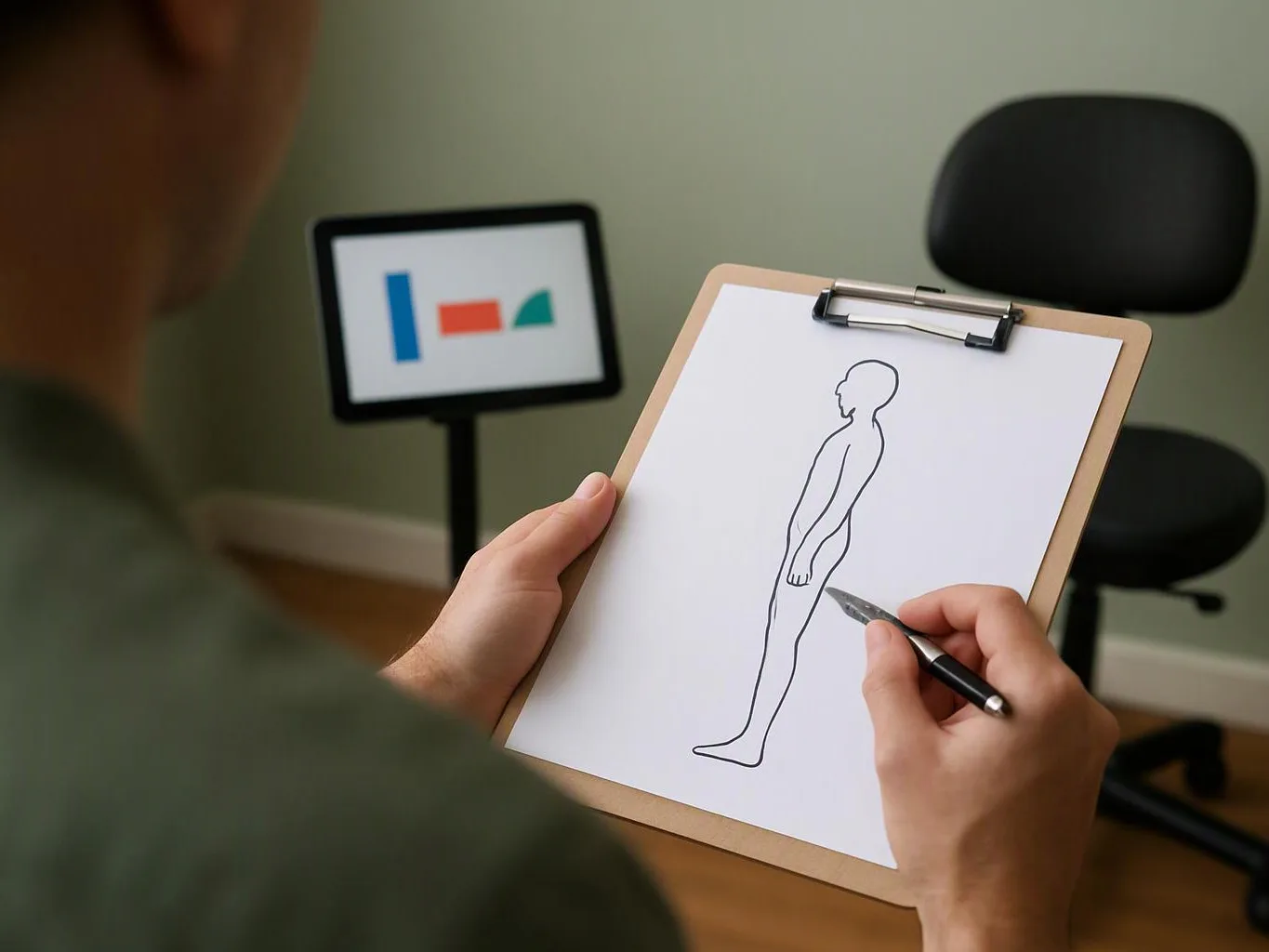
The first check covers your health history, symptoms, tender areas, and movement. We also ask when the discomfort began and what activities affect it. Those findings help us decide whether soft tissue therapy fits or whether adjustments, exercises, or another care path should be discussed.
What should be checked before treatment is scheduled?
A health history and focused examination should come before treatment is scheduled. The check helps identify injury details, changing symptoms, movement limits, and conditions that need another type of evaluation. Bring relevant medical information and describe your main concern clearly so our team can plan the visit safely.
Who is a good fit for trigger point therapy?
Patients with localized muscle tenderness, tension, or movement limits may be good fits after an assessment. The service may not fit severe, unexplained, or changing symptoms that need medical evaluation. Our team reviews the findings and explains whether soft tissue care belongs in your personalized treatment plan.
Which services may support soft tissue treatment?
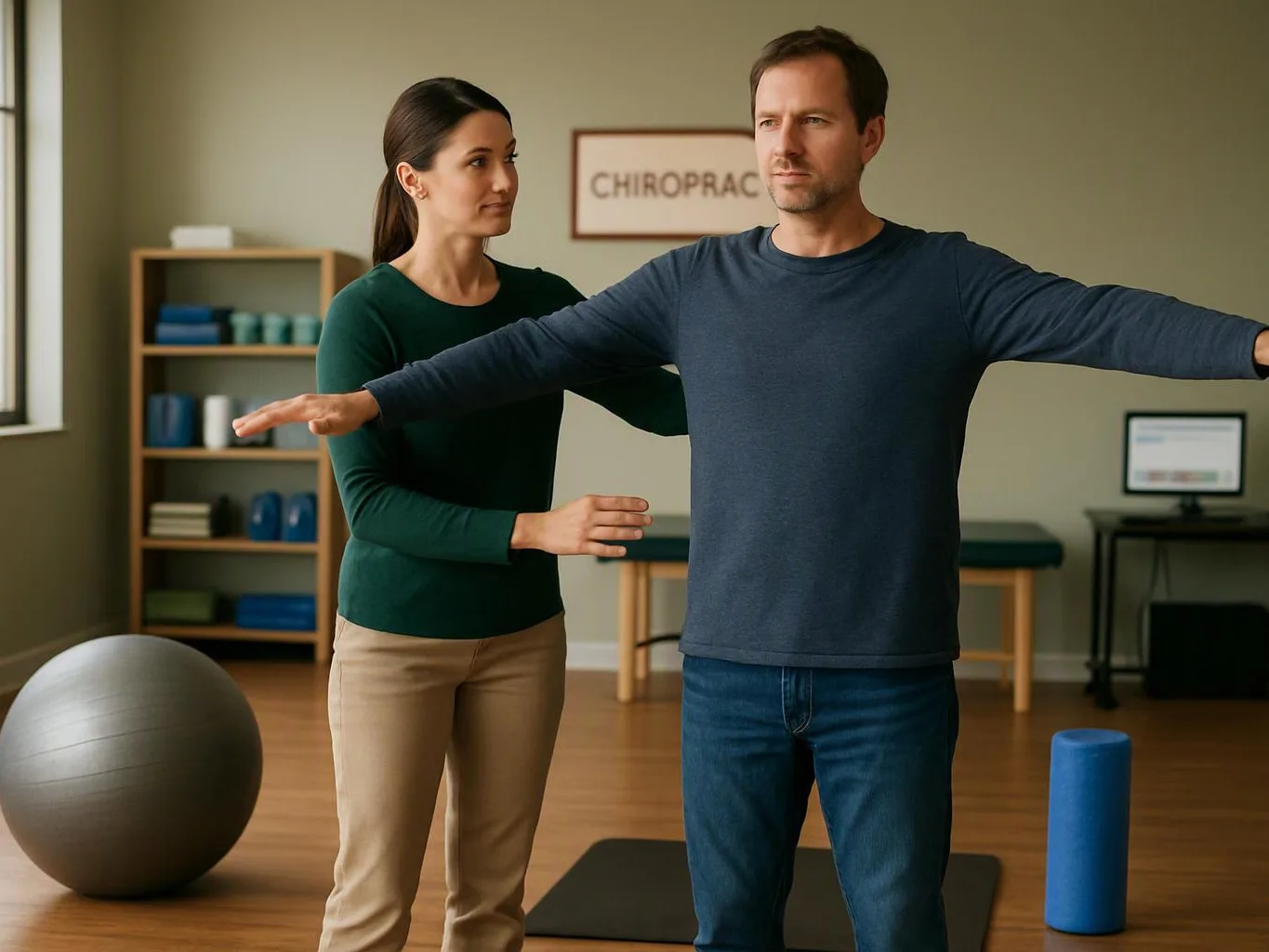
Therapeutic exercises and chiropractic adjustments may support soft tissue treatment when the exam supports them. Spinal decompression and rehabilitative care may also be considered for some musculoskeletal concerns. Our team selects services based on your condition, goals, and lifestyle, not a fixed treatment sequence.
When should someone request an assessment for recurring muscle tension?
Recurring muscle tension deserves an assessment when it keeps limiting movement or returns with routine activity. The exam checks the painful area, nearby joints, and patterns linked to work, sport, or posture. Patients in Lakewood can request a consultation to discuss whether trigger point care fits their needs.
Why might muscle pain need more than hands-on treatment?
Muscle pain may need more than hands-on treatment when joint motion, weakness, injury history, or repeated activity affects the problem. Exercises can address movement control, while adjustments may address related joint restrictions. Our team uses the examination to decide which parts of care belong together.