Skip to content

Trigger Point Therapy in Lebanon, Tennessee

Pain reduction begins with trigger point therapy in Lebanon when tender muscle areas limit daily movement. Free consultations help you discuss your symptoms and care goals.

Upfront, Transparent PricingServing 23 CommunitiesMon-Fri: 9 am–7 pm, Sat: 9 am–2 pm, Sun: ClosedFast Scheduling

Quick Summary: Trigger Point Care in Lebanon, Tennessee

Trigger point therapy in Lebanon is provided by Advanced Injury Care Clinic for tender muscles, restricted movement, and related discomfort. The practice serves patients from Lebanon and nearby Middle Tennessee communities, with care shaped by an evaluation and personalized treatment plan.

  • What we do: Advanced Injury Care Clinic provides trigger point therapy for patients in Lebanon, Tennessee, after reviewing symptoms, movement, and treatment goals.
  • What is included: Care may include soft tissue therapy, therapeutic exercises, chiropractic adjustments, and recovery guidance based on the patient’s needs.
  • What you get: The patient leaves with a clearer care plan for tenderness, movement limits, and recovery needs.

Why does muscle tenderness keep returning after trigger point therapy in Lebanon?

Recurring tenderness can reflect ongoing strain, limited movement, or another condition that needs review. An evaluation helps connect the tender area with your symptoms and daily activities. Our team can then discuss soft tissue therapy, exercises, adjustments, or referral needs. Seek prompt medical care for severe weakness, sudden loss of movement, or other urgent symptoms.

Trigger Point Therapy in Lebanon for Pain Reduction and Movement

Trigger point therapy focuses on tender spots within tight muscle tissue. These spots can hurt when pressed and may send discomfort into nearby areas. The treatment decision starts with a health history, physical exam, and movement check.

This page serves people who want a focused assessment of tenderness and movement after strain, an injury, or ongoing discomfort. Our team may pair soft tissue therapy with therapeutic exercises, spinal care, or rehabilitative care when the exam supports that plan.

The key decision is fit. Trigger point work may suit muscle tenderness, but it isn't the right answer for every symptom. Sharp worsening pain, new weakness, loss of sensation, or signs of serious illness need medical assessment before treatment.

  • Identify the tender muscle area and how it affects movement.
  • Review injury history, health history, and current symptoms.
  • Check whether soft tissue therapy fits the patient’s condition.
  • Discuss exercises or other chiropractic care when the exam supports them.
  • Set recovery guidance that matches the patient’s goals and daily routine.
A therapist holds a clipboard with charts while speaking to a seated woman in a living room

Service Overview

Trigger point therapy is a hands-on treatment that targets tender muscle areas and related soft tissue tension.

  • Soft tissue therapy focuses on muscle and connective tissue, while chiropractic adjustments focus on joint movement and alignment.
  • Advanced Injury Care Clinic provides this care for patients in Lebanon and nearby Middle Tennessee communities.

What This Care Helps You Decide

Start with a focused assessment

Your symptoms, health history, and movement guide the first treatment decision. We don't treat a tender spot without considering the wider pattern.

Match hands-on care to your goals

Soft tissue therapy may stand alone or fit within chiropractic adjustments, exercises, and rehabilitative care. The plan follows your condition and daily needs.

Know when another service fits

Trigger point therapy isn't the right job for every source of pain. Severe symptoms, neurological changes, or concerns outside musculoskeletal care may require medical evaluation.

Process

How We Plan Trigger Point Care

1

Review symptoms and health history

We discuss where you feel tenderness, what changes it, and how it affects movement or daily tasks.

2

Check movement and treatment fit

A focused exam looks at movement, tenderness, and related symptoms. We use those findings to decide whether soft tissue therapy suits your needs.

3

Apply focused soft tissue care

Suitable muscle areas receive hands-on treatment based on the exam and your comfort during the visit.

4

Add exercises or related care

Therapeutic exercises, chiropractic adjustments, or rehabilitative care may join the plan when they match your condition.

5

Explain recovery guidance

We discuss activity, self-care, and warning signs so you know what to watch after treatment.

What Trigger Point Care Includes for Tender Muscles

Advanced Injury Care Clinic provides comprehensive Trigger Point Therapy in Lebanon. Here's what you get:

  • A health history and focused evaluation of tenderness, movement, and related symptoms.
  • Hands-on soft tissue therapy directed at suitable tender muscle areas.
  • A discussion of therapeutic exercises that may support mobility and recovery.
  • Care planning based on the patient’s condition, goals, and lifestyle.
  • Guidance about what to watch for after treatment and when to request follow-up care.

What Patients May Notice From Trigger Point Care

Soft tissue treatment may help reduce discomfort linked to tight or tender muscle areas.

Movement checks connect the tender spot with the way your body functions.

A personalized plan gives you practical guidance for exercises and self-care.

Follow-up review helps the care plan respond to your progress and symptoms.

Regular maintenance may support movement goals when ongoing care fits your needs.

Choosing Care for Tender Muscle Symptoms

These options differ by the body system and treatment method they focus.

Care optionMain focusWhen it may fit
Trigger point careTender muscle areas and soft tissue tensionWhen the exam supports muscle-focused treatment
Chiropractic adjustmentsJoint movement and spinal mechanicsWhen movement findings support adjustment-based care
Therapeutic exercisesMovement, strength, and self-careWhen active recovery supports the treatment plan

The Advanced Injury Care Clinic Standard

  • Personalized Care
  • Thorough Evaluations
  • Clear Explanations
  • Respectful Environment

Questions About Trigger Point Care

What should I expect after trigger point therapy?

Pain reduction is one possible goal after trigger point therapy, but individual response differs. Mild tenderness can occur after hands-on work, and movement may feel different as the area settles. Follow the recovery guidance we provide, note any changes, and contact us if symptoms worsen or new weakness appears.

What does the care team look at first?

The first review covers your health history, symptoms, tenderness, and movement.

  • We ask what started the discomfort.
  • We check how the area moves.
  • We discuss daily activities that affect symptoms.

These findings help us decide whether soft tissue therapy fits your needs.

What should be checked before treatment is scheduled?

A health history and focused exam should be checked before treatment is scheduled. The review covers current symptoms, prior injuries, movement limits, and warning signs. Our team uses that information to decide whether trigger point care is suitable or whether another type of evaluation should come first.

Who is a good fit for this treatment, and who needs a different service?

People with suitable muscle tenderness and movement limits may fit this treatment, while serious or unexplained symptoms need another evaluation. A focused exam helps separate muscle-related concerns from conditions outside this service. Sudden weakness, loss of sensation, or severe worsening symptoms require prompt medical attention.

Which services may support soft tissue treatment?

Therapeutic exercises, chiropractic adjustments, spinal decompression, and rehabilitative care may support soft tissue treatment when clinically appropriate. The health history and exam guide that choice. We explain why a service fits your goals instead of adding care without a clear reason.

How should I prepare for a first visit in Lebanon?

Bring a list of current symptoms, relevant injury details, and questions about your movement goals. Comfortable clothing can make movement checks easier. Advanced Injury Care Clinic reviews your history and explains the next step during the consultation.

Why might tenderness return after treatment?

Tenderness may return when the area remains strained, movement stays limited, or another condition contributes to the symptoms. A follow-up review can check the pattern again. We may adjust exercises, discuss self-care, or recommend another evaluation when the findings point beyond muscle-focused treatment.
Contact

Discuss Trigger Point Care in Lebanon

Start with a free consultation about your symptoms, movement goals, and treatment fit. Advanced Injury Care Clinic will review the first assessment step and explain what care may follow.

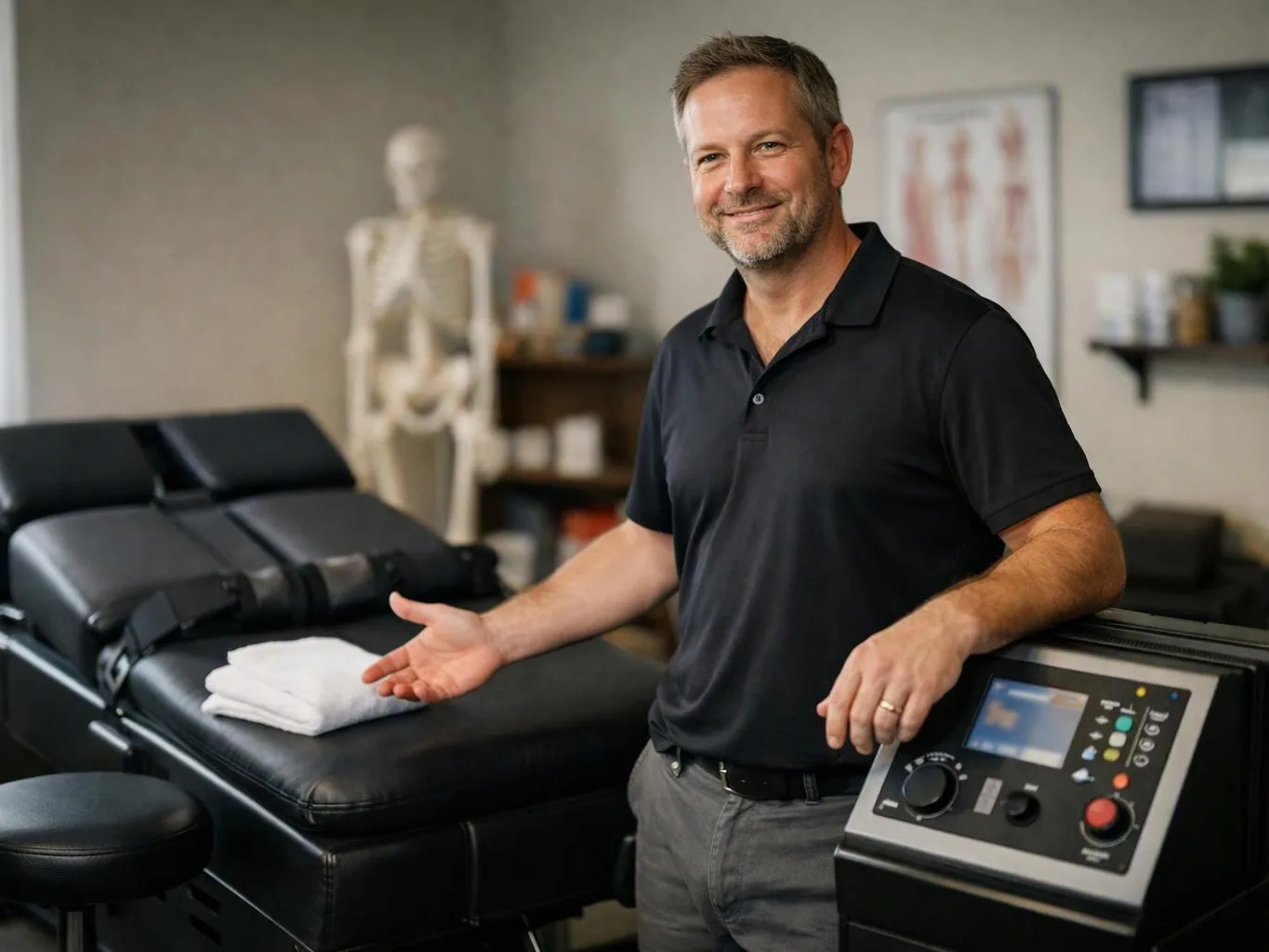
A smiling man stands beside a black therapy table and control panel in a clinic room

ZIP Codes We Serve in Lebanon, Tennessee

370873708837090

The health and wellness information on this website is for general informational purposes only and is not medical advice. It does not create a provider-patient relationship. Always consult a qualified licensed provider in Hermitage, Tennessee, United States about your specific condition before making care decisions. Individual results vary.

(615) 265-0412