Skip to content

Trigger Point Therapy in Nolensville, Tennessee

Improved movement starts with a check of how your muscles and joints respond in Nolensville. Our licensed chiropractor uses trigger point therapy within a personalized care plan.

Upfront, Transparent PricingServing 23 CommunitiesMon-Fri: 9 am–7 pm, Sat: 9 am–2 pm, Sun: ClosedFast Scheduling

Quick Summary: Muscle Release Therapy in Nolensville, Tennessee

Trigger point therapy in Nolensville is provided by Advanced Injury Care Clinic for muscle tenderness, restricted motion, back pain, neck pain, and injury-related discomfort. Care includes a thorough evaluation and an individualized care plan for patients in Nolensville and nearby Nashville-area communities.

  • What we do: Advanced Injury Care Clinic provides Trigger Point Therapy for patients in Nolensville, Tennessee with tender muscles, restricted motion, and injury-related discomfort.
  • What is included: Muscle assessment, soft tissue therapy, movement checks, personalized care plans, therapeutic exercises, and rehabilitative care.
  • What you get: Trigger Point Therapy helps the patient understand the source of muscle tenderness and choose suitable care for improved movement.

Why does muscle tenderness keep returning after Trigger Point Therapy in Nolensville, Tennessee?

Recurring tenderness can reflect ongoing strain, restricted movement, or an underlying injury. A follow-up assessment helps connect the painful spot with your movement pattern and care goals.

Trigger Point Therapy in Nolensville, Tennessee for Better Movement

Trigger point therapy focuses on tender muscle bands that can make normal movement harder. Patients may seek this care after an auto accident, work-related injury, sports injury, or a long period of neck or back pain.

The first decision is whether muscle treatment fits the problem. Our team reviews your symptoms, health history, movement, and goals before creating a care plan. Care may include soft tissue therapy, chiropractic adjustments, therapeutic exercises, or rehabilitative care when those services fit the assessment.

This page is for patients who want to understand what happens after treatment, not just what happens during it. Mild tenderness can occur after soft tissue work, so recovery guidance matters. We explain what to watch, how to support normal movement, and when a follow-up assessment makes sense.

  • The painful area and nearby movement patterns are assessed.
  • Your health history and injury details are reviewed before treatment.
  • Soft tissue therapy is matched to your symptoms and care goals.
  • Recovery guidance covers movement, tenderness, and follow-up needs.
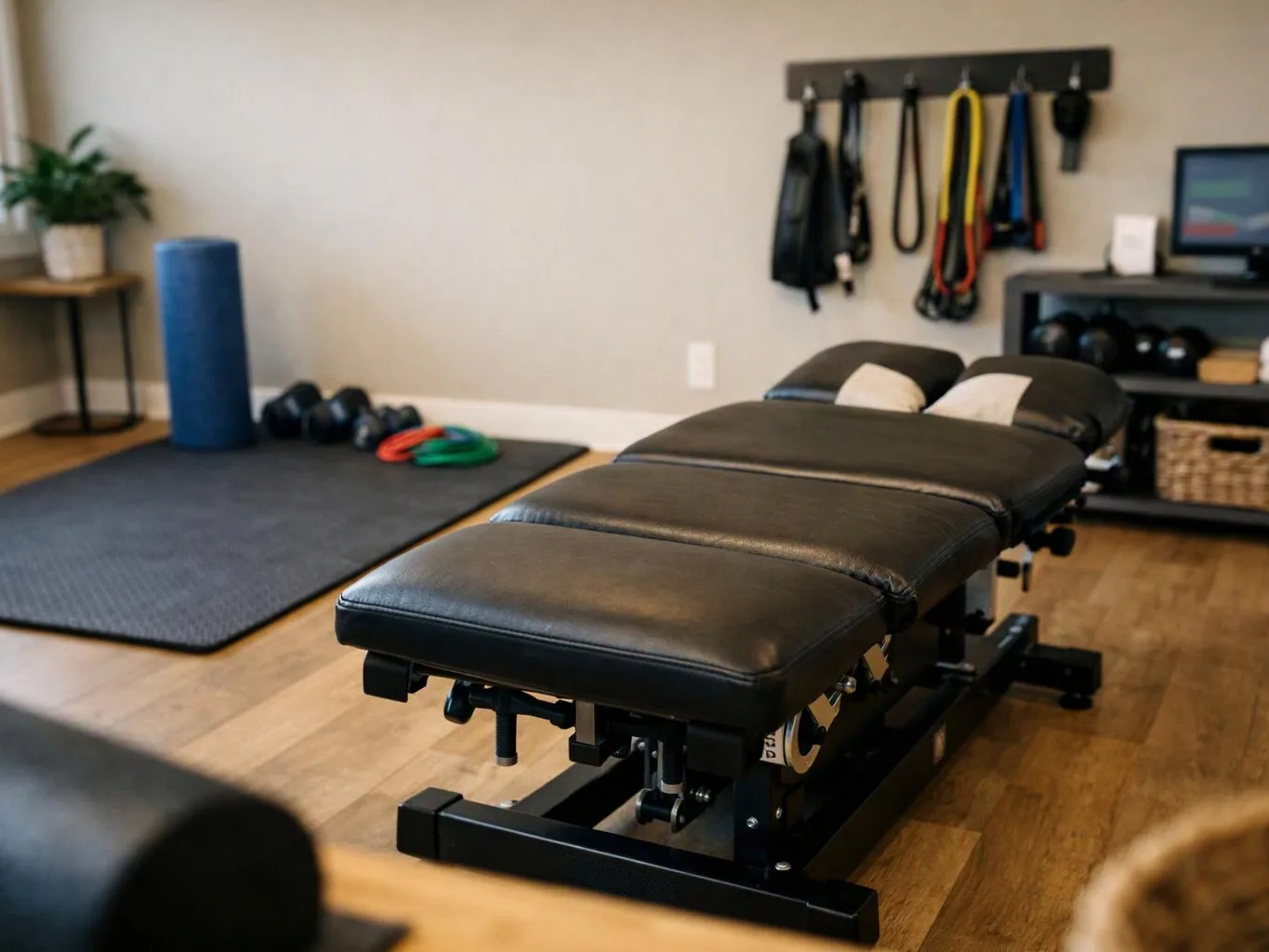
A padded black treatment table sits in a tidy workout room with mats, weights, and wall straps

Service Overview

Trigger point therapy is a soft tissue treatment that addresses tender muscle areas linked with pain or restricted motion.

  • Unlike a chiropractic adjustment, trigger point therapy focuses on muscle and soft tissue tension, while an adjustment addresses joint movement when appropriate.
  • Advanced Injury Care Clinic provides this care for patients in Nolensville and nearby Nashville-area communities.

What Muscle Release Care Includes

Advanced Injury Care Clinic provides comprehensive Trigger Point Therapy in Nolensville. Here's what you get:

  • We review your health history, symptoms, and treatment goals before care begins.
  • We assess tender muscle areas and check how they affect movement.
  • We provide soft tissue therapy for suitable muscle tension and trigger points.
  • We explain how chiropractic adjustments or therapeutic exercises may fit the wider care plan.
  • We give recovery guidance based on your response to treatment.
  • We discuss follow-up care when symptoms continue or return.
Process

How We Move From Assessment to Recovery Guidance

1

Review symptoms and health history

We discuss the pain pattern, injury history, activity level, and care goals. Customers can share what movements increase symptoms and what daily tasks feel harder.

2

Check tender areas and movement

Our team examines the affected muscles and observes related movement. We look for links between muscle tenderness, joint motion, and the symptoms you report.

3

Apply suitable soft tissue care

Trigger point therapy uses focused soft tissue work on suitable tender areas. Pressure and technique follow the findings from the assessment.

4

Explain the wider care plan

We explain whether therapeutic exercises, chiropractic adjustments, spinal decompression, or rehabilitative care may fit your needs.

5

Review the response and next step

We discuss tenderness, pain changes, and movement after treatment. Follow-up care is based on your response and stated goals.

How We Approach Muscle Tenderness

A movement-based fit check

Trigger point therapy starts with an assessment of tenderness, motion, and symptoms. Customers who have pain from a serious injury, unexplained weakness, or another condition that needs medical evaluation may need a different form of care first.

Care that connects the muscles

Muscle tenderness can affect nearby joints and daily movement. Our team considers soft tissue therapy alongside therapeutic exercises, chiropractic adjustments, and rehabilitative care when those options fit the assessment.

Guidance after the visit

Recovery guidance helps you understand normal tenderness and useful movement between visits. Individual response differs, so follow-up decisions come from your symptoms and progress.

What Trigger Point Therapy Can Change

Soft tissue therapy may reduce muscle tenderness and make daily movement more comfortable.

Care can help you understand whether muscle tension contributes to neck pain, back pain, or headaches.

A personalized care plan connects treatment with your activity level and recovery goals.

Therapeutic exercises may support movement between visits when they fit your condition.

Patients in Nolensville can seek care close to home through a clinic that also treats injury-related conditions.

Muscle Care and Joint-Focused Chiropractic Care

These services address different tissues, although a care plan may include both when the assessment supports it.

Care optionPrimary focusWhen it may fit
Trigger point therapyTender muscles and soft tissueMuscle tightness, local tenderness, or restricted movement
Chiropractic adjustmentJoint movement and spinal mechanicsJoint-related movement concerns when clinically appropriate
Therapeutic exerciseStrength, control, and active movementRecovery support between visits when suitable

The Advanced Injury Care Clinic Standard

  • Personalized Care
  • Thorough Evaluations
  • Clear Explanations
  • Respectful Environment

Questions About Muscle Tenderness and Recovery

What should I expect after Trigger Point Therapy?

Improved movement is the main change we assess after trigger point therapy. Mild tenderness can follow soft tissue work, while pain reduction and motion vary by person. Recovery guidance may include comfortable movement, therapeutic exercises, and attention to symptoms that change or spread. Follow-up care is considered when tenderness continues or daily movement remains limited.

How does a trigger point therapy visit move from the first call to the last step?

The visit moves from consultation to assessment, treatment, and recovery guidance.

  1. We review your health history and symptoms.
  2. We check tender muscles and related movement.
  3. We provide suitable soft tissue therapy.
  4. We discuss exercises, follow-up, and the next care step.

The plan changes when your findings or response call for it.

Which part of the body decides the scope of muscle treatment?

The affected muscle area and its connection to movement help decide the treatment scope. Tenderness in the neck, back, shoulder, hip, or another area may require a different assessment. Our team also reviews injury history and nearby joint motion before selecting soft tissue care.

Can trigger point therapy help sciatica symptoms?

Trigger point therapy may help muscle tension linked with some sciatica symptoms, but it doesn't address every cause of leg pain. Our team checks the symptom pattern, back motion, and related findings before recommending care. Severe or changing symptoms need prompt medical attention.

What warning signs should stop muscle treatment?

New weakness, loss of bladder or bowel control, severe numbness, or sudden major pain needs medical evaluation. These signs can point to a problem beyond routine muscle tenderness. Tell our team about all symptoms before treatment so we can assess whether this care fits.

How does a customer tell whether trigger point therapy fits the problem?

Trigger point therapy fits best when muscle tenderness and restricted motion appear connected to the complaint. A health history, movement check, and symptom review help test that fit. The care plan can include another service or referral when the findings point beyond soft tissue tension.

Why might tenderness return after muscle treatment?

Tenderness may return when the activity, injury, or movement pattern that strains the muscle continues. Our team reviews what changed after treatment and checks related motion. Therapeutic exercises, rehabilitative care, or a revised plan may support recovery when those options fit the assessment.
Contact

Discuss Trigger Point Therapy in Nolensville

Are tender muscles limiting your movement or daily tasks? Contact Advanced Injury Care Clinic to discuss trigger point therapy, request an assessment, and ask about our free consultations.

A man stretches on a mat while holding a ball, with another person viewing charts on a monitor nearby

ZIP Codes We Serve in Nolensville, Tennessee

37135

The health and wellness information on this website is for general informational purposes only and is not medical advice. It does not create a provider-patient relationship. Always consult a qualified licensed provider in Hermitage, Tennessee, United States about your specific condition before making care decisions. Individual results vary.

(615) 265-0412