Skip to content

Spinal Decompression Therapy in Rural Hill, Tennessee

Table movement is the key comfort decision for spinal decompression therapy in Rural Hill. We explain how harness placement and gradual traction fit your care plan.

Upfront, Transparent PricingServing 23 CommunitiesMon-Fri: 9 am–7 pm, Sat: 9 am–2 pm, Sun: ClosedFast Scheduling

Quick Summary: Spinal Decompression Care in Rural Hill, Tennessee

Spinal decompression therapy in Rural Hill is provided by Advanced Injury Care Clinic for back pain, neck pain, sciatica, and related concerns. Care includes an evaluation and an individualized plan that may include spinal decompression and therapeutic exercises.

  • What we do: Advanced Injury Care Clinic provides spinal decompression therapy for patients in Rural Hill, Tennessee, after an evaluation of their condition and goals.
  • What is included: Evaluation, spinal decompression, therapeutic exercises, soft tissue techniques, and rehabilitative care support individualized chiropractic treatment.
  • What you get: The patient receives a clear care plan matched to symptoms, movement goals, and treatment needs.

What should I expect during spinal decompression therapy?

Table movement, harness placement, and gradual traction shape the session. We first review your condition, then adjust the setup for comfort and clinical fit. Tell us about sharp pain, numbness, or discomfort during the visit so we can reassess the plan.
Tailored Solutions for Rural Hill

Spinal decompression therapy gives patients another care option when back pain, neck pain, sciatica, or a herniated disc affects movement. The main decision is whether controlled traction fits the findings from your health history and exam.

Table movement matters because comfort and body position shape the session. Our team checks your symptoms, goals, and lifestyle before building a personalized care plan. Individual response differs, so we review progress and adjust care when needed.

This page focuses on what happens during treatment. It helps patients decide what to ask about before choosing spinal decompression as part of chiropractic care.

  • Ask how the exam will guide the treatment plan.
  • Discuss back pain, neck pain, sciatica, or past injuries.
  • Report discomfort during harness placement or traction.
  • Review progress before adding other treatments.
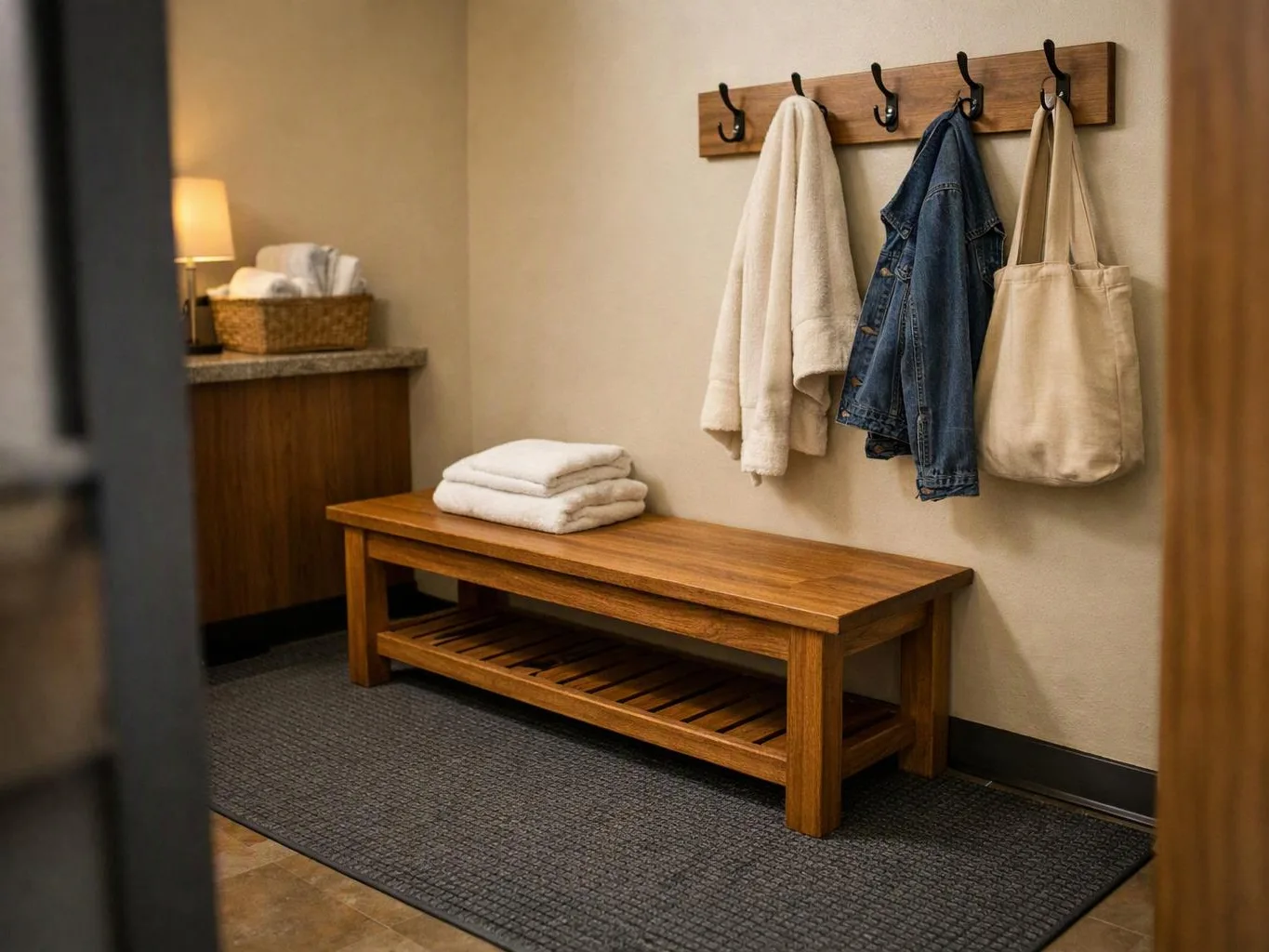
A wooden bench with folded towels sits beneath wall hooks holding a robe, denim jacket, and tote bag

Service Overview

Spinal decompression therapy is a non-surgical treatment that uses controlled traction to support care for certain spine-related concerns.

  • It differs from a chiropractic adjustment because the session focuses on controlled traction, while an adjustment uses a specific manual or instrument-assisted movement.
  • Advanced Injury Care Clinic provides this care for patients in Rural Hill and surrounding Nashville-area communities.

How Spinal Decompression Care May Help Movement

Controlled traction may help reduce pressure-related discomfort for some patients.

A measured setup gives the care team a way to monitor comfort during treatment.

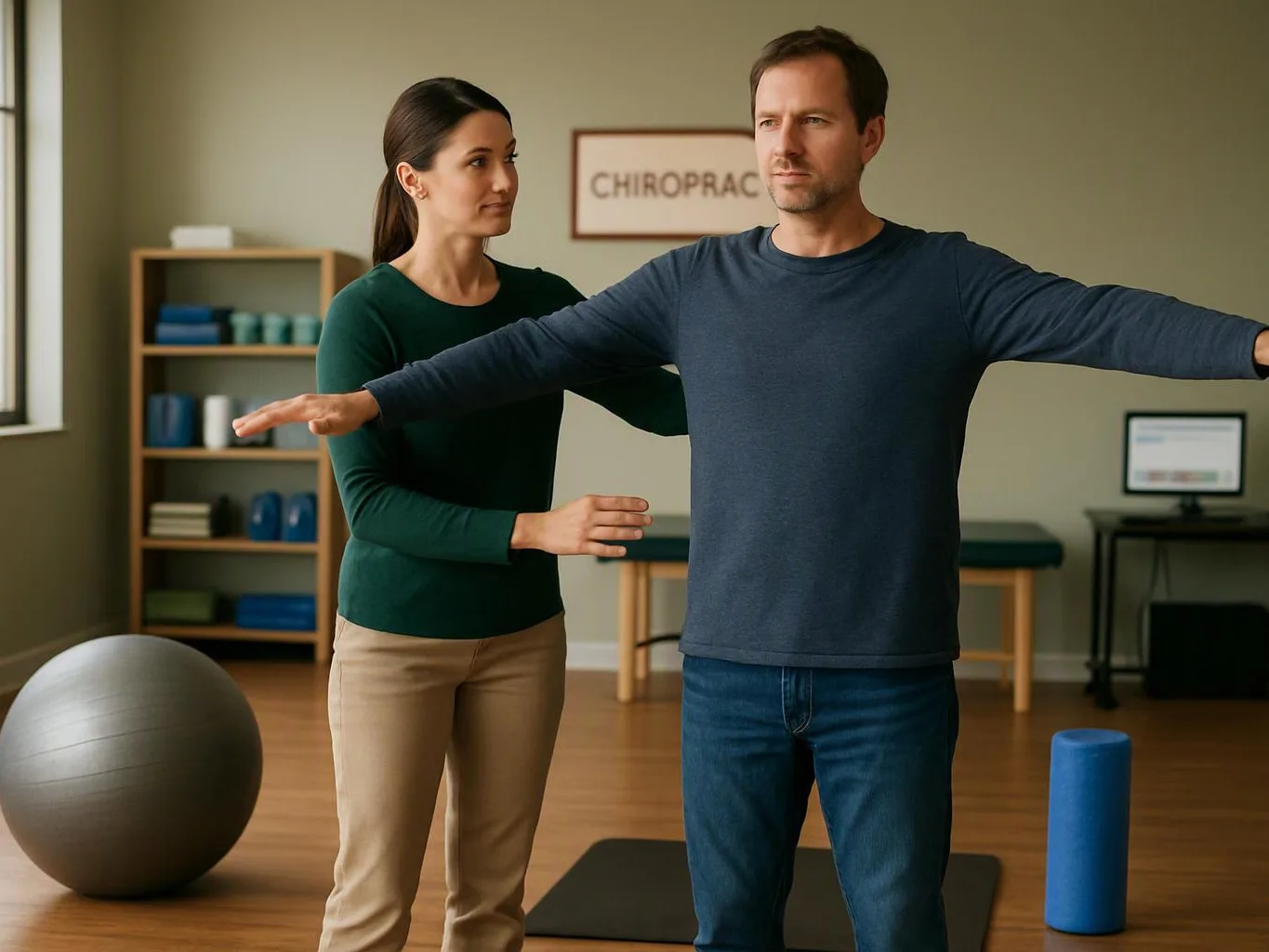
The plan connects spinal care with therapeutic exercises and daily movement goals.

Patients receive clear guidance before choosing continued decompression care.

Regular maintenance may support movement goals when it fits the patient’s plan.

What Spinal Decompression Care Includes

Advanced Injury Care Clinic provides comprehensive Spinal Decompression Therapy in Rural Hill. Here's what you get:

  • A health history and physical evaluation guide the care plan.
  • The treatment setup includes a spinal decompression table and a supportive harness.
  • Gradual traction is used as part of the planned session.
  • The team checks treatment comfort and symptom response.
  • Therapeutic exercises or soft tissue techniques may support the broader plan.
  • A progress re-examination helps guide ongoing chiropractic care.

What Patients Should Weigh Before Choosing Decompression

The exam sets the treatment fit

A health history and exam come before treatment. Spinal decompression is the wrong job when the evaluation points to another type of care or needs outside medical attention.

Comfort guides the session

Harness placement and gradual traction should feel controlled. Tell our team about discomfort, numbness, or a change in symptoms so we can review the setup.

The plan follows your goals

Back pain, sciatica, and limited movement can affect daily life in different ways. We match treatment choices to your condition, goals, and lifestyle.

Process

How We Provide Spinal Decompression Care

1

Review your health history

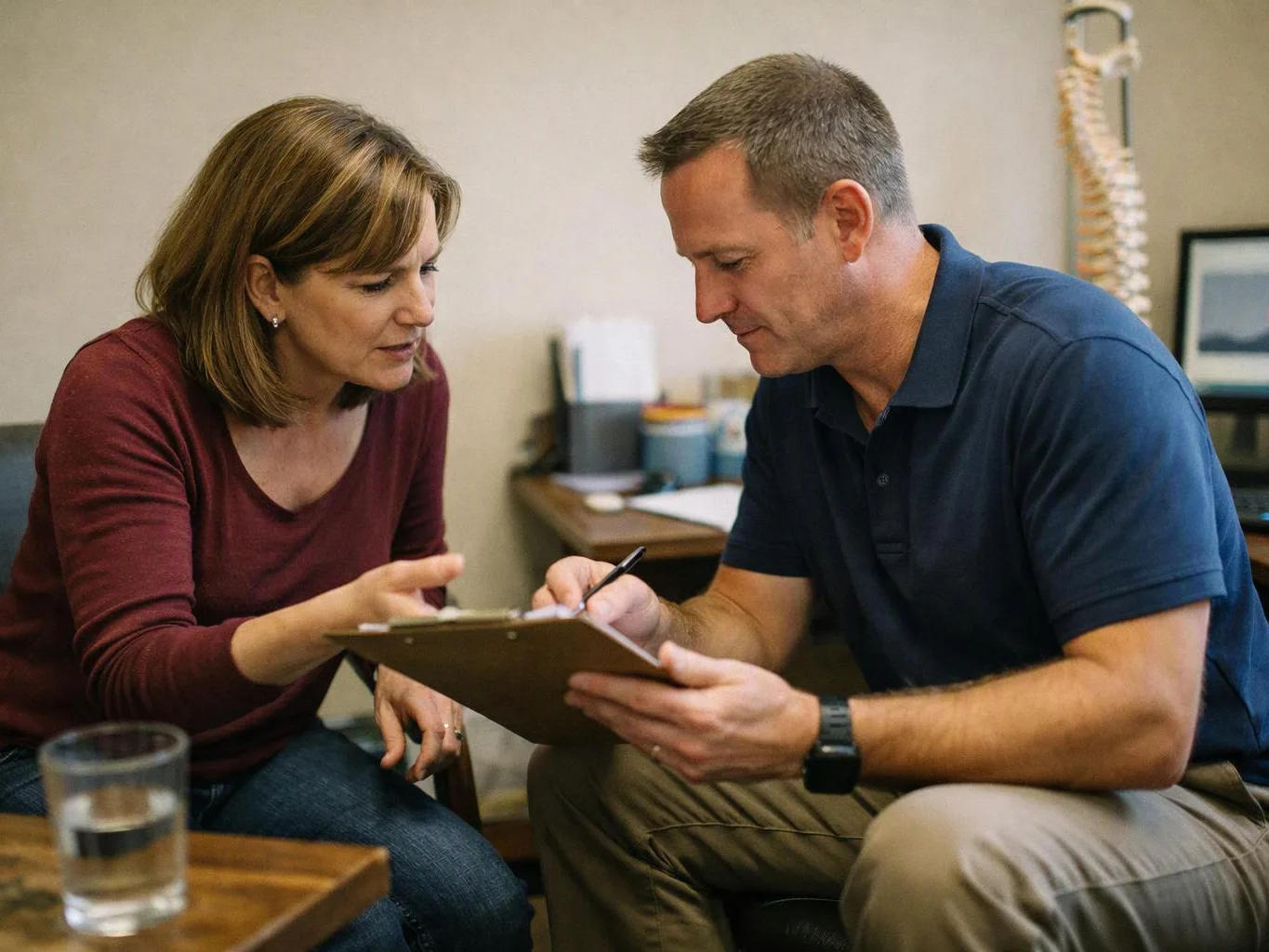
We discuss symptoms, past injuries, health goals, and lifestyle factors before treatment choices are made.

2

Complete the clinical exam

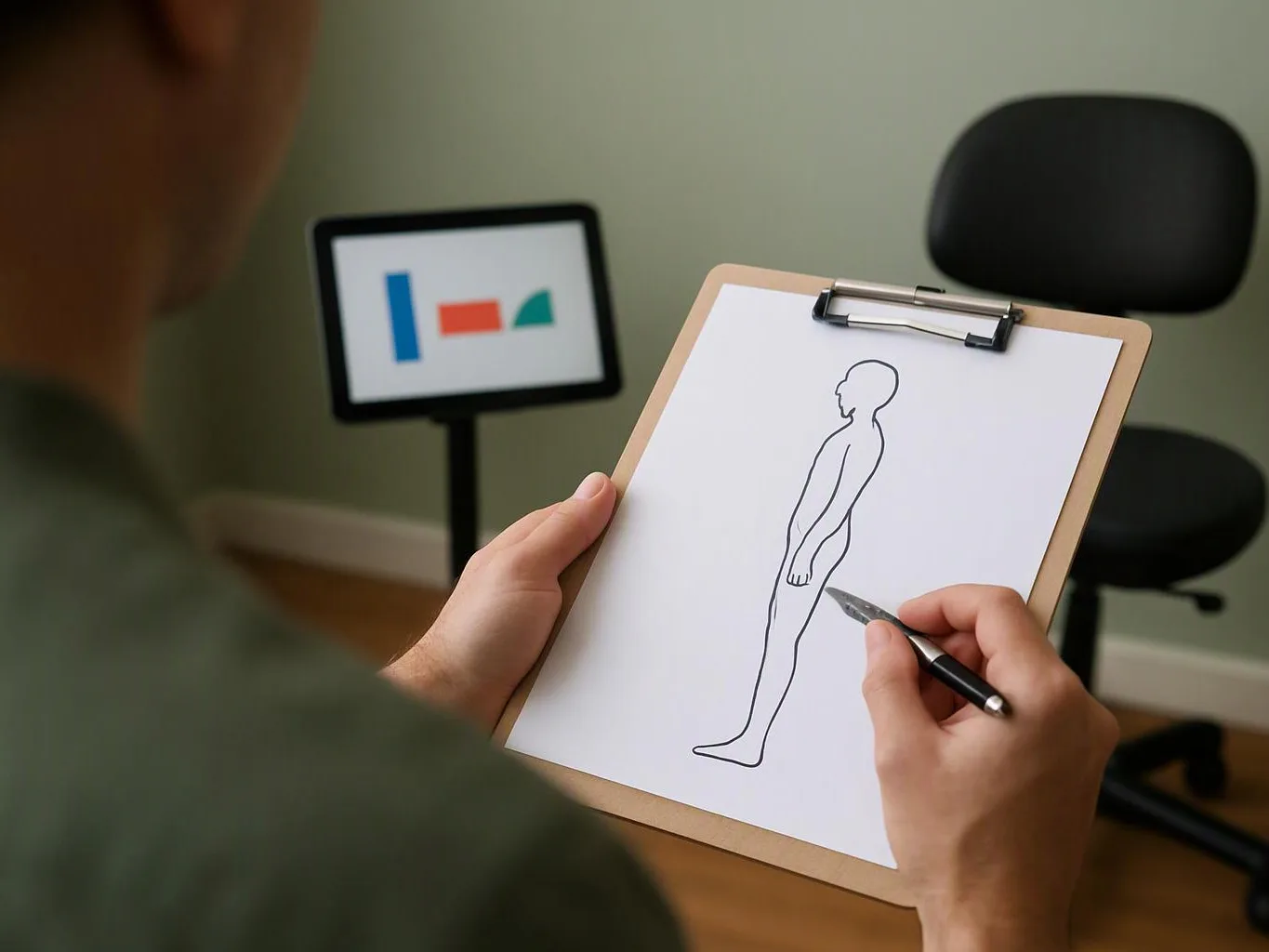
The exam checks movement and helps us decide whether spinal decompression fits your condition.

3

Set the harness position

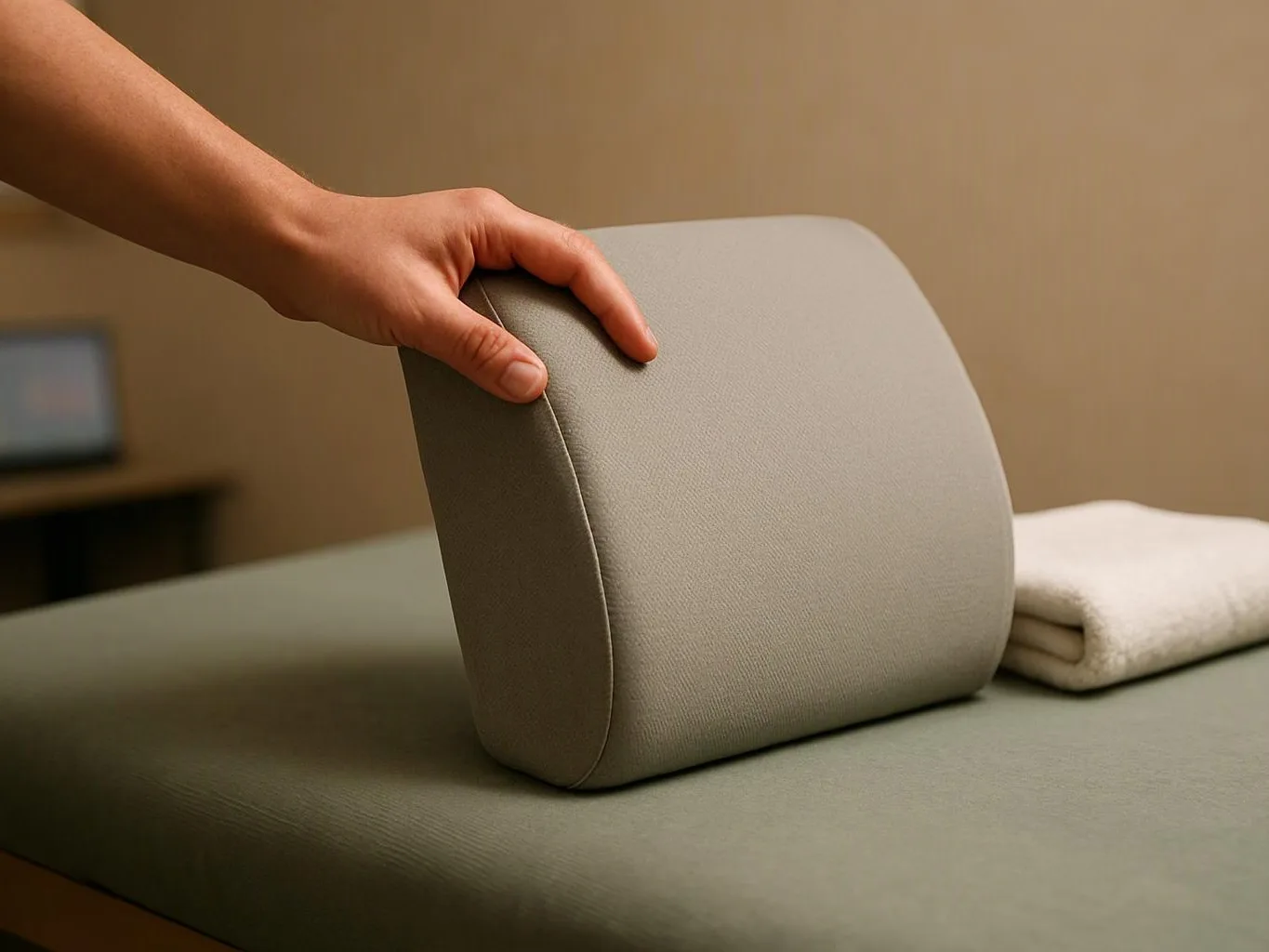
Harness placement supports the planned setup on the spinal decompression table. We explain what you should feel and invite questions.

4

Apply gradual traction

Gradual traction guides the treatment session. We monitor comfort and discuss any symptom change during care.

5

Review the care plan

We discuss follow-up needs and whether exercises, soft tissue therapy, or rehabilitative care support your goals.

How Decompression Differs From Other Chiropractic Care

This comparison shows how the main treatment focus changes between common chiropractic options.

Care optionMain movementBest starting discussion
Spinal decompression therapyControlled traction on a decompression tableWhether traction fits the exam findings and comfort needs
Chiropractic adjustmentA specific manual or instrument-assisted adjustmentWhether an adjustment fits the joint and movement findings
Therapeutic exerciseGuided movements that support strength and mobilityWhich movements match the patient’s goals and daily demands

The Advanced Injury Care Clinic Standard

  • Personalized Care
  • Thorough Evaluations
  • Clear Explanations
  • Respectful Environment

Questions About Spinal Decompression Care

How can I tell whether spinal decompression fits my symptoms?

An evaluation decides whether spinal decompression fits your symptoms and care goals. The health history and exam help us review back pain, neck pain, sciatica, and movement limits. Our team may discuss other chiropractic services when traction does not match the findings. Individual response differs, so progress checks guide continued care.

Which part of the treatment decides the setup?

The clinical exam decides the treatment setup by showing how symptoms affect movement. Harness placement then supports the planned position on the decompression table. We consider your condition, goals, and comfort before using gradual traction. Share prior injuries and current symptoms during the consultation.

When should I ask about spinal decompression for sciatica?

Sciatica with ongoing pain, tingling, or movement limits deserves an evaluation before treatment begins. Our team reviews the symptom pattern and checks whether spinal decompression fits the findings. Seek medical attention for severe or sudden symptoms, especially when they involve major weakness or loss of normal function.

Why might exercises be added to decompression care?

Therapeutic exercises may be added because movement goals extend beyond the treatment table. We choose exercises that match your condition, lifestyle, and progress. The plan can also include soft tissue techniques or rehabilitative care. Your response helps guide future recommendations.

What should I bring to a first chiropractic visit?

A list of symptoms, past injuries, current medicines, and health concerns helps the first visit. Our team uses those details during the new patient intake and exam. Bring any relevant medical records if you have them, and describe what changes your pain or movement.

Who provides spinal decompression therapy for Rural Hill patients?

Advanced Injury Care Clinic provides spinal decompression therapy for Rural Hill patients and nearby communities. Our licensed chiropractor begins with an evaluation and develops an individualized care plan. The plan may include spinal decompression, adjustments, exercises, soft tissue techniques, or rehabilitative care.
Contact

Discuss Spinal Decompression Therapy in Rural Hill

Advanced Injury Care Clinic can review your symptoms and explain whether spinal decompression may support greater comfort and movement. Schedule a free consultation to discuss the next step.

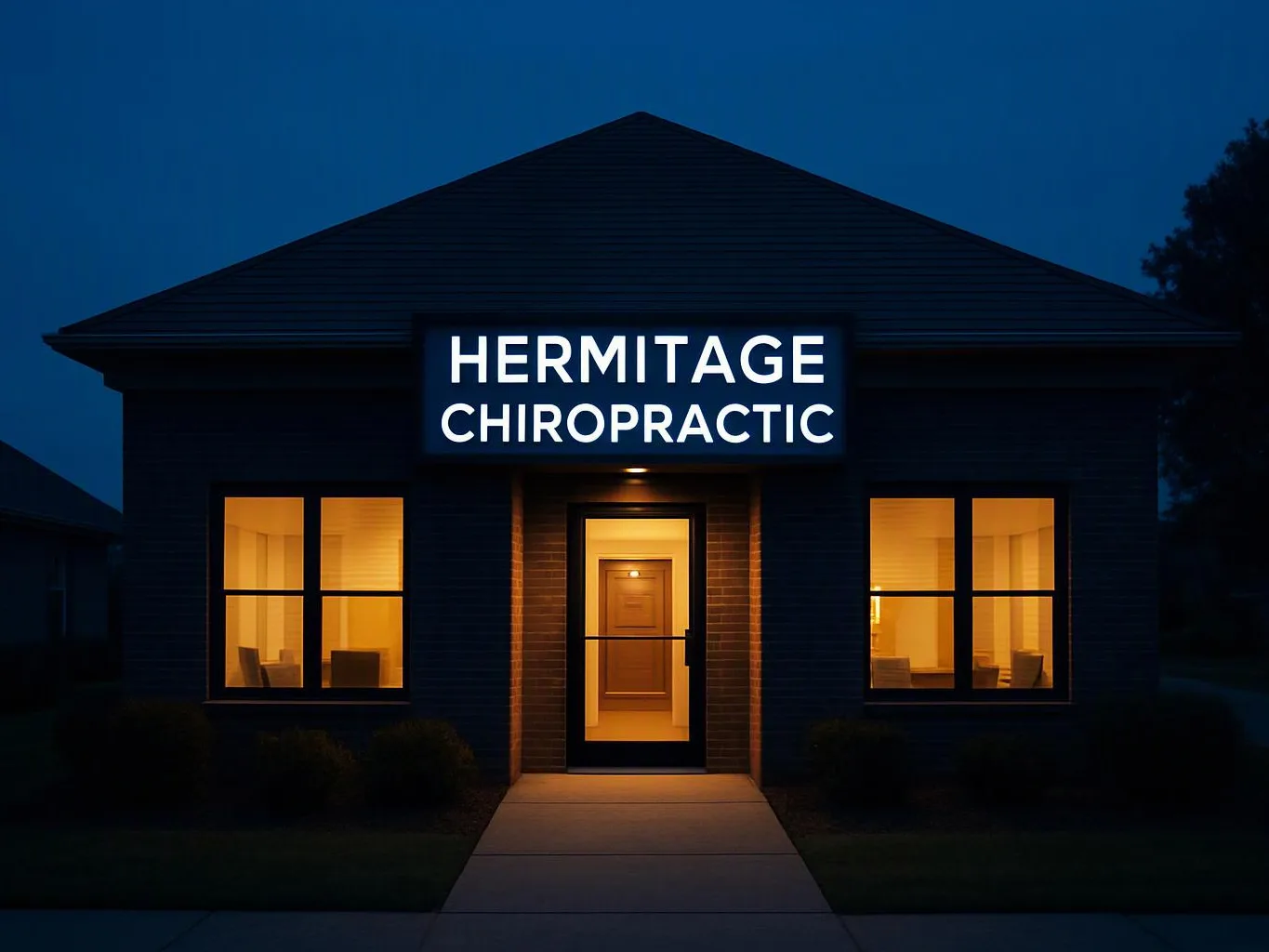
A dark building at night shows a lit entrance and sign reading “HERMITAGE CHIROPRACTIC”

Spinal Decompression Therapy in Other Areas

The health and wellness information on this website is for general informational purposes only and is not medical advice. It does not create a provider-patient relationship. Always consult a qualified licensed provider in Hermitage, Tennessee, United States about your specific condition before making care decisions. Individual results vary.

(615) 265-0412