Skip to content

Auto Accident Injury Treatment in Rural Hill, Tennessee

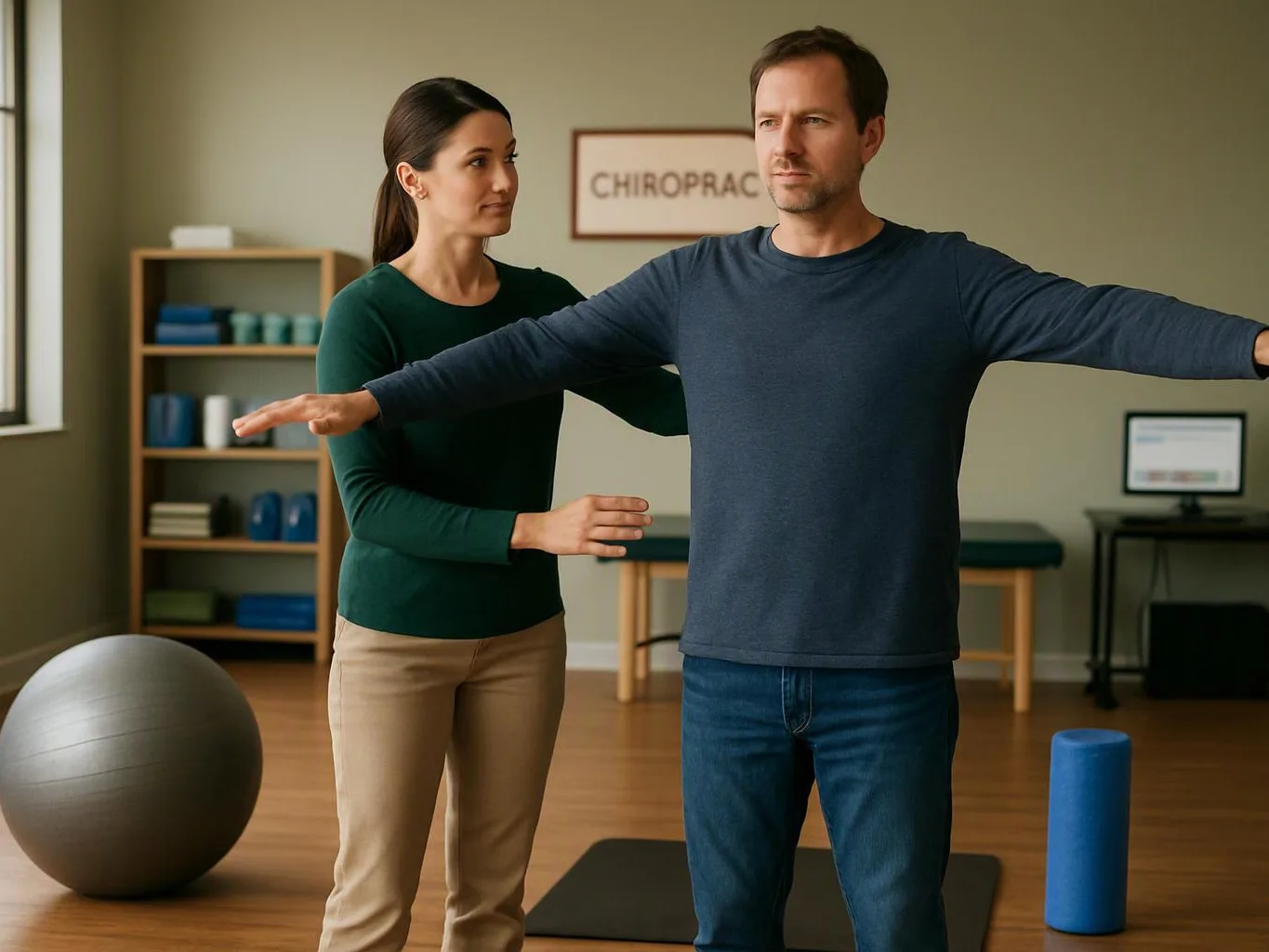
Mobility testing helps guide the first visit for people in Rural Hill after a collision. Our licensed chiropractor connects the findings to a personal care plan.

Upfront, Transparent PricingServing 23 CommunitiesMon-Fri: 9 am–7 pm, Sat: 9 am–2 pm, Sun: ClosedFast Scheduling

Quick Summary: Auto accident care in Rural Hill, Tennessee

Auto accident injury treatment in Rural Hill is provided by Advanced Injury Care Clinic for collision-related neck pain, back pain, whiplash, headaches, and sciatica. Care includes a thorough evaluation, chiropractic adjustments, therapeutic exercises, and other methods selected for each patient.

  • What we do: Advanced Injury Care Clinic provides auto accident injury treatment for patients in Rural Hill, Tennessee.
  • What is included: Key capabilities include health history review, physical examination, mobility testing, chiropractic adjustments, spinal decompression, soft tissue therapy, and rehabilitative care.
  • What you get: Patients receive a condition-based care plan that addresses movement limits and injury-related discomfort.

Why can neck pain continue after an auto accident?

Neck pain can continue when whiplash strains muscles and joints after a collision. An evaluation checks movement, tenderness, symptoms, and related concerns. Care then follows the findings.

Dedicated Service Coverage in Rural Hill

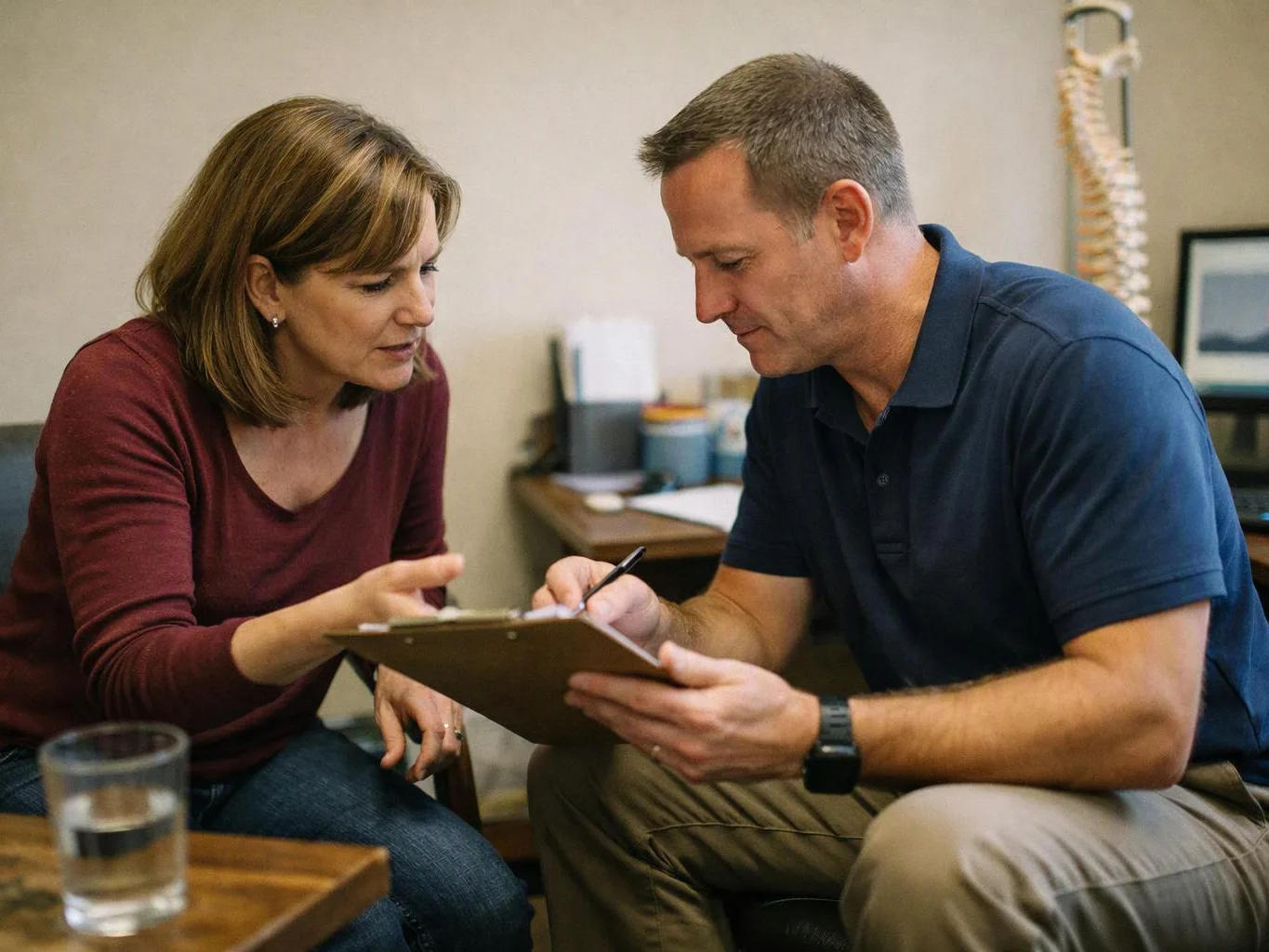
Auto accident injury treatment begins with the details of the crash and the symptoms that followed. Our team checks how your neck, back, shoulders, and other areas move. We also review health history and goals before choosing care.

This page helps people decide what an injury evaluation may involve after a collision. Customers with pain, stiffness, headaches, sciatica, or limited movement can request an assessment. A medical emergency, severe loss of function, or symptom outside chiropractic care needs a different medical service.

Clients who seek care in Rural Hill can receive treatment at our Hermitage practice. We serve nearby Nashville-area communities, including Donelson, Mount Juliet, Old Hickory, Madison, and other Middle Tennessee communities.

  • Bring details about the collision and when symptoms began.
  • Share current symptoms, prior injuries, and health concerns during the intake.
  • Ask how the findings shape adjustments, exercises, soft tissue work, or other care.
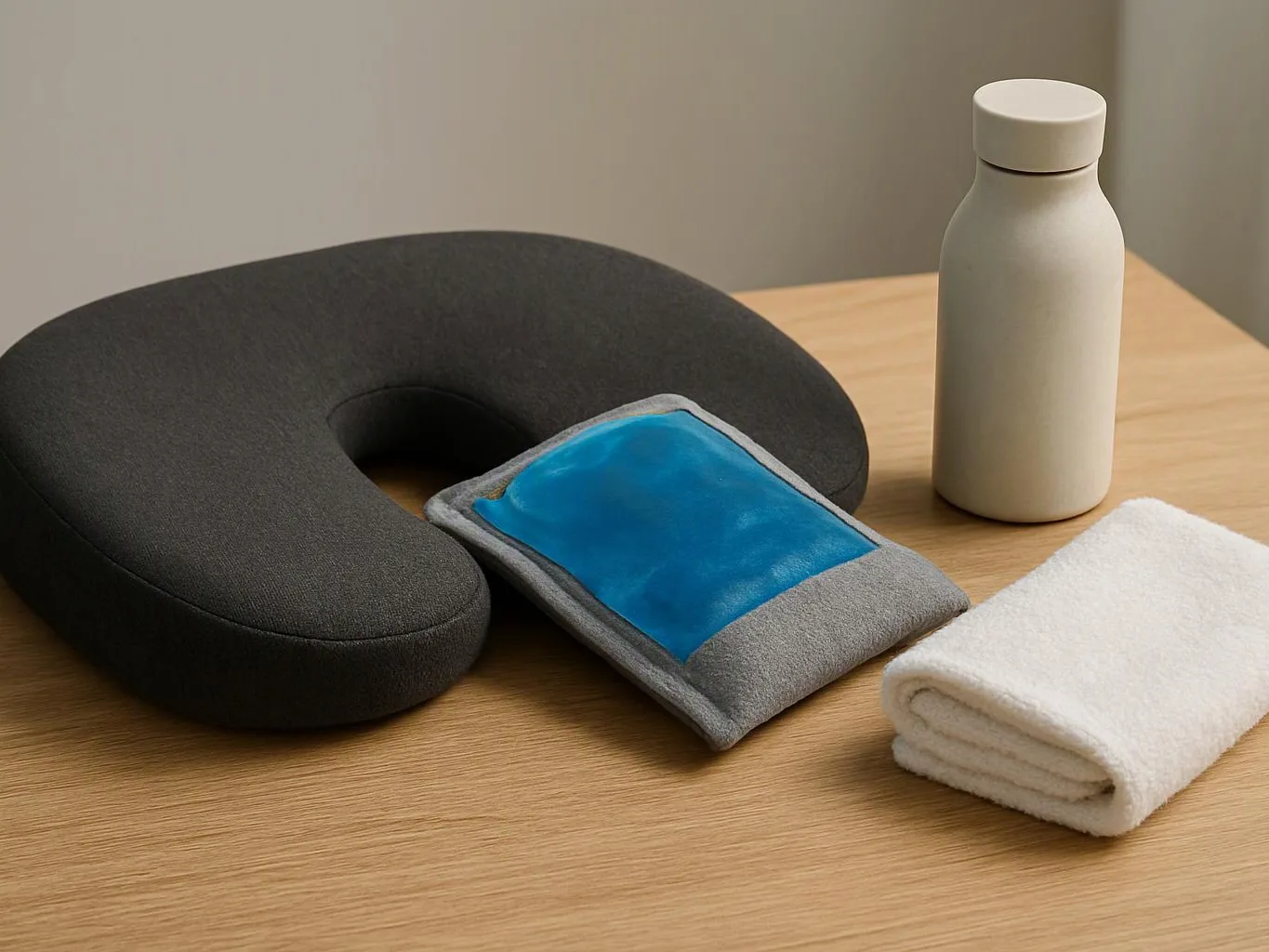
Folded cream towels sit beside a white pillow in a woven basket

Service Overview

Auto accident injury treatment is chiropractic care that assesses and addresses symptoms linked to a vehicle collision.

  • Chiropractic care focuses on movement and musculoskeletal function, while urgent medical care addresses conditions that need hospital treatment.
  • Advanced Injury Care Clinic provides this care for patients in Rural Hill and nearby Nashville-area communities.

What patients gain from a focused injury evaluation

A structured evaluation connects your symptoms with the body areas and movements that need attention.

Your care plan reflects your condition, goals, lifestyle, and response to treatment.

Therapeutic exercises can support movement between visits and reinforce in-office care.

Soft tissue therapy and spinal decompression may be considered when they fit the findings.

Regular maintenance can support continued movement after the injury-focused phase of care.

What collision injury care includes

Advanced Injury Care Clinic provides comprehensive Auto Accident Injury Treatment in Rural Hill. Here's what you get:

  • A new patient intake records the collision, symptoms, health history, and care goals.
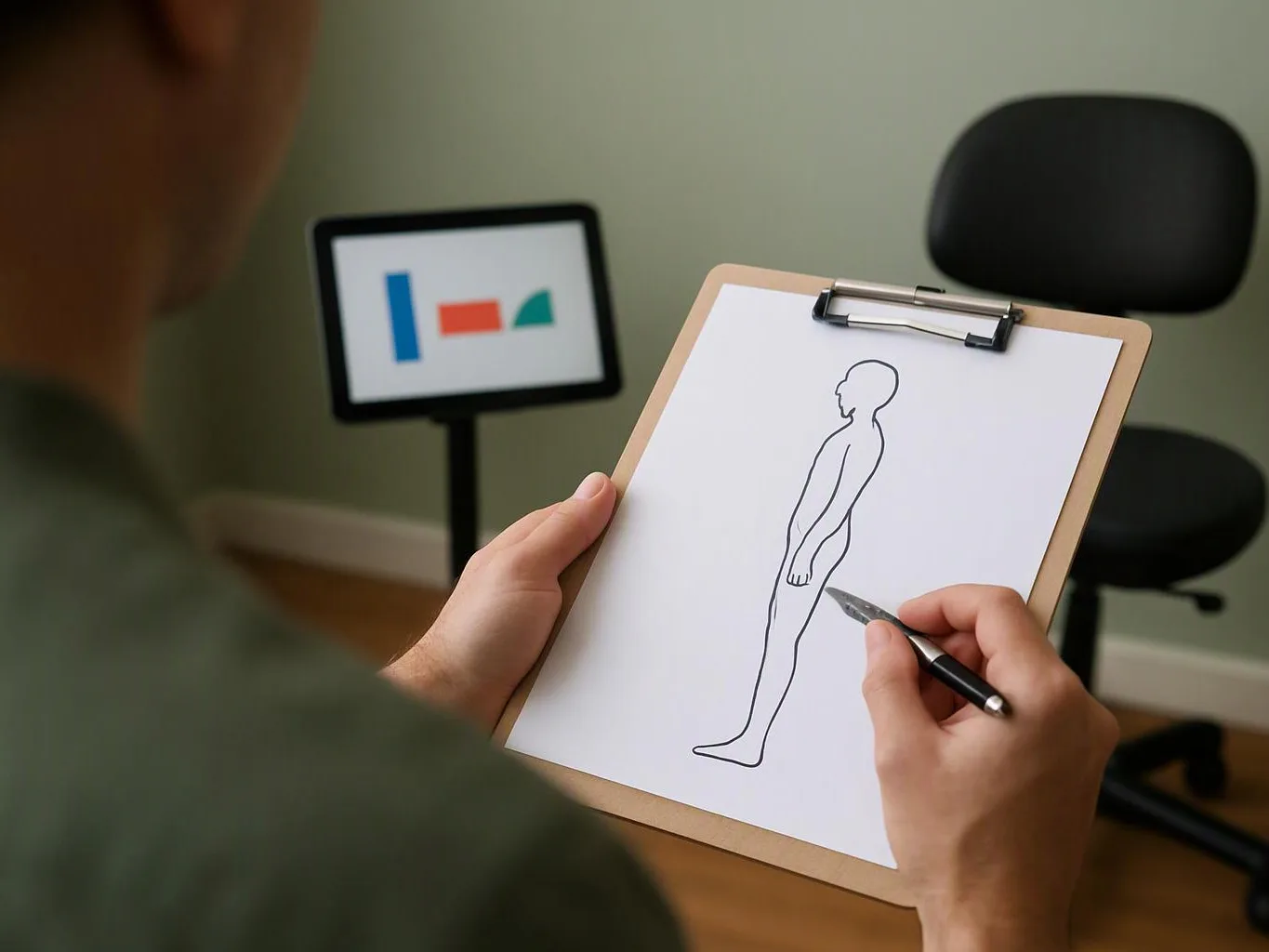
  • A physical examination checks movement, tenderness, posture, and related musculoskeletal concerns.
  • Mobility testing helps guide the assessment of restricted or painful movement.
  • X-rays or another imaging referral may be recommended when the findings call for more review.
  • A personalized treatment plan may include chiropractic adjustments, spinal decompression, soft tissue techniques, and therapeutic exercises.
  • Rehabilitative care supports movement practice and ongoing progress review.

What to consider before choosing collision injury care

Start with the examination

The first visit should explain what is checked and how the findings guide treatment. Our team reviews health history, symptoms, movement, and goals before care begins.

Match methods to findings

Chiropractic adjustments, soft tissue therapy, spinal decompression, and exercises serve different purposes. We select methods that fit the patient rather than applying one fixed routine.

Know when care needs to change

This service is not the right job for a medical emergency or a condition that needs hospital assessment. We focus on musculoskeletal concerns and refer for imaging when clinically indicated.

Process

How we assess and treat collision injuries

1

Record the crash and health history

The new patient intake covers the collision, symptoms, prior injuries, health history, and daily activities. Customers should share changes that affect work, sleep, driving, or exercise.

2

Check movement and physical findings

Our team performs a physical examination and mobility testing to assess movement, tenderness, posture, and related musculoskeletal concerns.

3

Review findings and imaging needs

The report of findings explains what the examination shows. X-rays or an imaging referral may be considered when the clinical findings support further review.

4

Set the personalized care plan

Care may include chiropractic adjustments, spinal decompression, soft tissue techniques, therapeutic exercises, or rehabilitative care. The plan follows the patient’s condition and goals.

5

Review progress and ongoing care

Progress re-examinations help guide the next stage of care. Regular maintenance may be discussed when it supports the patient’s movement and wellness goals.

6

Explain pricing before care

We offer free consultations and provide upfront pricing information as the care plan is discussed. The exact cost depends on the examination findings and selected services.

Choosing the right next step after a collision

This comparison separates common care needs so patients can ask for the right assessment.

Care needWhat it addressesWhat to do next
Chiropractic injury evaluationMusculoskeletal pain, stiffness, and movement limitsRequest an assessment and share the collision history
Imaging referralFindings that need further clinical reviewDiscuss the referral during the examination
Urgent medical careSerious symptoms or conditions needing hospital assessmentSeek prompt medical attention

The Advanced Injury Care Clinic Standard

  • Personalized Care
  • Thorough Evaluations
  • Clear Explanations
  • Respectful Environment

Questions about collision injury treatment

What may happen during an auto accident injury evaluation?

Mobility testing helps determine how a collision affects movement during an auto accident injury evaluation. Advanced Injury Care Clinic also reviews health history, symptoms, and physical findings. The team may recommend imaging referral when clinically indicated. These findings guide a personalized care plan.

What should be checked before injury care is scheduled?

A health history and physical examination should be checked before injury care is scheduled. The review covers the collision, symptoms, prior conditions, movement, and daily limits. Imaging referral may be considered when the examination raises a concern. Patients should also discuss goals and current treatment with our team.

Who is a good fit for auto accident injury treatment?

Patients with collision-related musculoskeletal concerns are good fits for auto accident injury treatment. Neck pain, back pain, whiplash, headaches, and sciatica may be assessed. A medical emergency or condition needing hospital care requires another service. Our team can explain whether chiropractic care fits the findings.

What happens at each stage of injury care?

The care process moves from intake to examination, findings, treatment planning, and progress review.

  1. The intake records health history and collision details.
  2. The examination checks movement and symptoms.
  3. The plan selects suitable chiropractic methods.
  4. Progress reviews guide ongoing care.

Which methods may be used after a vehicle collision?

Chiropractic adjustments, therapeutic exercises, soft tissue therapy, and spinal decompression may be used after a vehicle collision. The examination guides the choice. Patients receive care based on their symptoms, goals, lifestyle, and response. No single method fits every injury pattern.

How does an imaging referral fit into care?

An imaging referral adds information when examination findings call for further review. Our team first records symptoms and performs a physical examination. Patients receive guidance on the next step when imaging is clinically indicated. The referral does not replace the health history or movement assessment.

Why can symptoms change after a collision?

Symptoms can change as irritated muscles, joints, and movement patterns respond after a collision. A progress re-examination checks those changes and helps guide care. Patients should report new, worsening, or unusual symptoms. Serious warning signs need prompt medical attention outside chiropractic treatment.
Contact

Discuss collision injury care in Rural Hill

Get a clear evaluation of movement, symptoms, and treatment options after a collision. Advanced Injury Care Clinic offers free consultations and upfront pricing information for patients in Rural Hill.

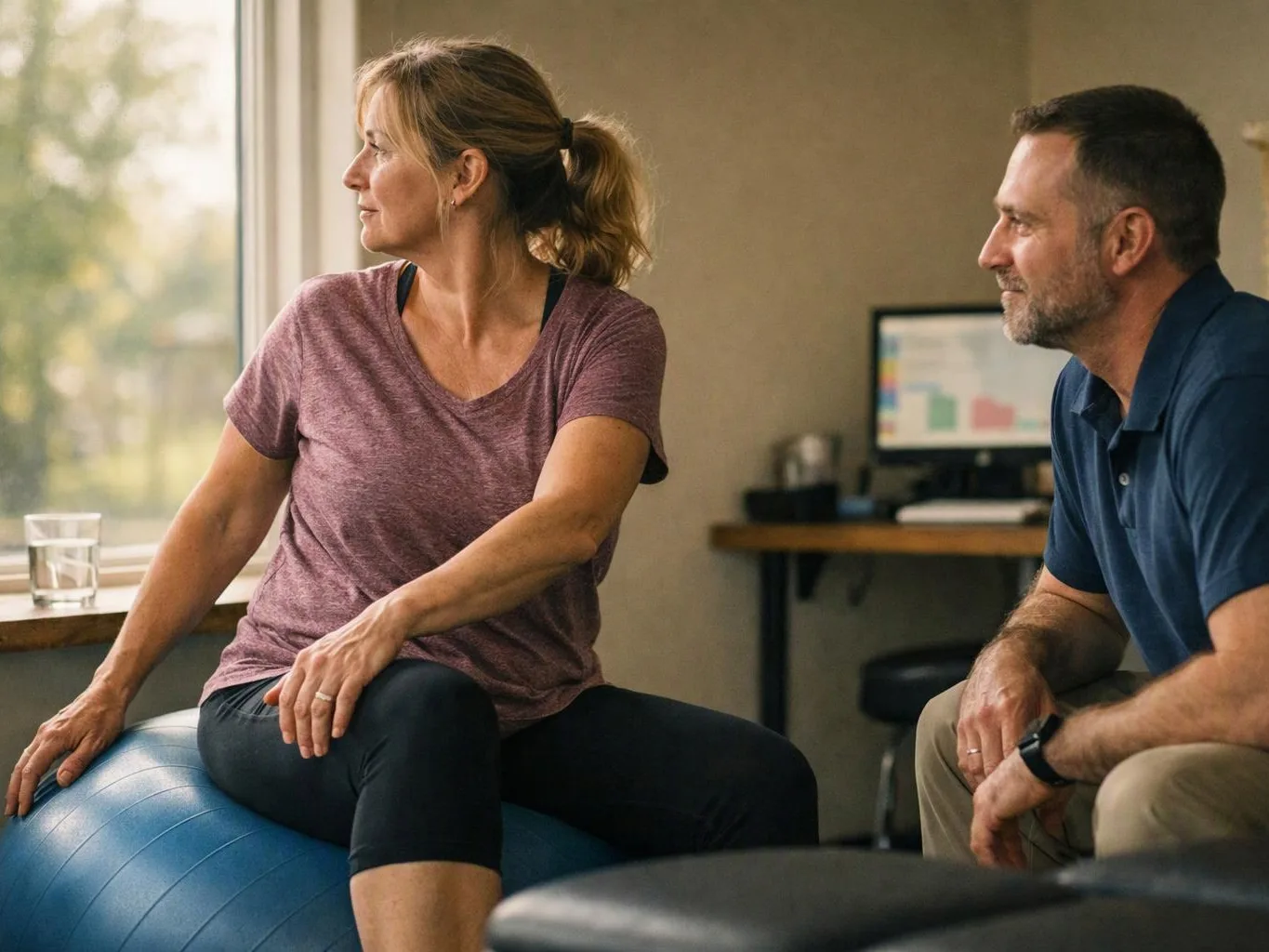
A woman sits on a blue exercise ball near a window while a man watches beside her in a room

Auto Accident Injury Treatment in Other Areas

The health and wellness information on this website is for general informational purposes only and is not medical advice. It does not create a provider-patient relationship. Always consult a qualified licensed provider in Hermitage, Tennessee, United States about your specific condition before making care decisions. Individual results vary.

(615) 265-0412