Skip to content

Spinal Decompression Therapy in Shackle Island, Tennessee

Safety and clinical fit guide spinal stability care in Shackle Island. We review your symptoms before choosing spinal decompression therapy.

Upfront, Transparent PricingServing 23 CommunitiesMon-Fri: 9 am–7 pm, Sat: 9 am–2 pm, Sun: ClosedFast Scheduling

Quick Summary: spinal decompression therapy in Shackle Island, Tennessee

Spinal Decompression Therapy in Shackle Island helps Advanced Injury Care Clinic address back pain, sciatica, and related musculoskeletal concerns through an evaluated care plan. Our coverage includes patients from Shackle Island and nearby Middle Tennessee communities, with chiropractic adjustments and rehabilitative care available when appropriate.

  • What we do: Advanced Injury Care Clinic provides Spinal Decompression Therapy for patients in Shackle Island, Tennessee, after a health history and physical exam.
  • What is included: Key capabilities include spinal decompression, chiropractic adjustments, soft tissue techniques, therapeutic exercises, and rehabilitative care.
  • What you get: The patient receives a care plan that matches the condition, goals, and response to treatment.

Why do back pain and sciatica keep returning after spinal decompression therapy?

Spinal decompression therapy results can reflect disc condition, treatment consistency, and posture habits. A progress re-examination helps us review your response and adjust the care plan when needed.
Spinal Decompression Therapy for Shackle Island Back Pain

Spinal decompression therapy is considered for patients with back pain, sciatica, neck pain, or disc-related concerns. The right choice depends on the health history, physical findings, goals, and response to care.

This page focuses on a practical buyer question: what can affect results? Disc condition matters because patients do not respond to treatment in the same way. Treatment consistency and posture habits also shape how the back handles daily activity.

Our team checks whether the treatment fits your condition before adding it to a care plan. Spinal decompression is not the right job for every symptom, so urgent or unrelated medical concerns need suitable medical attention.

  • Review the health history and current symptoms.
  • Discuss disc condition, posture habits, and treatment goals.
  • Check whether spinal decompression fits the care plan.
  • Track progress through follow-up evaluation.
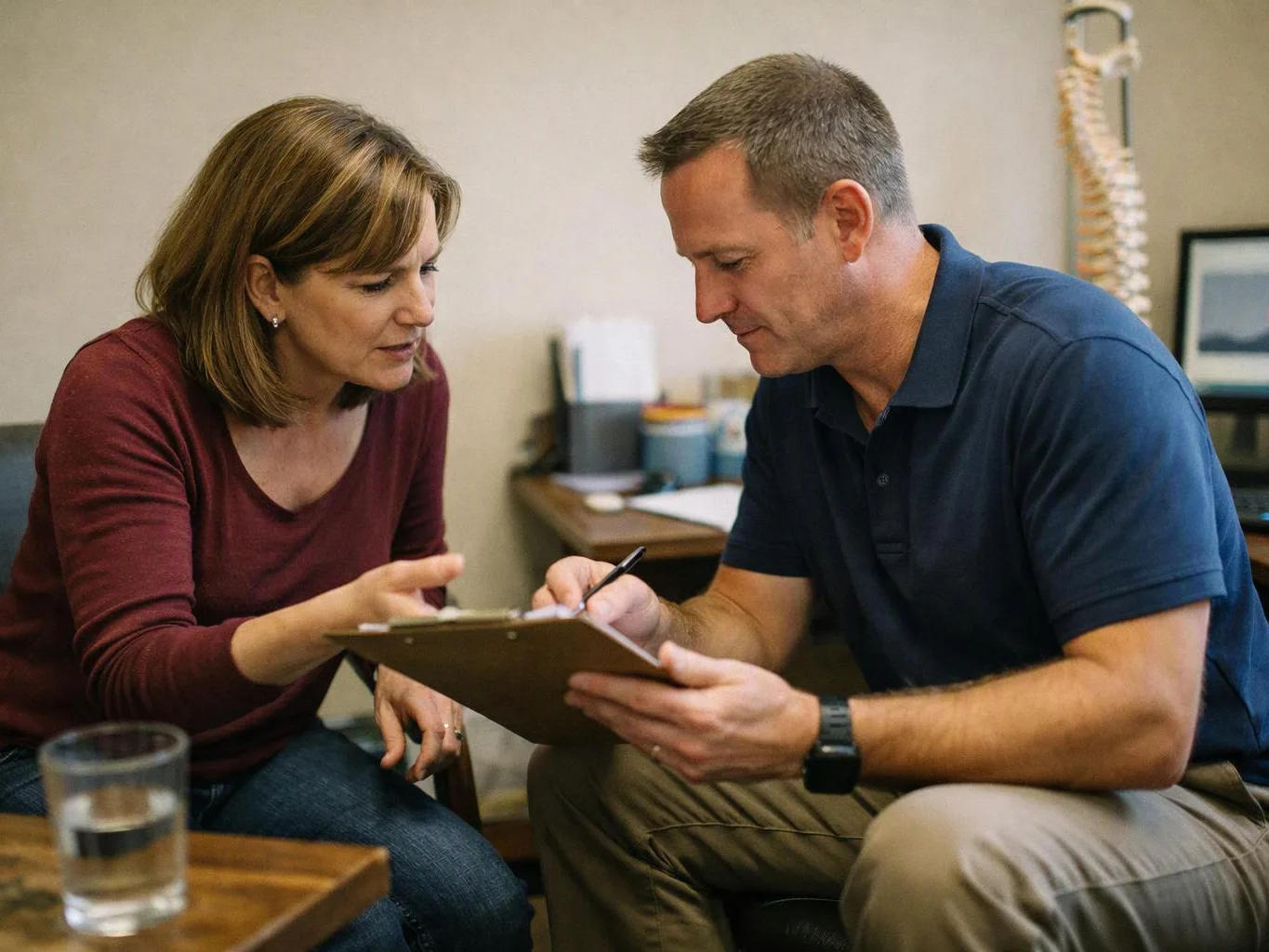
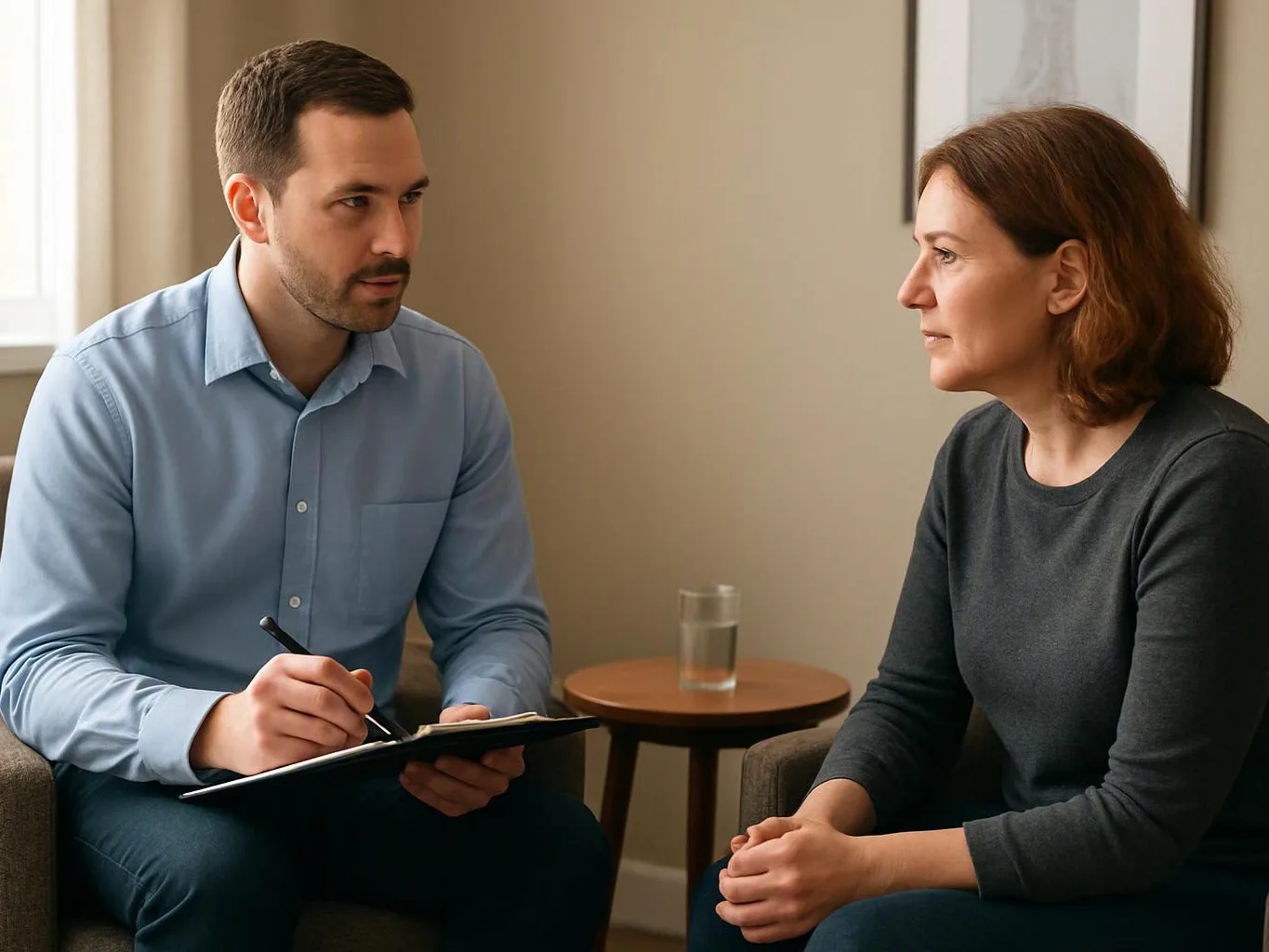
A man takes notes while talking with a seated woman in a quiet room

Service Overview

Spinal decompression therapy is a non-surgical treatment approach that uses controlled unloading to address selected back and neck concerns.

  • Spinal decompression differs from a chiropractic adjustment because it focuses on controlled traction, while an adjustment uses a specific hands-on technique.
  • Advanced Injury Care Clinic provides this care for patients in Shackle Island and nearby Middle Tennessee communities.

What spinal decompression therapy includes

Advanced Injury Care Clinic provides comprehensive Spinal Decompression Therapy in Shackle Island. Here's what you get:

  • We begin with a new patient intake, health history, and physical exam.
  • We discuss the symptoms, goals, and daily activities that affect your back.
  • We explain the findings through a report of findings and personalized treatment plan.
  • We provide spinal decompression when it fits the patient’s condition.
  • We may pair care with chiropractic adjustments, soft tissue therapy, or therapeutic exercises.
  • We review progress and adjust the plan when the patient’s response calls for it.

What to weigh before choosing spinal decompression

Start with a condition check

A health history and exam help us decide whether spinal decompression fits. The treatment is the wrong job when symptoms need another type of medical evaluation.

Review the full care plan

Disc condition, treatment goals, and daily movement patterns shape the plan. Chiropractic adjustments, soft tissue therapy, or exercises may also have a role.

Track changes over time

Progress re-examinations help us review comfort, movement, and function. We use those findings to guide continued care.

Process

How we plan and deliver spinal decompression care

1

Complete the new patient intake

We review your health history, symptoms, daily activities, and treatment goals.

2

Perform the health history and exam

Our team checks movement and physical findings to decide whether spinal decompression fits your condition.

3

Explain the report of findings

We discuss what we found and answer questions about the proposed care plan.

4

Provide the planned treatment

When appropriate, we use spinal decompression and may add adjustments, exercises, or soft tissue techniques.

5

Review progress and next steps

A progress re-examination helps us assess your response and guide continued care.

What this care can change for your daily movement

Spinal decompression may help reduce discomfort linked to selected back and disc concerns.

A care plan can support improved mobility when pain limits normal movement.

Therapeutic exercises can help patients build better movement habits between visits.

Posture guidance gives you practical ways to reduce strain during daily tasks.

Regular maintenance may support ongoing wellness after the main concern improves.

Individual response differs, so we use follow-up findings to guide the next step.

How spinal care approaches differ

These approaches address different parts of a chiropractic care plan.

Care approachMain focusWhen it may fit
Spinal decompression therapyControlled traction through a decompression tableSelected back, neck, and disc-related concerns
Chiropractic adjustmentA specific hands-on adjustment techniqueMovement and joint concerns identified during examination
Therapeutic exerciseGuided movement and strength workSupport for mobility and daily movement habits

The Advanced Injury Care Clinic Standard

  • Personalized Care
  • Thorough Evaluations
  • Clear Explanations
  • Respectful Environment

Questions about spinal decompression care

What factors can affect spinal decompression results?

Spinal stability results depend on disc condition, treatment consistency, and posture habits. Advanced Injury Care Clinic reviews these factors during assessment and follow-up. Daily movement can affect symptoms between visits, so we may discuss exercises or posture changes as part of the care plan. Individual response differs, and progress findings guide future treatment.

How does a spinal decompression visit move from the first call to the last step?

The visit moves from intake to examination, findings review, treatment planning, and progress assessment.

  1. We collect your health history and symptoms.
  2. We perform an exam and discuss fit.
  3. We explain the care plan.
  4. We review your response during follow-up.

Which material changes how long spinal decompression therapy takes?

The care plan changes the treatment time because disc condition, symptoms, and related services shape the visit. We do not set one schedule for every patient. The health history and exam show whether spinal decompression, exercises, adjustments, or soft tissue therapy belong in the plan.

How can I tell whether spinal decompression therapy fits my condition?

A health history and physical exam determine whether spinal decompression fits your condition. Back pain, sciatica, neck pain, and disc concerns may lead to an evaluation. We also consider warning signs, current care, and your goals before recommending treatment. A different medical evaluation may be needed when symptoms fall outside this service.

What happens during a first visit for an injury-related condition?

An injury-related visit begins with a new patient intake, health history, and exam. We ask how the injury happened and how it affects movement, work, or daily tasks. A report of findings follows the assessment. We then explain whether spinal decompression or another chiropractic service fits the care plan.

Can home exercises replace an in-office decompression visit?

Home exercises support spinal care but do not replace an evaluation or in-office decompression treatment. Therapeutic exercises can address movement habits and help support the care plan. Our team chooses exercises based on the condition and goals. Stop and seek guidance if an exercise worsens symptoms.

Do I need X-rays or a referral before scheduling care?

A referral is not stated as a requirement for scheduling, and X-rays are considered when clinically indicated. We begin with intake, health history, and examination. Bring relevant records if you have them. Our team uses the findings to decide whether additional information is needed before treatment planning.

Spinal Decompression Therapy in Other Areas

Contact

Discuss spinal decompression therapy in Shackle Island

Learn whether spinal decompression therapy fits your back pain, sciatica, or movement goals. Contact Advanced Injury Care Clinic to request an assessment and discuss your care plan.

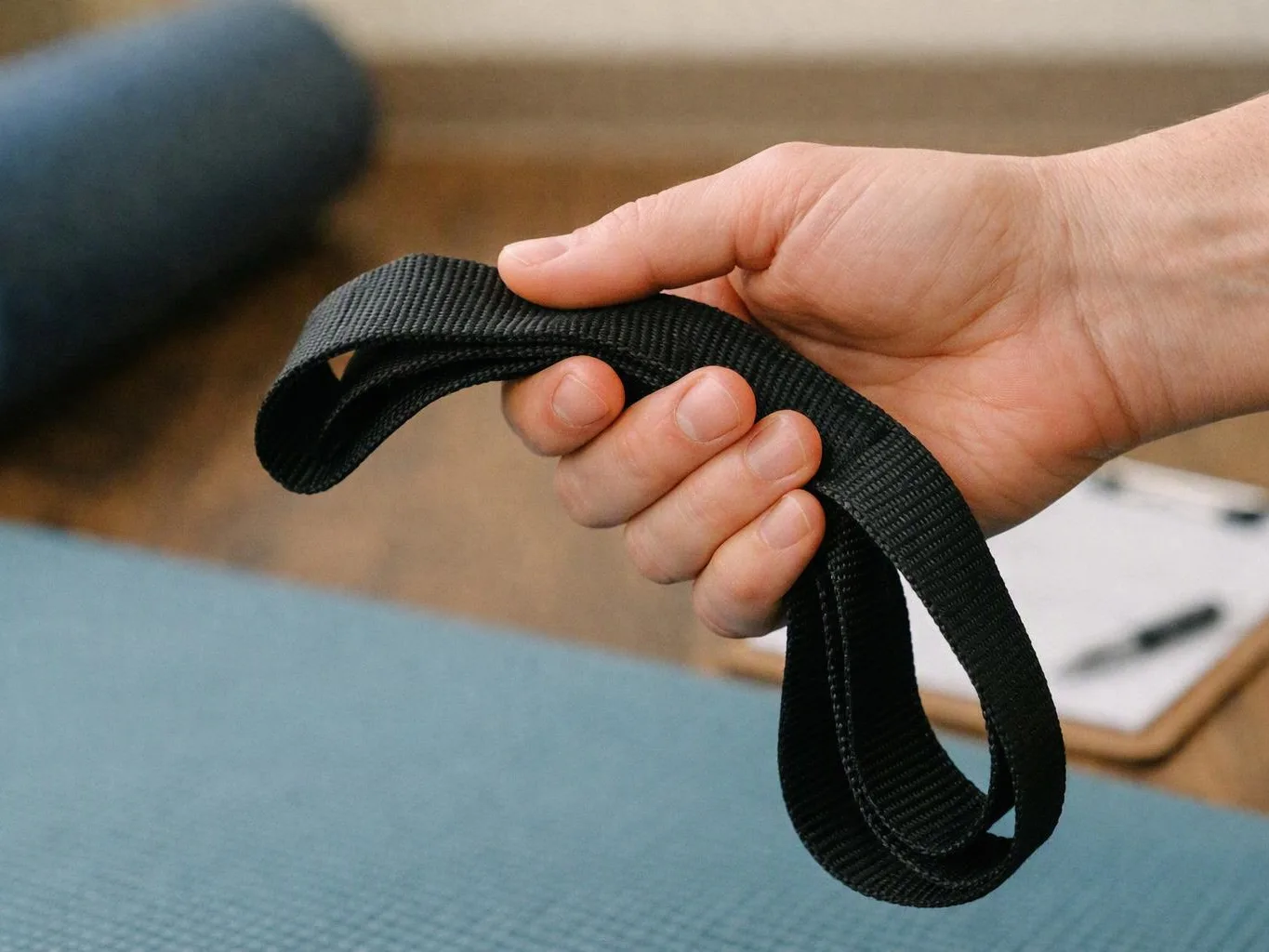
A hand holds a black woven strap over a blue exercise mat indoors

The health and wellness information on this website is for general informational purposes only and is not medical advice. It does not create a provider-patient relationship. Always consult a qualified licensed provider in Hermitage, Tennessee, United States about your specific condition before making care decisions. Individual results vary.

(615) 265-0412