Skip to content

Spinal Decompression Therapy in Lebanon, Tennessee

Assessing treatment consistency helps us plan spinal decompression therapy for patients in Lebanon. We match care to symptoms, goals, and daily movement.

Upfront, Transparent PricingServing 23 CommunitiesMon-Fri: 9 am–7 pm, Sat: 9 am–2 pm, Sun: ClosedFast Scheduling

Quick Summary: Spinal Decompression Therapy in Lebanon, Tennessee

Spinal Decompression Therapy in Lebanon is provided by Advanced Injury Care Clinic for back pain, neck pain, sciatica, and related musculoskeletal concerns. Care includes an evaluation and an individualized plan for patients in Lebanon and nearby Nashville-area communities.

  • What we do: Advanced Injury Care Clinic provides Spinal Decompression Therapy for suitable patients in Lebanon, Tennessee after a health history and physical evaluation.
  • What is included: Evaluation, spinal decompression, posture review, therapeutic exercises, soft tissue therapy, and rehabilitative care.
  • What you get: Patients receive a treatment plan that connects spinal decompression with their symptoms, goals, and daily movement needs.

What factors can affect spinal decompression results?

Treatment consistency, disc condition, posture habits, and spinal stability can affect results. An evaluation helps match care with the patient’s condition and goals.
Spinal Decompression Therapy in Lebanon for Consistent Care Decisions

Spinal decompression therapy is a focused option for patients with back pain, neck pain, sciatica, or other musculoskeletal concerns. The key decision is whether the treatment fits the patient’s health history, symptoms, and goals.

Disc condition matters, but it is only one part of the review. Posture habits and spinal stability can affect how a patient moves between visits, so our team includes those details in the care plan. Results vary, and individual response differs.

Our practitioner position is simple: consistent care matters more than choosing a treatment from a symptom name alone. A thorough evaluation helps us decide whether decompression belongs in a broader plan with exercises, soft tissue therapy, or chiropractic adjustments.

  • Review the health history and current symptoms before treatment.
  • Discuss disc concerns, posture habits, and spinal stability.
  • Check whether decompression fits the patient’s goals and daily activity.
  • Plan follow-up care around the patient’s response and progress.
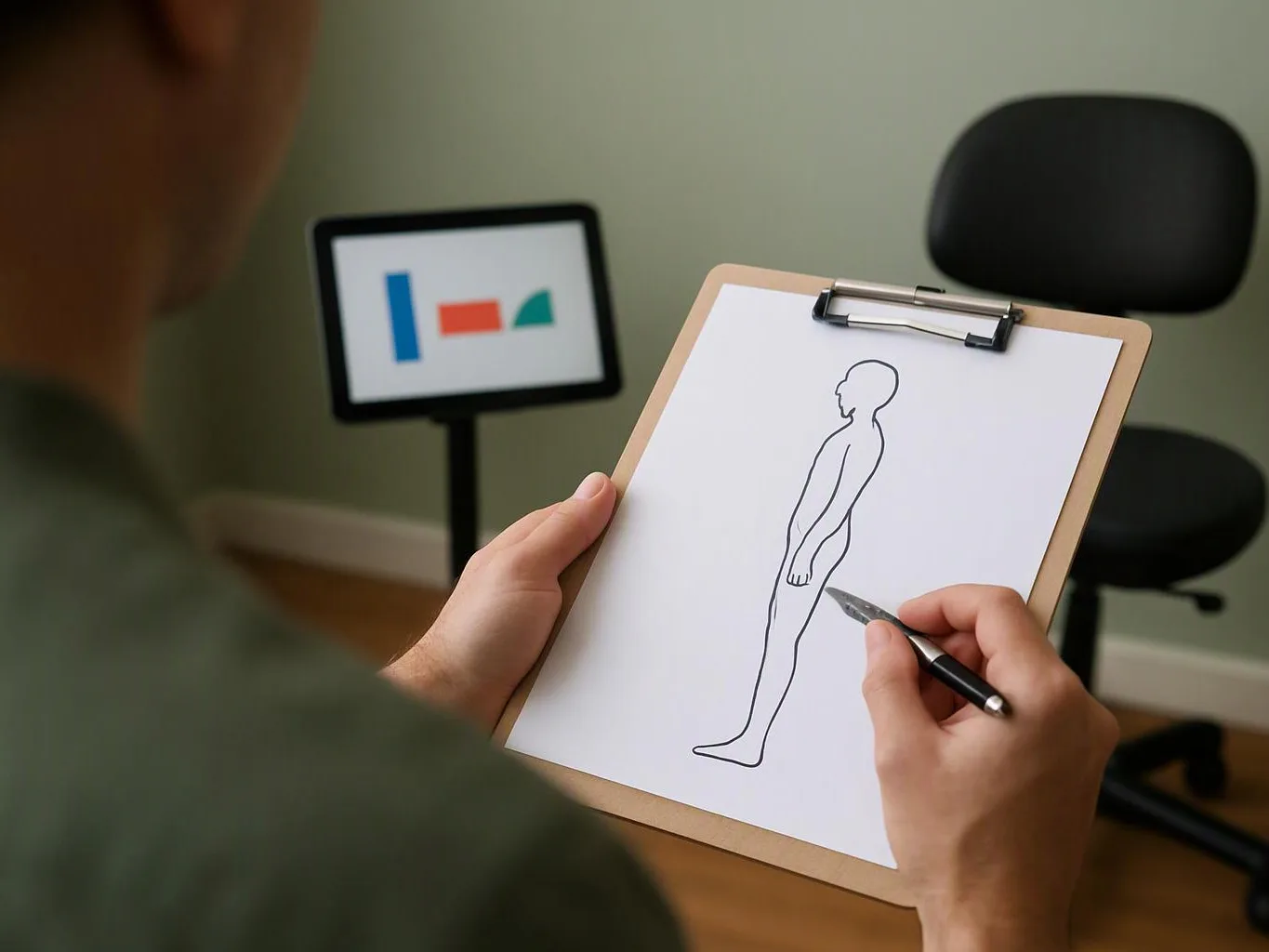
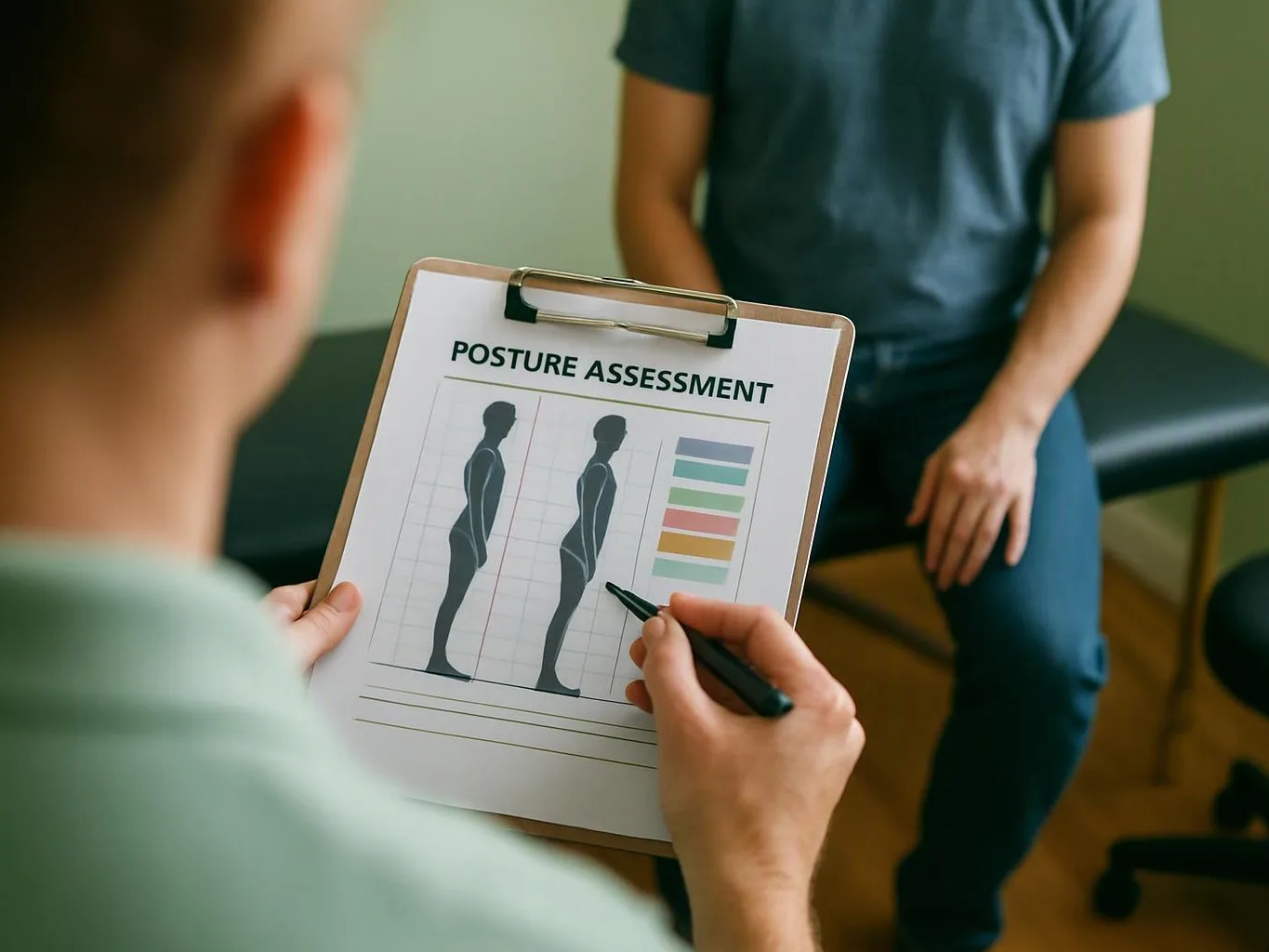
A clinician holds a clipboard with a posture assessment chart while another person sits in an exam room

Service Overview

Spinal Decompression Therapy is a non-surgical treatment approach that uses controlled unloading to address certain spine-related symptoms.

  • Unlike a chiropractic adjustment, decompression focuses on gentle traction through a treatment table, while adjustments use a specific manual or instrument-assisted force.
  • Advanced Injury Care Clinic provides this care in Lebanon for patients from nearby Nashville-area communities.
Process

How We Plan Spinal Decompression Treatment

1

Complete the health history

The new patient intake records symptoms, past injuries, health concerns, activity, and treatment goals.

2

Check movement and stability

A physical evaluation reviews posture, spinal stability, movement limits, and signs that affect treatment fit.

3

Set the care plan

We explain the findings and choose suitable methods, which may include spinal decompression, exercises, adjustments, or soft tissue therapy.

4

Review progress

Follow-up care checks the patient’s response and guides changes to the treatment plan.

How We Approach Spinal Decompression Decisions

Match care to the evaluation

A symptom alone does not decide suitability. Disc condition, posture habits, spinal stability, and health history guide our plan.

Connect treatment with movement

Spinal decompression may sit alongside therapeutic exercises, soft tissue therapy, or chiropractic adjustments when those services fit the patient’s goals.

Know when another plan fits

Decompression is not the right job for every condition. We review the findings first and guide the patient toward an appropriate care plan.

What Patients May Gain From Spinal Decompression Care

Spinal decompression may help reduce discomfort linked to certain spine-related conditions.

Gentle traction may support more comfortable movement for suitable patients.

Posture and stability work can help patients understand the habits that affect daily strain.

A broader care plan connects table-based treatment with exercises and rehabilitation.

Individual results vary, so progress checks help guide the next treatment step.

What Spinal Decompression Therapy Includes

Advanced Injury Care Clinic provides comprehensive Spinal Decompression Therapy in Lebanon. Here's what you get:

  • A new patient intake covers health history, symptoms, and daily activity.
  • A physical evaluation checks movement, posture, and areas linked to discomfort.
  • Spinal decompression uses a treatment table and controlled traction when it fits the care plan.
  • The plan may also include chiropractic adjustments, therapeutic exercises, or soft tissue therapy.
  • Follow-up visits review progress and guide changes to the individualized plan.

Spinal Decompression and Related Chiropractic Care

These approaches differ in how they apply care, so the evaluation guides the choice.

Care optionMain approachWhen it may fit
Spinal decompression therapyControlled traction through a decompression tableSuitable spine-related symptoms after evaluation
Chiropractic adjustmentFocused manual or instrument-assisted forceJoint or spine movement concerns identified during examination
Therapeutic exerciseGuided movement and strength workPosture, stability, and daily movement goals

The Advanced Injury Care Clinic Standard

  • Personalized Care
  • Thorough Evaluations
  • Clear Explanations
  • Respectful Environment

Questions About Spinal Decompression Therapy

How can I tell whether spinal decompression fits my condition?

A health history and physical evaluation determine whether spinal decompression fits the condition. The review covers symptoms, movement limits, posture, spinal stability, and treatment goals. Back pain or sciatica alone does not decide suitability. Our team explains the findings and outlines an individualized care plan.

Which part of my spine care decides the treatment scope?

The patient’s symptoms, health history, movement, and spinal stability decide the treatment scope. Disc condition can add useful context, but it does not stand alone. We use the full evaluation to choose decompression, exercises, soft tissue therapy, adjustments, or another care approach.

Which material changes how long spinal decompression takes?

No material determines treatment time because spinal decompression is a clinical service, not a building job. The evaluation, symptoms, care plan, and patient response guide the schedule. We discuss the expected treatment process during the consultation without promising a fixed duration.

What happens during a first visit for back pain?

A first visit includes a new patient intake and a health history and exam. The assessment covers symptoms, movement, posture, and goals. X-rays may be considered if clinically indicated. We then discuss the findings and possible care, which may include spinal decompression, adjustments, exercises, or soft tissue therapy.

Can spinal decompression replace chiropractic adjustments?

Spinal decompression does not replace chiropractic adjustments for every patient. Decompression uses controlled traction, while an adjustment uses a focused force on a joint or spine segment. Our team chooses one method or combines services when the evaluation supports that plan.

What warning signs need medical attention before treatment?

New loss of strength, loss of bladder or bowel control, or severe sudden symptoms need urgent medical attention before routine chiropractic care. Patients should share all warning signs during the intake. Our evaluation helps identify when spinal decompression is not the right first step.
Contact

Discuss Spinal Decompression Therapy in Lebanon

Treatment consistency starts with a clear assessment of your symptoms, posture habits, and goals. Contact Advanced Injury Care Clinic to ask about a Free Consultation in Lebanon.

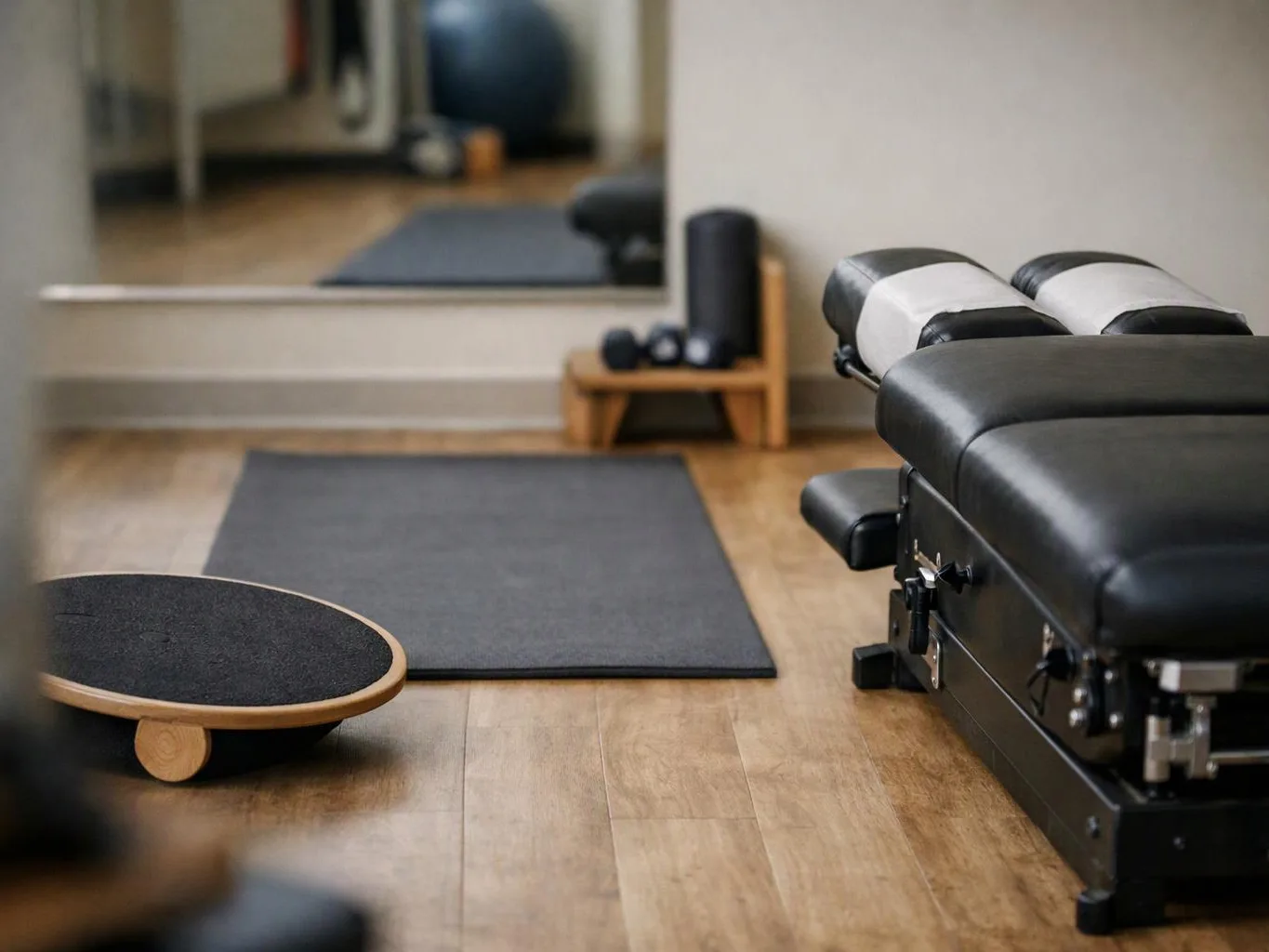
A quiet exercise room shows a massage table, yoga mat, balance board, and mirror on wood flooring

ZIP Codes We Serve in Lebanon, Tennessee

370873708837090

Spinal Decompression Therapy in Other Areas

The health and wellness information on this website is for general informational purposes only and is not medical advice. It does not create a provider-patient relationship. Always consult a qualified licensed provider in Hermitage, Tennessee, United States about your specific condition before making care decisions. Individual results vary.

(615) 265-0412