Skip to content

Spinal Decompression Therapy in Ridgetop, Tennessee

Bulging discs can create pressure that changes how you move in Ridgetop. We assess your symptoms before matching spinal decompression therapy to your care plan.

Upfront, Transparent PricingServing 23 CommunitiesMon-Fri: 9 am–7 pm, Sat: 9 am–2 pm, Sun: ClosedFast Scheduling

Quick Summary: Spinal Decompression Care in Ridgetop, Tennessee

Spinal decompression therapy in Ridgetop is provided by Advanced Injury Care Clinic for back pain, sciatica, disc concerns, and related musculoskeletal conditions. Care begins with a thorough evaluation and an individualized treatment plan.

  • What we do: Advanced Injury Care Clinic provides spinal decompression therapy for patients in Ridgetop, Tennessee, after a thorough evaluation.
  • What is included: Evaluation, personalized care plans, spinal decompression, chiropractic adjustments, therapeutic exercise, soft tissue therapy, and rehabilitative care.
  • What you get: The patient receives a care plan matched to symptoms, goals, and daily activity.

Can spinal decompression therapy address pain from bulging discs?

Bulging discs may contribute to back pain, sciatica, or nerve pressure. Spinal decompression therapy is considered after an exam, and individual response differs.


Spinal Decompression Therapy for Disc-Related Pain in Ridgetop

Spinal decompression therapy may suit people with back pain, sciatica, or symptoms linked to disc irritation. The service does not fit every condition, so our team starts with a health history and exam.

The main decision is whether controlled unloading belongs in your care plan. We consider your symptoms, movement, goals, and lifestyle, then explain which treatments may fit. Care may also include adjustments, therapeutic exercises, soft tissue techniques, or rehabilitative care.

Ridgetop patients can request an assessment through our Hermitage-area practice. Advanced Injury Care Clinic also serves Donelson, Mount Juliet, Old Hickory, Madison, and nearby Middle Tennessee communities.

  • Ask whether your symptoms fit spinal decompression therapy after the health history and exam.
  • Discuss sciatica, nerve pressure, prior injuries, and changes in daily movement.
  • Review how adjustments, exercises, soft tissue therapy, or decompression may fit together.
  • Ask how progress will be checked during later visits.
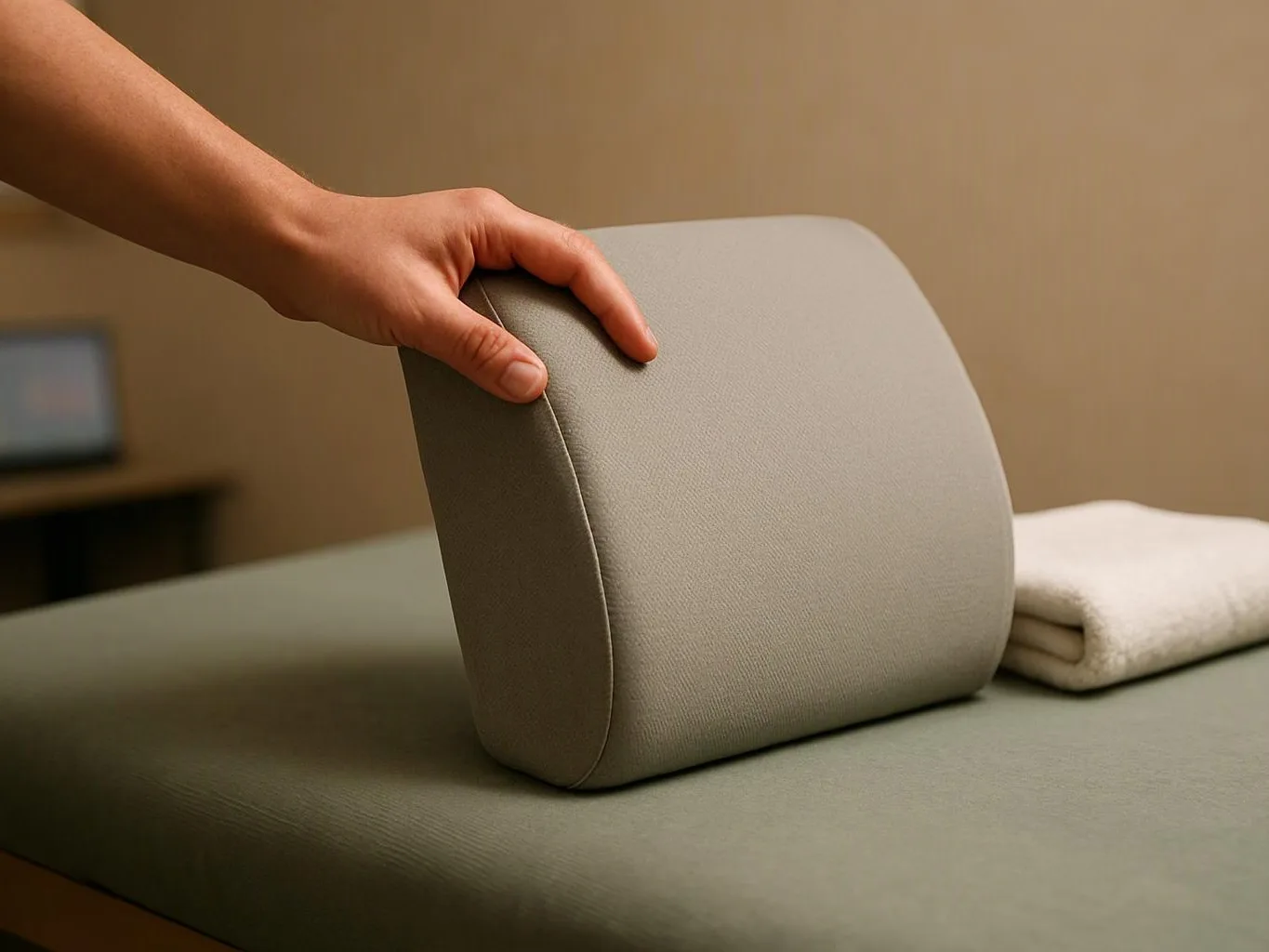
Folded white towels sit beside a cream neck pillow and a woven basket on a soft surface

Service Overview

Spinal decompression therapy is a non-surgical treatment approach that uses controlled spinal unloading to address selected back and leg symptoms.

  • Chiropractic adjustments change joint motion, while decompression focuses on controlled traction through a decompression table.
  • Advanced Injury Care Clinic provides this care for patients in Ridgetop and surrounding Nashville-area communities.

What Spinal Decompression Therapy Includes for Your Care Plan

Advanced Injury Care Clinic provides comprehensive Spinal Decompression Therapy in Ridgetop. Here's what you get:

  • A new patient intake records your symptoms, health history, and treatment goals.
  • A thorough examination helps us assess movement and the areas linked to your discomfort.
  • Spinal decompression therapy uses controlled traction through a spinal decompression table.
  • Your care plan may combine decompression with chiropractic adjustments or soft tissue therapy.
  • Therapeutic exercises may support movement between visits.
  • A progress re-examination helps us review how your condition is responding.

How We Approach Spinal Decompression Therapy Decisions

Match care to the exam

Your symptoms and health history guide the plan. We don't place every patient on the same treatment path.

Explain the treatment choice

We describe how decompression, adjustments, exercises, or soft tissue therapy may fit your needs before care begins.

Know when another evaluation matters

Spinal decompression therapy is the wrong job when your symptoms require a different medical assessment or treatment path.

A client scenario this service addresses

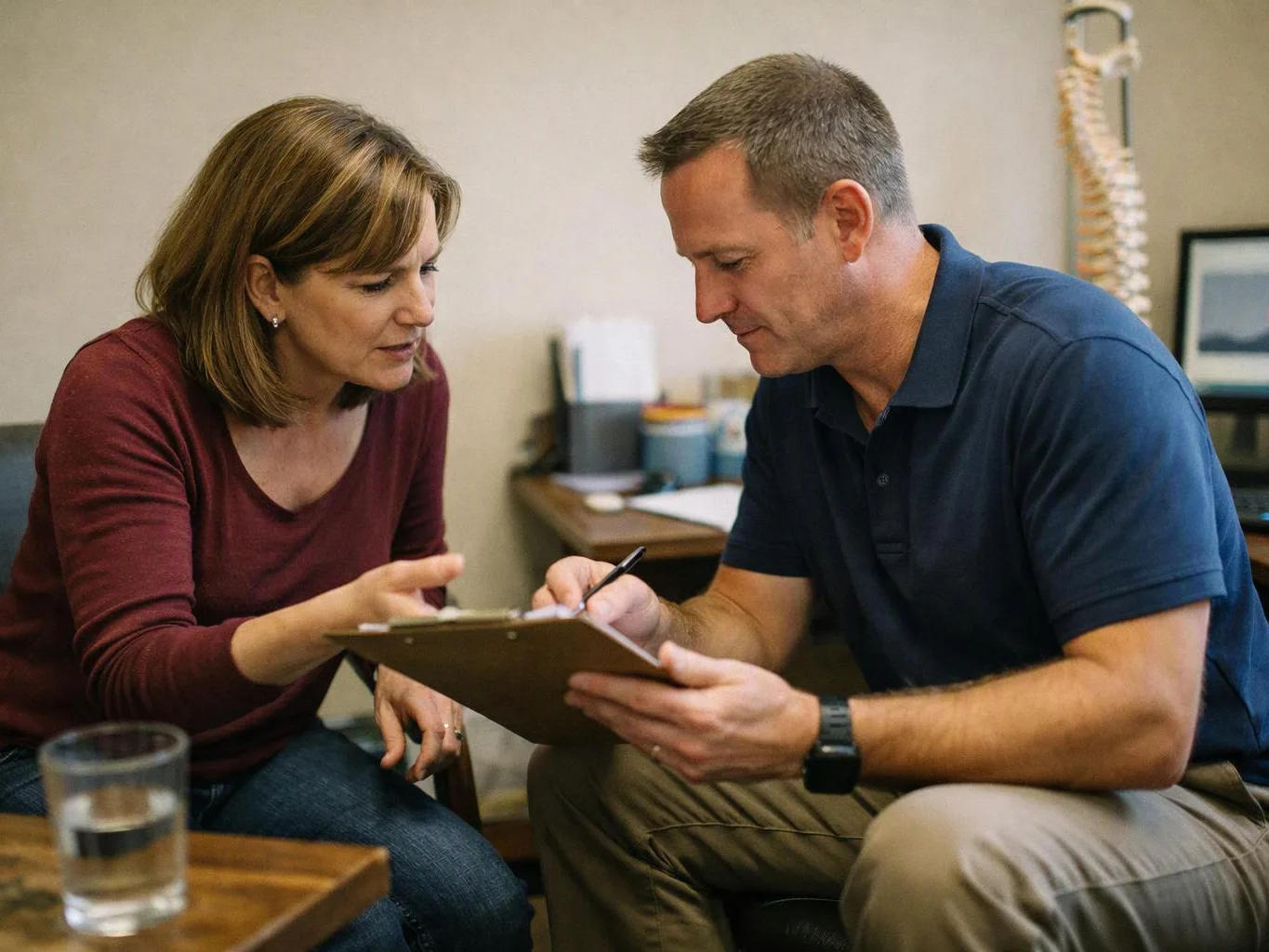
A patient in Ridgetop with back pain and leg symptoms may ask whether disc pressure is involved. We review the health history, examine movement, and discuss whether spinal decompression belongs in the plan. The patient can then compare that option with adjustments, exercises, and rehabilitative care.

Process

How We Plan and Deliver Spinal Decompression Care

1

Complete the new patient intake

We record your health history, symptoms, goals, and relevant injury details before treatment planning.

2

Perform the health history and exam

The exam reviews movement and symptoms that may affect whether spinal decompression therapy fits.

3

Review the report of findings

We explain what the assessment shows and discuss care options in plain language.

4

Set the personalized treatment plan

The plan may combine decompression with adjustments, exercises, soft tissue therapy, or rehabilitative care.

5

Check progress during care

A progress re-examination helps us review your response and decide whether the plan needs changes.

What Spinal Decompression Therapy May Change for Daily Movement

Spinal decompression therapy may help reduce discomfort linked to pressure around the spine.

A focused care plan may help you move with greater comfort during routine activities.

Therapeutic exercises can support strength and movement as care progresses.

A clear exam helps you understand which treatment options fit your symptoms.

Regular maintenance may support ongoing spinal function when it matches your goals.

How Decompression Fits With Related Chiropractic Care

These options use different methods, so the exam helps determine which one belongs in your plan.

Care optionMain methodWhen it may fit
Spinal decompression therapyControlled traction through a decompression tableSelected back, disc-related, or leg symptoms after assessment
Chiropractic adjustmentsHands-on or instrument-assisted changes to joint motionMovement concerns identified during the exam
Therapeutic exercisesPlanned movements that support strength and mobilityRehabilitative care and movement goals

The Advanced Injury Care Clinic Standard

  • Personalized Care
  • Thorough Evaluations
  • Clear Explanations
  • Respectful Environment

Questions About Spinal Decompression Therapy and Disc Pain

What conditions may spinal decompression therapy address?

Bulging discs may contribute to back pain, sciatica, or nerve compression, and spinal decompression therapy may address related symptoms. An exam helps determine fit. Our team reviews your health history, movement, and goals before recommending care. Results vary, so we explain what the treatment can and cannot address during the report of findings.

How is treatment matched to my condition before care starts?

The treatment plan is matched to your symptoms, health history, movement, and goals before care starts. The new patient intake gathers key details. The exam then guides the choice between decompression, adjustments, exercises, soft tissue therapy, or rehabilitative care. We explain the plan before treatment begins.

What should I ask before agreeing to decompression care?

The best questions cover the reason for treatment, the expected care plan, and how progress will be checked. Ask which symptoms the exam connects to the plan. Ask whether exercises or adjustments belong in care. Ask when a progress re-examination will review your response.

Which condition changes the time needed for treatment planning?

The condition and symptom pattern change the time needed for treatment planning. Sciatic pain, nerve compression, prior injuries, and limited movement can affect the assessment. Our team reviews these details during the health history and exam before discussing decompression or related care.

Why might adjustments be included with decompression?

Chiropractic adjustments and decompression address different parts of a care plan. Adjustments change joint motion, while decompression uses controlled traction through a decompression table. Our team may combine them when the exam and your goals support that approach.

Can exercises replace spinal decompression therapy for back pain?

Therapeutic exercises are not automatically a replacement for spinal decompression therapy. Exercises may support strength and movement, while decompression uses controlled traction. We assess your condition first, then explain whether one approach or a combined plan better fits your goals.

Who provides this care for patients in Ridgetop?

Advanced Injury Care Clinic provides spinal decompression therapy for patients in Ridgetop. Our licensed chiropractor begins with a thorough evaluation and creates a personalized care plan. The plan may include decompression, adjustments, exercises, soft tissue techniques, or rehabilitative care.
Contact

Discuss Spinal Decompression Therapy in Ridgetop

Get a care plan that addresses your symptoms, goals, and daily movement. Contact Advanced Injury Care Clinic to discuss spinal decompression therapy and request an assessment.

A tidy massage room shows a treatment bed with folded towels, a stool, and soft lighting

ZIP Codes We Serve in Ridgetop, Tennessee

37152

Spinal Decompression Therapy in Other Areas

The health and wellness information on this website is for general informational purposes only and is not medical advice. It does not create a provider-patient relationship. Always consult a qualified licensed provider in Hermitage, Tennessee, United States about your specific condition before making care decisions. Individual results vary.

(615) 265-0412