Skip to content

Spinal Decompression Therapy in Nashville, Tennessee

A licensed chiropractor uses gradual traction during spinal decompression therapy in Nashville. You'll receive clear guidance about comfort, table movement, and each treatment step.

Upfront, Transparent PricingServing 23 CommunitiesMon-Fri: 9 am–7 pm, Sat: 9 am–2 pm, Sun: ClosedFast Scheduling

Quick Summary: Spinal Decompression Therapy in Nashville, Tennessee

Spinal decompression therapy in Nashville is provided by Advanced Injury Care Clinic for patients with back pain, neck pain, sciatica, and related musculoskeletal concerns. Care includes an evaluation and an individualized plan for patients in Nashville, Hermitage, Donelson, Mount Juliet, Old Hickory, Madison, and nearby Middle Tennessee communities.

  • What we do: Advanced Injury Care Clinic provides Spinal Decompression Therapy for patients in Nashville, Tennessee, after an evaluation of their condition and goals.
  • What is included: Gradual traction, harness placement, table movement, comfort checks, chiropractic evaluation, and personalized treatment planning.
  • What you get: The patient leaves with a clear treatment plan and a better understanding of whether spinal decompression fits their needs.

What should I expect during spinal decompression therapy in Nashville, Tennessee?

Expect an evaluation, harness placement, gradual traction, controlled table movement, and comfort checks. The care plan is adjusted to your condition, goals, and response.


Spinal Decompression Therapy in Nashville for Focused Traction Care

Spinal decompression therapy is designed for patients who want a careful review of back pain, neck pain, sciatica, or certain injury-related symptoms. The work centers on how the spine responds to traction, table movement, and a supported treatment position.

Customers should choose this service after an evaluation, not from a symptom label alone. Our team checks the health history and current concerns, then decides whether spinal decompression belongs in a personalized care plan. Results vary, and this treatment isn't the right fit for every condition.

This page focuses on the visit itself, including harness placement and treatment comfort. That detail helps patients compare a traction-based visit with adjustments, therapeutic exercises, soft tissue therapy, or rehabilitative care.

  • Ask how your health history affects treatment suitability.
  • Discuss back pain, neck pain, sciatica, or injury symptoms during the evaluation.
  • Learn how harness placement and table movement will be handled.
  • Ask how progress will be reviewed as care continues.
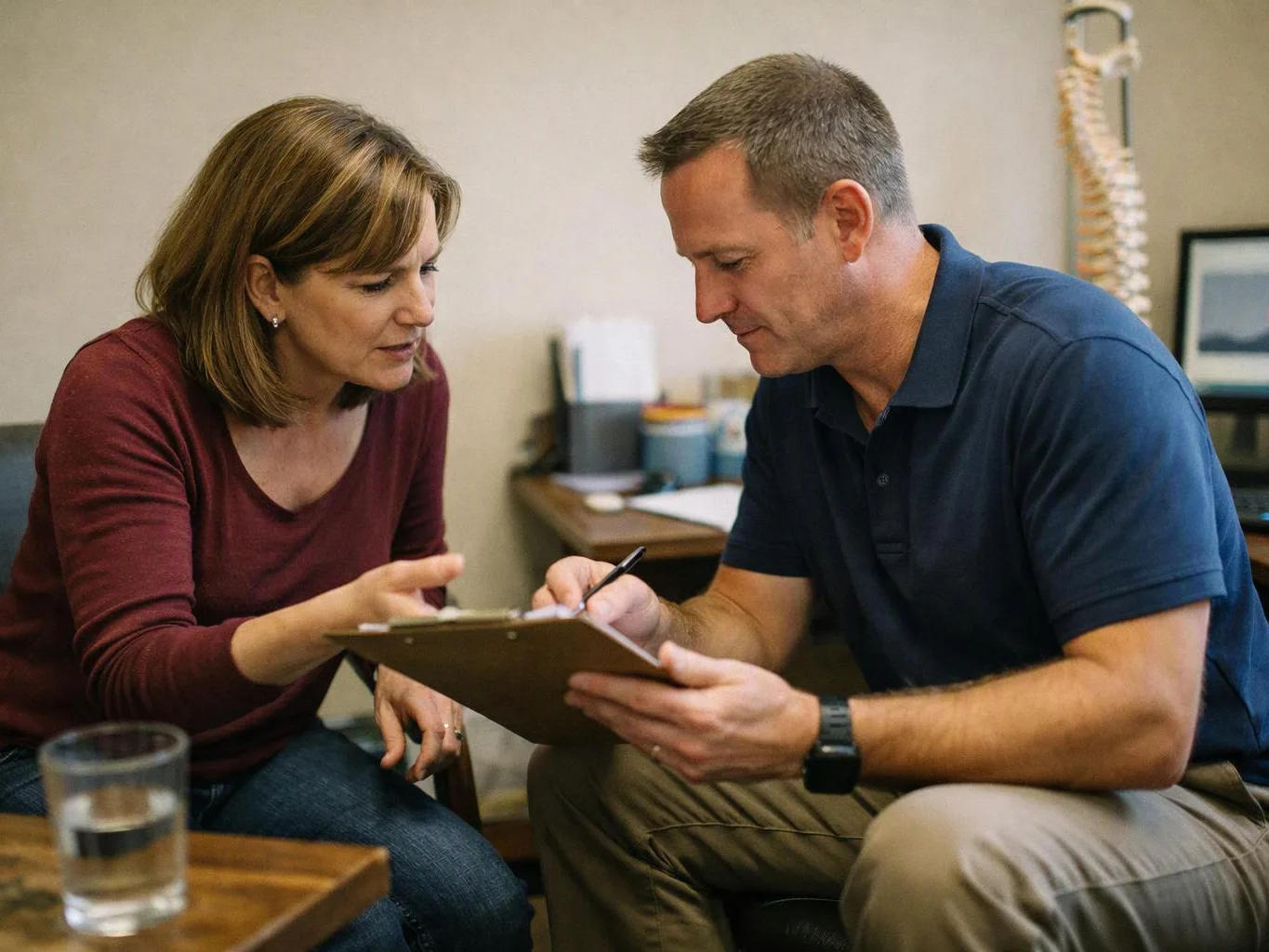
A man takes notes while speaking with a woman seated across from him in a simple room

Service Overview

Spinal decompression therapy is a chiropractic treatment that uses controlled table movement and gradual traction to address pressure-related discomfort in the spine.

  • Unlike a chiropractic adjustment, this care focuses on traction and table motion instead of a quick manual thrust.
  • We provide this treatment for patients in Nashville and nearby communities served by our Hermitage practice.
Process

How a Spinal Decompression Visit Proceeds

1

Review the health history

We discuss symptoms, injury details, daily limits, goals, and relevant health history before treatment.

2

Complete the evaluation

The evaluation helps us decide whether spinal decompression fits your condition and personalized care plan.

3

Place the harness

Harness placement supports the body and prepares you for the traction-based table movement.

4

Apply controlled table movement

The table moves in a controlled way while we monitor your comfort and response.

5

Discuss the next care step

We explain how the visit fits with adjustments, exercises, soft tissue therapy, or rehabilitative care.

How Patients Decide If Spinal Decompression Fits

A plan based on your evaluation

Your health history, symptoms, goals, and lifestyle guide the care plan. Customers should bring up prior injuries and any change in symptoms before treatment begins.

A clear view of the treatment

Patients learn how harness placement, gradual traction, table movement, and comfort checks fit together. This makes the first visit easier to understand.

A useful limit to consider

Spinal decompression isn't the right job for every condition or symptom. We review your concerns first and may shape care around adjustments, exercises, soft tissue therapy, or rehabilitation when those better match your needs.

What Spinal Decompression Therapy Includes

Advanced Injury Care Clinic provides comprehensive Spinal Decompression Therapy in Nashville. Here's what you get:

  • A health history and physical evaluation guide the treatment plan.
  • The care plan addresses your condition, goals, and lifestyle.
  • Harness placement supports the body during the traction-based treatment.
  • Controlled table movement forms part of the spinal decompression session.
  • Comfort checks help the team adjust the treatment approach when needed.
  • Follow-up care may include chiropractic adjustments, exercises, soft tissue therapy, or rehabilitation when appropriate.

What Patients Seek From Spinal Decompression Therapy

Spinal decompression therapy may help reduce discomfort for some patients with back or neck concerns.

The treatment gives patients a structured way to discuss traction-based care before starting.

A personalized plan connects spinal decompression with the patient’s goals and daily activities.

Comfort checks help patients share how the treatment feels during table movement.

Patients may gain support for mobility as part of broader chiropractic care.

Regular maintenance may help some patients stay engaged with their long-term wellness plan.

Spinal Decompression and Related Chiropractic Care

This comparison shows how spinal decompression differs from other services we may include in a care plan.

Care optionMain focusHow fit is decided
Spinal decompression therapyControlled traction and table movementEvaluation, symptoms, goals, and treatment response
Chiropractic adjustmentsManual joint movementHealth history, exam, and the patient’s care needs
Therapeutic exercisesMovement, strength, and support for daily activityGoals, mobility, and the broader rehabilitation plan

The Advanced Injury Care Clinic Standard

  • Personalized Care
  • Thorough Evaluations
  • Clear Explanations
  • Respectful Environment

Questions Patients Ask About Spinal Decompression Therapy

What should I expect during spinal decompression therapy?

Gradual traction starts after the team reviews your condition and positions the harness. The table then moves in a controlled way while we check comfort.

Patients can share concerns during treatment, and our team can explain how the session fits the wider care plan. Individual response differs, so the evaluation guides the approach.

How does a spinal decompression visit move from the first call to the last step?

The visit moves from consultation and health history to evaluation, treatment planning, table care, and follow-up discussion.

Patients first describe symptoms and goals. We then review suitability, explain harness placement, monitor comfort, and discuss whether adjustments, exercises, or rehabilitation belong in the plan.

Which part of the treatment changes how long the visit takes?

The evaluation, treatment plan, table movement, and added care needs affect the visit length.

A patient who needs more discussion or a broader plan may need more time than someone receiving a focused session. We explain the expected steps during the consultation instead of promising a fixed duration.

How can I tell whether spinal decompression therapy fits my symptoms?

An evaluation decides whether spinal decompression fits your symptoms, health history, and goals.

Back pain, neck pain, sciatica, and injury-related concerns can have different causes. We review the full picture and may include exercises, adjustments, soft tissue therapy, or rehabilitative care when those better match your needs.

Which warning signs should I discuss before treatment?

New, severe, worsening, or unusual symptoms should be discussed before spinal decompression begins.

Tell us about changes in strength, sensation, movement, or pain, along with recent injuries and relevant health history. The evaluation helps determine the safest next step for your care.

What should I bring to my first appointment?

Bring your health history, a list of current concerns, and details about any recent injury.

Patients should describe what makes symptoms better or worse and share their care goals. These details help us build an individualized plan and explain whether traction-based care fits.
Contact

Discuss Spinal Decompression Therapy in Nashville

Are you unsure whether traction-based care fits your symptoms? Contact Advanced Injury Care Clinic to request a free consultation and discuss your goals with our team.

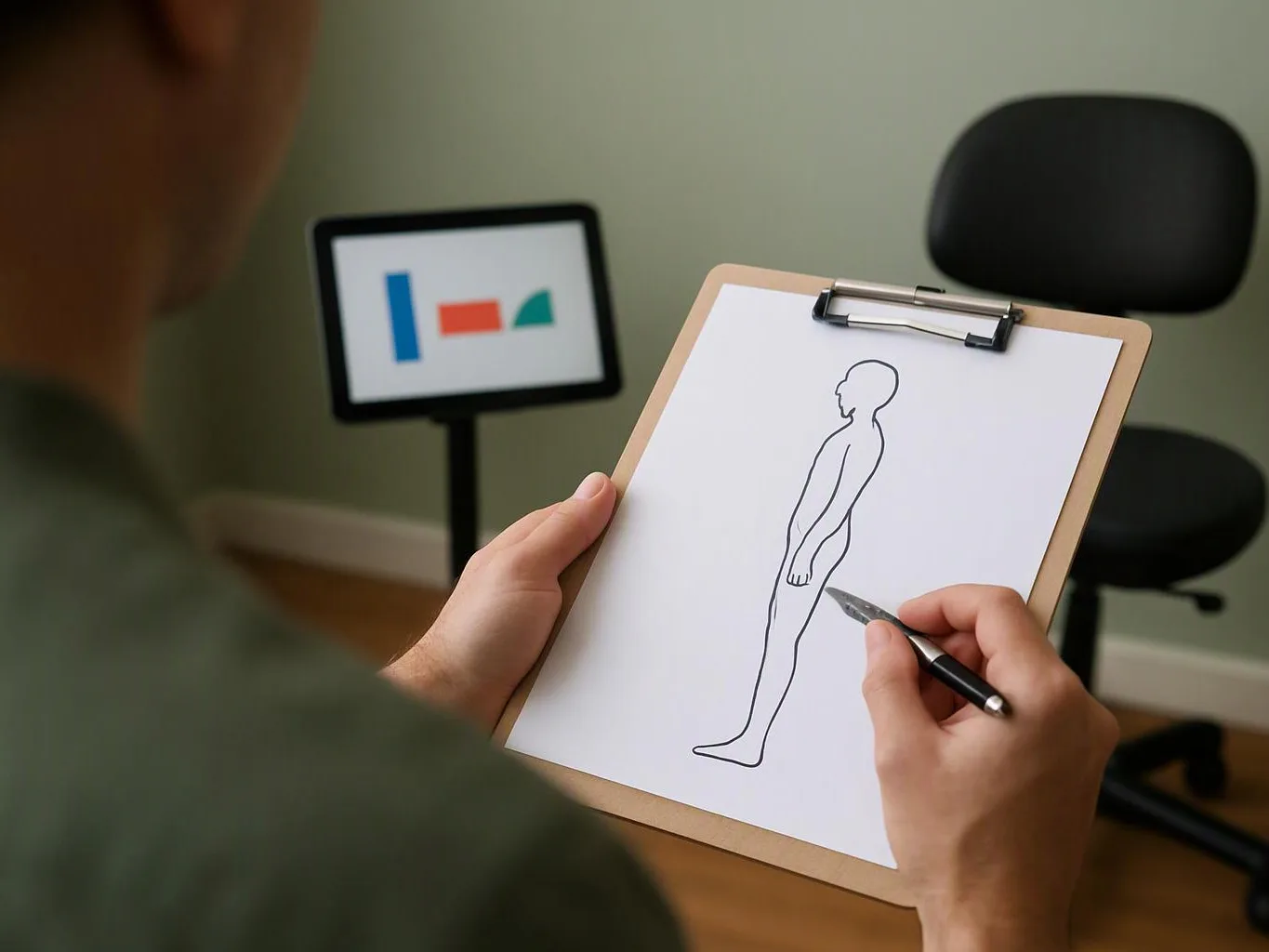
A therapist points to a posture diagram on a clipboard while speaking to a seated person in a clinic

ZIP Codes We Serve in Nashville, Tennessee

39 ZIP codes — show all
372013720237203372043720537206372073720837209372103721137212372133721437215372163721737218372193722037221372223722437227372283722937230372323723437235372363723837240372413724237243372443724637250

The health and wellness information on this website is for general informational purposes only and is not medical advice. It does not create a provider-patient relationship. Always consult a qualified licensed provider in Hermitage, Tennessee, United States about your specific condition before making care decisions. Individual results vary.

(615) 265-0412