Glossary

What is Ligament Sprain?

Ligament Sprain is an injury to a ligament, the tough band of tissue connecting bones at a joint, caused by overstretching or tearing. Ligament Sprains typically occur during sudden twists, falls. Or impacts that force a joint beyond its normal range of motion, leading to pain, swelling. And reduced stability.

Reviewed by Advanced Injury Care ClinicSources reviewed: American Academy of Orthopaedic Surgeons, Mayo Clinic

Quick Facts About Ligament Sprain

Category

Soft tissue injury

Used for

Connecting bones and stabilizing joints

Common confusion

Often mistaken for muscle strains or fractures

Also called

Sprain, Joint Sprain

Often discussed with

Work Injury Treatment, Personal Injury Chiropractic Care

Key Takeaways About Ligament Sprain

Understanding Ligament Sprain
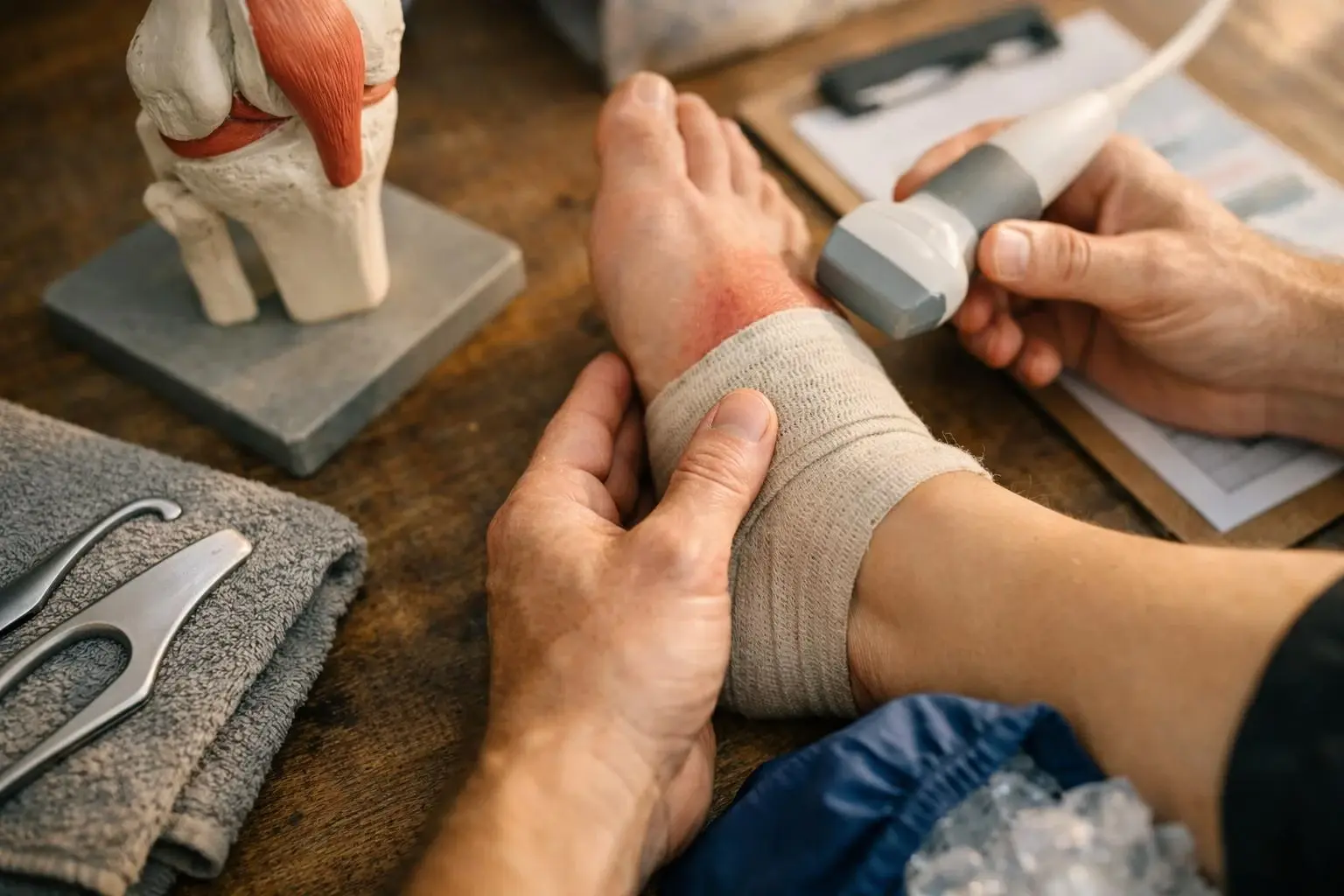
Ligament Sprain in Chiropractor: Ligament Sprain is an injury to a ligament, the tough band of—visual guide

A ligament sprain is a common injury that affects the ligaments, which are strong, flexible bands of tissue that connect bones to other bones at joints. These ligaments help stabilize joints and prevent excessive movement. When a joint is forced into an unnatural position—such as during a sudden twist, fall. Or impact—the ligament can stretch too far or tear. This results in a sprain, which can range from mild to severe depending on the extent of the damage.

Related glossary terms: Soft Tissue Injury, Muscle Strain, Rest Ice Compression Elevation.

Sprains are most often seen in joints that bear weight or endure frequent stress, such as ankles, knees. And wrists. For example, rolling an ankle while walking on uneven ground or landing awkwardly after a jump can cause a sprain. The severity of a sprain is typically classified into three grades: Grade 1 (mild stretching), Grade 2 (partial tearing). And Grade 3 (complete tear). Each grade comes with increasing levels of pain, swelling. And joint instability.

How Ligament Sprains Are Diagnosed and Treated?

Diagnosing a ligament sprain usually begins with a physical examination by a healthcare provider. They will assess the affected joint for swelling, tenderness. And range of motion. In some cases, imaging tests like X-rays or MRI scans may be used to rule out fractures or more severe soft tissue damage. X-rays can show bone alignment. While an MRI provides a detailed view of ligaments, tendons. And other soft tissues.

In practice, Treatment for a ligament sprain focuses on reducing pain, swelling. And restoring function. The most common approach is known as the RICE method: Rest, Ice, Compression. And Elevation. Resting the injured joint prevents further damage. While ice reduces swelling and numbs pain. Compression with an elastic bandage helps control swelling. And elevating the joint above heart level encourages fluid drainage. Over-the-counter pain relievers like ibuprofen or acetaminophen may also be recommended for pain management.

For more severe sprains, additional treatments may be necessary. Physical therapy can help strengthen the muscles around the joint and improve flexibility. In rare cases, surgery may be required to repair a completely torn ligament, especially if the joint remains unstable or if other structures are damaged. Recovery time varies depending on the severity of the sprain, ranging from a few days for mild sprains to several months for severe injuries.

Why Ligament Sprains Matter?
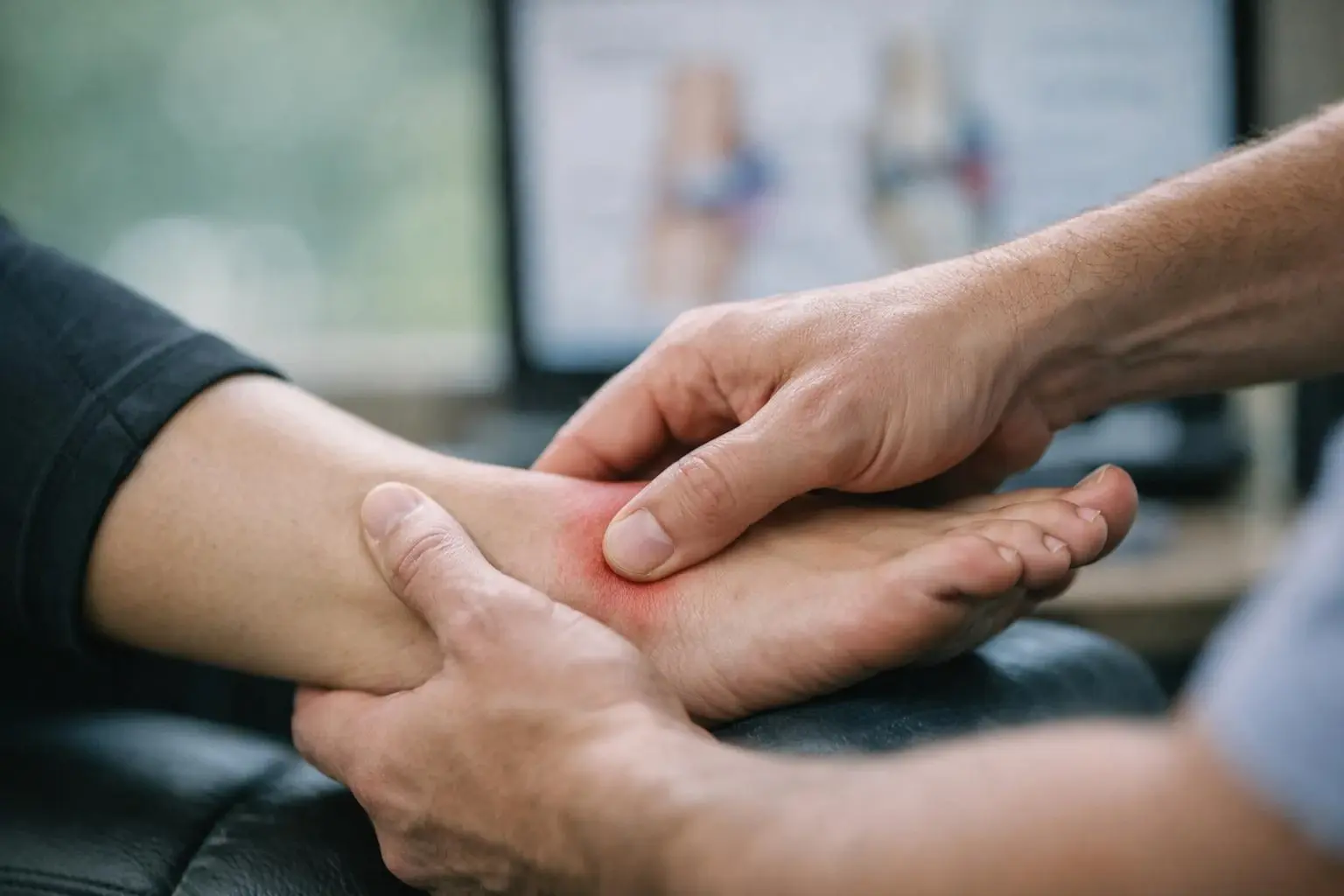
How Ligament Sprain applies to Chiropractor services in Hermitage, United States—practical illustration

Ligament sprains are more than just a temporary inconvenience—they can have long-term consequences if not properly managed. A sprained ligament weakens the joint, making it more susceptible to future injuries. For example, repeated ankle sprains can lead to chronic ankle instability, which increases the risk of falls and further damage. And untreated sprains can cause persistent pain, stiffness. Or even arthritis in the affected joint over time.

Beyond the physical impact, sprains can disrupt daily activities, work. And sports participation. Athletes, for instance, may face prolonged downtime, affecting their performance and career. For workers in physically demanding jobs, a sprain can mean lost wages or difficulty performing tasks safely. Understanding how to prevent and manage sprains can help individuals avoid these complications and maintain an active, healthy lifestyle.

When Ligament Sprains Matter Most?

Ligament sprains are particularly important in situations where joint stability and mobility are critical. Athletes, for example, are at high risk for sprains due to the demands of their sports, such as sudden stops, jumps. Or changes in direction. Proper warm-up, stretching. And strength training can help reduce the risk of sprains in these settings. Similarly, individuals who engage in physical labor or repetitive movements, such as construction workers or dancers, should be aware of the signs of a sprain and take precautions to avoid injury.

Sprains also matter in everyday life, where simple activities like walking, climbing stairs. Or carrying groceries can become difficult. Older adults, in particular, may experience slower healing and increased risk of complications from sprains. Preventive measures, such as wearing supportive footwear, using assistive devices like canes or braces. And maintaining muscle strength, can help reduce the likelihood of sprains in these populations. And individuals recovering from a sprain should follow their healthcare provider’s recommendations to avoid reinjury and ensure a full recovery.

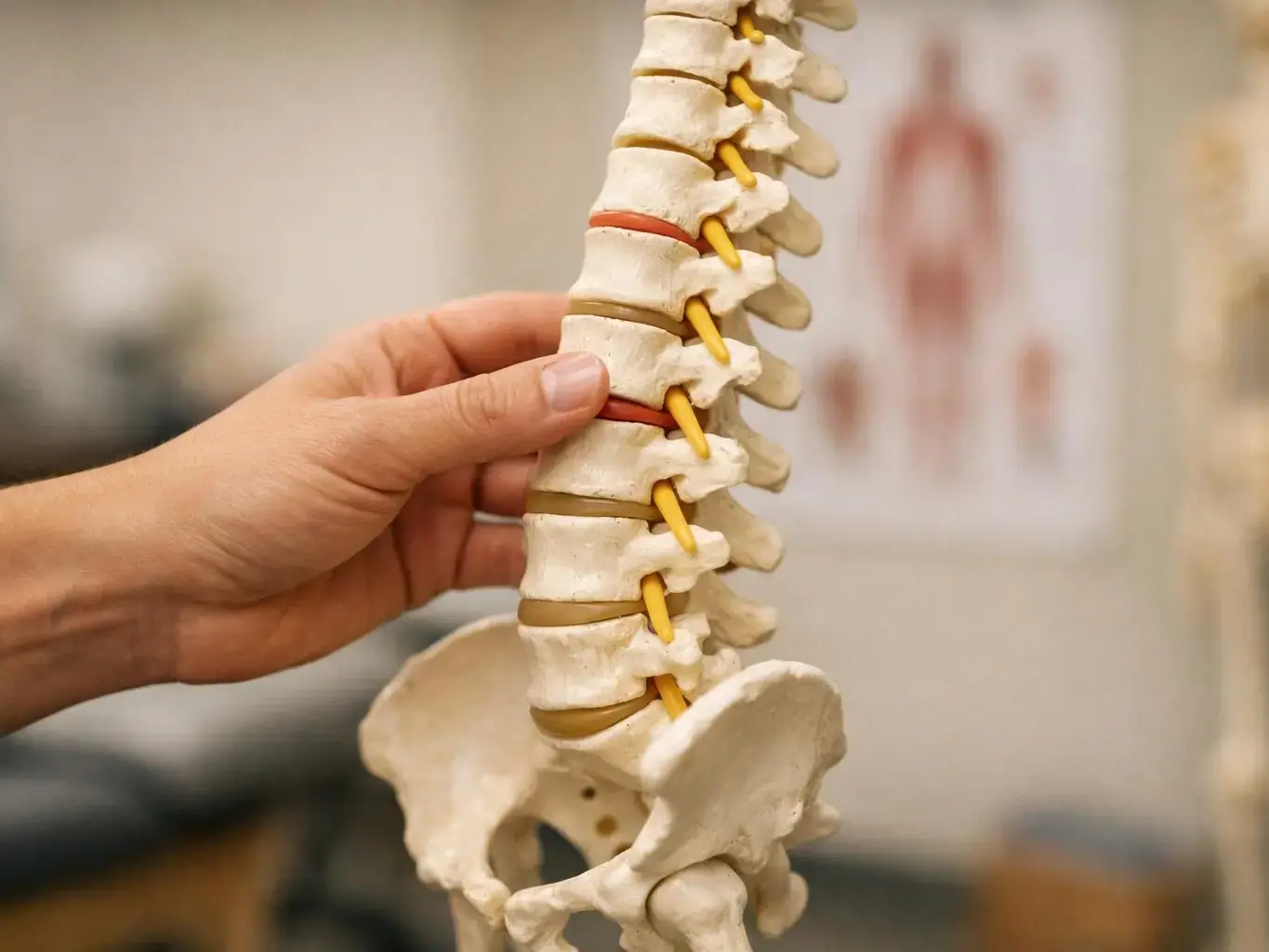
How to Evaluate Ligament Sprain?

Related Concepts Compared

Ligament Sprain vs. Muscle Strain

A muscle strain involves overstretching or tearing of muscle fibers. While a ligament sprain affects the connective tissue between bones.

Ligament Sprain vs. Fracture

A fracture is a break in a bone, whereas a sprain is damage to the ligaments that connect bones.

Expert Note

Even mild sprains can lead to long-term joint instability if not properly rehabilitated. Early mobilization and targeted exercises help restore strength and prevent future injuries.

Common Mistakes or Myths About Ligament Sprain

  • Assuming all joint pain is a sprain—fractures or dislocations can cause similar symptoms.
  • Returning to activity too soon, which can worsen the injury or lead to reinjury.
  • Ignoring mild sprains, which can result in chronic joint instability over time.
  • Using heat instead of ice immediately after injury, which can increase swelling.

Ligament Sprain in Practice: A Real-World Example

A basketball player lands awkwardly after a jump, rolling their ankle. They feel a sharp pain, followed by swelling and bruising. After resting and icing the ankle, they visit a healthcare provider, who diagnoses a Grade 2 sprain. The player follows a rehabilitation plan to regain strength and stability before returning to the court.

Sources & Further Reading on Ligament Sprain

  • American Academy of Orthopaedic Surgeons
  • Mayo Clinic
  • National Institute of Arthritis and Musculoskeletal and Skin Diseases

Related Services

Related Terms

Soft Tissue Injury

Soft Tissue Injury is damage to the muscles, tendons, ligaments. Or other non-bony parts of the body caused by sudden trauma, overuse. Or repetitive stress. Soft Tissue Injury often results in pain, swelling, bruising. Or limited movement and can occur during sports, accidents. Or daily activities. Proper care helps healing and prevents long-term problems.

Muscle Strain

Muscle Strain is an injury that occurs when muscle fibers stretch or tear due to overuse, sudden force. Or improper movement. Muscle Strains often cause pain, swelling. And limited mobility, commonly affecting the back, neck, legs. Or shoulders. They range from mild discomfort to severe tears requiring medical attention.

Rest Ice Compression Elevation

Rest Ice Compression Elevation is a first-aid treatment method used to reduce pain, swelling. And tissue damage after acute injuries like sprains, strains. Or bruises. It combines four steps: resting the injured area, applying ice to reduce inflammation, wrapping it with compression to limit swelling. And elevating it above heart level to improve blood flow and drainage.

Physical Rehabilitation

Physical Rehabilitation is a structured process designed to help individuals recover strength, mobility. And function after injury, surgery. Or illness. Physical Rehabilitation involves exercises, manual therapies. And education to reduce pain, restore movement. And prevent future problems. It's often guided by licensed professionals such as chiropractors, physical therapists. Or physicians to ensure safety and effectiveness.

Disc Herniation

Disc herniation is a spinal condition where the soft, gel-like center of an intervertebral disc pushes through a tear in the disc’s tougher outer layer. This can irritate nearby nerves, causing pain, numbness. Or weakness in the back, neck, arms. Or legs. Disc herniation often results from aging, injury. Or repetitive strain on the spine.

Advanced Injury Care Clinic

Have Questions About Ligament Sprain?

Contact Advanced Injury Care Clinic for practical guidance on Ligament Sprain and related chiropractor work in Hermitage.

+1 615-777-0624