Understanding Disc Herniation

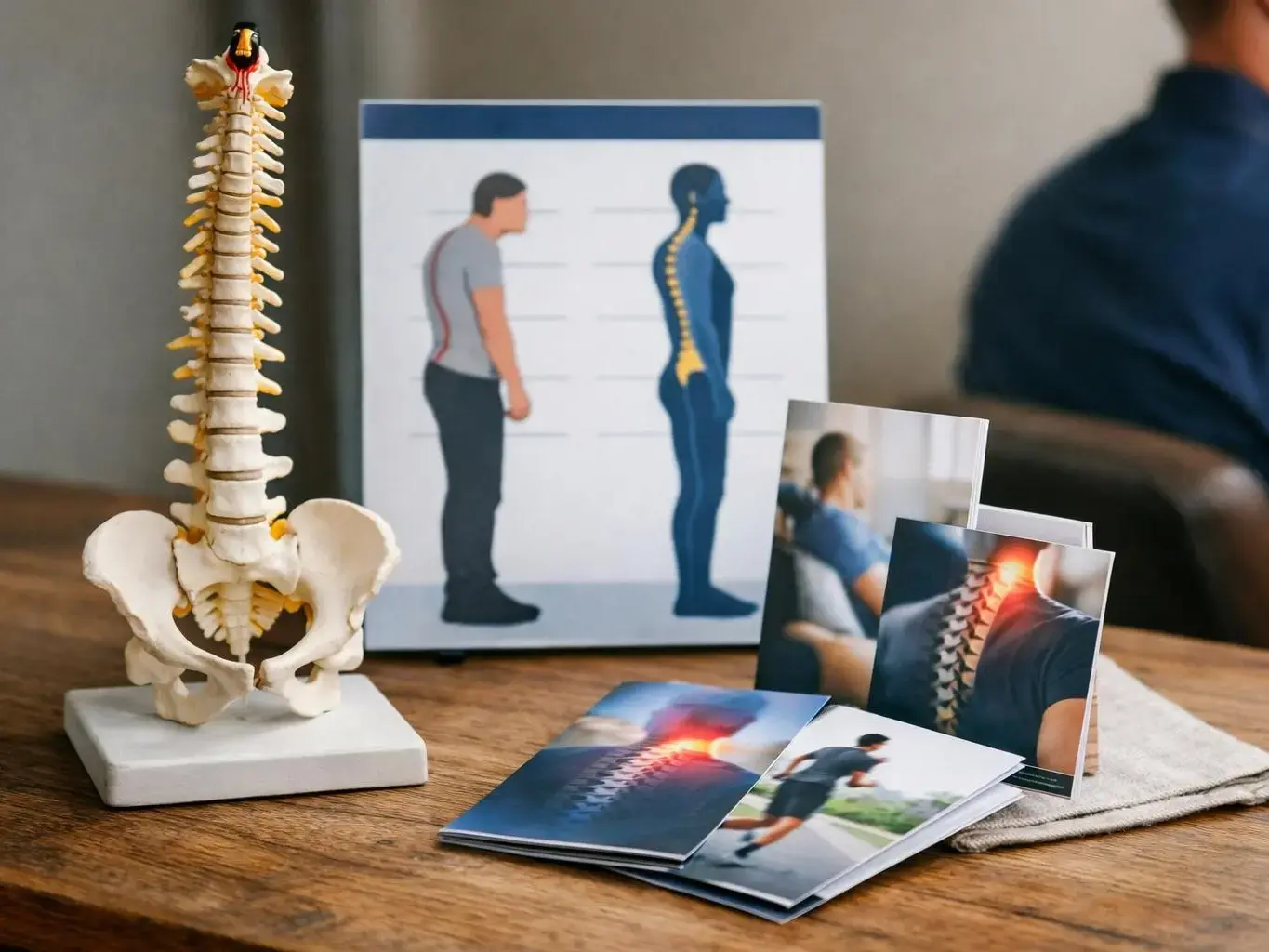
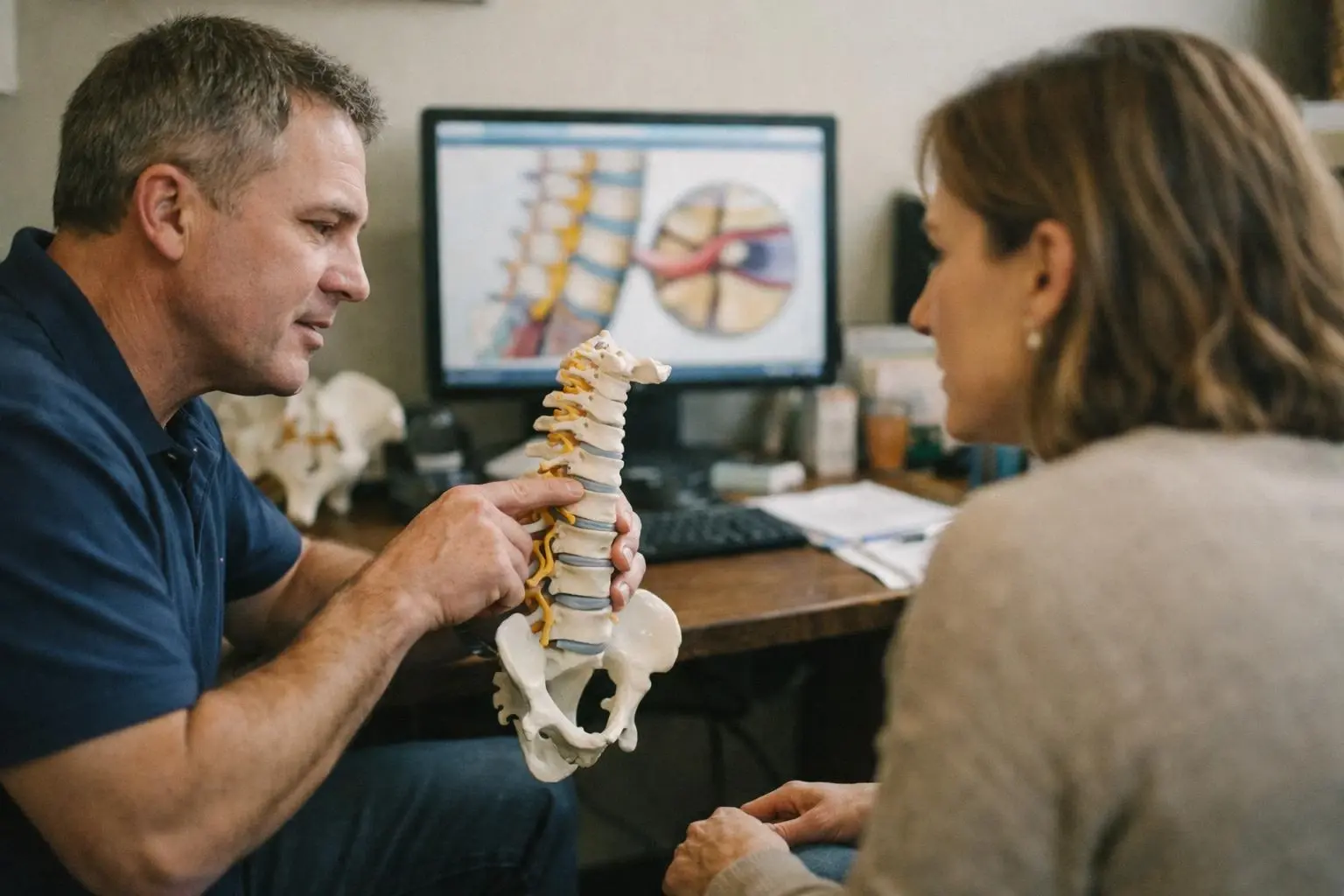
Disc herniation occurs when the soft inner material of a spinal disc escapes through a tear in its outer layer. The spine is made up of vertebrae. And between each vertebra lies an intervertebral disc that acts as a cushion. These discs have a tough, fibrous outer ring called the annulus fibrosus and a gel-like center called the nucleus pulposus. When the outer ring weakens or tears, the inner gel can bulge outward, pressing on nearby nerves or the spinal cord itself. This pressure can cause pain, numbness. Or weakness in the area served by the affected nerve.
Related glossary terms: Intervertebral Disc, Spinal Adjustment, Decompression Therapy.
While disc herniation can happen anywhere along the spine, it most commonly affects the lower back (lumbar spine) and the neck (cervical spine). The lumbar spine bears much of the body’s weight and is frequently involved in bending, lifting. And twisting motions, making it more vulnerable to injury. Similarly, the cervical spine supports the head and allows for a wide range of motion, increasing the risk of disc damage over time. Aging is a natural factor in disc herniation because discs lose water content and become less flexible, making them more prone to tears.
How Disc Herniation Works?
Disc herniation typically begins with a small tear in the outer layer of the disc. This tear can occur suddenly, such as during a fall or heavy lifting. Or develop gradually due to repetitive stress or poor posture. Once the tear forms, the inner gel-like material can push through the weakened area, creating a bulge or herniation. If this bulge presses on a nerve root or the spinal cord, it can disrupt nerve signals, leading to symptoms like sharp pain, tingling. Or muscle weakness in the arms or legs.
A common issue is Diagnosing disc herniation often involves a physical exam and imaging tests. A chiropractor or doctor may check for areas of tenderness, muscle strength. And reflexes to determine if a nerve is being compressed. Imaging techniques like magnetic resonance imaging (MRI) or X-rays can provide a detailed view of the spine, confirming the location and severity of the herniation. These tests help rule out other conditions, such as fractures, tumors. Or arthritis, which can cause similar symptoms.
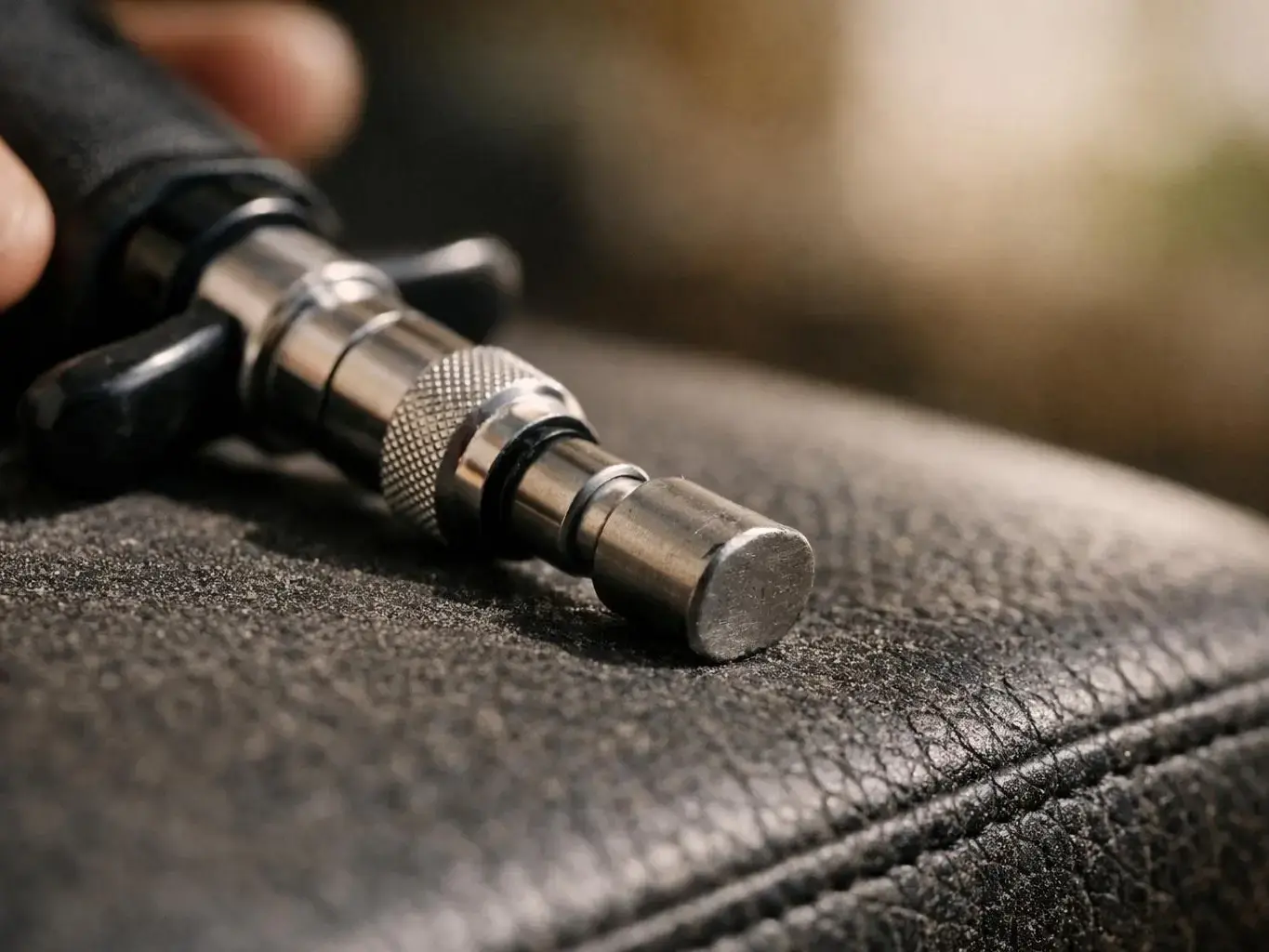
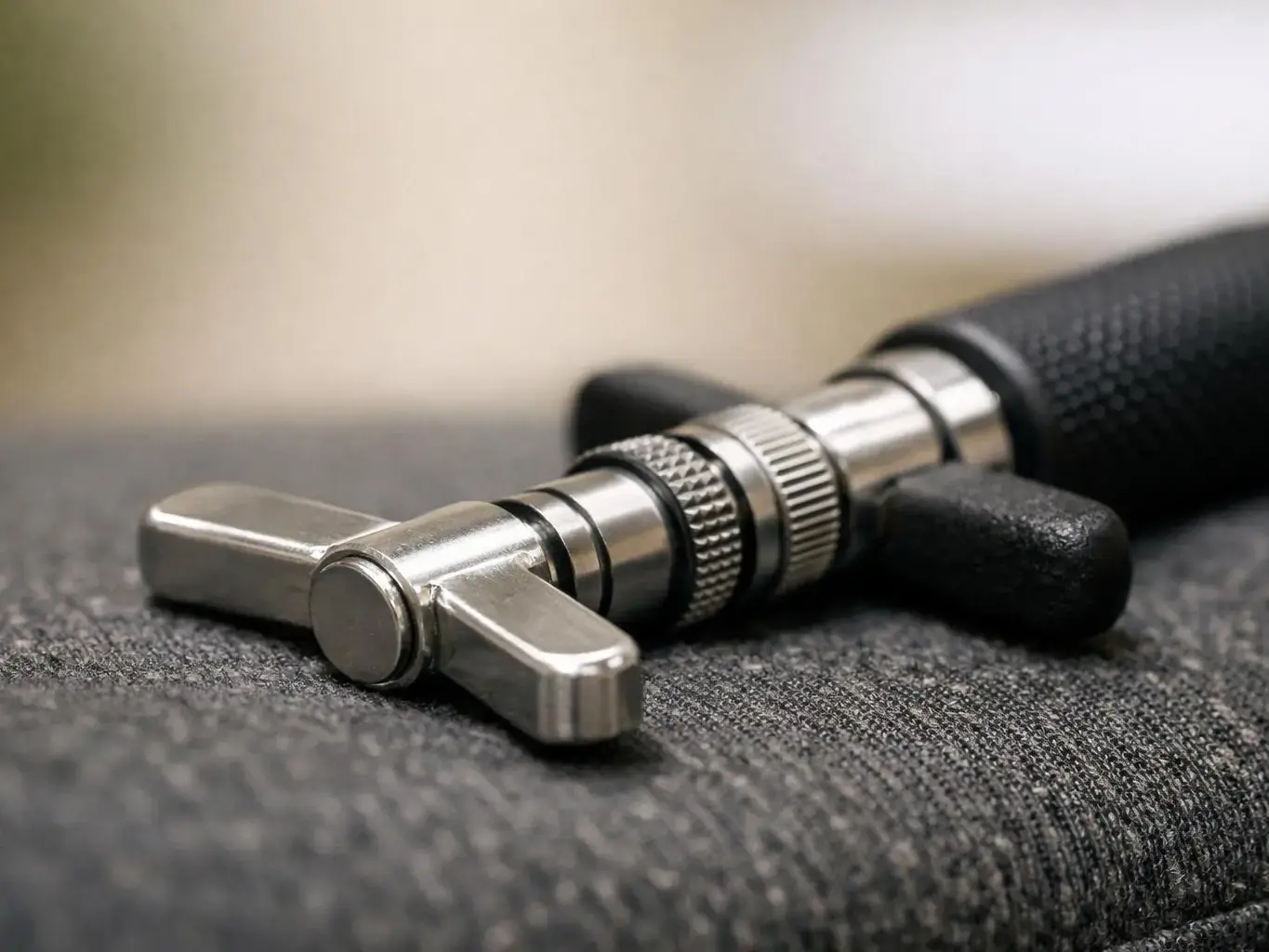
Most disc herniations don't require surgery. Non-surgical treatments focus on relieving pain and improving mobility. Chiropractic care, for example, may include spinal adjustments, decompression therapy. Or exercises to reduce pressure on the affected disc. Physical therapy can strengthen the muscles supporting the spine. While medications like anti-inflammatories or pain relievers may help manage symptoms. In severe cases where symptoms persist despite conservative treatment, surgery may be considered to remove the herniated portion of the disc and relieve nerve pressure.
Why Disc Herniation Matters?
Disc herniation matters because it can significantly impact a person’s quality of life. Pain, numbness. Or weakness in the back, neck, arms. Or legs can limit daily activities, such as sitting, standing, walking. Or lifting. For some, the symptoms may be mild and resolve with rest and self-care. While for others, the pain can be debilitating, affecting work, sleep. And overall well-being. Early diagnosis and treatment are key to preventing long-term nerve damage and avoiding more invasive interventions like surgery.
Beyond the physical symptoms, disc herniation can also have emotional and financial consequences. Chronic pain can lead to stress, anxiety. Or depression. While missed workdays or medical expenses can create financial strain. Understanding the condition and its treatment options empowers individuals to make informed decisions about their care. For example, knowing that most disc herniations improve with non-surgical treatments can provide reassurance and encourage patients to explore conservative therapies before considering surgery.
When Disc Herniation Matters Most?
Disc herniation becomes particularly important in situations where symptoms worsen or fail to improve with time. For instance, if pain spreads down the legs (sciatica) or into the arms, it may indicate significant nerve compression that requires prompt attention. Similarly, if symptoms include loss of bladder or bowel control, numbness in the groin area. Or severe muscle weakness, these could be signs of a rare but serious condition called cauda equina syndrome, which requires emergency medical care.
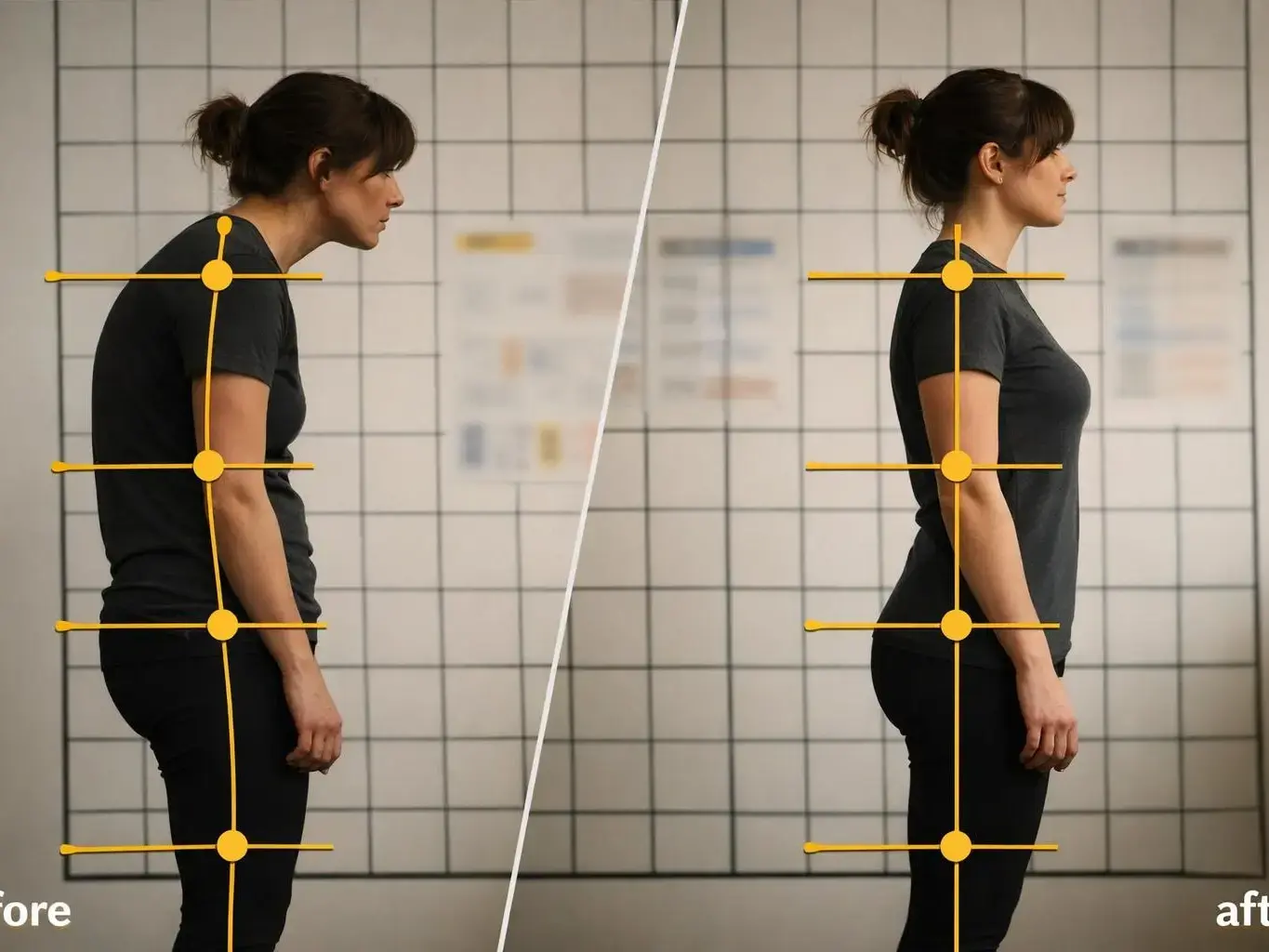
Disc herniation also matters most for individuals whose jobs or lifestyles involve heavy lifting, repetitive motions. Or prolonged sitting. Workers in construction, healthcare. Or office settings, for example, may be at higher risk due to the physical demands of their roles. Athletes, especially those in contact sports or activities involving twisting motions, are also more susceptible to disc injuries. In these cases, preventive measures like proper lifting techniques, ergonomic adjustments. And regular exercise can help reduce the risk of disc herniation or manage symptoms if they occur.
For residents of Hermitage, TN, disc herniation is a relevant concern due to the area’s active workforce and aging population. Many local jobs involve physical labor, driving. Or desk work, all of which can contribute to spinal stress. And the region’s healthcare providers, including chiropractors, are equipped to offer non-surgical treatments that can help manage disc herniation symptoms effectively.