Understanding Rest Ice Compression Elevation
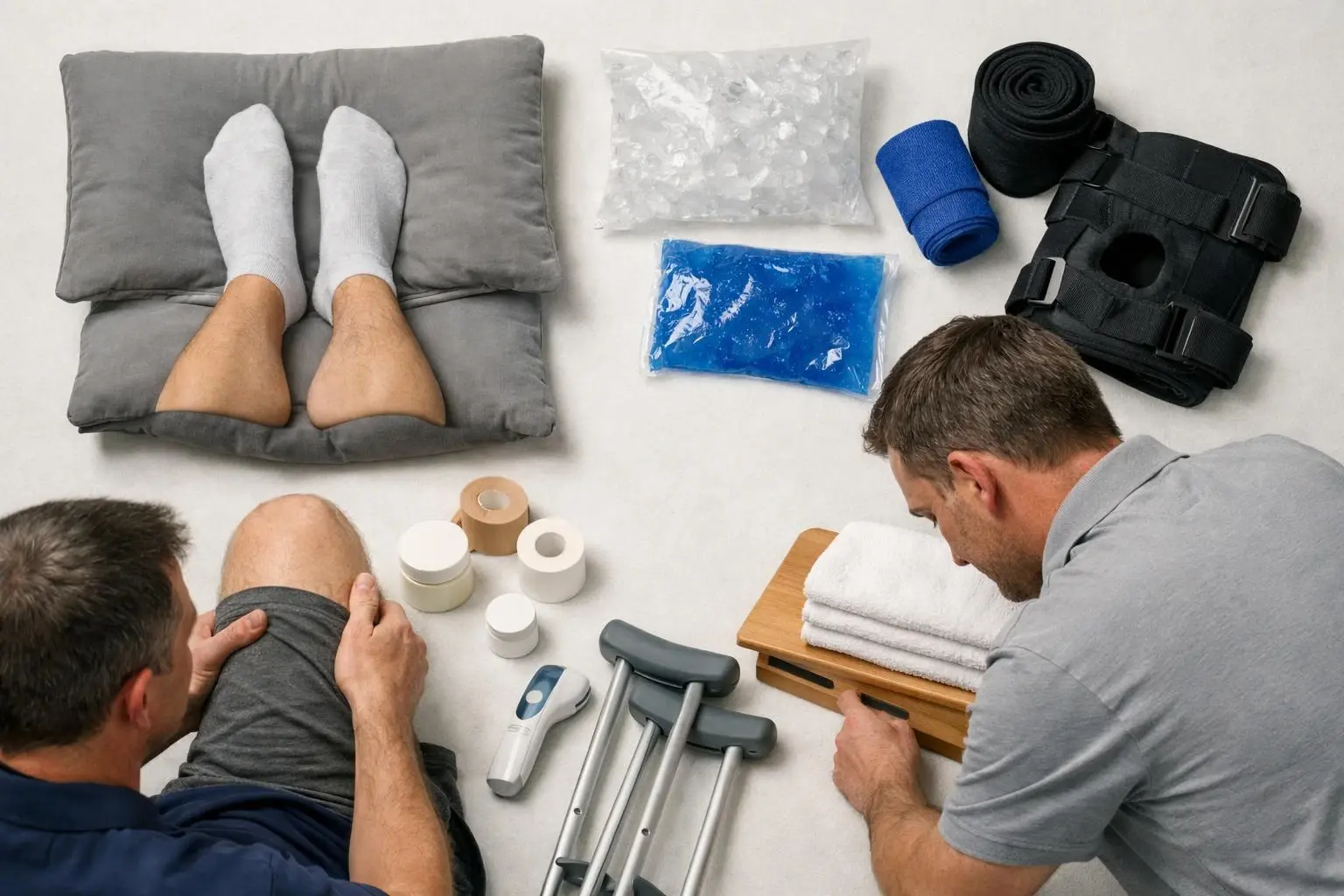
Rest Ice Compression Elevation, often called RICE, is a simple and effective way to manage minor injuries at home or on the field. The method was developed to help the body heal itself by controlling the natural swelling and pain that follow an injury. Swelling is the body’s way of protecting the area. But too much swelling can slow healing and cause more pain. RICE helps keep swelling in check while supporting the injured tissue.
Related glossary terms: Soft Tissue Injury, Ligament Sprain, Muscle Strain.
This approach is most useful for soft-tissue injuries like sprained ankles, pulled muscles. Or bruises. These injuries happen when ligaments, muscles. Or tendons stretch or tear, often during sports, falls. Or accidents. RICE doesn't require special tools or medications, making it accessible for anyone to use right after an injury occurs. While RICE can help with mild to moderate injuries, it's not meant for broken bones, deep cuts. Or injuries that cause severe pain, numbness. Or deformity. In those cases, medical attention is needed.
How Rest Ice Compression Elevation Works?
Each part of RICE plays a specific role in healing. Rest means avoiding activities that stress the injured area. This gives the body time to start repairing damaged tissues without further strain. In practical terms, moving too soon can worsen the injury and delay recovery. For example, if you sprain your ankle, resting means staying off it and avoiding running or jumping.
Ice helps by narrowing blood vessels, which reduces blood flow to the injured area. Less blood flow means less swelling and inflammation. Ice also numbs the area, which can ease pain. To use ice safely, wrap it in a thin towel or cloth before placing it on the skin. Direct contact can cause frostbite. Ice should be applied for 15 to 20 minutes at a time, with at least 45 minutes between applications. This cycle can be repeated several times a day during the first 48 hours after the injury.
A common issue is Compression involves wrapping the injured area with an elastic bandage. The bandage should be snug but not too tight—it should not cause tingling, numbness. Or increased pain. Compression helps limit swelling by preventing fluid from building up in the injured tissue. The result matters. Elevation means raising the injured area above the level of the heart. This helps fluid drain away from the injury, reducing swelling and pain. For example, if you injure your knee, you might lie down and prop your leg up on pillows so your knee is higher than your chest.
Why Rest Ice Compression Elevation Matters?
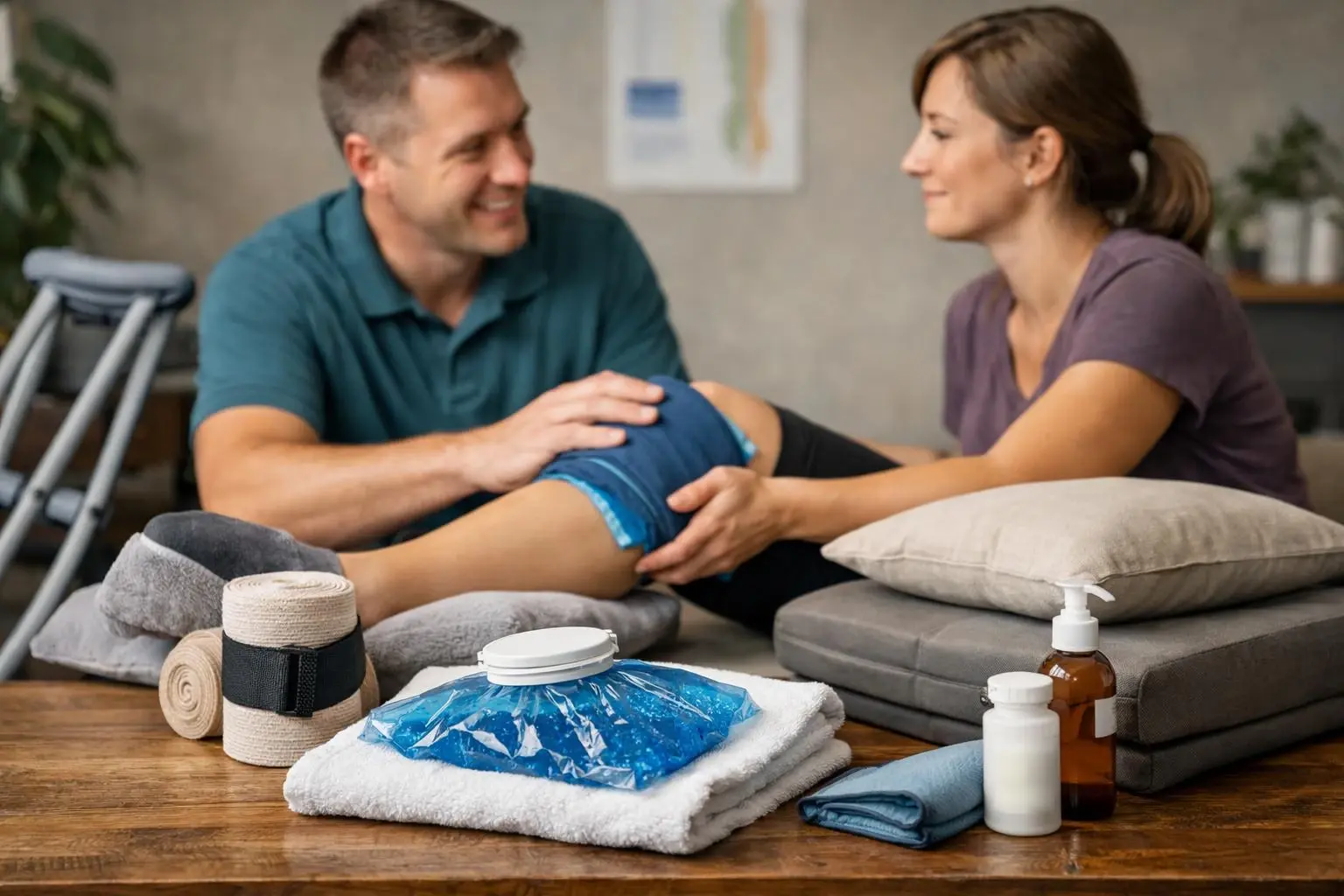
Using RICE early can make a big difference in how quickly an injury heals. Swelling and inflammation are natural responses to injury. But they can also slow down recovery if they become excessive. By controlling swelling, RICE helps the body focus on repairing the damaged tissue instead of fighting inflammation. This can shorten recovery time and reduce the need for pain medications or more invasive treatments.
RICE is also a safe and low-cost option for managing minor injuries. Unlike medications, which can have side effects, RICE relies on the body’s natural healing processes. It can be used alongside other treatments, such as physical therapy or chiropractic care, to support recovery. For athletes or active individuals, RICE can help them return to their activities sooner by minimizing downtime after an injury.
When Rest Ice Compression Elevation Matters Most?
RICE is most effective in the first 48 hours after an injury occurs. During this time, swelling and inflammation are at their peak. And the body is working hard to protect the injured area. Using RICE during this window can help keep swelling under control and prevent further damage. After 48 hours, the body’s healing process shifts. And RICE may become less effective. At that point, other treatments, like gentle movement or heat therapy, might be more helpful.
RICE is especially important for injuries that happen during sports, work. Or everyday activities. For example, a runner who twists their ankle during a race can use RICE to reduce pain and swelling right away. A worker who strains their back lifting heavy objects can use RICE to manage their symptoms until they can see a healthcare provider. Even minor injuries, like a bruised elbow from a fall, can benefit from RICE to speed up healing and reduce discomfort.
While RICE is a helpful first step, it is not a cure-all. Some injuries require professional care, such as chiropractic adjustments, physical therapy. Or medical imaging. For example, if an injury causes severe pain, inability to move the affected area. Or signs of nerve damage (like numbness or tingling), The key thing is to seek medical attention. A licensed chiropractor or other healthcare provider can assess the injury and recommend the best course of treatment.