Understanding Muscle Strain
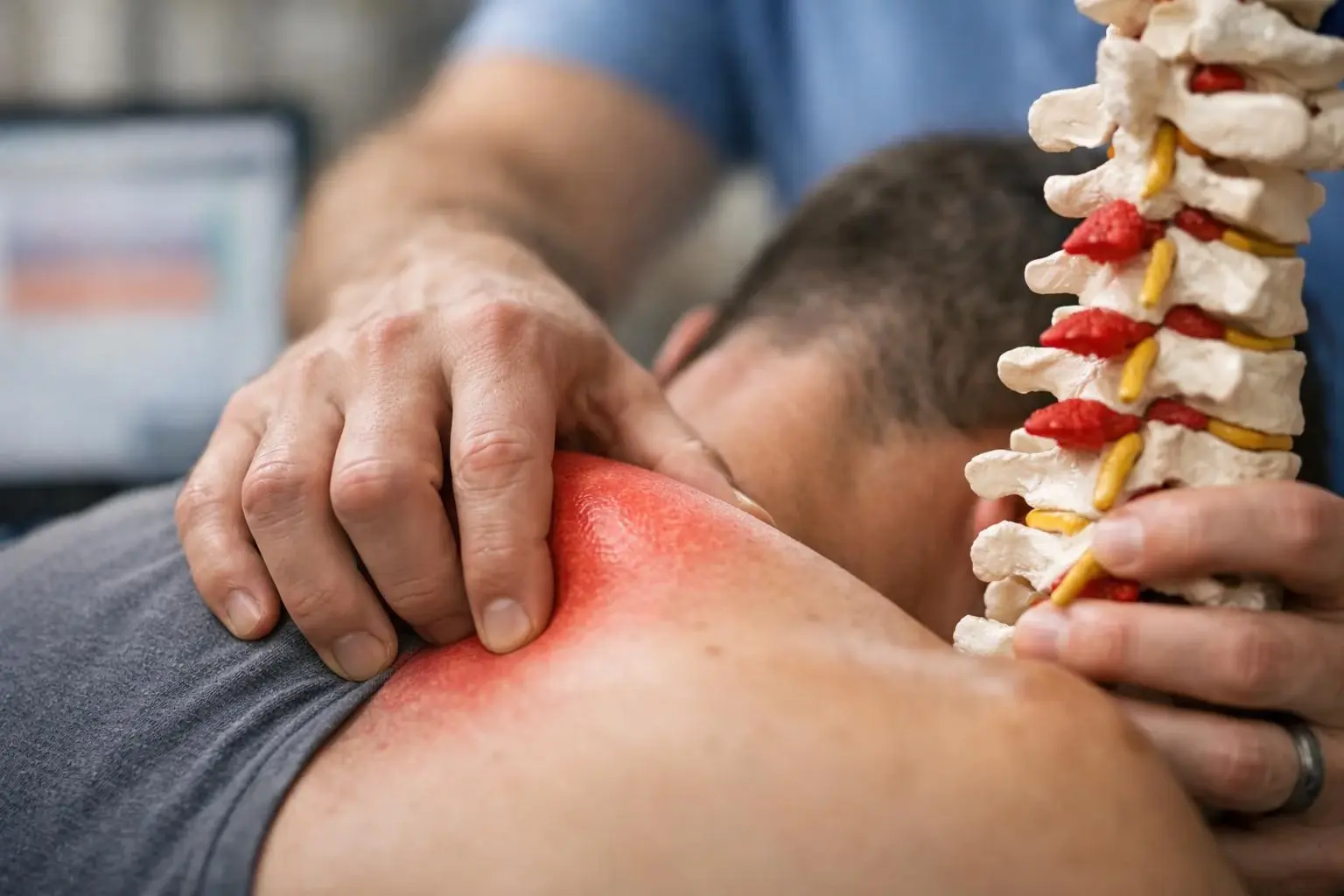
Muscle strain is a common injury. It hurts muscles and tendons in the body.
Muscles are made of stretchy fibers. These fibers tighten and loosen to help you move.
When fibers stretch too far, they can tear. This is called a strain.
Strains can happen during daily tasks. Lifting heavy things can cause them.
Playing sports or sudden moves can also hurt muscles. Twisting or pulling quickly may cause a strain.
Sprains are different. They hurt ligaments (tissues that connect bones).
Strains hurt muscles or tendons instead.
Muscle strains have three grades. The grades show how bad the injury is.
Grade 1 strains are mild. They stretch the muscle a little.
They may cause tiny tears. You might feel slight pain.
Your strength won’t drop much. Grade 2 strains are worse.
They tear part of the muscle. You’ll feel more pain.
Swelling may happen. Using the muscle will be hard.
Grade 3 strains are the worst. They tear the muscle completely.
You’ll feel a lot of pain. Swelling and bruises may appear.
You won’t be able to move the area. Most people get Grade 1 or 2 strains.
These heal with the right care.
How Muscle Strain Works?
Muscle strains happen when muscles can’t handle the work. This can cause tears.
For example, lifting a heavy box wrong can hurt your back. The muscles may stretch or tear.
Athletes can strain muscles too. Running fast without warming up is risky.
They might hurt their hamstring or calf. The injury causes swelling.
Swelling is the body’s way to heal. It helps fix damaged tissue.
This swelling brings pain. Blood vessels may break near the injury.
That can cause bruises.
A doctor can check for a strain. They’ll ask what caused the hurt.
They’ll look for pain, swelling. Or weakness. Sometimes they use tests.
Ultrasound or MRI (a type of scan) can help. They show if bones or ligaments are hurt too.
Treatment depends on how bad the strain is. Rest, ice. And wraps can help.
Keeping the area up high helps too. This is called RICE.
RICE stands for rest, ice, compression. And elevation. It cuts swelling and pain.
Later, gentle stretches can help. They bring back movement.
Strength exercises stop the injury from happening again.
Why Muscle Strain Matters?
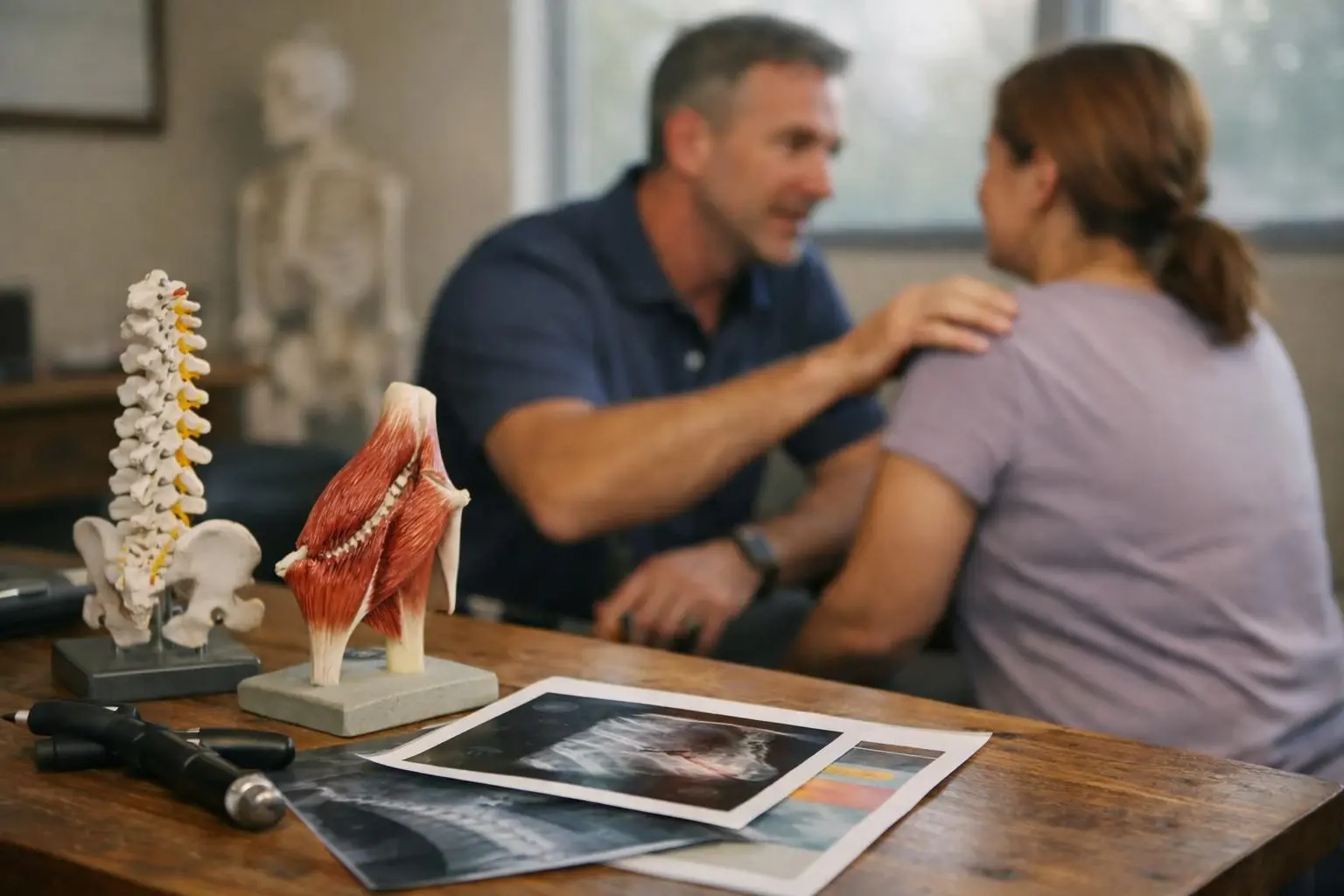
Muscle strains can make life hard. They hurt a lot if they’re in often-used muscles.
Back, neck. Or leg strains can be tough. Even small strains limit movement.
You may struggle to sit, walk. Or lift. Athletes might have to stop playing.
Sports or workouts can’t happen. Training gets messed up.
Not treating strains can cause bigger problems. The muscle may get weaker.
This can lead to long-term pain. More injuries may happen too.
Strains can cost money. Doctor visits add up.
You might miss work. That means less pay.
A back strain from lifting wrong is bad. It can stop you from doing your job.
Jobs that need lifting are hard to do. Getting help early speeds up healing.
It also stops more problems. You can go back to normal faster.
When Muscle Strain Matters Most?
Muscle strains matter most when strength is key. Athletes need to watch for early signs.
They should act fast. This keeps the injury from getting worse.
Workers with hard jobs must do the same. Construction or healthcare workers need strong muscles.
They should fix strains quickly. This keeps them working well.
Office workers can get strains too. Bad posture or sudden moves can hurt.
Reaching for something heavy can cause a strain.
Some things raise strain risk:
- Sports with running or jumping. Soccer and basketball are examples.
- Jobs with lots of lifting or bending. Carrying heavy things can hurt muscles.
- Daily tasks like gardening. Moving furniture or playing with kids can cause strains.
Preventing strains is possible. Warm up before you move.
Lift things the right way. Don’t rush when you exercise.
If you get a strain, see a doctor. They’ll help you heal fully.
This cuts the chance of long-term problems.