Understanding Physical Rehabilitation
Rehab helps people move better after injury or sickness. It builds strength and helps them do daily tasks again.
Related glossary terms: Chiropractic Care, Electrical Muscle Stimulation, Myofascial Release.
It's not just rest or exercise. Rehab is a plan made just for you. It helps with your exact problem.
Rehab mixes hands-on care and special moves. It teaches you how to feel less pain. You'll learn to move safely.
The goal isn't just quick help. It's to get better for good. It also stops problems later.
Each rehab plan is different. It depends on your body and health. Your age matters too.
Say you hurt your knee. You'll work on strong legs. You'll make your knee steady again.
If your back hurts, you'll learn good posture. You'll stretch and make your core strong. This helps a lot.
Doctors, chiropractors. And therapists work together. They make sure you get all the help you need.
You'll learn how to help yourself too. They'll teach you how to move right. You'll do exercises at home.
How Physical Rehabilitation Works?
Rehab fixes the real problem. It doesn't just cover up pain.
First, a pro checks your body. They find weak spots or parts that don't work right.
A chiropractor or therapist makes a plan. It may include hands-on care.
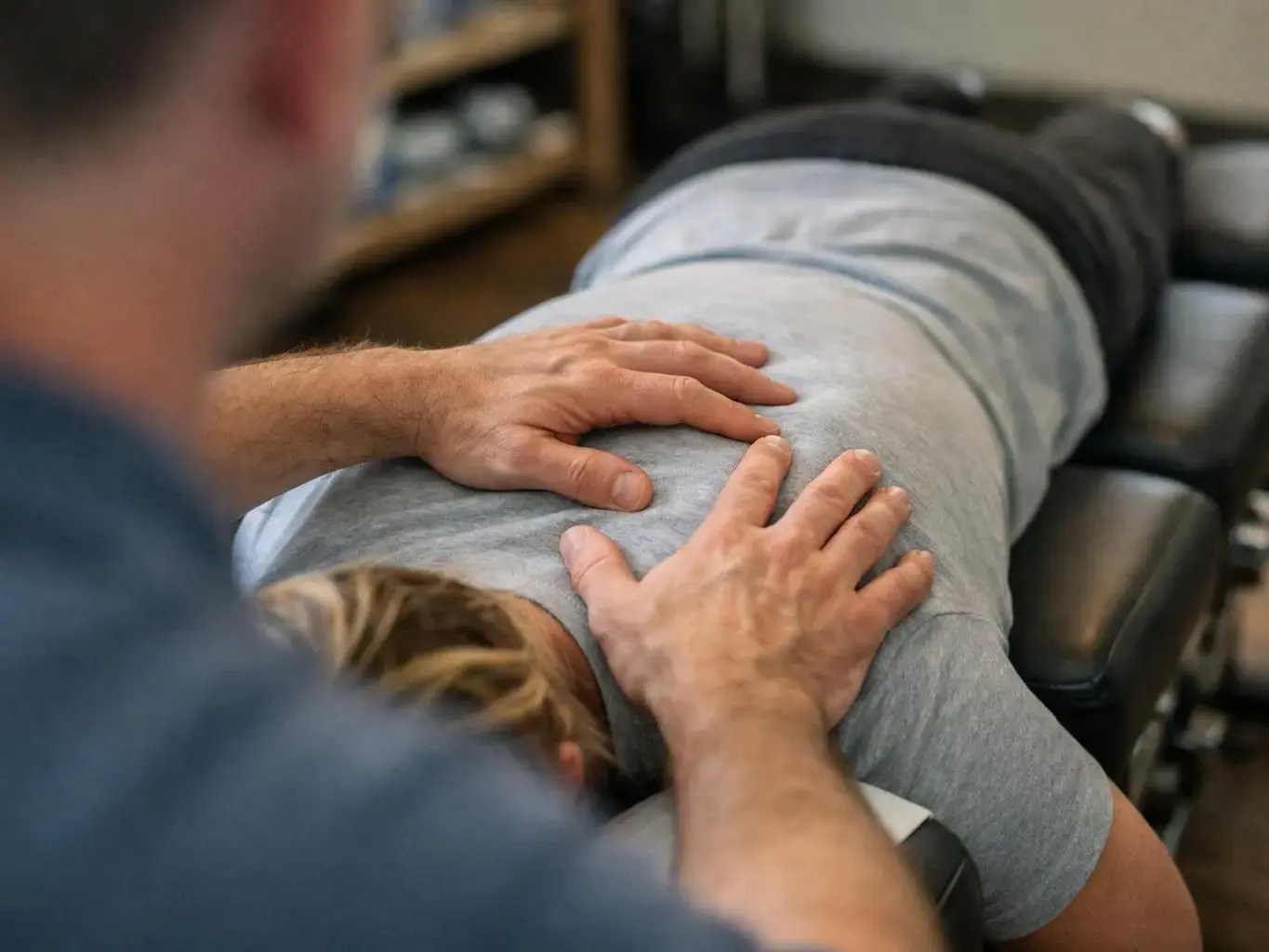
They might move your joints or work on soft tissue. This is called manual therapy.
You'll also do exercises. They make you strong and help you move better.
Exercises start easy. They get harder as you get better.
Rehab teaches you about your body. You'll learn how to take care of it.
If you have a bad disc, you'll learn to lift safely. This stops more hurt.
If you sprained your ankle, you'll do balance moves. This stops falls later.
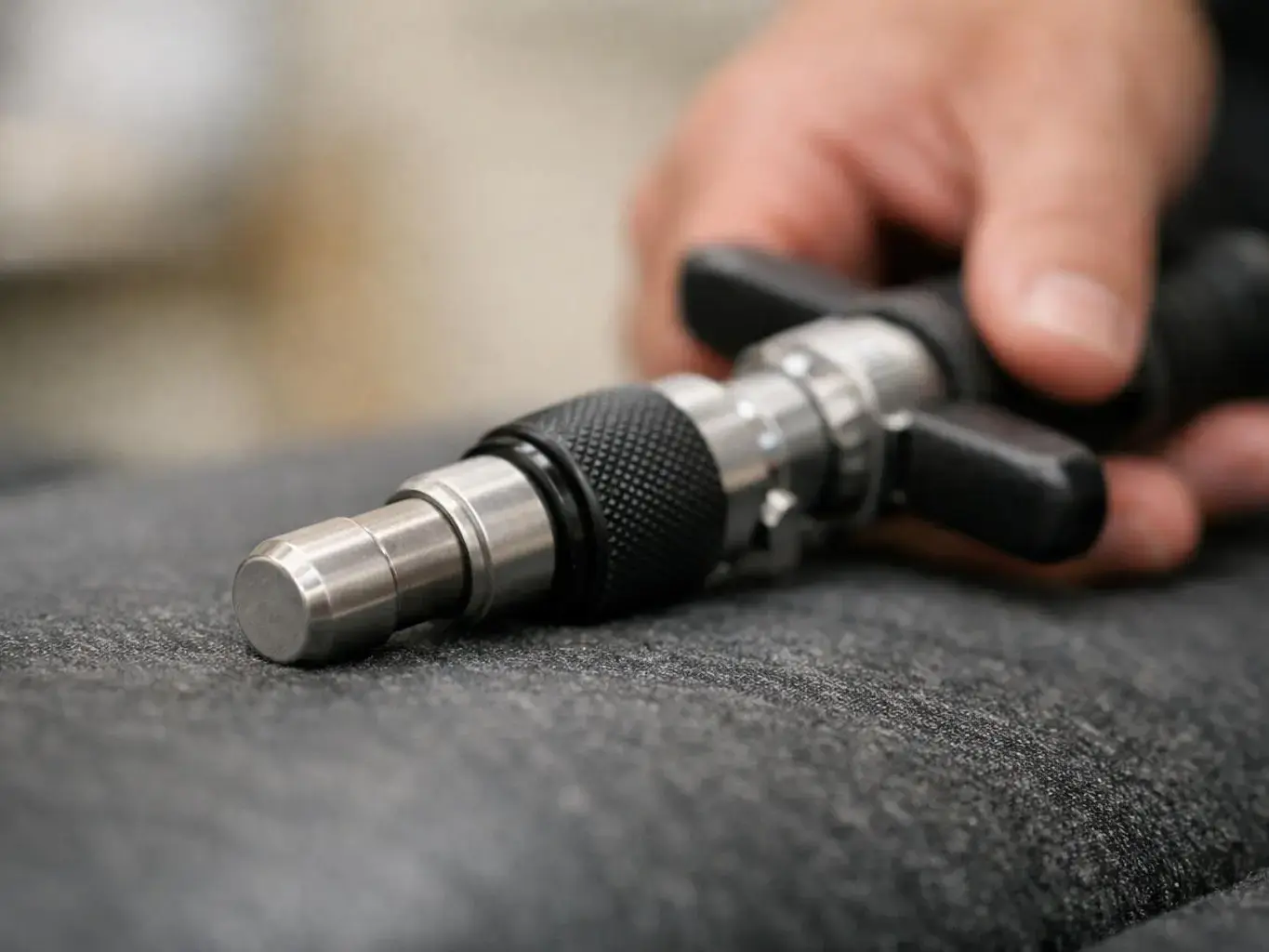
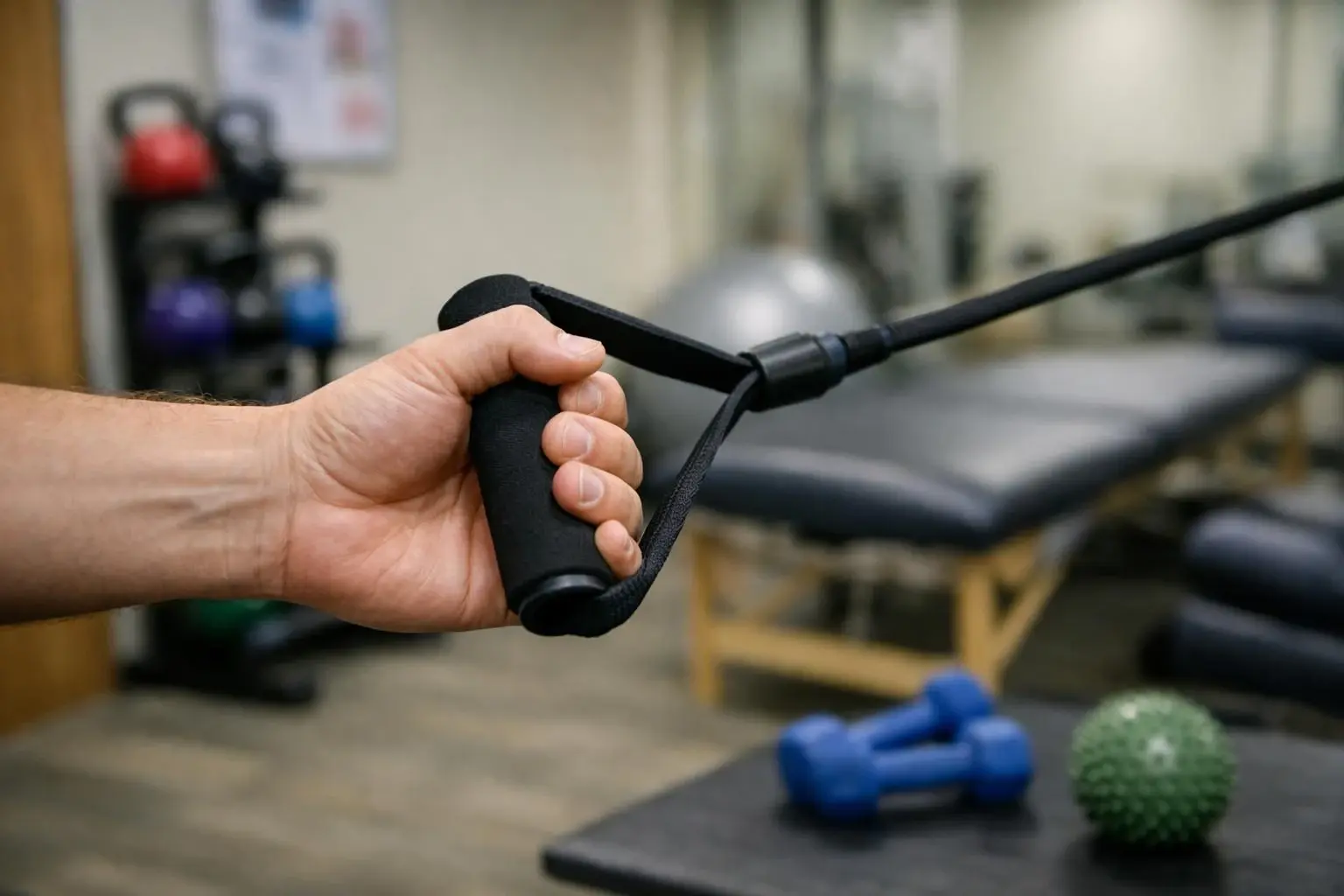
You might use bands, weights. Or special tools. These help you get better faster.
Some people get extra help too. Like muscle stim (a machine that wakes up muscles).
Or ultrasound (a tool that helps heal with sound waves). These help with pain and healing.
How often you go depends on your problem. It also depends on how you get better.
Why Physical Rehabilitation Matters?
Rehab is important for your life. It helps after hurt, surgery. Or long-term pain.
Without rehab, small hurts can turn big. You might have pain for years.
You could move less. Work or fun might be hard.
Say you pull a muscle. If you don't fix it, you might move wrong.
That could hurt you more. But rehab helps you heal right.
You'll go back to normal without trouble.
Rehab helps your mind too. Pain or not moving can make you sad.
It can make you worry. You might feel stuck.
Rehab shows you're getting better. You'll see you're stronger.
You'll move easier. That feels good.
Rehab teaches you to help yourself. You won't need pills or easy fixes.
You'll stay healthy on your own.
When Physical Rehabilitation Matters Most?
Rehab matters most after bad hurts or surgery. It helps when pain won't go away.
After a car crash or fall, rehab helps you heal. It stops stiffness or weak muscles.
After surgery, you need rehab too. Like for new knees or back work.
Without rehab, you might get hurt again. Or take much longer to heal.
Rehab helps with long-term pain too. Like arthritis or back pain.
It keeps you moving. It makes pain less.
Say you have joint pain. Rehab makes muscles around it strong.
That helps your joint. It takes stress off it.
Athletes use rehab too. It helps with injuries from doing too much.
It stops problems later.
In Hermitage, TN, many get hurt at work or in cars. Or playing sports.
Rehab is a big part of getting better. It helps you do daily things again.