Glossary

What is Flexion-Distraction Technique?

Flexion-Distraction Technique is a gentle, non-surgical chiropractic method used to treat spinal conditions like disc herniations and sciatica. It involves a specialized table that stretches and flexes the spine in rhythmic motions, reducing pressure on spinal discs and nerves. The technique aims to improve mobility, relieve pain. And promote healing without invasive procedures or medications.

Reviewed by Advanced Injury Care ClinicSources reviewed: American Chiropractic Association, Journal of Manipulative and Physiological Therapeutics

Quick Facts About Flexion-Distraction Technique

Category

Chiropractic spinal therapy

Used for

Disc herniations, sciatica, spinal stenosis

Common confusion

Often mistaken for general spinal manipulation

Also called

Cox Technique, Flexion-Distraction Therapy

Often discussed with

Back Pain Treatment, Work Injury Treatment

Key Takeaways About Flexion-Distraction Technique

Understanding Flexion-Distraction Technique
Flexion-Distraction Technique in Chiropractor: Flexion-Distraction Technique is a gentle, non-surgical chiropractic method...

Flexion-Distraction is a type of chiropractic care. It helps with spine problems, especially disc issues.

Related glossary terms: Chiropractic Adjustment, Spinal Decompression, Disc Herniation.

Most spine fixes use quick pushes. This one uses slow, gentle moves instead. It stretches the spine to help it feel better.

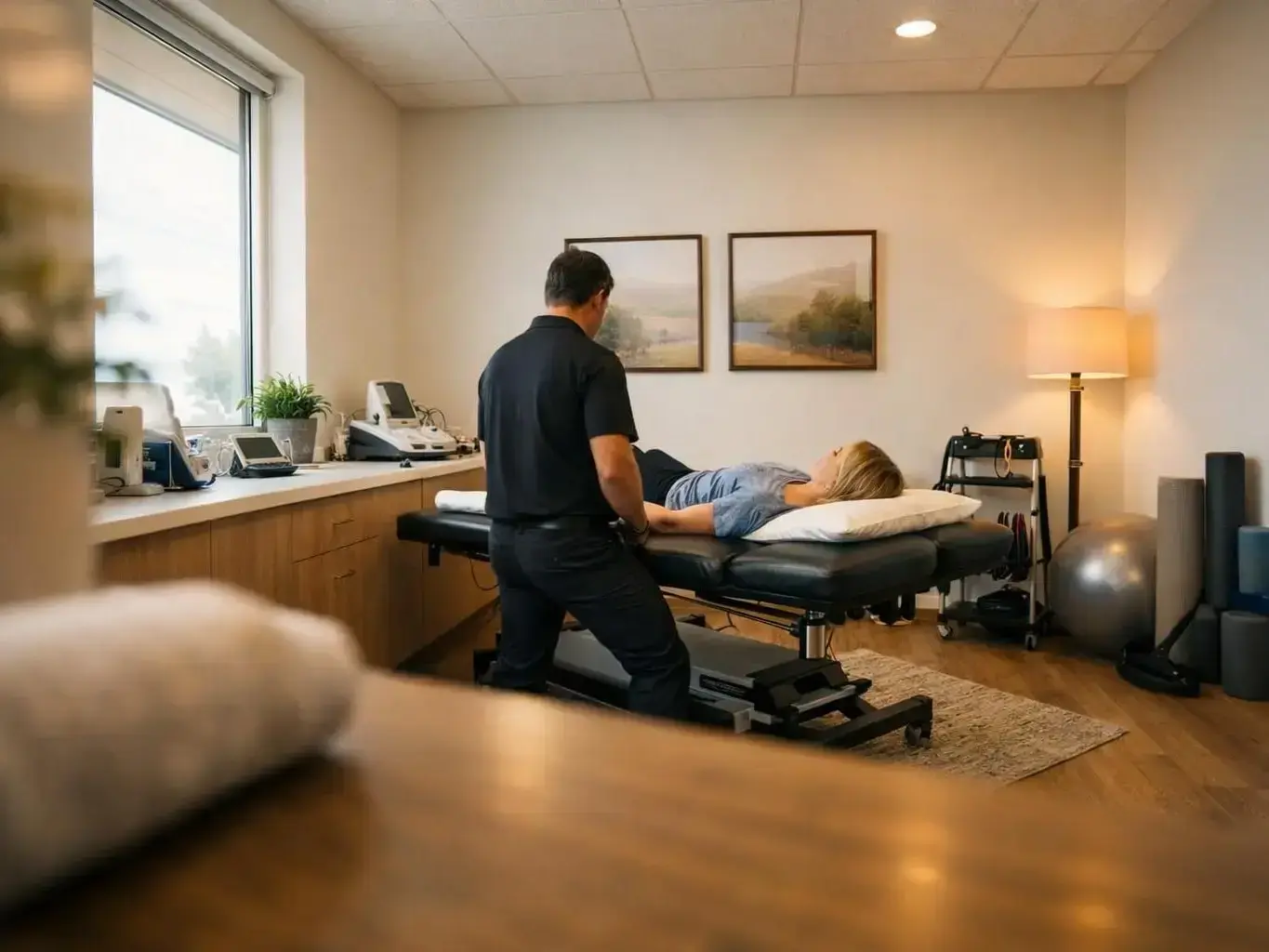
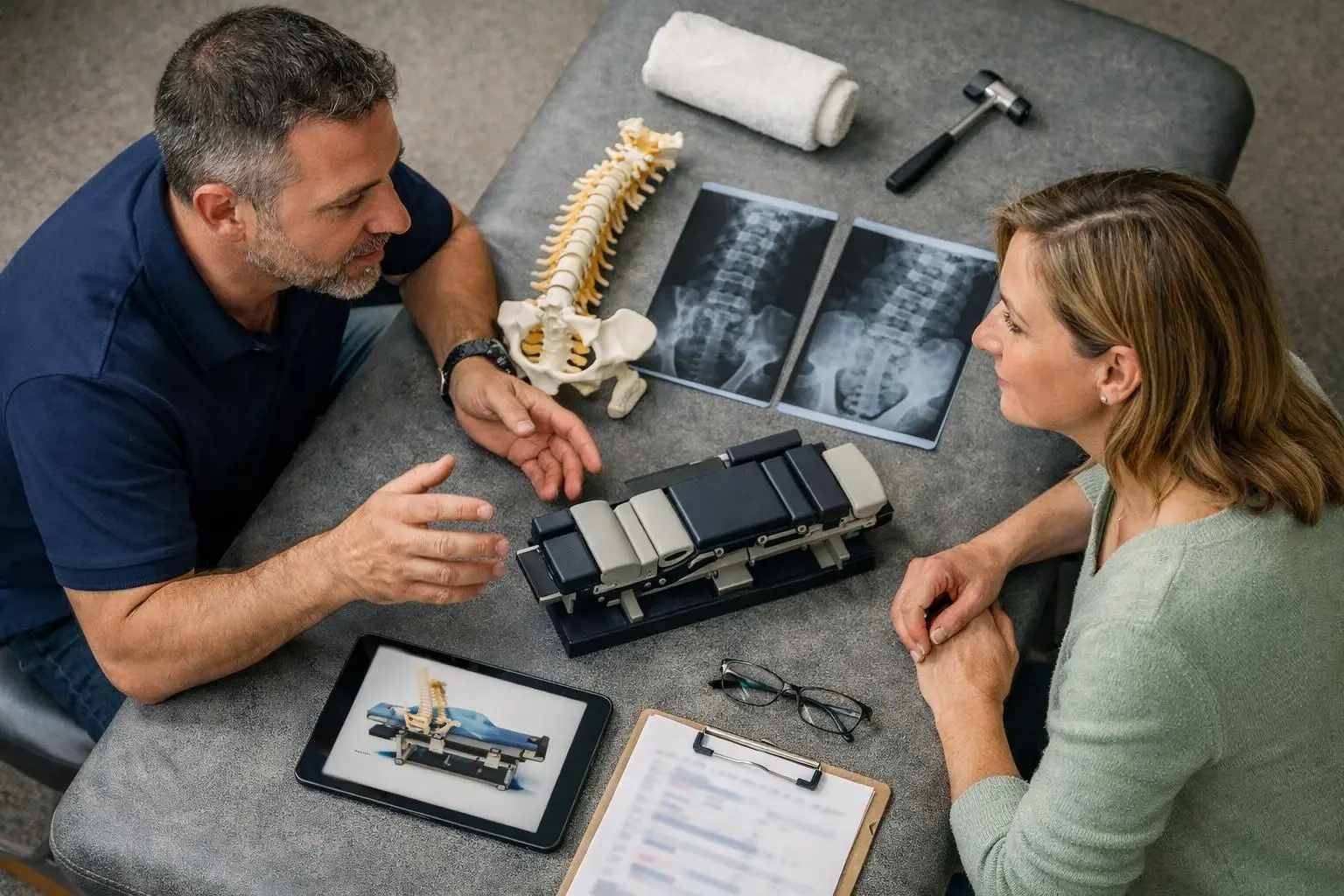
A special table is used for this. The table lets the chiropractor work on one spot at a time. You lie down and stay comfy.

The main goal is to take pressure off discs and nerves. Discs and nerves can get squeezed by injuries or bad posture. This squeeze can cause pain.

Sometimes discs bulge or break. They can push on nerves. This causes pain, numbness. Or weakness in your back, legs. Or arms.

The technique gently pulls the spine. This makes space inside the disc. It helps the disc move back and stops nerve pain.

It also helps blood flow. More blood brings nutrients to the disc. This helps the disc heal on its own.

How Flexion-Distraction Technique Works?

You lie face down on a special table. The table is split into parts. One part moves while you lie there.

The chiropractor holds your lower body still. The top part of the table moves up and down. This gently stretches your spine.

The table makes a pumping motion. It creates a stretch in your spine. The chiropractor may push lightly to help more.

Each session lasts 10 to 15 minutes. You may need more than one visit. This depends on how bad your problem is.

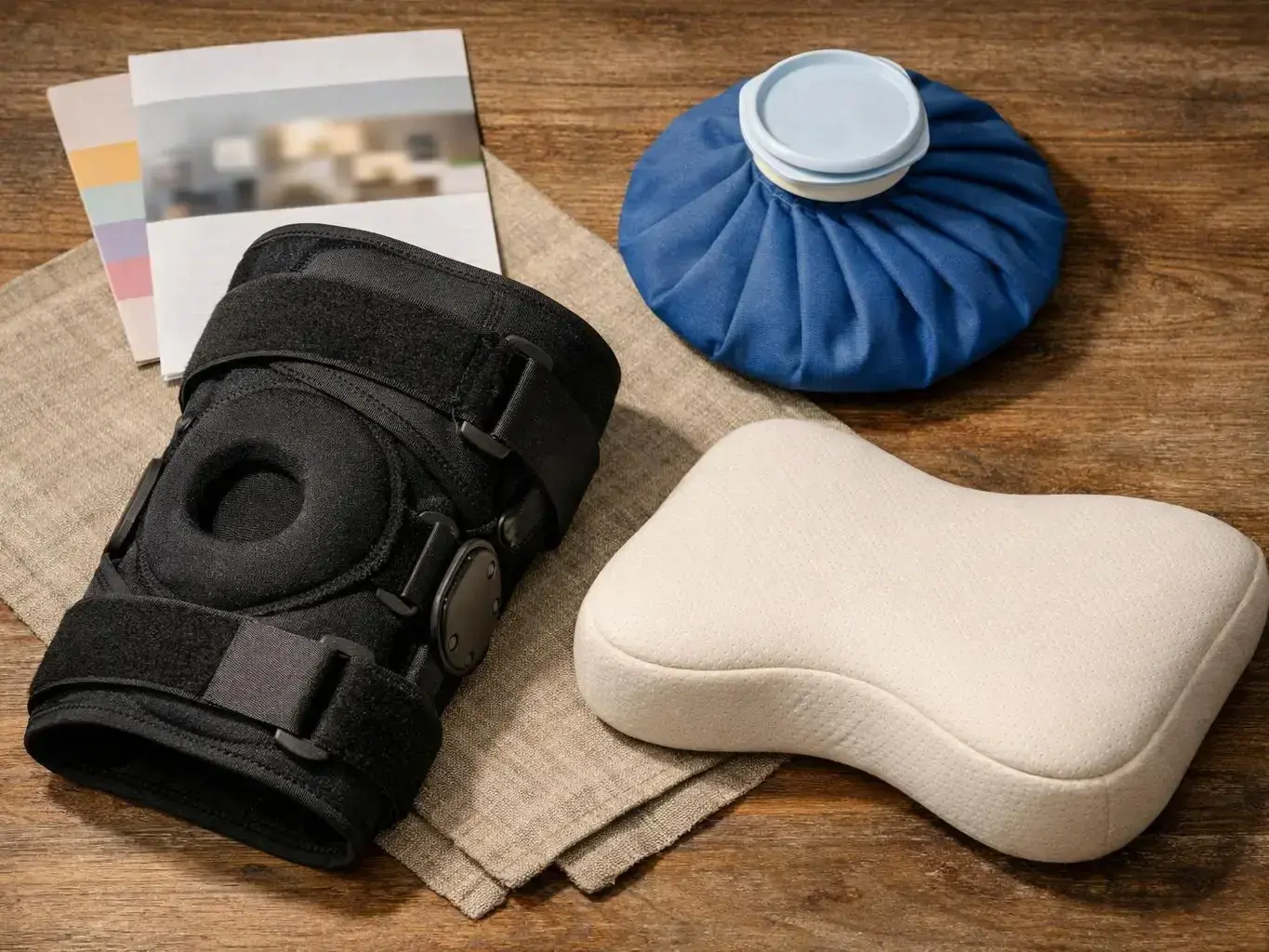
Other treatments may be used too. Ice, muscle stimulation. Or exercises can help. This gives you the best results.

The moves are slow and gentle. Most people find it comfy. Even those with bad pain or trouble moving like it.

Why Flexion-Distraction Technique Matters?

How Flexion-Distraction Technique applies to Chiropractor services in Hermitage, United States—practical illustration

Flexion-Distraction helps people with disc problems. It is a choice instead of surgery or pills. It doesn't cut or hurt your body.

Disc problems can hurt a lot. They can stop you from moving well. This method helps by fixing the root cause.

It takes pressure off discs and nerves. This can give long-lasting relief. You can move better without surgery risks.

Some people can't do rough spine fixes. Older adults or those with weak bones may use this. It's also good for people healing from injuries.

It doesn't twist or jerk your spine. So it's less likely to hurt you. Many chiropractors and patients like it for this reason.

When Flexion-Distraction Technique Matters Most?

This technique helps with many disc problems. It works for herniated discs, bulging discs. And sciatica. It also helps with spinal stenosis (a narrow spine).

Some people don't get help from other treatments. They may try this if pills or therapy didn't work. It can help them feel better.

It's also good before or after surgery. It keeps your spine moving. It can stop stiffness after surgery.

Many people want to avoid surgery. Surgery has risks and takes time to heal. This method is a safe choice instead.

Chiropractors use it for hard cases too. It helps people with many spine problems. It's also good for long-term pain.

How to Evaluate Flexion-Distraction Technique?

Related Concepts Compared

Flexion-Distraction Technique vs. Spinal Manipulation

Spinal manipulation involves quick thrusts to adjust joints. While Flexion-Distraction Technique uses slow, rhythmic stretching to decompress discs.

Flexion-Distraction Technique vs. Spinal Decompression Therapy

Spinal decompression typically uses computerized traction devices, whereas Flexion-Distraction is a hands-on technique performed by a chiropractor.

Expert Note

Flexion-Distraction Technique is particularly effective for patients with disc herniations who experience radiating pain. The rhythmic motion not only decompresses the disc but also stimulates mechanoreceptors, which can help reduce pain perception and improve joint mobility over time.

Common Mistakes or Myths About Flexion-Distraction Technique

  • Assuming Flexion-Distraction Technique is the same as general spinal manipulation.
  • Expecting immediate results after one session—it often takes multiple visits.
  • Using the technique for non-disc-related back pain without other therapies.
  • Believing it can replace surgery in severe cases without medical evaluation.

Flexion-Distraction Technique in Practice: A Real-World Example

A 45-year-old patient with a herniated disc in the lower back experiences sharp pain and numbness down their leg. After several sessions of Flexion-Distraction Technique, the disc retracts, reducing pressure on the sciatic nerve. The patient reports less pain and improved ability to walk and stand for longer periods.

Sources & Further Reading on Flexion-Distraction Technique

Related Services

Related Terms

Chiropractic Adjustment

Chiropractic Adjustment is a precise, hands-on procedure where a licensed chiropractor applies controlled force to a joint in the spine or other body part to improve alignment, reduce pain. And restore movement. It's commonly used to treat back pain, neck pain, headaches. And joint stiffness without surgery or medication.

Spinal Decompression

Spinal Decompression is a non-surgical treatment designed to relieve pressure on the spine and spinal nerves. It involves gently stretching the spine using a motorized table or similar device to create negative pressure within the discs, which can help herniated or bulging discs retract and promote healing by allowing oxygen, water. And nutrient-rich fluids to flow into the discs.

Disc Herniation

Disc herniation is a spinal condition where the soft, gel-like center of an intervertebral disc pushes through a tear in the disc’s tougher outer layer. This can irritate nearby nerves, causing pain, numbness. Or weakness in the back, neck, arms. Or legs. Disc herniation often results from aging, injury. Or repetitive strain on the spine.

Intervertebral Disc

Intervertebral Disc is intervertebral discs are soft, flexible cushions located between the vertebrae of the spine. Each disc acts as a shock absorber, preventing bones from rubbing together during movement. They consist of a gel-like center called the nucleus pulposus and a tough outer ring known as the annulus fibrosus, enabling spinal flexibility and load distribution.

Advanced Injury Care Clinic

Have Questions About Flexion-Distraction Technique?

Contact Advanced Injury Care Clinic for practical guidance on Flexion-Distraction Technique and related chiropractor work in Hermitage.

+1 615-777-0624