Glossary

What is Chiropractic Adjustment?

Chiropractic Adjustment is a precise, hands-on procedure where a licensed chiropractor applies controlled force to a joint in the spine or other body part to improve alignment, reduce pain. And restore movement. It's commonly used to treat back pain, neck pain, headaches. And joint stiffness without surgery or medication.

Reviewed by Advanced Injury Care ClinicSources reviewed: American Chiropractic Association, National Center for Complementary and Integrative Health (NCCIH)

Quick Facts About Chiropractic Adjustment

Category

Non-invasive musculoskeletal treatment

Used for

Pain relief, joint mobility, injury recovery

Common confusion

Often mistaken for massage therapy or physical therapy

Also called

Spinal Adjustment, Chiropractic Manipulation

Often discussed with

Car Accident Injury Treatment, Whiplash Injury Treatment

Key Takeaways About Chiropractic Adjustment

Understanding Chiropractic Adjustment

Chiropractic Adjustment in Chiropractor: Chiropractic Adjustment is a precise, hands-on procedure where a licensed chiropr...

A chiropractic adjustment is also called spinal manipulation. It's a treatment used by chiropractors. They use it for spine, joint. And muscle problems.

Related glossary terms: Chiropractic Care, Spinal Adjustment, Spinal Manipulation.

The goal is to fix alignment issues. These issues may cause pain or stiffness. They can also limit movement.

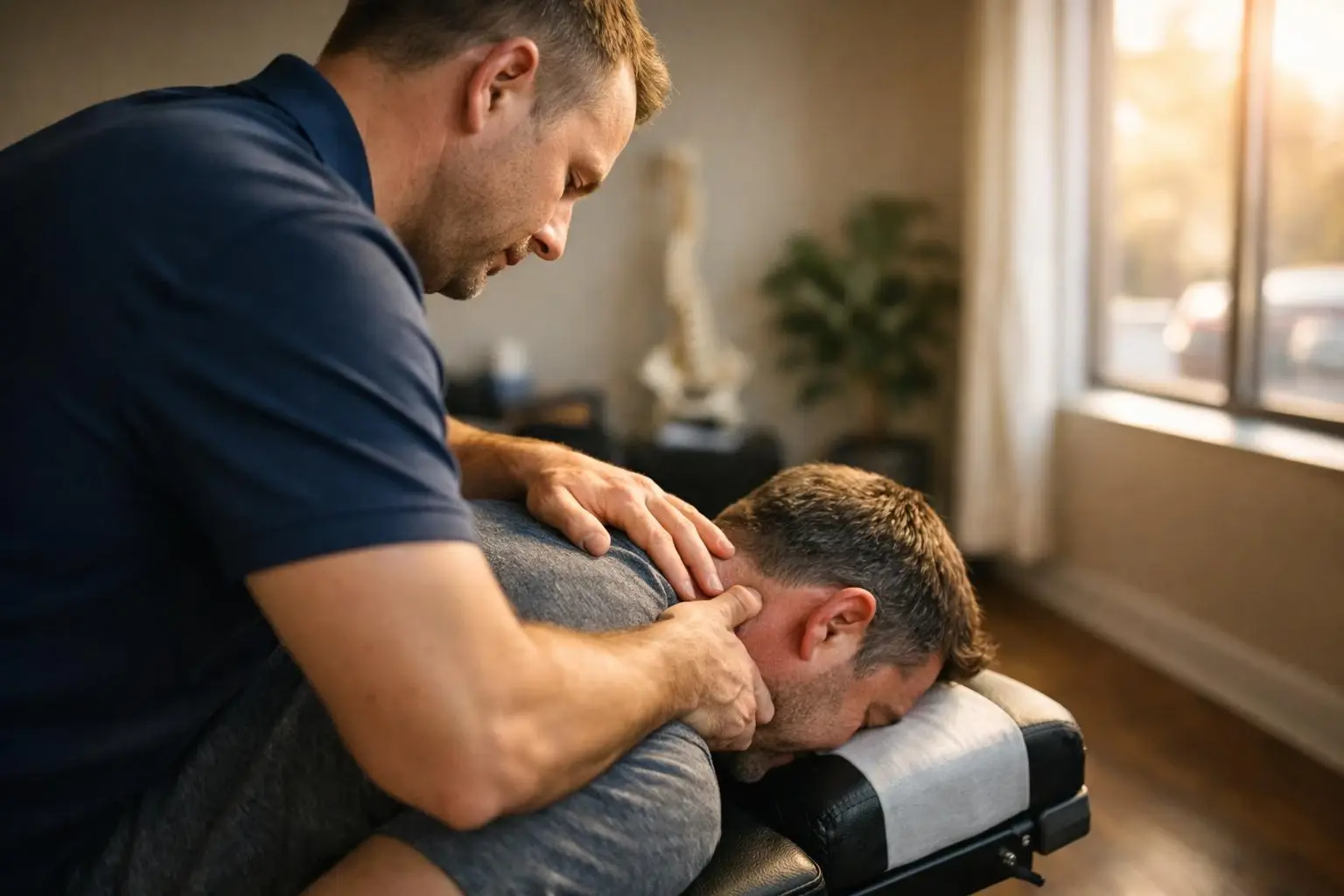
During an adjustment, the chiropractor uses their hands. They may use a small tool. They apply a quick, controlled force to a joint.

This force helps restore normal motion. It may make a popping sound. That sound is gas leaving the joint.

Chiropractic adjustments believe something. The body heals itself when aligned right. This is the musculoskeletal (bones and muscles) structure.

Adjustments don't use surgery or medicine. They focus on natural healing. They're often used for back pain, neck pain. And headaches.

They may also help with shoulder, hip. Or knee pain. But they should only be done by a licensed chiropractor. These chiropractors have lots of training.

How Chiropractic Adjustment Works?

Chiropractic adjustments work like this. They apply a sudden, controlled force. This force is for joints not moving right.

The force helps realign the joint. It reduces pressure on nerves. It also improves blood flow to muscles and tissues.

You might hear a popping sound. This sound is gas bubbles leaving the joint fluid. It's like cracking your knuckles.

This sound is normal. It's not a sign of damage. The adjustment usually takes just a few minutes.

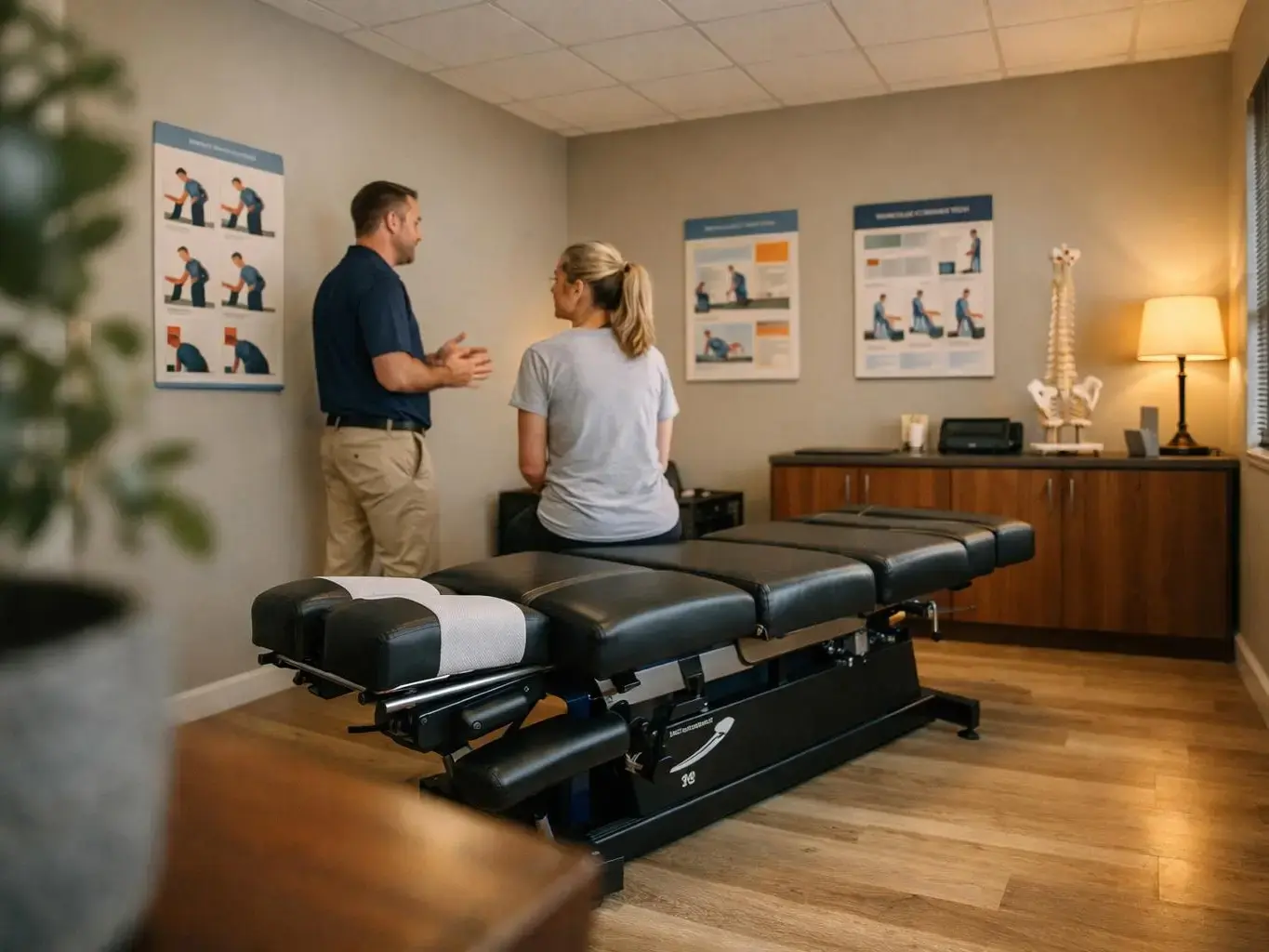
The full session may be longer. It can include talking about symptoms. There may be a physical exam or X-rays.

Chiropractors tailor each adjustment. They think about your age and health. They also consider how bad the problem is.

Some people feel better right away. Others need several sessions. Follow-up care may include exercises or stretches.

You might also get lifestyle advice. This helps keep results long-term.

Why Chiropractic Adjustment Matters?

How Chiropractic Adjustment applies to Chiropractor services in Hermitage, United States—practical illustration

Chiropractic adjustments matter for a reason. They offer pain relief without drugs or surgery. Many people choose them when pain pills don't help.

For example, someone with back pain may feel better. They can return to work or exercise. Adjustments may also prevent future injuries.

They keep joints aligned and muscles balanced. Another benefit is this. Adjustments can work with other treatments.

They can work with physical therapy or massage. An adjustment might loosen a stiff joint. This makes exercises easier.

This combined approach speeds up recovery. It improves overall function. Adjustments may also cut down on pain medicine.

Medicine can have side effects. It can also lead to dependency.

When Chiropractic Adjustment Matters Most?

Chiropractic adjustments help people in pain. The pain comes from joint or muscle problems. It can be new or ongoing pain.

Adjustments may help after accidents. This includes car crashes, sports injuries. Or falls. Whiplash from a crash can cause neck pain.

An adjustment may ease that pain. Someone with a herniated disc may also feel better. The disc is in the lower back.

Adjustments can reduce nerve pressure. They can ease pain. Some jobs and activities stress the body.

Office workers sit for long hours. Construction workers lift heavy things. Athletes train hard.

These activities can cause joint or muscle problems. Regular adjustments can help. They keep the body aligned and prevent worse issues.

But adjustments aren't for everyone. People with severe osteoporosis shouldn't get them. Neither should those with spinal cord compression.

Some inflammatory conditions also make adjustments unsafe. A licensed chiropractor will check you first. They'll see if adjustments are safe for you.

How to Evaluate Chiropractic Adjustment?

Related Concepts Compared

Chiropractic Adjustment vs. Massage Therapy

Massage therapy focuses on relaxing muscles and improving circulation. While chiropractic adjustment targets joint alignment and nerve function.

Chiropractic Adjustment vs. Physical Therapy

Physical therapy uses exercises and stretches to strengthen muscles and improve movement. While chiropractic adjustment focuses on joint realignment.

Chiropractic Adjustment vs. Spinal Manipulation

Spinal manipulation is a broader term that includes chiropractic adjustment but may also be performed by other healthcare providers like osteopaths.

Chiropractic Adjustment vs. Decompression Therapy

Decompression therapy stretches the spine to relieve pressure on discs. While chiropractic adjustment applies quick force to realign joints.

Expert Note

Chiropractic adjustments are most effective when combined with other therapies like exercise or posture correction. A single adjustment may provide temporary relief. But long-term improvement often requires addressing underlying habits or injuries that contribute to misalignment.

Common Mistakes or Myths About Chiropractic Adjustment

  • Assuming chiropractic adjustments are only for back pain—they can help with neck, shoulder. And joint issues too.
  • Expecting instant results—some people need multiple sessions to see improvement.
  • Confusing adjustments with cracking your own back, which can cause harm if done incorrectly.
  • Believing adjustments are unsafe—they are generally safe when performed by a licensed professional.
  • Skipping follow-up care, like exercises or posture changes, which help maintain results.

Chiropractic Adjustment in Practice: A Real-World Example

After a rear-end car collision, a 35-year-old office worker develops neck pain and headaches. Their primary doctor recommends rest and pain medication. But the symptoms persist. A licensed chiropractor evaluates their spine and finds limited movement in the neck joints. After three chiropractic adjustments over two weeks, the worker reports reduced pain and improved range of motion, allowing them to return to work without discomfort.

Related Services

Related Terms

Chiropractic Care

Chiropractic Care is a health care profession focused on diagnosing, treating. And preventing disorders of the musculoskeletal system, particularly the spine. Chiropractors use hands-on spinal adjustments and other manual therapies to improve joint function, reduce pain.

Spinal Adjustment

Spinal Adjustment is a controlled, precise manual force applied by a licensed chiropractor to a specific joint in the spine. This procedure aims to improve spinal motion, reduce nerve irritation. And restore proper alignment, often resulting in decreased pain and improved function. It's a core technique in chiropractic care used to address musculoskeletal conditions.

Spinal Manipulation

Spinal Manipulation is a hands-on technique used by licensed chiropractors to apply controlled force to a joint in the spine. The goal is to improve spinal motion, reduce pain. And restore function by realigning vertebrae that may be misaligned or restricted. This method is often used to treat back pain, neck pain. And headaches without surgery or medication.

Physical Rehabilitation

Physical Rehabilitation is a structured process designed to help individuals recover strength, mobility. And function after injury, surgery. Or illness. Physical Rehabilitation involves exercises, manual therapies. And education to reduce pain, restore movement. And prevent future problems. It's often guided by licensed professionals such as chiropractors, physical therapists. Or physicians to ensure safety and effectiveness.

Advanced Injury Care Clinic

Have Questions About Chiropractic Adjustment?

Contact Advanced Injury Care Clinic for practical guidance on Chiropractic Adjustment and related chiropractor work in Hermitage.

+1 615-777-0624