Skip to content

Spinal Decompression Therapy in Lakewood, Tennessee

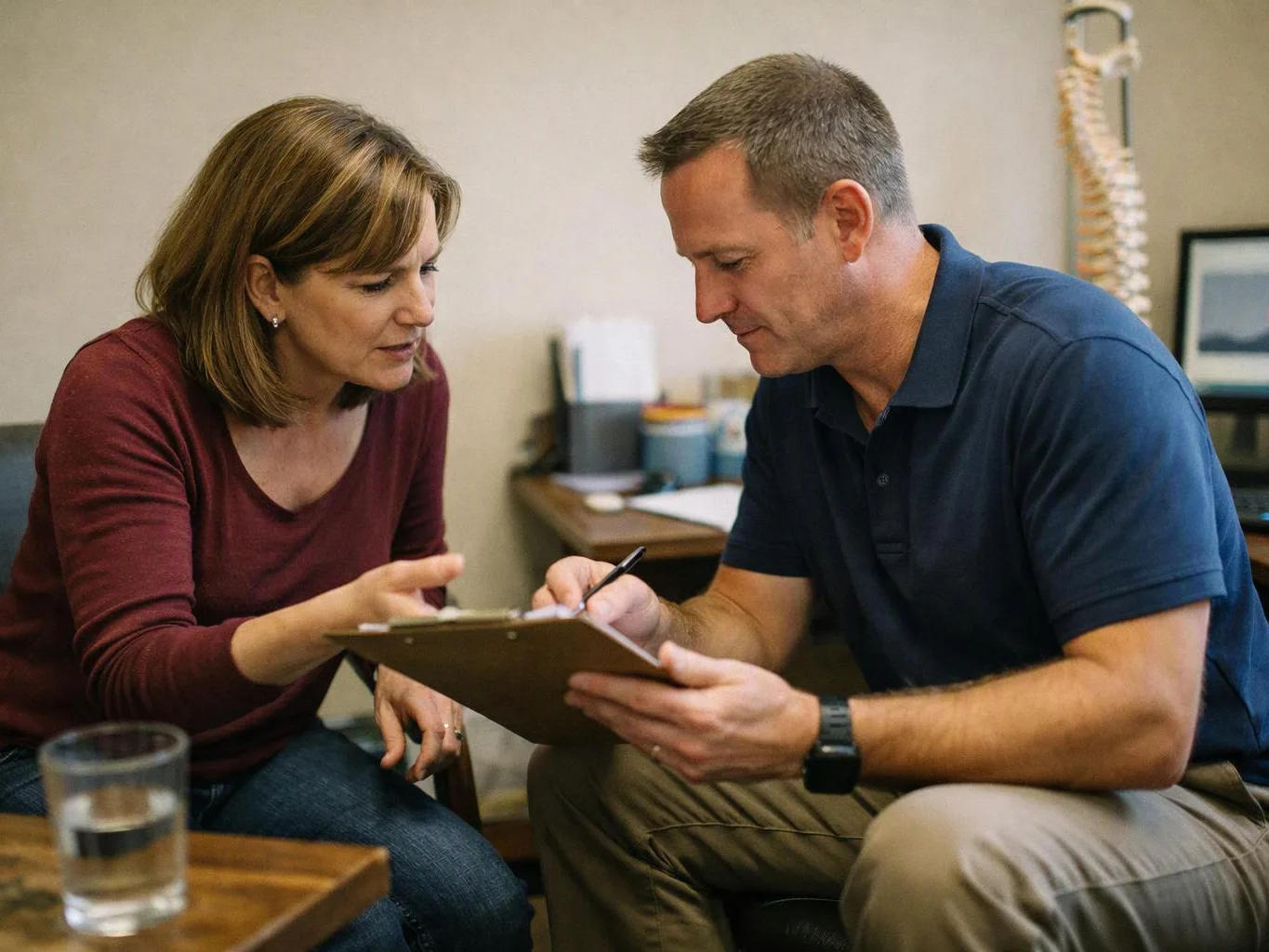
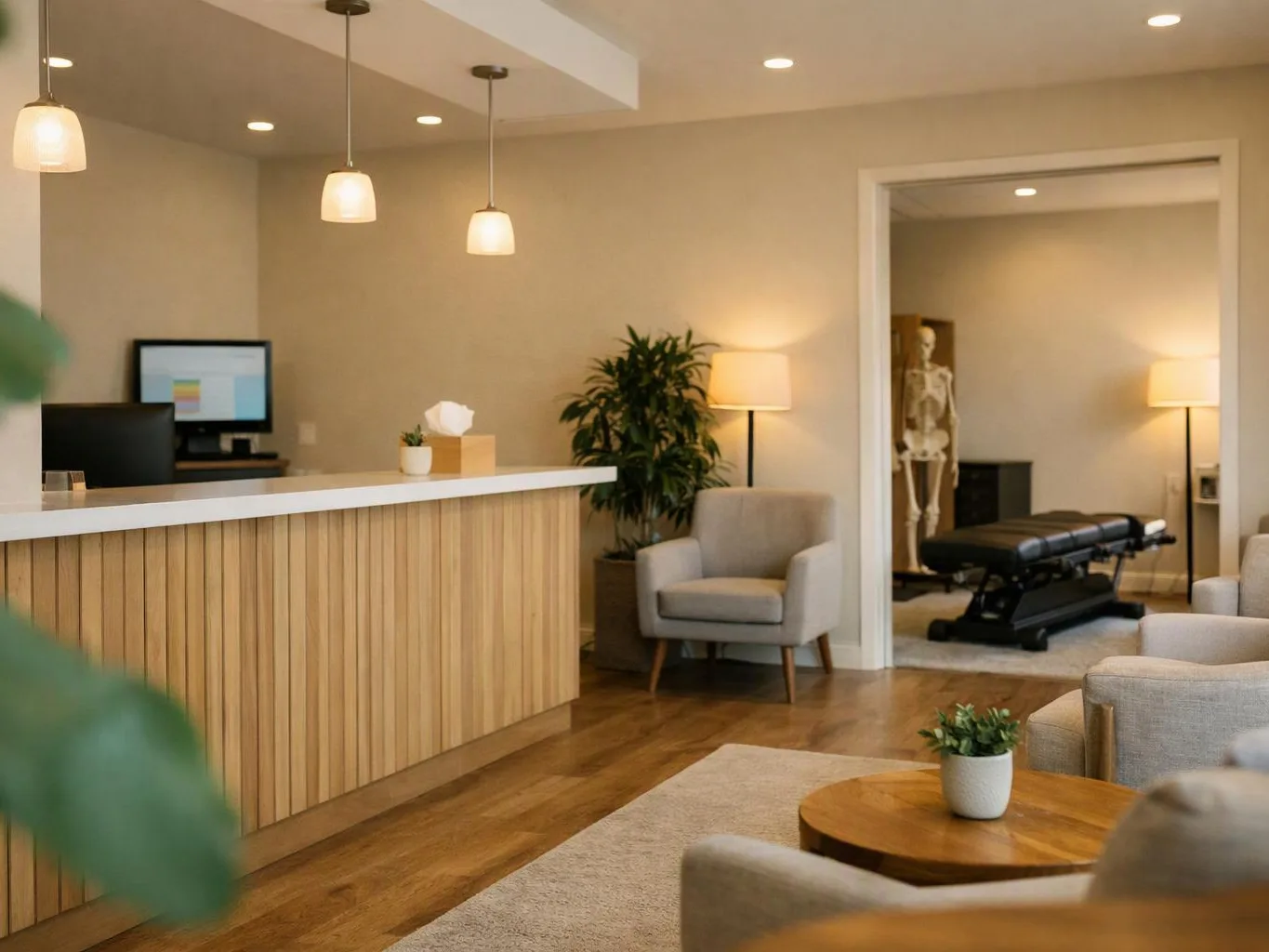
Harness placement is checked before care begins in Lakewood. We use that check to support safe table movement and treatment comfort.

Upfront, Transparent PricingServing 23 CommunitiesMon-Fri: 9 am–7 pm, Sat: 9 am–2 pm, Sun: ClosedFast Scheduling

Quick Summary: spinal decompression therapy in Lakewood, Tennessee

Spinal decompression therapy in Lakewood is provided by Advanced Injury Care Clinic for back pain, neck pain, sciatica, and related musculoskeletal concerns. Care begins with an evaluation and an individualized plan that may include spinal decompression, chiropractic adjustments, exercises, and soft tissue therapy.

  • What we do: Advanced Injury Care Clinic provides spinal decompression therapy for patients in Lakewood, Tennessee, after an evaluation and care-plan review.
  • What is included: We assess spinal concerns, explain table-based traction, check comfort, and coordinate care with exercises or adjustments when appropriate.
  • What you get: The treatment plan gives the patient a clear care path for managing discomfort and improving movement.

What should I expect during spinal decompression therapy?

Harness placement comes first, followed by gradual traction and controlled table movement. The visit includes comfort checks and guidance from the care team. The treatment plan is based on the health history, exam findings, symptoms, and goals. Individual response differs, so progress is reviewed as care continues.

Supporting Clients Across Lakewood

Spinal decompression therapy focuses on how the spine responds to controlled traction. We use a spinal decompression table and review your symptoms before deciding whether this approach fits your care plan.

The main decision is suitability. Back pain, sciatica, neck pain, herniated disc symptoms, and some injury-related conditions may lead a patient to ask about this care. A thorough health history and exam help us choose between decompression, chiropractic adjustments, therapeutic exercises, soft tissue therapy, or a combination.

The treatment has limits. It isn't the right answer for every condition, and it doesn't replace medical care for warning signs that need urgent attention. We explain the findings, discuss options, and set a follow-up plan based on your response.

  • Review the health history, symptoms, goals, and daily activities before treatment.
  • Check whether spinal decompression fits the patient's condition and care goals.
  • Discuss table movement, traction, comfort, and other treatment options.
  • Coordinate decompression with adjustments, soft tissue therapy, or exercises when suitable.
A small skeleton model stands beside a teal block, looped strap, and closed cream book on a tabletop

Service Overview

Spinal decompression therapy is a table-based treatment that uses gentle traction to address pressure-related back or neck discomfort.

  • Spinal decompression differs from a chiropractic adjustment because it uses controlled traction and table movement instead of a manual joint adjustment.
  • Advanced Injury Care Clinic provides this care for patients in Lakewood and nearby Middle Tennessee communities.
Process

How we carry out each treatment visit

1

Review the health history

We discuss your symptoms, injury history, goals, and daily limits. This information helps us plan the exam.

2

Complete the examination

We assess movement and related concerns. X-rays may be considered if clinically indicated.

3

Check harness placement

Harness placement is checked before table movement begins. We explain the position and answer comfort questions.

4

Apply gradual traction

The spinal decompression table provides controlled traction according to the care plan. We monitor your response during treatment.

5

Review comfort and progress

We discuss how the visit felt and review the next step. Your plan may include exercises, adjustments, soft tissue therapy, or follow-up care.

The scope this service is meant to handle

A patient in Lakewood may seek care after a collision or during ongoing back pain that affects work and daily movement. We start with an intake and exam, then decide whether traction, an adjustment, exercises, or another approach best fits the findings.

What patients should check before choosing this care

Start with a suitability check

The first decision is whether traction fits your symptoms and health history. We review the exam before recommending it, and another form of care may be better when decompression does not match the condition.

Expect a clear care plan

Your plan connects the exam findings with your goals, lifestyle, and symptoms. It may include spinal decompression, adjustments, exercises, or soft tissue therapy.

Ask how comfort is monitored

Comfort matters during table movement and gradual traction. We explain what you may feel, check your response, and use your feedback during care.

Look for injury-care experience

Our team treats auto accident injuries, work-related injuries, sports injuries, whiplash, back pain, and neck pain. That experience helps us place decompression within a broader injury-care plan.

What this treatment may change for you

Controlled traction may help some patients manage back or neck discomfort.

A planned approach gives you clear guidance about suitable care options.

Combining table-based care with exercises may support better movement during recovery.

A progress review helps connect treatment choices with your symptoms and daily goals.

Care close to home can make it easier to keep appointments when ongoing support is appropriate.

What spinal decompression therapy includes

Advanced Injury Care Clinic provides comprehensive Spinal Decompression Therapy in Lakewood. Here's what you get:

  • We complete a new patient intake and review your health history.
  • We perform an exam and consider X-rays if clinically indicated.
  • We explain how the spinal decompression table, traction, and movement work together.
  • We check harness placement and comfort during the treatment.
  • We create a personalized care plan based on your condition and goals.
  • We review progress and adjust the plan when your needs change.

Choosing between table traction and other care

These options differ by method, so the examination guides which approach fits the patient's needs.

Care optionMain methodWhen it may fit
Spinal decompressionControlled traction and table movementPatients whose exam and goals support table-based care
Chiropractic adjustmentManual adjustment of selected jointsPatients whose care plan includes an adjustment
Therapeutic exerciseGuided movement and strengthening workPatients who need active support for movement and recovery

The Advanced Injury Care Clinic Standard

  • Personalized Care
  • Thorough Evaluations
  • Clear Explanations
  • Respectful Environment

Questions patients ask about spinal decompression care

Which part of the treatment decides the scope of care?

The health history and examination decide whether table-based traction fits the care plan. We consider symptoms, movement, injury history, and daily goals. X-rays may be considered if clinically indicated. The findings can support decompression, adjustments, exercises, soft tissue therapy, or another care choice.

Which part changes the time needed for a visit?

The evaluation and care-plan needs affect the time required for a visit. A health history, exam, treatment setup, comfort check, and progress discussion each support safe planning. We don't promise a fixed duration because the visit must match the patient's condition and treatment needs.

How does a visit move from the first call to the last step?

A visit moves from consultation to intake, examination, treatment planning, table care, and progress review. The first discussion covers symptoms and goals. We then check suitability, explain the table and traction, monitor comfort, and outline follow-up care. Free consultations are available.

Why might decompression not fit my back pain?

Decompression may not fit when the exam points to another care need or a condition requiring medical attention. We review symptoms, movement, health history, and warning signs before recommending treatment. Chiropractic adjustments, exercises, soft tissue therapy, or referral may be discussed when they better match the findings.

What should I bring to my first appointment?

A list of symptoms, current concerns, prior injury details, and health information helps us plan the first visit. Bring relevant medical records or imaging when available. Our intake and exam provide the main information needed to discuss suitability and build a personalized care plan.

Can care include adjustments or exercises too?

Yes, spinal decompression can be part of a broader chiropractic care plan. Our services may include adjustments, therapeutic exercises, soft tissue techniques, and rehabilitative care. The exam and your goals guide the mix. We explain each option before adding it to the plan.
Contact

Discuss spinal decompression therapy in Lakewood

Schedule a consultation to discuss back pain, neck pain, sciatica, or injury-related symptoms. Advanced Injury Care Clinic offers free consultations and clear guidance at every step.

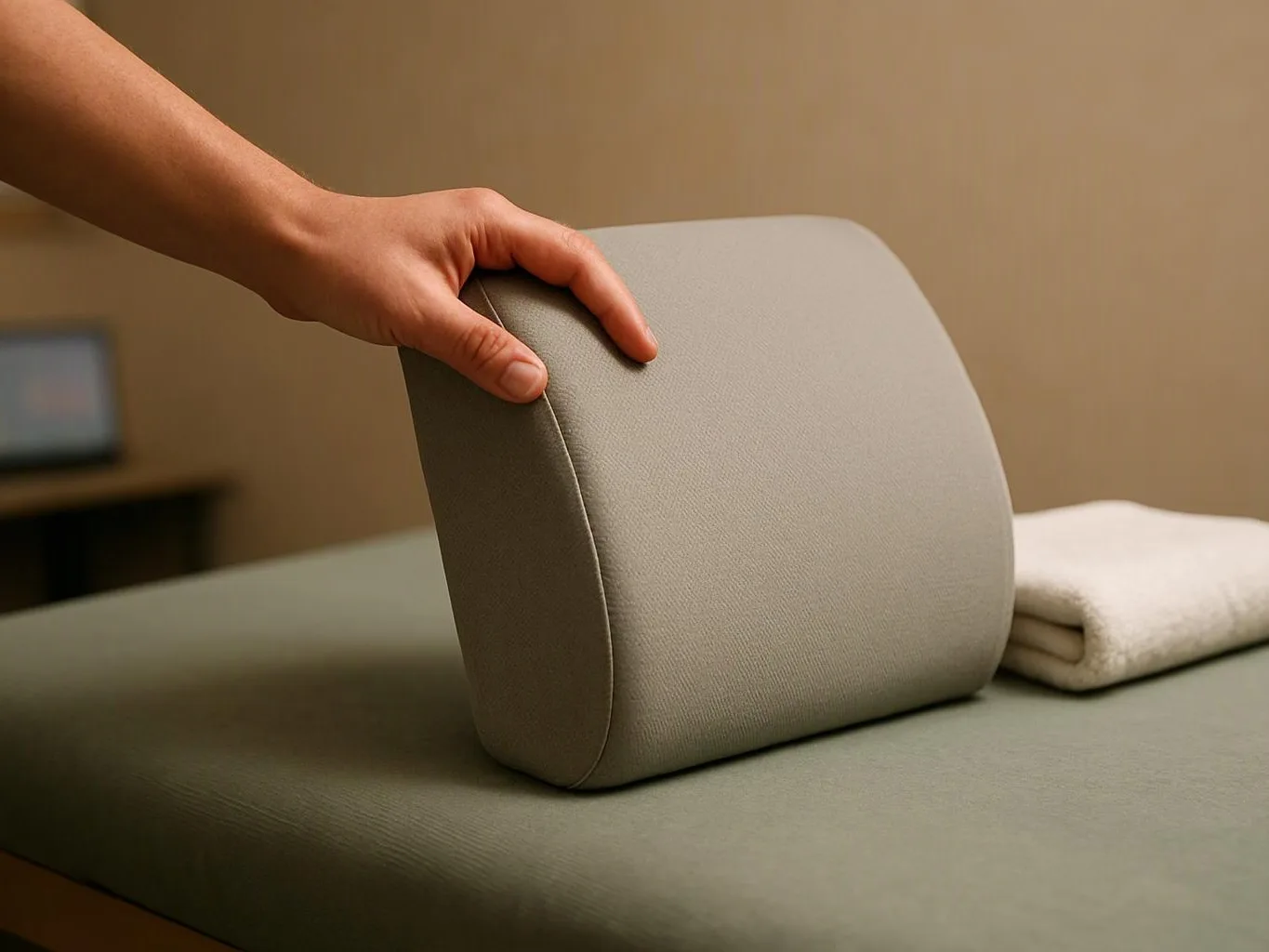
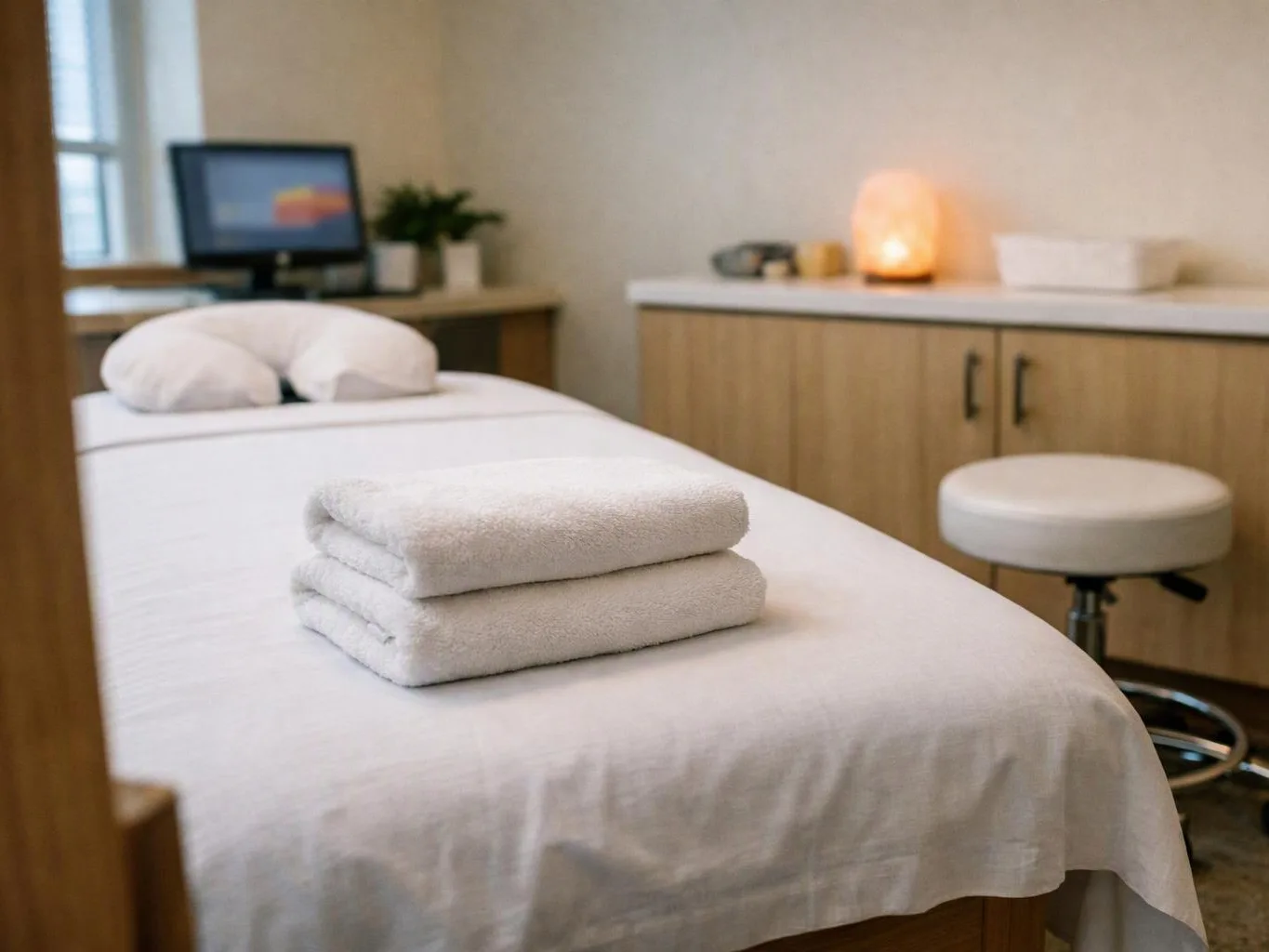
A tidy massage room shows a treatment bed with folded towels, a stool, and soft lighting

Spinal Decompression Therapy in Other Areas

The health and wellness information on this website is for general informational purposes only and is not medical advice. It does not create a provider-patient relationship. Always consult a qualified licensed provider in Hermitage, Tennessee, United States about your specific condition before making care decisions. Individual results vary.

(615) 265-0412