Skip to content

Spinal Decompression Therapy in La Vergne, Tennessee

Because nerve compression needs a careful health history and exam, we assess your needs before treatment in La Vergne. Free Consultations are available to discuss your symptoms and goals.

Upfront, Transparent PricingServing 23 CommunitiesMon-Fri: 9 am–7 pm, Sat: 9 am–2 pm, Sun: ClosedFast Scheduling

Quick Summary: spinal decompression therapy in La Vergne, Tennessee

Spinal decompression therapy in La Vergne is provided by Advanced Injury Care Clinic for patients with back pain, sciatica, herniated discs, and related musculoskeletal concerns. Care begins with a thorough evaluation and an individualized care plan for patients in Hermitage, Donelson, Mount Juliet, Old Hickory, Madison, and nearby Middle Tennessee communities.

  • What we do: Advanced Injury Care Clinic provides spinal decompression therapy for patients in La Vergne, Tennessee, after a thorough health history and exam.
  • What is included: Evaluation, personalized treatment planning, spinal decompression, chiropractic adjustments, therapeutic exercises, soft tissue therapy, and rehabilitative care.
  • What you get: The patient receives a care plan that matches the condition, goals, lifestyle, and clinical findings.

What conditions may spinal decompression therapy address?

Nerve compression may relate to herniated discs, bulging discs, back pain, or sciatic pain. A thorough evaluation helps determine whether spinal decompression therapy fits your symptoms or whether another form of care is more suitable.

Spinal Decompression Therapy in La Vergne, Tennessee for Nerve Compression

Spinal decompression therapy is considered for people with back pain, sciatica, herniated discs, or bulging discs. The main decision is whether the symptoms and exam findings match this form of care.

A health history and exam help us review movement, pain patterns, and daily limits. We may also consider chiropractic adjustments, soft tissue therapy, therapeutic exercises, or rehabilitative care. This service is not the right fit for every condition, so the assessment comes before treatment planning.

  • Review whether back pain, sciatica, or disc-related symptoms fit decompression care.
  • Discuss health history, goals, lifestyle, and daily movement limits.
  • Compare decompression with adjustments, exercises, or soft tissue therapy.
  • Set a personalized treatment plan after the evaluation.
A therapist holds a clipboard with charts while speaking to a seated woman in a living room

Service Overview

Spinal decompression therapy is a non-surgical treatment approach that uses controlled traction to reduce pressure through the spine.

  • Unlike a chiropractic adjustment, decompression uses a gradual pulling motion while adjustments use a targeted manual technique.
  • Advanced Injury Care Clinic provides this care for patients in La Vergne and nearby Middle Tennessee communities.

What Spinal Decompression Therapy Includes for Your Care

Advanced Injury Care Clinic provides comprehensive Spinal Decompression Therapy in La Vergne. Here's what you get:

  • A health history and physical examination help us understand your symptoms and movement.
  • A report of findings explains whether spinal decompression therapy fits your condition.
  • A personalized treatment plan connects care with your goals and lifestyle.
  • Controlled traction on a spinal decompression table supports the planned treatment approach.
  • Therapeutic exercises or rehabilitative care may support movement between visits.
  • Progress re-examination helps us review changes and guide the next care decision.
Process

How We Plan and Deliver Spinal Decompression Care

1

Review Your Health History

We discuss symptoms, past injuries, daily activity, goals, and lifestyle concerns during the new patient intake.

2

Complete the Examination

The health history and exam help us review movement, pain patterns, and whether decompression fits the concern.

3

Explain the Findings

The report of findings explains the care options, including spinal decompression, adjustments, exercises, or soft tissue techniques.

4

Set the Treatment Plan

We create a personalized care plan that reflects your condition, goals, and lifestyle.

5

Review Progress

Progress re-examination helps us review changes and decide whether the plan should continue or change.

A client scenario this service addresses

A person who sits for long work periods and develops back pain with leg symptoms may ask about decompression care. We review the symptom pattern, movement, health history, and daily limits before deciding whether this treatment fits.

What You Get From a Careful Decompression Plan

Assessment before treatment

The first decision follows a health history and exam, not a preset treatment plan. Spinal decompression therapy is the wrong job when another condition needs a different form of medical care.

Care matched to daily goals

Your plan considers symptoms, movement limits, lifestyle, and the activities you want to resume. Therapeutic exercises and rehabilitative care may be added when they fit the findings.

Several care methods in one plan

Our licensed chiropractor may combine decompression with adjustments, soft tissue techniques, or exercise-based care when the evaluation supports that choice.

What This Care May Change for Daily Movement

Spinal decompression therapy may help reduce discomfort linked to pressure around the spine.

The care plan connects treatment with practical goals such as walking, sitting, or bending.

Therapeutic exercises may help support mobility and strength during recovery.

Soft tissue therapy may address tight muscles that affect comfortable movement.

Regular maintenance care may support ongoing wellness after the main concern improves.

How Decompression Care Differs From Related Treatments

This table compares the main action and planning focus of related care methods.

Care methodMain actionPlanning focus
Spinal decompression therapyUses controlled traction on a spinal decompression table.Reviews disc-related symptoms, movement, and treatment suitability.
Chiropractic adjustmentUses a targeted manual technique to address joint movement.Reviews movement findings and the patient’s care goals.
Therapeutic exerciseUses planned movements to support strength and mobility.Matches exercises to function, symptoms, and daily activity.

The Advanced Injury Care Clinic Standard

  • Personalized Care
  • Thorough Evaluations
  • Clear Explanations
  • Respectful Environment

Questions About Spinal Decompression Therapy and Symptoms

What does the clinician look at first during treatment planning?

The health history and exam come first during treatment planning. We review symptom patterns, movement, past injuries, daily limits, and your goals. The report of findings then explains whether spinal decompression therapy, chiropractic adjustments, therapeutic exercises, or another option fits the concern.

What should be checked before decompression is scheduled?

A patient’s health history, symptoms, movement, and goals should be checked before decompression is scheduled. The evaluation helps identify whether traction suits the concern. It also gives our team a chance to discuss other care methods when the findings do not support decompression.

Who is a good fit for this treatment, and who needs different care?

People with suitable back or disc-related symptoms may be candidates after an evaluation. Patients with findings that call for another form of care need a different plan. We review the health history and exam before recommending treatment, and we explain the reason for that decision.

Which symptoms should prompt a medical evaluation first?

Severe or changing symptoms should receive medical evaluation before chiropractic treatment is planned. Sudden weakness, loss of bowel or bladder control, or major trauma needs prompt medical attention. Our intake reviews your history and symptoms, but it does not replace urgent medical care.

How does decompression differ from a chiropractic adjustment?

Spinal decompression uses controlled traction, while a chiropractic adjustment uses a targeted manual technique. We may consider either method after reviewing the health history and exam. The care plan depends on the condition, movement findings, goals, and response to treatment.

Why might exercises be added to decompression care?

Therapeutic exercises may support strength, mobility, and daily movement during a care plan. We choose exercises based on the exam and the patient’s goals. Exercises do not replace the assessment, and they may be adjusted when progress re-examination shows a different need.
Contact

Discuss Spinal Decompression Therapy in La Vergne

Are back pain, disc concerns, or sciatic symptoms affecting your daily life? Contact Advanced Injury Care Clinic to discuss spinal decompression therapy, request an assessment, and ask about Free Consultations.

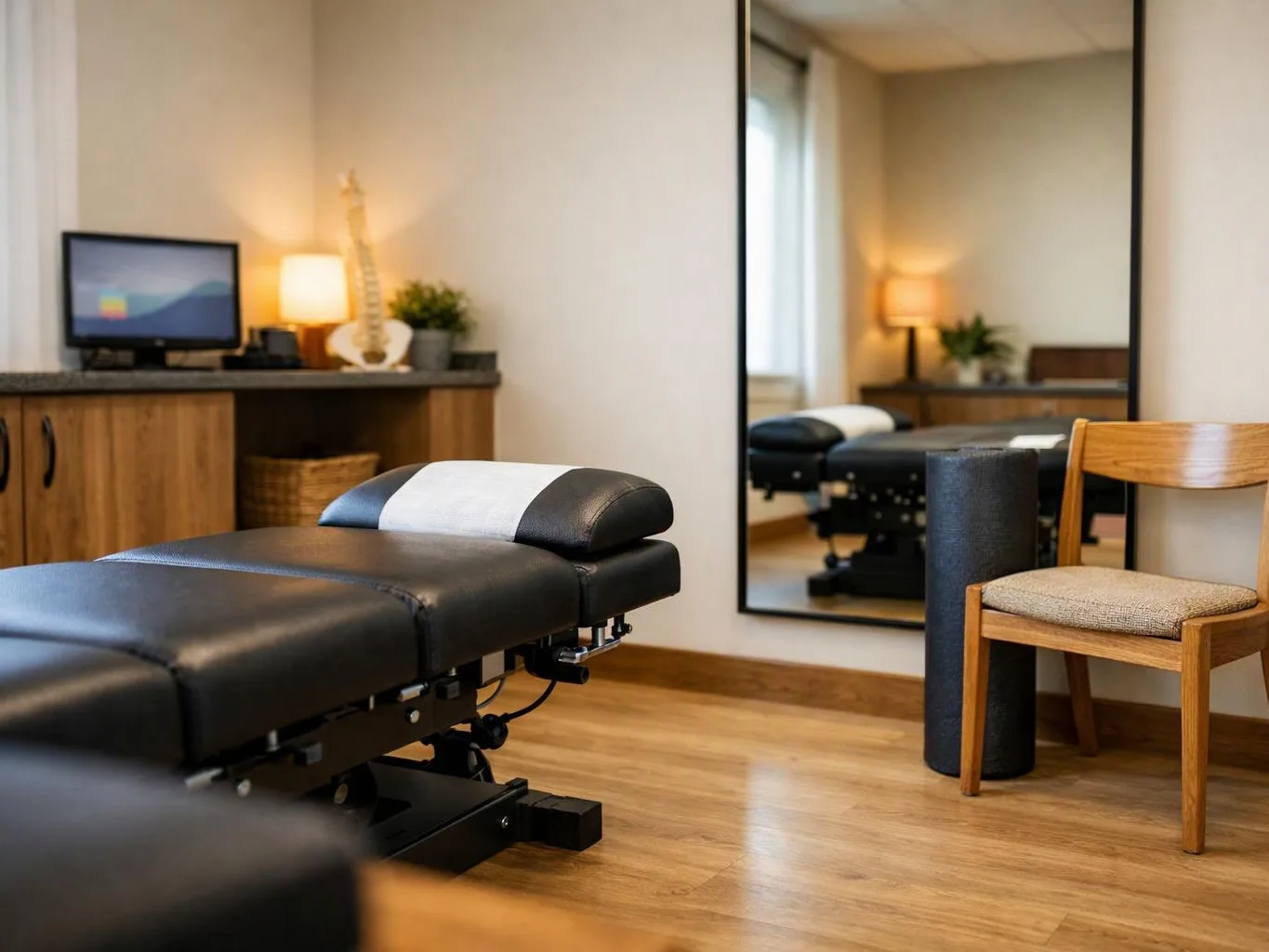
A massage table sits in a softly lit treatment room with a mirror, lamp, cabinet, and chair

ZIP Codes We Serve in La Vergne, Tennessee

3708637089

Spinal Decompression Therapy in Other Areas

The health and wellness information on this website is for general informational purposes only and is not medical advice. It does not create a provider-patient relationship. Always consult a qualified licensed provider in Hermitage, Tennessee, United States about your specific condition before making care decisions. Individual results vary.

(615) 265-0412