Skip to content

Spinal Decompression Therapy in Forest Hills, Tennessee

Spinal stability helps prevent recurring strain in Forest Hills. We assess your condition and match care to your symptoms, goals, and daily habits.

Upfront, Transparent PricingServing 23 CommunitiesMon-Fri: 9 am–7 pm, Sat: 9 am–2 pm, Sun: ClosedFast Scheduling

Quick Summary: Spinal decompression care in Forest Hills, Tennessee

Spinal decompression therapy in Forest Hills is provided by Advanced Injury Care Clinic for back pain, neck pain, sciatica, and related musculoskeletal concerns. Care includes an evaluation and an individualized plan that may combine decompression, adjustments, exercises, and soft tissue work.

  • What we do: Advanced Injury Care Clinic provides spinal decompression therapy for patients in Forest Hills, Tennessee, after an evaluation and care-plan review.
  • What is included: Evaluation, spinal decompression, chiropractic adjustments, therapeutic exercises, soft tissue therapy, and rehabilitative care.
  • What you get: The patient receives a care plan that matches symptoms, goals, movement needs, and daily habits.

What factors can affect spinal decompression results?

Spinal stability, disc condition, treatment consistency, and posture habits can affect spinal decompression results. An evaluation helps connect these factors to your symptoms. Care plans may include decompression, adjustments, exercises, and soft tissue therapy. Individual response differs, so progress is reviewed as care continues.
Tailored Solutions for Forest Hills

Spinal decompression therapy focuses on how the spine moves under load. Our team uses an evaluation to review back pain, neck pain, sciatica, posture, and movement limits before recommending care.

The key decision is whether decompression matches the condition being treated. Disc condition, treatment consistency, and posture habits can affect progress, so we discuss those factors during care. The service is not the right fit for every symptom, and a clinical evaluation helps identify when another part of the care plan should lead.

Patients may receive decompression alongside chiropractic adjustments, therapeutic exercises, soft tissue techniques, or rehabilitative care. This page serves Forest Hills patients seeking a focused assessment for spinal decompression, not a general wellness visit.

  • Review back pain, neck pain, sciatica, and movement limits.
  • Discuss disc condition, posture habits, and treatment goals.
  • Assess whether spinal decompression fits the care plan.
  • Plan exercises, adjustments, or soft tissue therapy when appropriate.
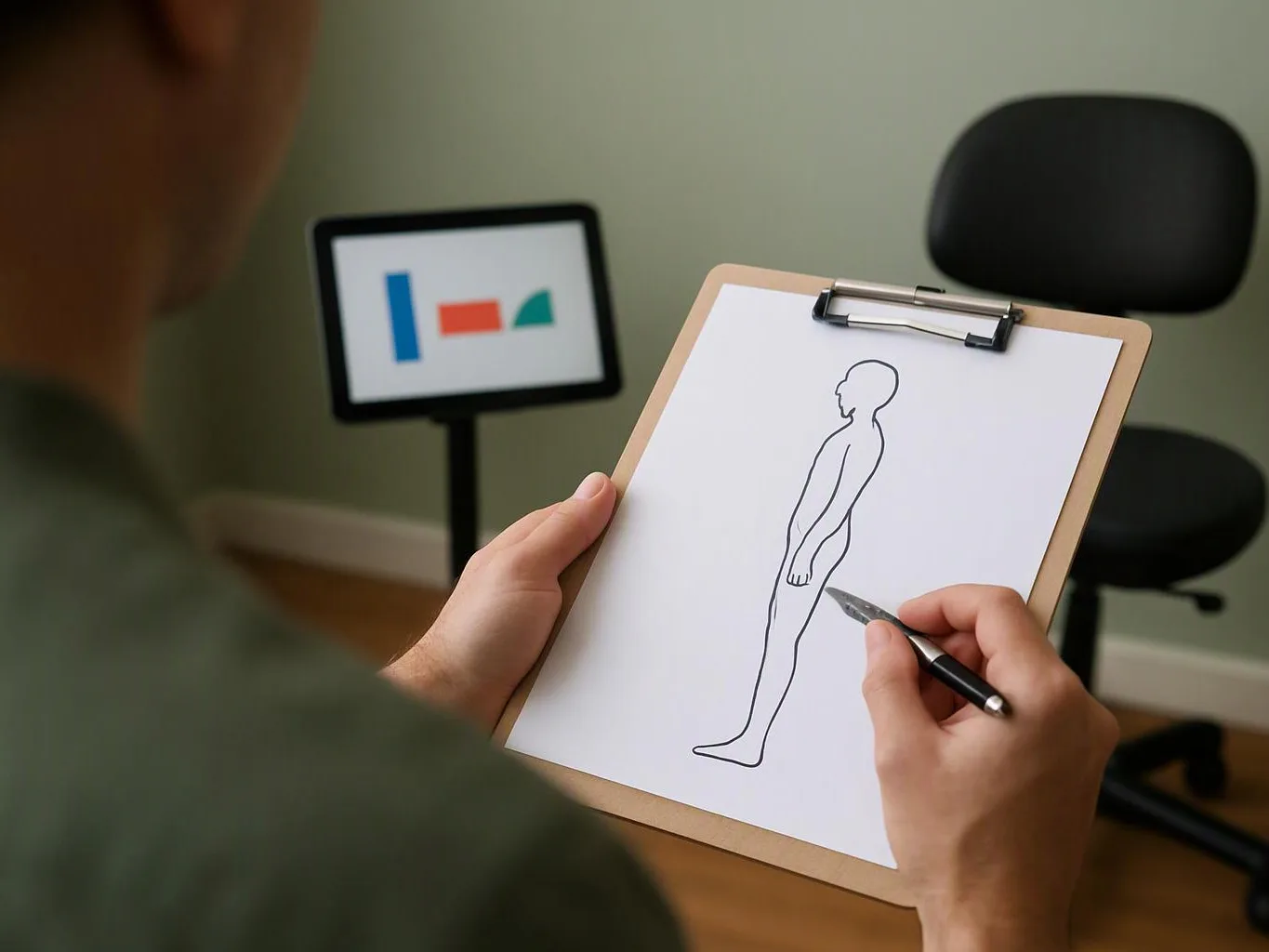
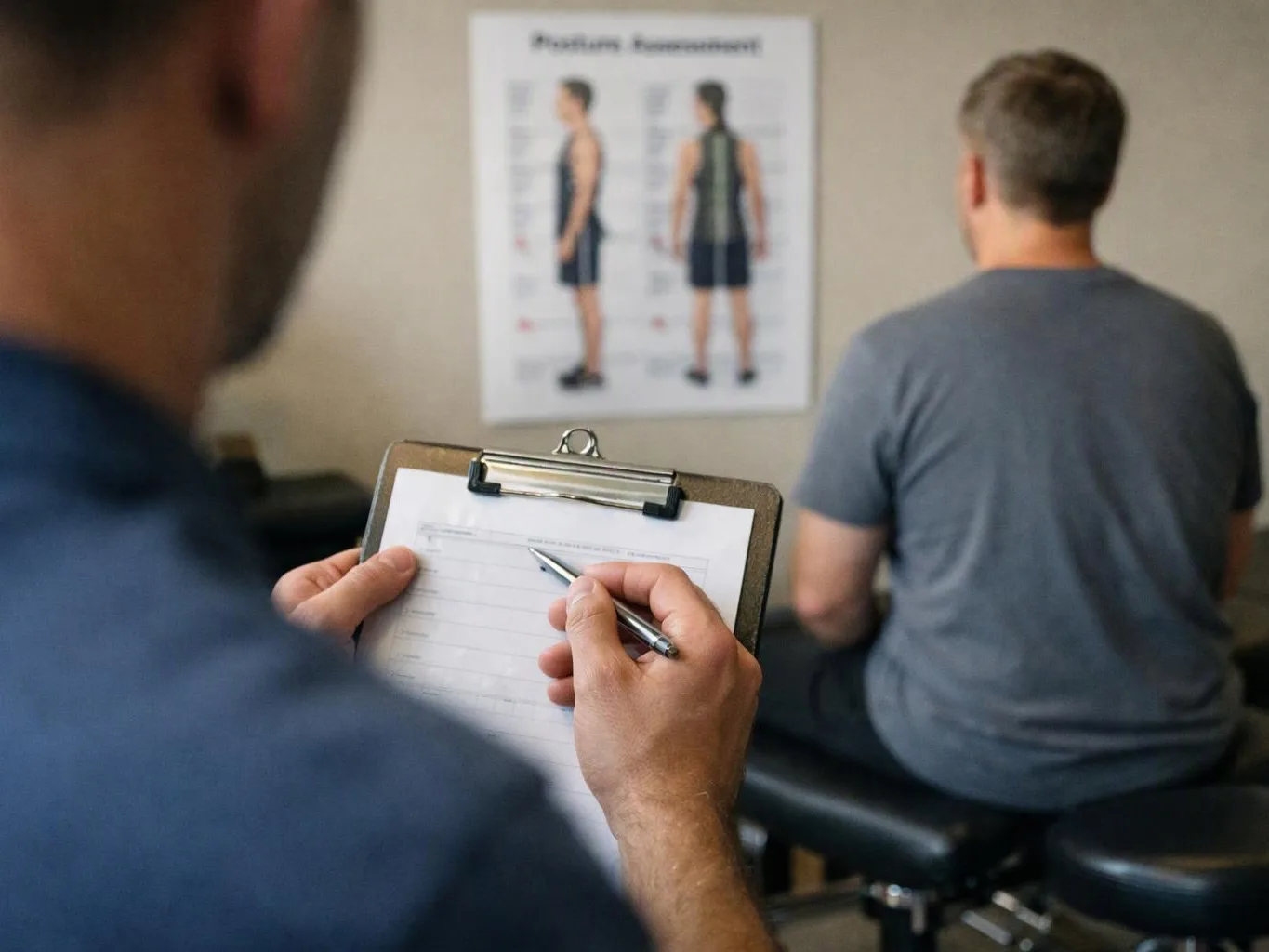
A clinician writes on a clipboard while a seated man faces a posture assessment chart in a room

Service Overview

Spinal decompression therapy is a non-surgical treatment that uses controlled traction to reduce stress through the spine.

  • Unlike a chiropractic adjustment, decompression uses a gradual pulling motion while adjustments use targeted manual or instrument-assisted movement.
  • Advanced Injury Care Clinic provides this care for patients in Forest Hills and nearby Nashville-area communities.

What patients may gain from focused decompression care

Spinal decompression may help reduce pressure-related discomfort for some patients.

A focused plan connects treatment choices with movement limits and daily goals.

Therapeutic exercises can support better movement between office visits.

Combining care methods may address both symptoms and the habits that affect them.

Patients receive clear guidance about what to monitor during treatment.

Regular maintenance may support continued mobility when it fits the care plan.

Process

How spinal decompression care is delivered

1

Complete the new patient intake

We record your health history, symptoms, goals, and relevant injury details before treatment planning.

2

Review movement and disc concerns

Our team performs an exam and considers posture, range of motion, sciatica, back pain, and neck pain.

3

Choose the treatment approach

We decide whether spinal decompression fits and whether adjustments, soft tissue therapy, or exercises should support it.

4

Apply controlled spinal traction

When appropriate, we use a spinal decompression table with a controlled traction method.

5

Review progress and next steps

We discuss your response to care and update the personalized treatment plan when needed.

How we approach spinal decompression decisions

Disc condition guides treatment fit

Disc condition helps shape the treatment plan. We review symptoms and exam findings before choosing decompression. The service may be the wrong fit when another medical concern needs a different evaluation first.

Posture habits shape daily strain

Posture habits can affect how the spine responds to daily activity. We discuss work, sleep, and movement patterns, then add exercises or other care when those choices affect the plan.

Consistency supports progress review

Treatment consistency gives our team a clearer view of individual response. We use follow-up checks to decide whether the plan should continue, change, or include another chiropractic technique.

What spinal decompression care includes

Advanced Injury Care Clinic provides comprehensive Spinal Decompression Therapy in Forest Hills. Here's what you get:

  • We begin with a new patient intake, health history, and physical exam.
  • We review symptoms, movement patterns, and relevant disc concerns.
  • We use a spinal decompression table when the treatment plan supports it.
  • We may pair decompression with chiropractic adjustments or soft tissue therapy.
  • We may prescribe therapeutic exercises that support movement and daily function.
  • We review progress and adjust the care plan as individual response develops.

How treatment methods differ

These methods use different actions, so the exam helps determine which belongs in your plan.

Treatment methodMain actionWhen it may fit
Spinal decompressionUses controlled traction on a spinal decompression tableWhen the assessment supports traction-based care
Chiropractic adjustmentUses targeted manual or instrument-assisted movementWhen movement findings support an adjustment
Therapeutic exerciseBuilds active movement practice around patient goalsWhen posture, strength, or mobility work supports the plan

The Advanced Injury Care Clinic Standard

  • Personalized Care
  • Thorough Evaluations
  • Clear Explanations
  • Respectful Environment

Questions about spinal decompression care

How can I tell whether decompression fits my symptoms?

Symptom patterns, movement findings, and health history help determine whether decompression fits. The first visit includes an exam that reviews back pain, neck pain, sciatica, and related concerns. We explain whether decompression should lead the plan or support other care, such as adjustments or rehabilitation.

Which part of my condition decides the treatment scope?

The exam findings decide the treatment scope. Disc concerns, range of motion, posture habits, and daily goals shape the care plan. We may include decompression, exercises, soft tissue therapy, or adjustments based on those findings. The plan changes when your symptoms or progress call for a different focus.

When should I ask about decompression after an auto accident?

Auto accident injuries should receive an evaluation before decompression begins. Whiplash, neck pain, headaches, and back pain can need different care choices. We review the injury history and current symptoms, then explain whether decompression belongs in the individualized plan.

Why might adjustments accompany spinal decompression?

Adjustments may accompany decompression when movement findings support both methods. Decompression applies controlled traction, while an adjustment uses targeted movement. Our team chooses the combination after the exam, and we may also add exercises or soft tissue therapy for the patient’s goals.

What should I bring to a first chiropractic appointment?

Relevant health information, injury details, and a list of current concerns help guide the first visit. We use that information during the new patient intake and exam. Tell us which movements, activities, or positions increase discomfort so the care plan reflects your daily needs.
Contact

Discuss spinal decompression care in Forest Hills

Start with a free consultation and a review of your symptoms, goals, and care options. Advanced Injury Care Clinic will explain whether spinal decompression belongs in your personalized plan.

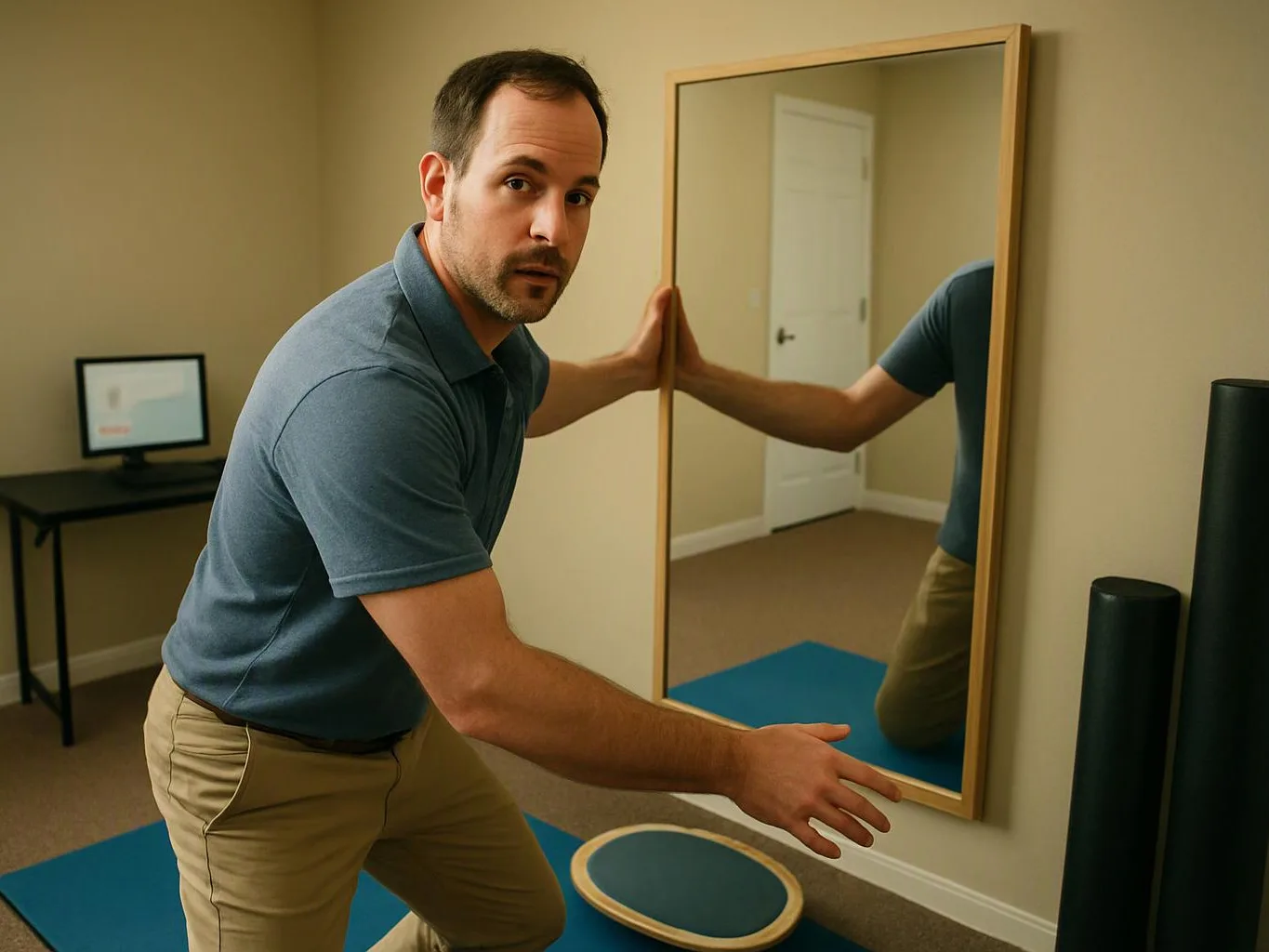
A man in a blue polo braces a wall mirror in a bare room with a small table and exercise mats

The health and wellness information on this website is for general informational purposes only and is not medical advice. It does not create a provider-patient relationship. Always consult a qualified licensed provider in Hermitage, Tennessee, United States about your specific condition before making care decisions. Individual results vary.

(615) 265-0412