Skip to content

Spinal Decompression Therapy in Green Hill, Tennessee

Treatment comfort guides each visit in Green Hill. Advanced Injury Care Clinic offers free consultations to discuss spinal decompression therapy and your goals.

Upfront, Transparent PricingServing 23 CommunitiesMon-Fri: 9 am–7 pm, Sat: 9 am–2 pm, Sun: ClosedFast Scheduling

Quick Summary: spinal decompression care in Green Hill, Tennessee

Spinal Decompression Therapy in Green Hill is provided by Advanced Injury Care Clinic for patients with back pain, neck pain, sciatica, and related musculoskeletal concerns. The practice serves Hermitage, Donelson, Mount Juliet, Old Hickory, Madison, and nearby Middle Tennessee communities, with free consultations available.

  • What we do: Advanced Injury Care Clinic provides Spinal Decompression Therapy for patients in Green Hill, Tennessee, after an evaluation and care discussion.
  • What is included: Evaluation, harness placement, gradual traction, table movement, and personalized chiropractic care.
  • What you get: Patients receive a clear treatment plan for spinal decompression care based on their condition and goals.

What should I expect during spinal decompression therapy in Green Hill, Tennessee?

Treatment comfort comes first during spinal decompression therapy. Patients discuss symptoms, review the planned table movement, and receive guidance about harness placement and gradual traction before treatment begins.
Local Expertise in Green Hill

Spinal decompression therapy focuses on how controlled traction feels and how it fits your condition. Our care may suit patients with back pain, neck pain, sciatica, or symptoms linked to a herniated disc, but an evaluation comes first.

Patients comparing this option should ask what the harness does, how table movement is controlled, and how progress will be reviewed. We use the health history and exam to decide whether spinal decompression belongs in a personalized treatment plan.

The service is part of a wider chiropractic approach that may include adjustments, soft tissue therapy, therapeutic exercises, or rehabilitative care. It isn't the right fit for every concern, so we discuss other care options when the assessment points elsewhere.

  • Review your health history and current symptoms before treatment.
  • Ask how harness placement supports treatment comfort.
  • Discuss gradual traction and table movement before the visit begins.
  • Confirm how spinal decompression fits your personalized care plan.
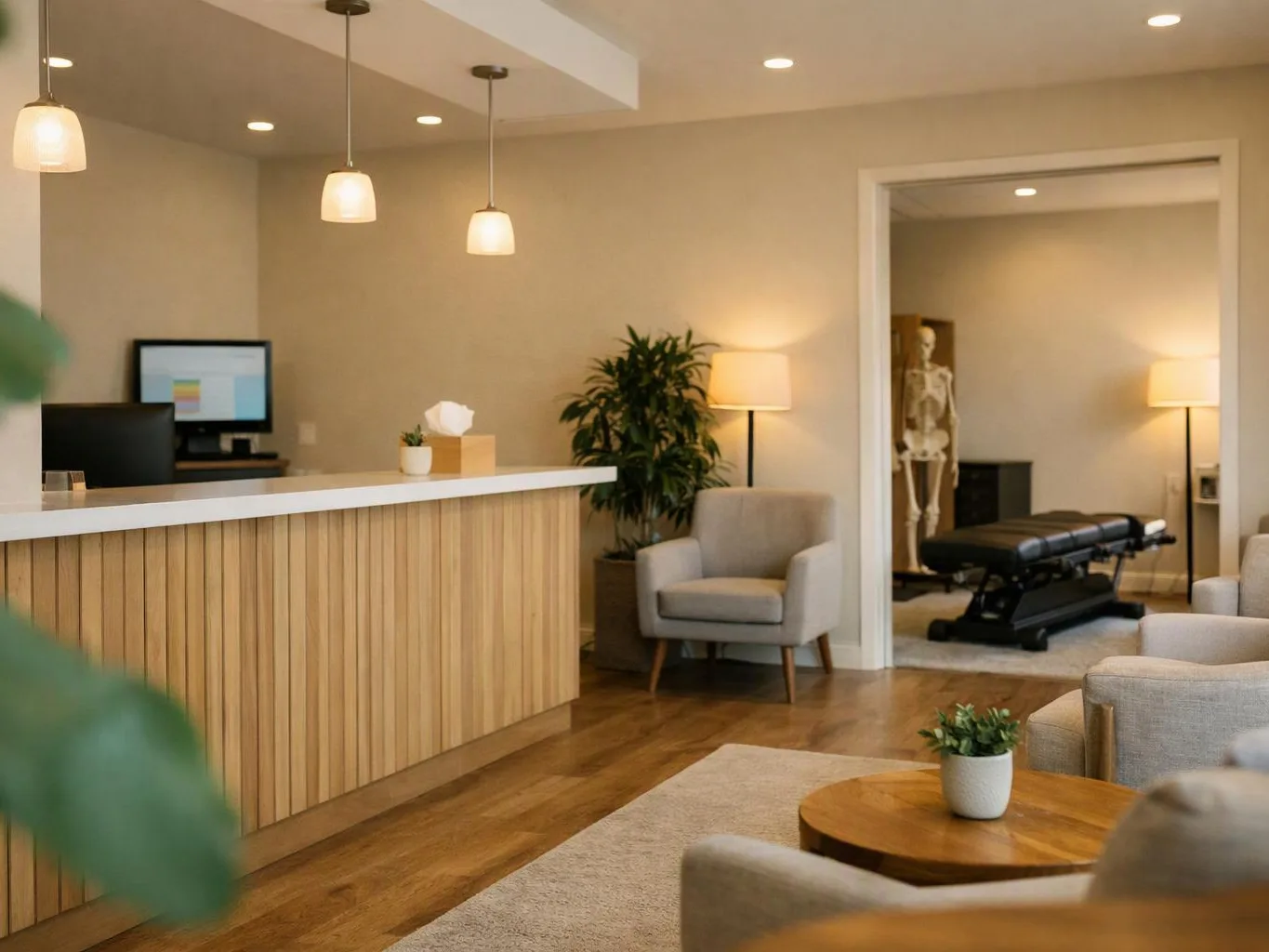
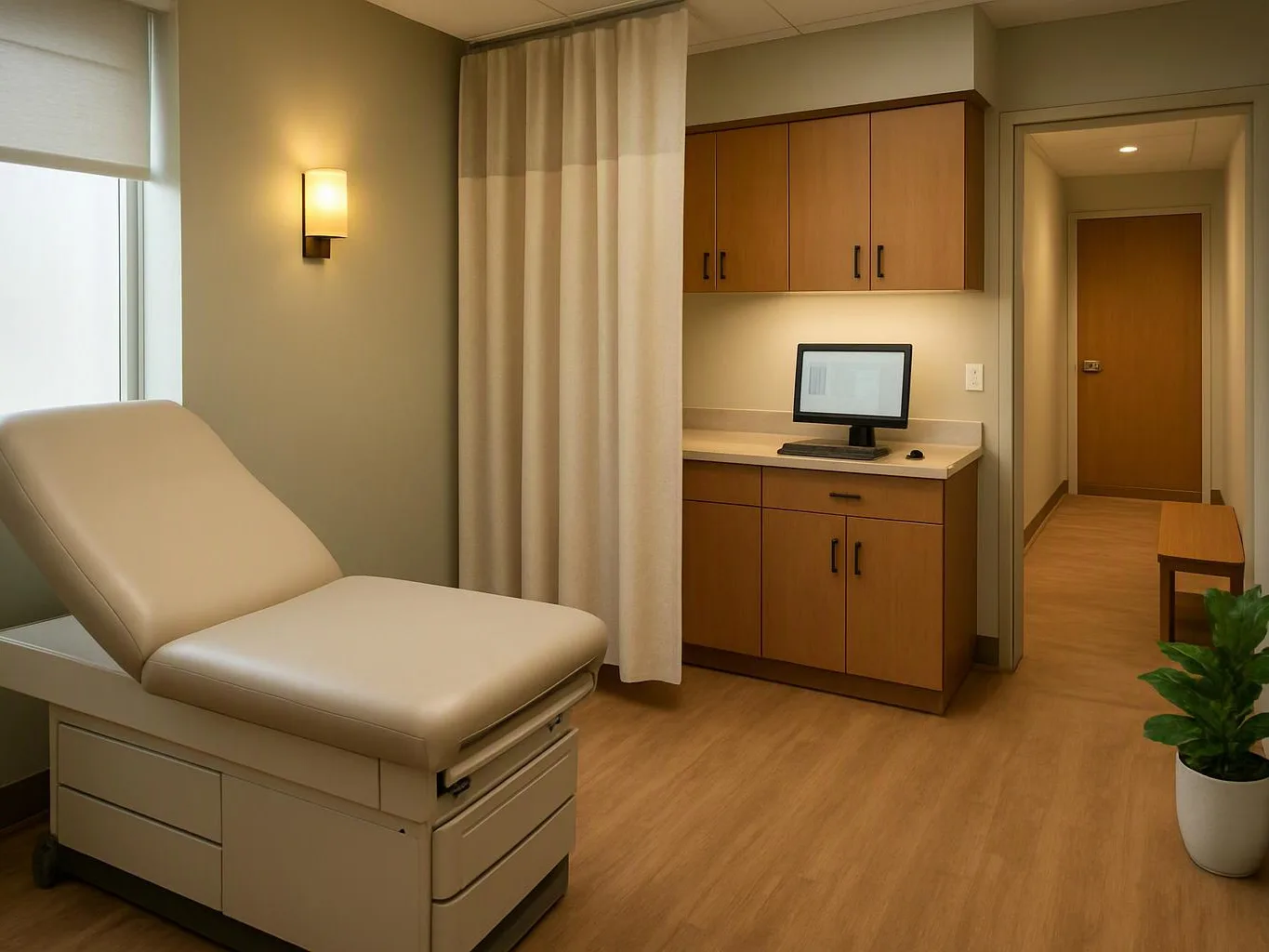
A clean exam room holds a padded medical table, cabinets, a monitor, and a potted plant

Service Overview

Spinal decompression therapy is a non-surgical treatment that uses controlled table movement and gentle traction for selected spinal concerns.

  • Unlike a chiropractic adjustment, spinal decompression uses a decompression table to apply guided traction through a planned care process.
  • Advanced Injury Care Clinic provides this care for patients in Green Hill and nearby Middle Tennessee communities.

What spinal decompression care includes

Advanced Injury Care Clinic provides comprehensive Spinal Decompression Therapy in Green Hill. Here's what you get:

  • A thorough evaluation helps us understand your symptoms, health history, and goals.
  • We explain how the spinal decompression table moves during treatment.
  • Harness placement is discussed and adjusted for patient comfort.
  • Gradual traction is applied as part of the planned treatment approach.
  • We may combine decompression with chiropractic adjustments, soft tissue therapy, or therapeutic exercises when appropriate.
  • Progress is reviewed as care continues and goals change.
Process

How we provide spinal decompression care

1

Review symptoms and health history

We begin with a new patient intake, health history, and exam. Patients explain pain, movement limits, prior injuries, and treatment goals.

2

Explain the table and harness

We describe the spinal decompression table, harness placement, and planned table movement before treatment starts.

3

Apply gradual traction

Gradual traction forms the central treatment step. We pay attention to comfort and adjust the discussion when concerns arise.

4

Connect care to your plan

We decide how decompression fits with adjustments, therapeutic exercises, soft tissue therapy, or rehabilitative care.

5

Review progress and next steps

A progress review helps us discuss symptoms, mobility, and whether the personalized treatment plan still fits.

How we approach spinal decompression decisions

Comfort before table movement

Treatment comfort guides the setup, so we explain harness placement and table movement before care begins. Patients can raise concerns during the visit.

A plan based on your exam

Your health history, symptoms, goals, and lifestyle shape the care plan. We may consider spinal decompression alongside adjustments, exercises, or soft tissue therapy.

A clear fit check

Spinal decompression is the wrong job when the evaluation points to a different care need. We discuss the next suitable step instead of forcing one treatment into every plan.

What patients seek from spinal decompression care

Controlled traction gives patients a clear way to discuss comfort during treatment.

The evaluation connects spinal decompression with the patient’s symptoms and daily goals.

A personalized plan helps keep treatment focused on mobility and functional comfort.

Spinal decompression may support care for back pain, neck pain, sciatica, and related musculoskeletal concerns.

Regular maintenance may be discussed when ongoing wellness care fits the patient’s needs.

Spinal decompression and related chiropractic care

This comparison shows how the main treatment focus differs between common care options.

Care optionMain treatment focusWhen it may be discussed
Spinal decompressionControlled traction and table movementWhen an evaluation supports this approach
Chiropractic adjustmentA targeted manual or instrument-assisted adjustmentWhen joint movement and alignment are part of the care plan
Therapeutic exerciseMovement practice and strength supportWhen function and home activity are treatment goals

The Advanced Injury Care Clinic Standard

  • Personalized Care
  • Thorough Evaluations
  • Clear Explanations
  • Respectful Environment

Questions about spinal decompression care

What should I expect during spinal decompression therapy?

Treatment comfort guides the visit from setup through table movement. Advanced Injury Care Clinic reviews your symptoms, explains harness placement, and discusses gradual traction before treatment begins. Patients can ask questions about the table and planned care. The visit may also connect decompression with exercises, adjustments, or soft tissue therapy when those services fit the evaluation.
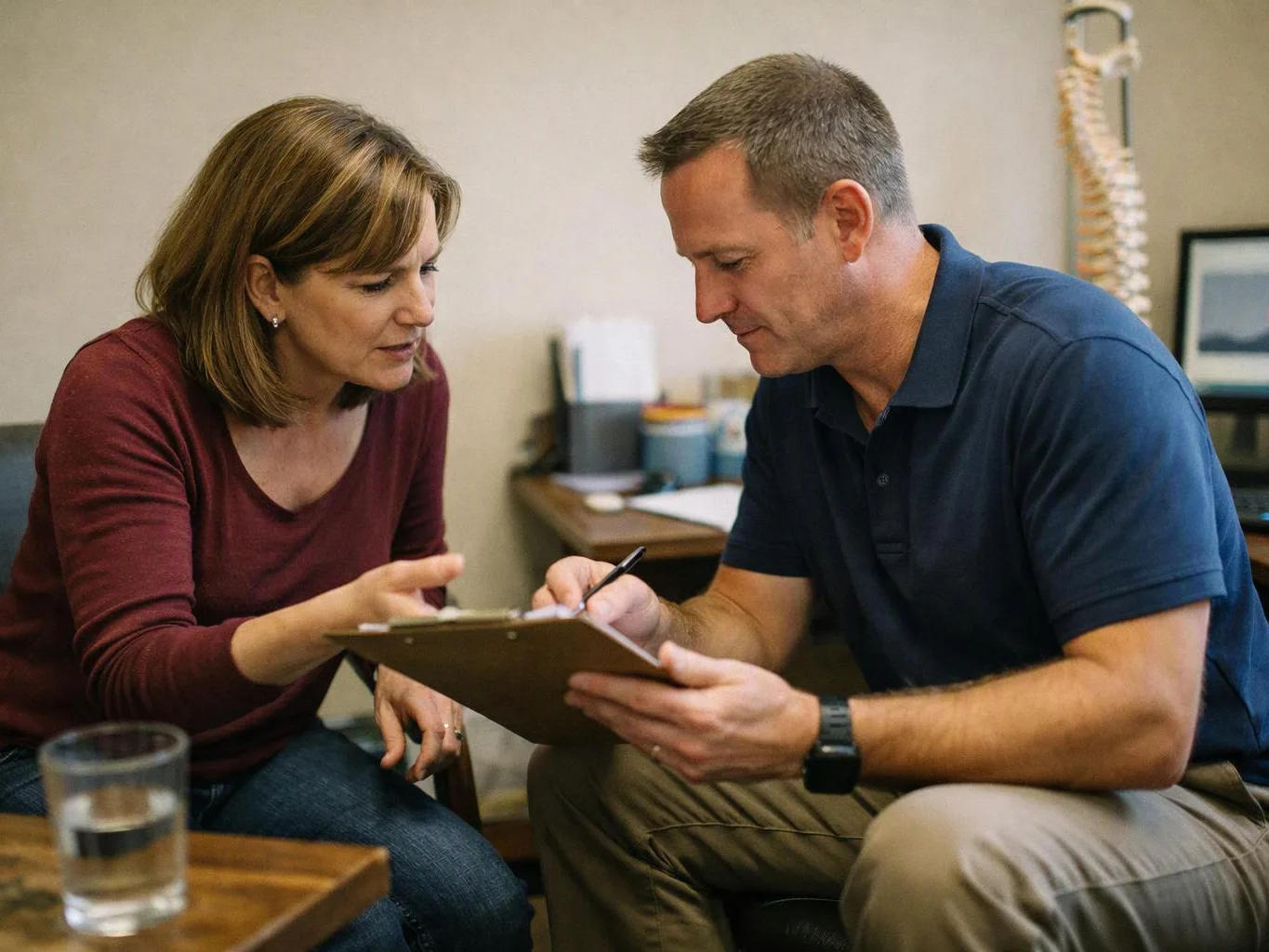
What should be checked before spinal decompression is scheduled?

A health history and exam should be checked before spinal decompression is scheduled. Our team reviews symptoms, prior injuries, daily limits, and treatment goals. X-rays may be considered if clinically indicated. This information helps us decide whether decompression fits your plan or whether another form of chiropractic care is more suitable.

Who is a good fit for spinal decompression, and who needs different care?

Patients with selected back pain, neck pain, sciatica, or related concerns may be good candidates after an evaluation. The assessment decides whether traction fits the condition and goals. Some patients need adjustments, therapeutic exercises, soft tissue therapy, or another care approach instead. Individual response differs, so no single treatment fits every patient.

What happens at each stage of spinal decompression therapy?

Each stage moves from assessment to setup, traction, and progress review.

  1. We review the health history and symptoms.
  2. We explain harness placement and table movement.
  3. We apply gradual traction within the planned care approach.
  4. We review progress and discuss the next step.

Which symptoms may lead someone to ask about spinal decompression?

Back pain, neck pain, sciatica, and some herniated disc concerns may lead patients to ask about decompression. Symptoms alone do not decide treatment. We complete an evaluation and connect the findings with your goals, lifestyle, and movement needs before recommending a care plan.

How does spinal decompression differ from a chiropractic adjustment?

Spinal decompression uses controlled traction and table movement, while an adjustment uses a specific manual or instrument-assisted technique. We choose between these approaches after reviewing the patient’s condition. Some personalized care plans include more than one service, such as exercises or soft tissue therapy.

What changes the cost of spinal decompression care?

The evaluation, recommended treatment plan, and related services change the cost of care. A free consultation gives patients a chance to discuss symptoms and ask what the plan includes. We explain the proposed scope before care begins, and we don’t assign one price to every patient.
Contact

Ask about spinal decompression therapy in Green Hill

Treatment comfort matters when you’re deciding on spinal decompression therapy. Advanced Injury Care Clinic offers free consultations so you can discuss your symptoms, harness placement, and gradual traction with our team.

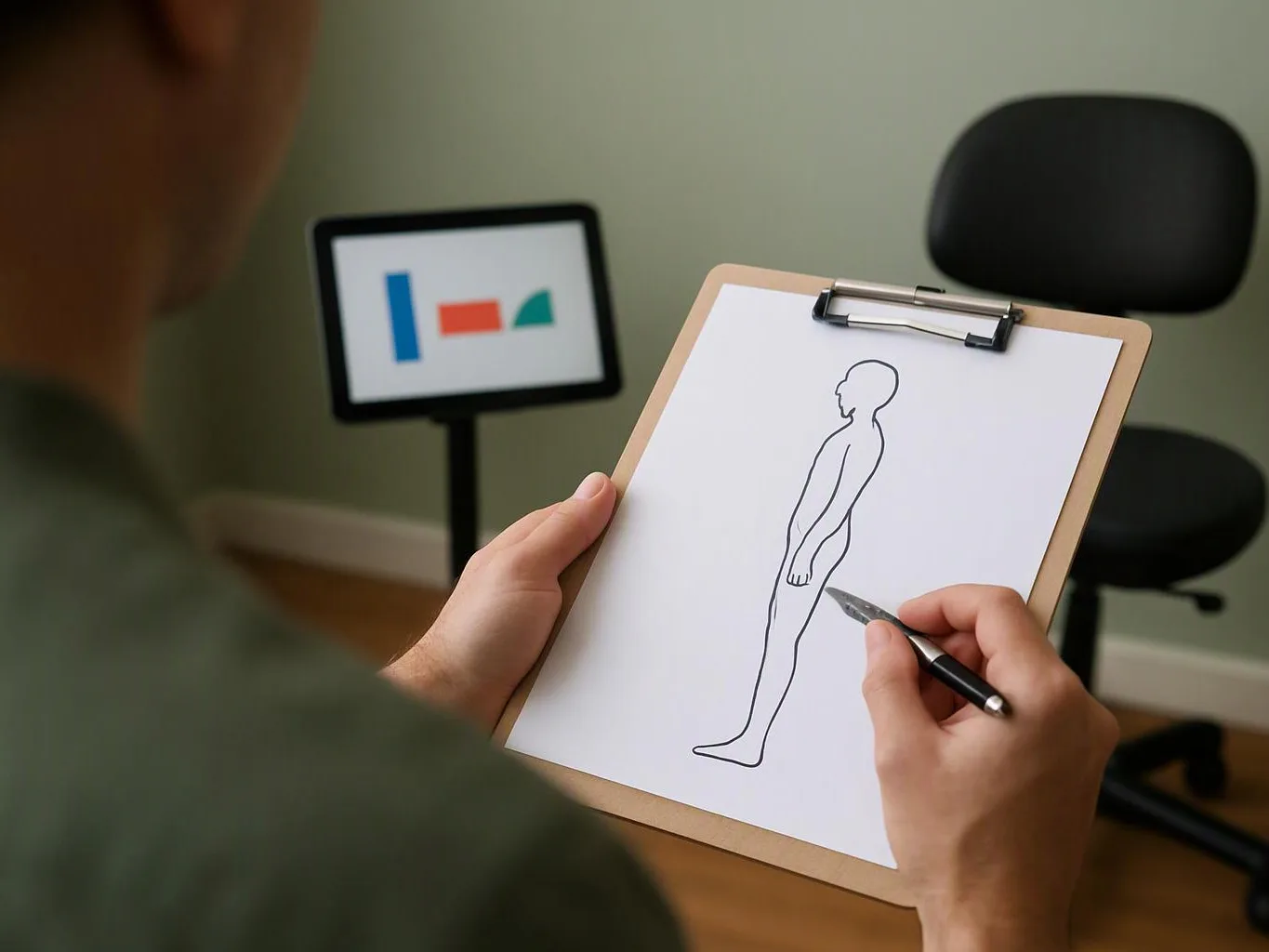
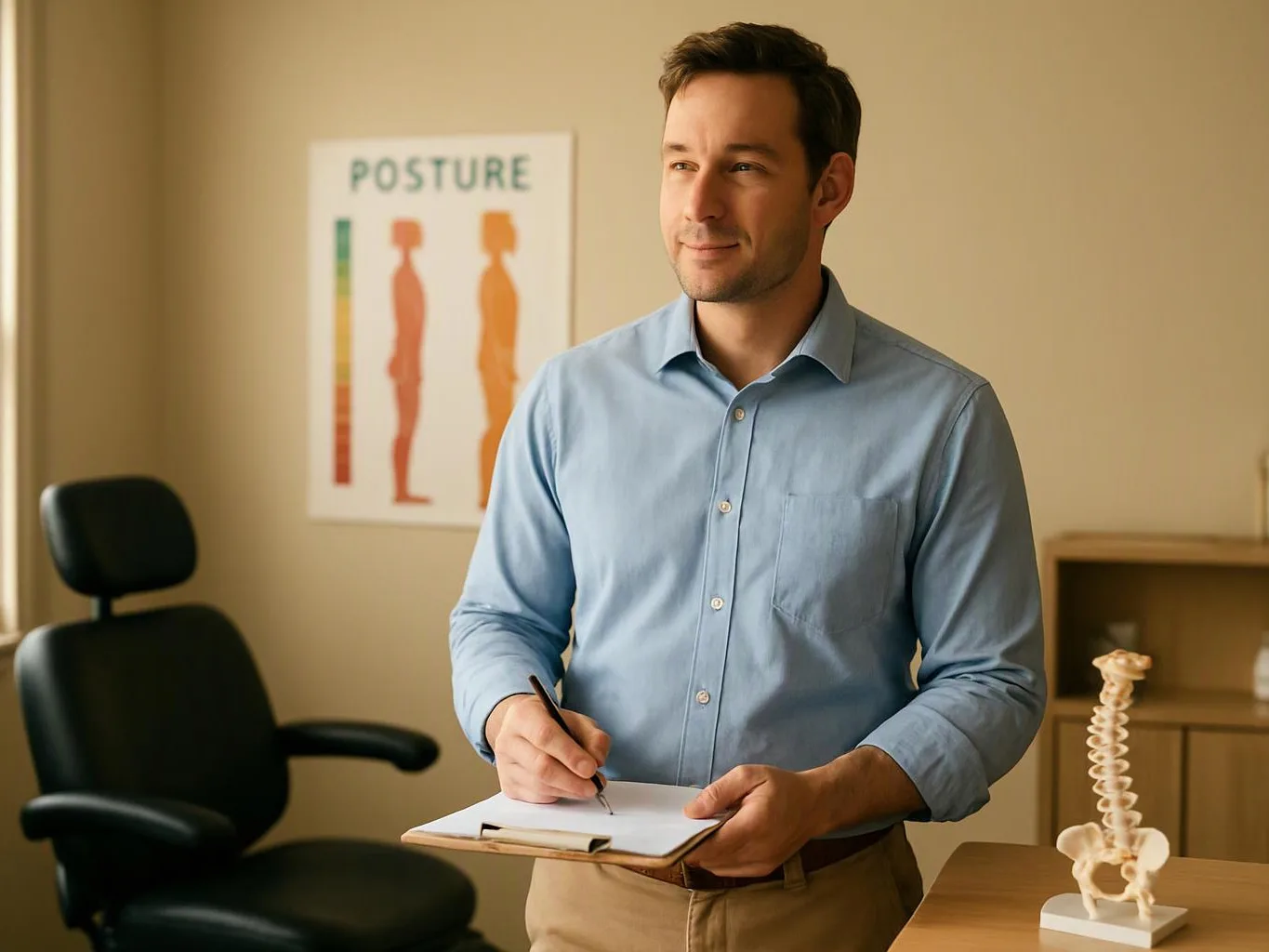
A man in a light blue shirt writes on a clipboard in a clinic room with a posture poster and spine model

The health and wellness information on this website is for general informational purposes only and is not medical advice. It does not create a provider-patient relationship. Always consult a qualified licensed provider in Hermitage, Tennessee, United States about your specific condition before making care decisions. Individual results vary.

(615) 265-0412