Glossary

What is Neuromuscular Re-education?

Neuromuscular Re-education is a therapeutic approach that retrains the brain, nerves. And muscles to work together correctly after injury, surgery. Or chronic conditions. It uses targeted exercises, manual techniques. And sensory feedback to restore normal movement, balance. And coordination. The goal is to improve function and reduce pain by rebuilding healthy movement patterns.

Reviewed by Advanced Injury Care ClinicSources reviewed: American Physical Therapy Association, National Institutes of Health

Quick Facts About Neuromuscular Re-education

Category

Therapeutic rehabilitation technique

Used for

Injury recovery, post-surgery rehabilitation, chronic pain management

Common confusion

Often mistaken for general strength training. But focuses on brain-muscle communication

Also called

NMR, Movement Retraining

Often discussed with

Car Accident Injury Treatment, Work Injury Treatment

Key Takeaways About Neuromuscular Re-education

Understanding Neuromuscular Re-education
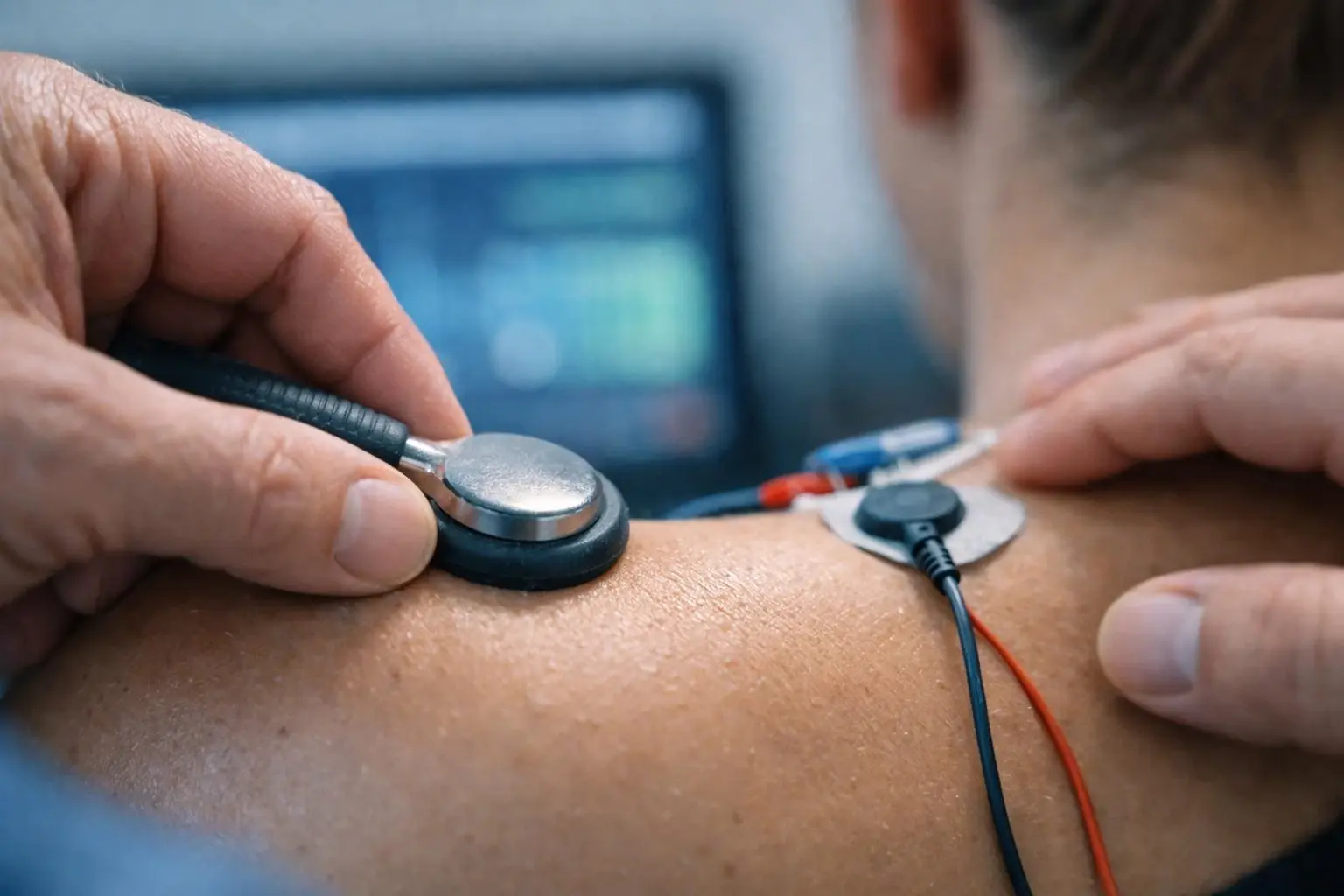
Neuromuscular Re-education in Chiropractor: Neuromuscular Re-education is a therapeutic approach that retrains the brain...

Neuromuscular re-education is a special therapy. It helps the body move right again. This happens after injury, surgery. Or long-term problems.

Related glossary terms: Physical Rehabilitation, Chiropractic Care, Myofascial Release.

When muscles or nerves get hurt, the brain can't control them well. This may cause bad posture, limping. Or pain. The therapy teaches the brain to send better signals.

Then muscles move smoother and more controlled. This is not like regular strength training. It fixes the brain-muscle link, not just muscle size.

Say someone hurts their knee. They may struggle to walk right. This therapy helps them walk better. It uses practice and feedback to build confidence.

It often works with other treatments. These may be chiropractic care or physical therapy. Together, they help recovery the most.

How Neuromuscular Re-education Works?

This therapy uses the body's natural learning. First, a therapist checks how you move. They look for movements that hurt or don't work well.

The therapist then picks special exercises. These turn on the right muscles. They stop other muscles from taking over. Exercises may include balance work or resistance moves.

They may also use hands-on help. This wakes up muscle memory. Feedback is very important. You might use mirrors or special tools.

The therapist may give verbal tips too. This helps you fix your form right away. Over time, brain and muscles reconnect. Movement becomes natural and pain-free.

Someone with back pain may learn to use core muscles. This eases strain on the lower back. The therapy grows with you. Exercises get harder as you improve.

Why Neuromuscular Re-education Matters?
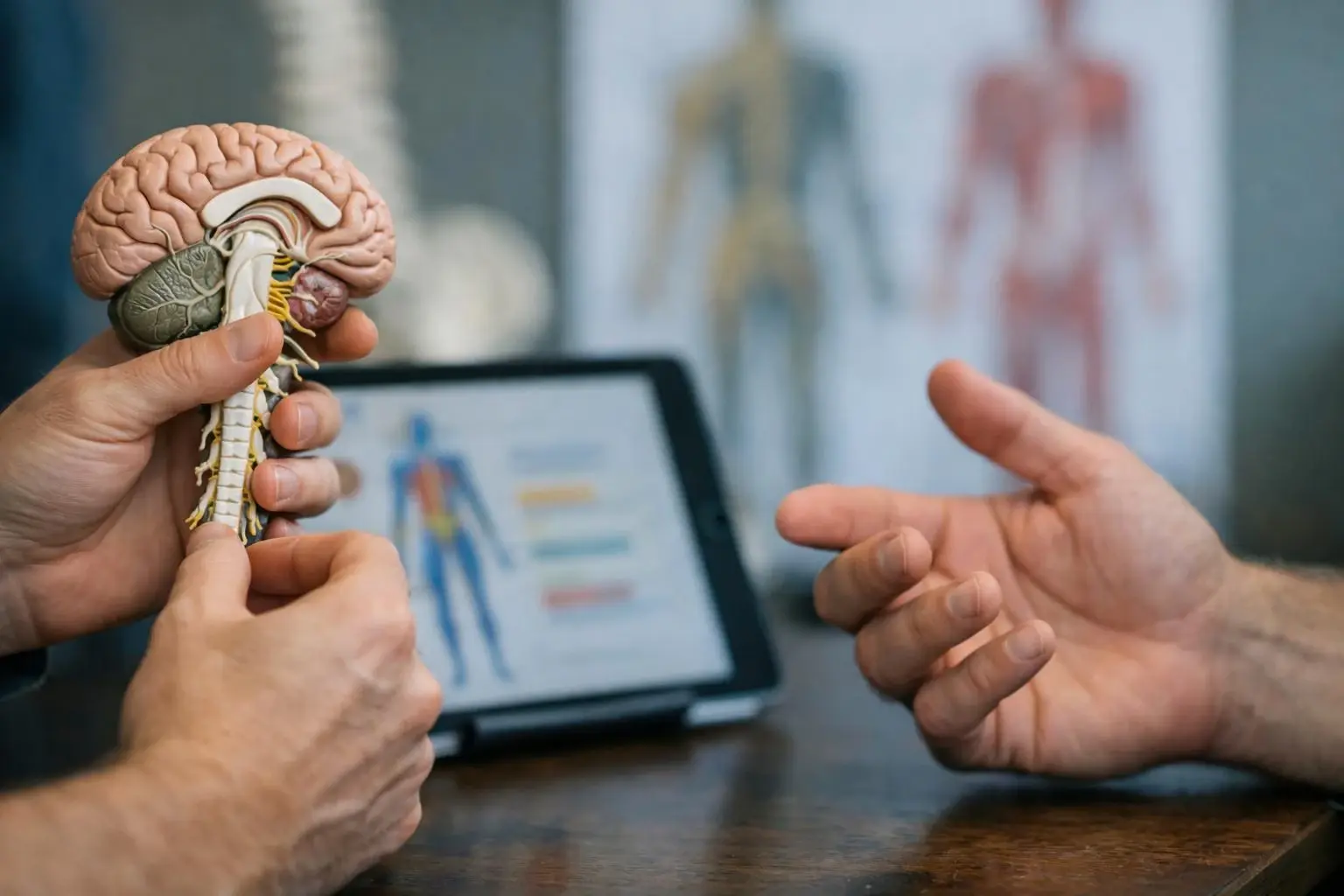
How Neuromuscular Re-education applies to Chiropractor services in Hermitage, United States—practical illustration

This therapy fixes the real cause of movement problems. It doesn't just mask pain. Many people move wrong after an injury.

Bad habits can cause long-term pain. They can also cause more damage. This therapy teaches correct movement. It stops problems from coming back.

It helps athletes and surgery patients. It also helps people with arthritis or nerve issues. It does more than help the body.

It can make life better. People can do fun things again. They may play sports or garden. They can walk without pain.

It cuts down on pain pills. It also cuts down on surgeries. It helps the body heal right. This leads to long-term health.

When Neuromuscular Re-education Matters Most?

This therapy helps most after big movement changes. These may be injuries like sprains or breaks. They may be surgeries like joint fixes or back work.

It also helps people with long-term nerve issues. These may be diabetes or MS. People with falls, poor balance. Or daily pain may also benefit.

In Hermitage, TN, many people are active. Many also have physical jobs. This therapy helps them heal from work injuries or sports.

A construction worker with a hurt shoulder may use it. They can get strong and coordinated again. Then they can work safely.

An older adult who fell may use it too. It can improve balance. This lowers the chance of more falls. The therapy works for many needs.

It's a great tool for most patients.
How to Evaluate Neuromuscular Re-education?

Related Concepts Compared

Neuromuscular Re-education vs. Physical Rehabilitation

Physical rehabilitation focuses on restoring general strength and mobility. While Neuromuscular Re-education specifically targets the connection between nerves and muscles to improve movement patterns.

Neuromuscular Re-education vs. Strength Training

Strength training builds muscle size and power. But Neuromuscular Re-education retrains the brain and muscles to work together efficiently, often addressing movement dysfunction.

Neuromuscular Re-education vs. Myofascial Release

Myofascial release targets tight or restricted soft tissues. While Neuromuscular Re-education focuses on retraining movement patterns through exercises and feedback.

Expert Note

Neuromuscular Re-education is not a one-size-fits-all solution. The most effective programs are customized to address each patient’s unique movement challenges, combining manual techniques with active exercises to rebuild proper function.

Common Mistakes or Myths About Neuromuscular Re-education

  • Assuming Neuromuscular Re-education is the same as strength training or general exercise.
  • Expecting immediate results—retraining movement patterns takes time and consistent effort.
  • Skipping feedback or guidance from a therapist, which reduces the effectiveness of the exercises.
  • Ignoring pain during exercises, which can worsen movement dysfunction instead of improving it.

Neuromuscular Re-education in Practice: A Real-World Example

After a car accident, a patient struggles with neck pain and difficulty turning their head. A chiropractor uses Neuromuscular Re-education to help the patient retrain their neck muscles through gentle exercises and feedback. Over time, the patient regains full range of motion and experiences less pain during daily activities.

Sources & Further Reading on Neuromuscular Re-education

Related Services

Related Terms

Physical Rehabilitation

Physical Rehabilitation is a structured process designed to help individuals recover strength, mobility. And function after injury, surgery. Or illness. Physical Rehabilitation involves exercises, manual therapies. And education to reduce pain, restore movement. And prevent future problems. It's often guided by licensed professionals such as chiropractors, physical therapists. Or physicians to ensure safety and effectiveness.

Chiropractic Care

Chiropractic Care is a health care profession focused on diagnosing, treating. And preventing disorders of the musculoskeletal system, particularly the spine. Chiropractors use hands-on spinal adjustments and other manual therapies to improve joint function, reduce pain.

Myofascial Release

Myofascial Release is a hands-on therapy technique that applies gentle, sustained pressure to the connective tissue (fascia) surrounding muscles, bones. And organs. This method aims to relieve tension, improve mobility. And reduce pain by releasing tight or restricted areas in the fascia, often caused by injury, inflammation.

Electrical Muscle Stimulation

Electrical Muscle Stimulation is a therapeutic technique that uses controlled electrical impulses to cause muscles to contract. These impulses mimic the natural signals sent by the brain to activate muscle fibers, helping to reduce pain, improve circulation.

Posture Correction

Posture Correction is the process of identifying and adjusting misaligned body positions to improve spinal alignment, reduce strain on muscles and joints. And enhance overall physical function. It involves exercises, ergonomic adjustments.

Advanced Injury Care Clinic

Have Questions About Neuromuscular Re-education?

Contact Advanced Injury Care Clinic for practical guidance on Neuromuscular Re-education and related chiropractor work in Hermitage.

+1 615-777-0624