Understanding Posture Correction
Posture Correction fixes how you hold your body. It helps when you sit, stand. Or move.
Poor posture means your spine isn't straight. This makes muscles and joints work too hard.
Over time, this can cause neck, back. Or shoulder pain. It can also give you headaches or make you tired.
Posture Correction helps your body stay balanced. It teaches you to keep your spine neutral.
In a neutral spine, ears, shoulders, hips. And ankles line up.
Many things cause poor posture. Sitting too long is one of them.
Doing the same motions over and over hurts too. Weak core muscles also play a part.
Stress can make posture worse. Hunching over a phone pulls your spine out of line.
Slouching in a chair does the same. Carrying a heavy bag on one side can cause uneven muscles.
Posture Correction fixes these habits. It teaches your body to move in better ways.
It's not about forcing your body stiff. It's about habits that last and keep you healthy.
How Posture Correction Works?
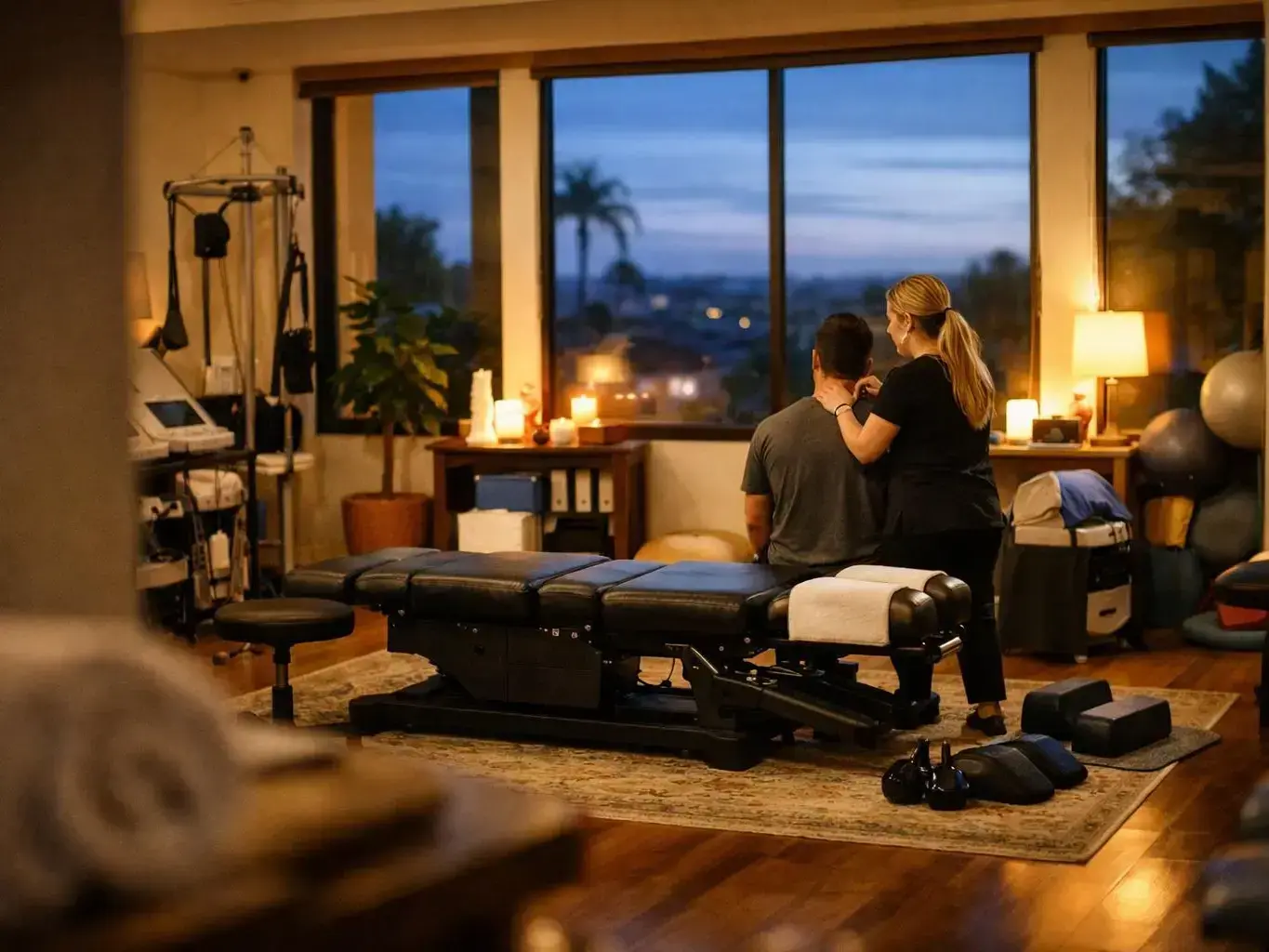
Posture Correction uses exercises and changes to your space. It may also use hands-on help.
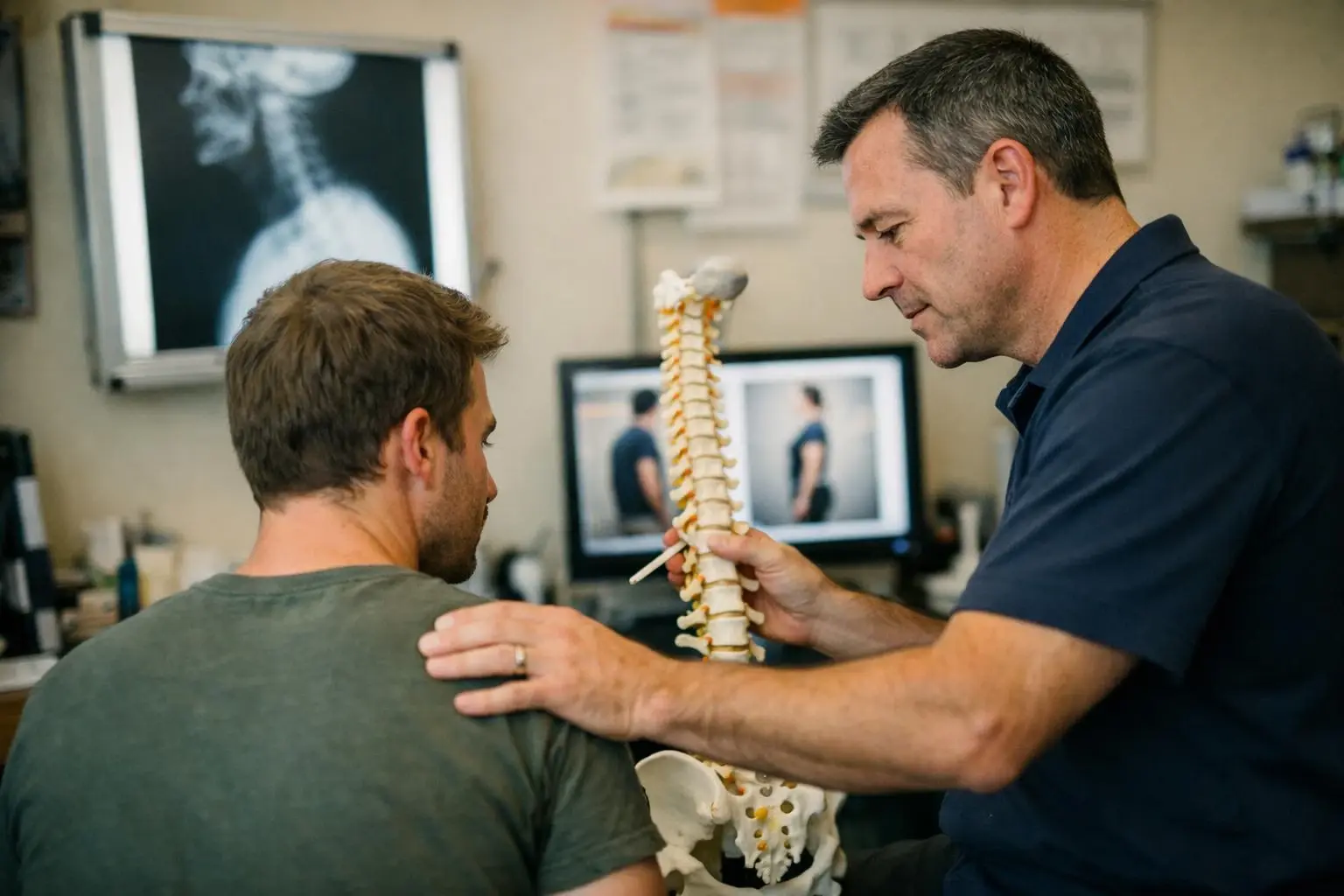
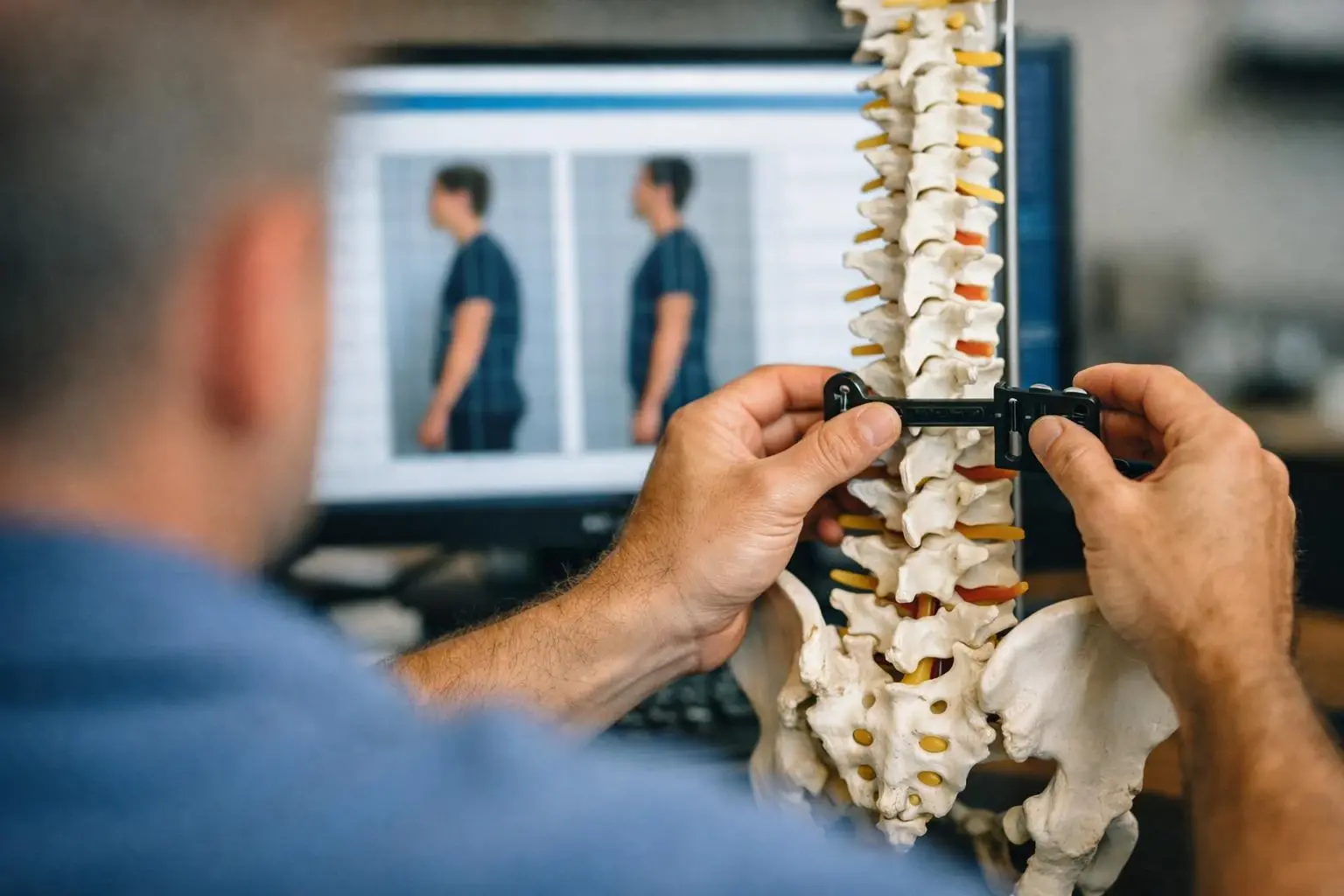
A chiropractor (a spine doctor) or therapist checks your posture. They look for problems like rounded shoulders.
They may check if your head sticks out too far. Or if your hips aren't level.
They use their eyes, movement tests. Or X-rays. These help find the main issues.
Then they make a plan just for you.
Exercises are a big part of the plan. They strengthen weak muscles.
They also stretch tight ones. For example, exercises for your upper back help slouching.
Core exercises help keep your spine straight. Changes to your workspace help too.
Pick shoes that support you. These changes make daily tasks easier on your body.
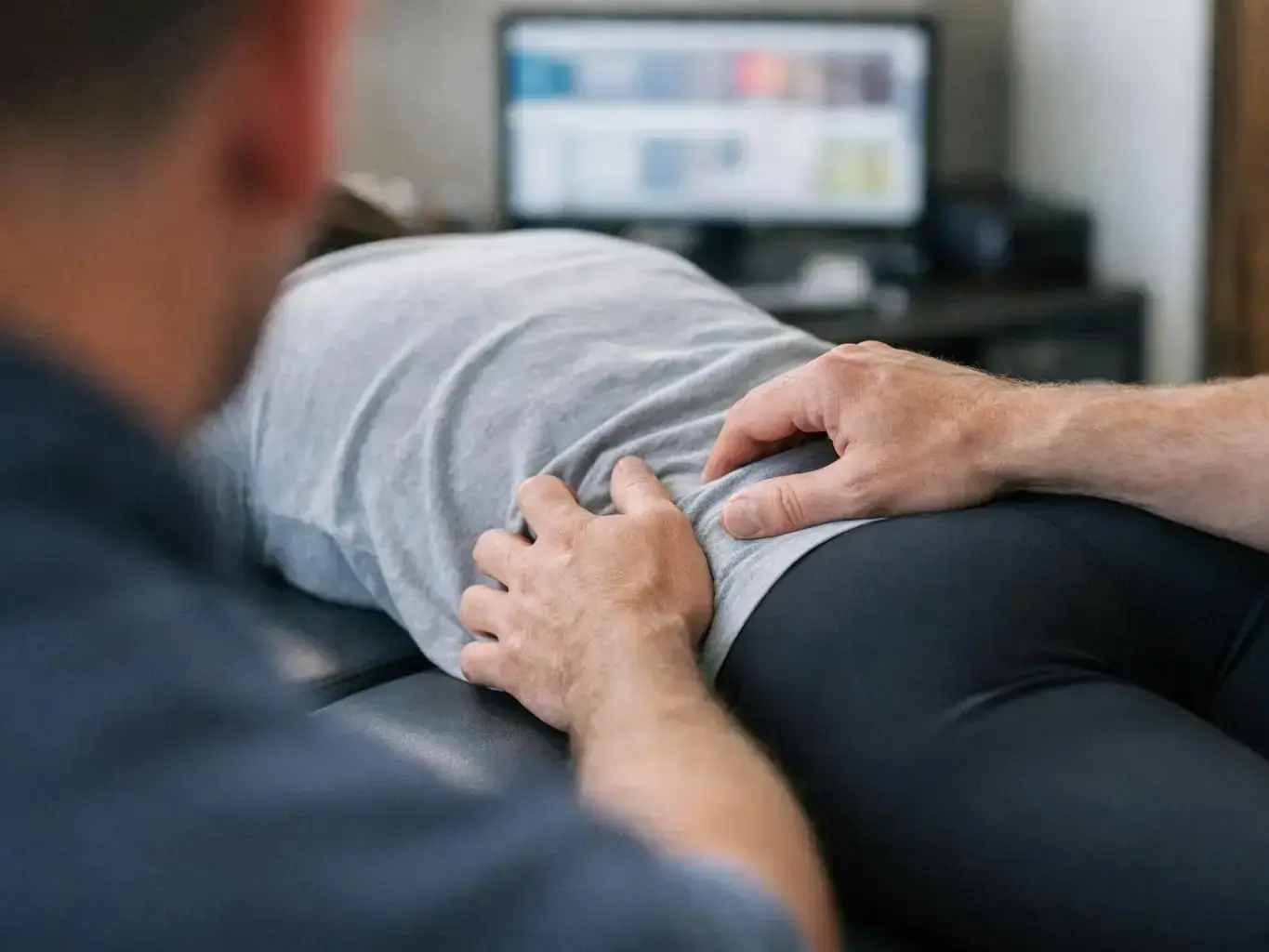
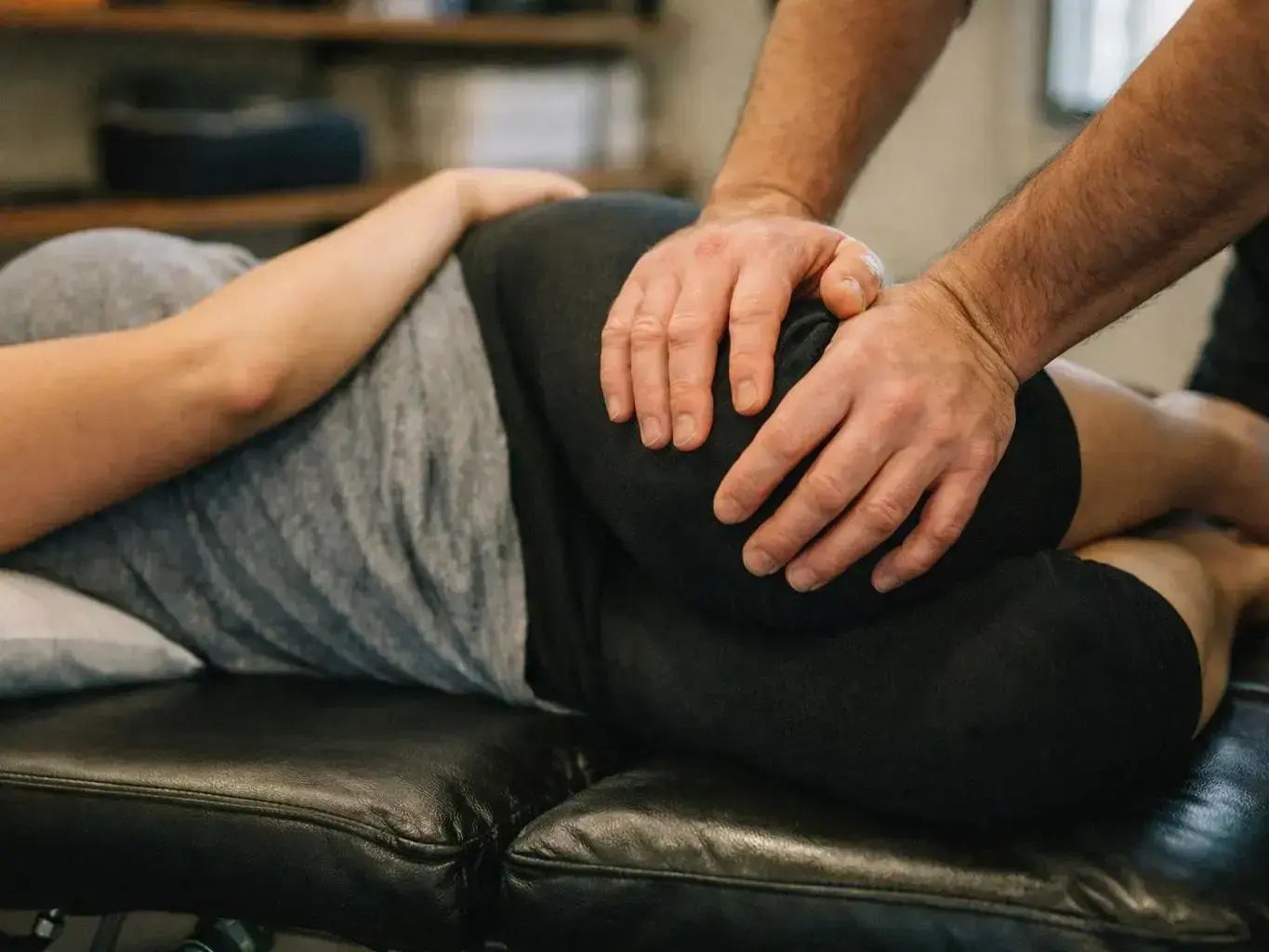
Sometimes, hands-on help is needed. This can be spine adjustments (gentle fixes).
Massage or myofascial release (loosening tight tissues) can help. These make it easier to stand straight.
Why Posture Correction Matters?
Good posture stops pain and injuries. It helps in other ways too.
It lowers the chance of herniated discs (damaged spine cushions). It also helps joints last longer.
Good posture keeps muscles balanced. This stops long-term problems.
It helps you breathe better. Your organs work better too.
You'll feel less tired. Your muscles won't have to work so hard.
People who sit a lot need Posture Correction. This includes office workers, drivers. And students.
Without help, poor posture gets worse. It can cause spine problems or pinched nerves.
Fixing posture early helps. You'll avoid costly treatments later.
It helps you stay healthy as you age.
When Posture Correction Matters Most?
Posture Correction helps if you hurt or feel stiff. It helps if rest doesn't make it better.
It's important for jobs or hobbies with repeat motions. Typing, lifting. Or driving can hurt your spine.
Athletes can benefit too. Good posture helps balance and strength.
It also lowers injury risk.
Kids and teens need good posture too. Bad habits now can cause spine problems later.
Fixing posture early helps them grow strong. Older adults need help too.
As we age, spines get less flexible. Bones can get weaker.
Good posture lowers fall and fracture risk. Posture Correction works best in daily life.
Set up your workspace right. Take breaks to stretch.
Move with care. These small steps help a lot.