Understanding Electrical Muscle Stimulation
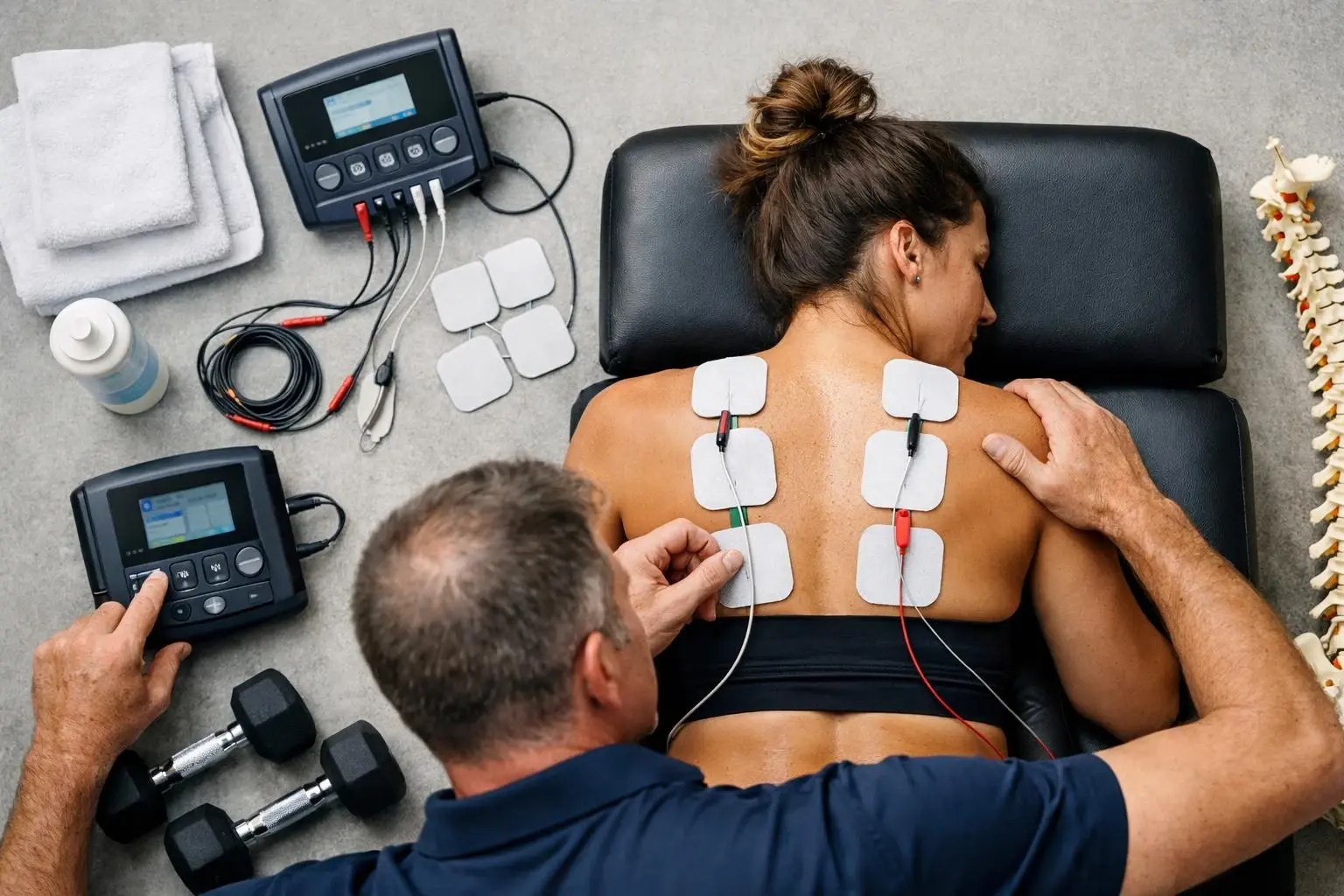
Electrical Muscle Stimulation (EMS) is a treatment method used by healthcare providers to help muscles recover from injury, surgery. Or overuse. The technique involves placing small electrodes on the skin near the affected muscle group. These electrodes deliver mild electrical pulses that cause the muscles to contract and relax, similar to how they would during normal movement. EMS is not painful. Though some patients may feel a tingling or tapping sensation during the session.
EMS is commonly used in physical therapy, chiropractic care. And sports medicine. It's particularly helpful for patients who have limited mobility or are recovering from conditions that weaken muscles, such as stroke, surgery. Or prolonged bed rest. By stimulating muscle contractions, EMS helps prevent muscle atrophy (wasting) and encourages blood flow to the area, which can speed up healing and reduce discomfort.
How Electrical Muscle Stimulation Works?
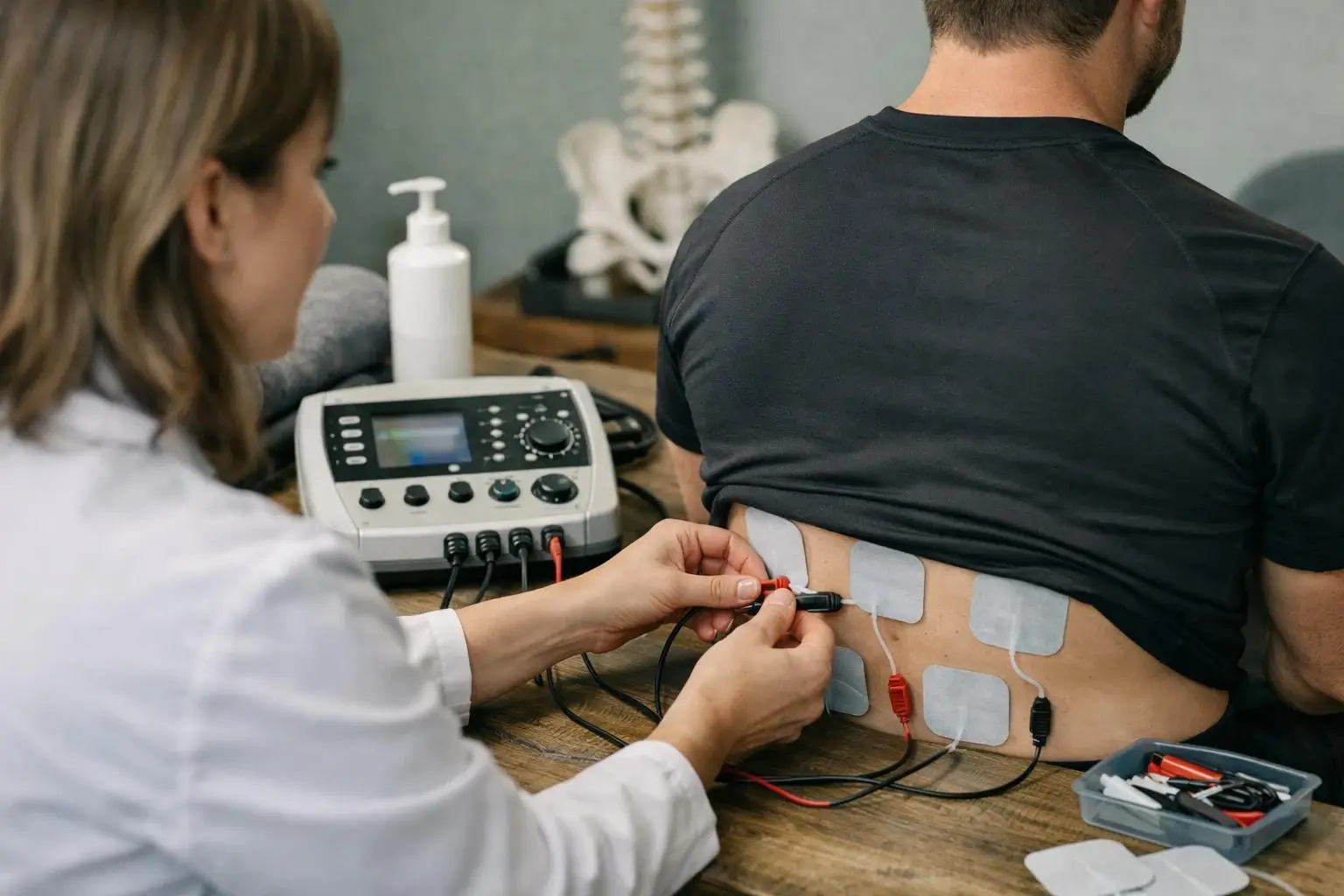
The electrical impulses used in EMS are carefully controlled to match the natural frequency of muscle contractions. When the electrodes are placed on the skin, the electrical current travels through the muscle tissue, causing the muscle fibers to shorten and tighten. This contraction mimics the action of voluntary muscle movement, such as flexing an arm or leg. The intensity of the electrical pulses can be adjusted based on the patient’s comfort and the therapeutic goal.
For local customers, During a typical EMS session, the patient may feel a rhythmic pulsing or tapping sensation as the muscles contract and relax. The duration of each session varies but often lasts between 10 to 30 minutes. EMS can be used on various muscle groups, including the back, shoulders, legs. And arms. It is often combined with other therapies, such as stretching, massage. Or exercise, to boost recovery and improve overall function.
Why Electrical Muscle Stimulation Matters?
Electrical Muscle Stimulation plays a valuable role in rehabilitation and pain management because it addresses muscle weakness and dysfunction without relying on medication. For patients recovering from injuries, surgeries. Or neurological conditions, EMS can help restore muscle strength and coordination more quickly than rest alone. It also reduces swelling and inflammation by promoting circulation, which can alleviate pain and stiffness in the affected area.
Another key benefit of EMS is its ability to target specific muscle groups that may be difficult to activate through exercise alone. For example, patients with nerve damage or severe muscle weakness may struggle to perform voluntary movements. EMS provides a way to