Understanding Intersegmental Traction
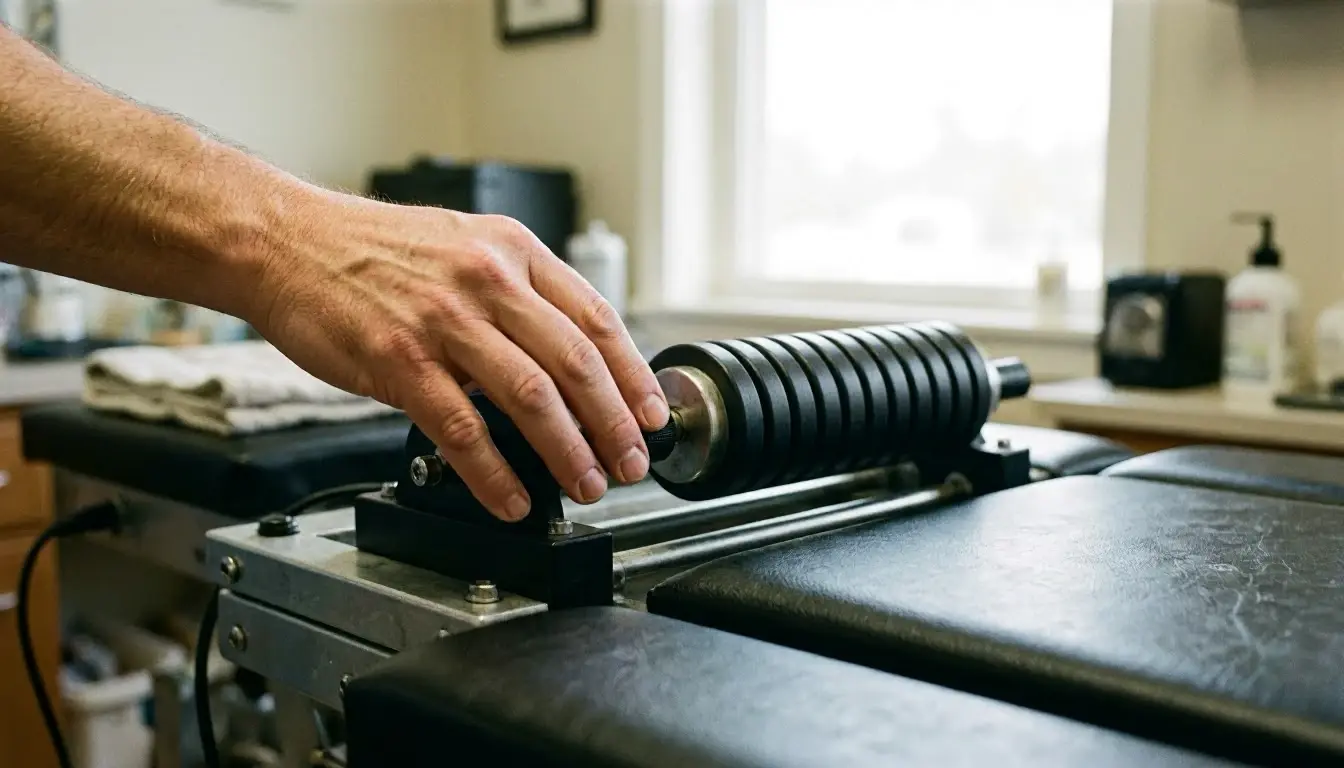
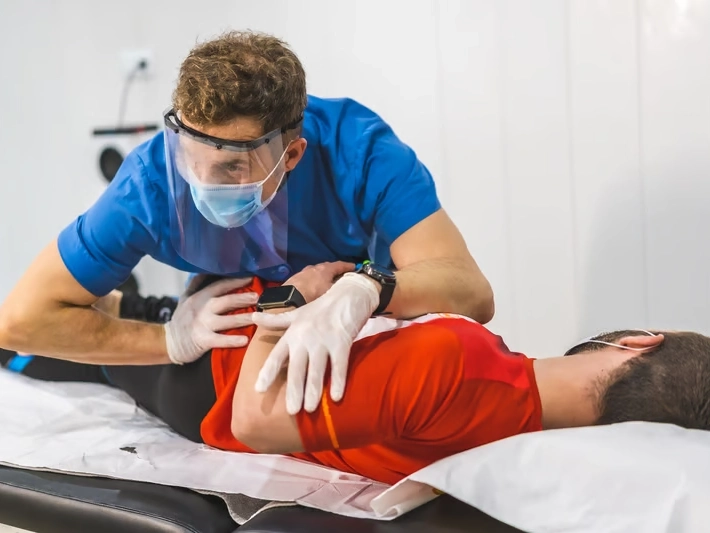
Intersegmental Traction is a non-invasive chiropractic treatment designed to improve spinal function by gently stretching the vertebrae. Unlike manual adjustments, which use hands-on force, this therapy relies on a mechanical table equipped with rollers or moving sections. As the patient lies on the table, the rollers move slowly along the spine, creating a rhythmic stretching motion. This helps to restore normal movement between spinal segments, which can become stiff due to injury, poor posture. Or repetitive stress.
Related glossary terms: Chiropractic Adjustment, Spinal Decompression, Flexion Distraction.
The goal of Intersegmental Traction is to boost flexibility, reduce muscle tension. And promote better circulation in the spine. Because the treatment is passive, patients don't need to actively participate beyond lying still. This makes it a suitable option for individuals who may not tolerate more aggressive therapies, such as those with acute pain, older adults. Or patients recovering from surgery. The gentle nature of the therapy also allows it to be used alongside other chiropractic techniques, such as adjustments or soft tissue work.
How Intersegmental Traction Works?
Intersegmental Traction works by applying controlled, repetitive pressure to the spine using a specialized table. The table typically features a set of rollers or mechanical segments that move up and down the length of the spine while the patient lies face-up. As the rollers pass beneath the back, they create a gentle pulling and releasing effect on the vertebrae, which helps to separate the spinal joints slightly. This separation reduces compression on the discs and nerves, allowing for improved nutrient flow and waste removal in the spinal tissues.
The therapy is usually administered in sessions lasting 10 to 20 minutes, depending on the patient’s condition and tolerance. The speed and intensity of the rollers can be adjusted to suit individual needs, making it customizable for different levels of discomfort or mobility issues. Unlike spinal decompression, which focuses on stretching the spine in a single direction, Intersegmental Traction provides a dynamic, multi-directional stretch that targets multiple segments at once. This helps to address stiffness in areas that may not respond as well to static stretching or manual manipulation.
Research suggests that this type of traction can help improve spinal range of motion and reduce muscle spasms by stimulating mechanoreceptors in the joints. These receptors send signals to the brain, which can help relax tight muscles and improve overall spinal function. The therapy is often used as part of a broader treatment plan that may include exercises, posture correction. Or other chiropractic techniques to get the most from long-term benefits.
Why Intersegmental Traction Matters?
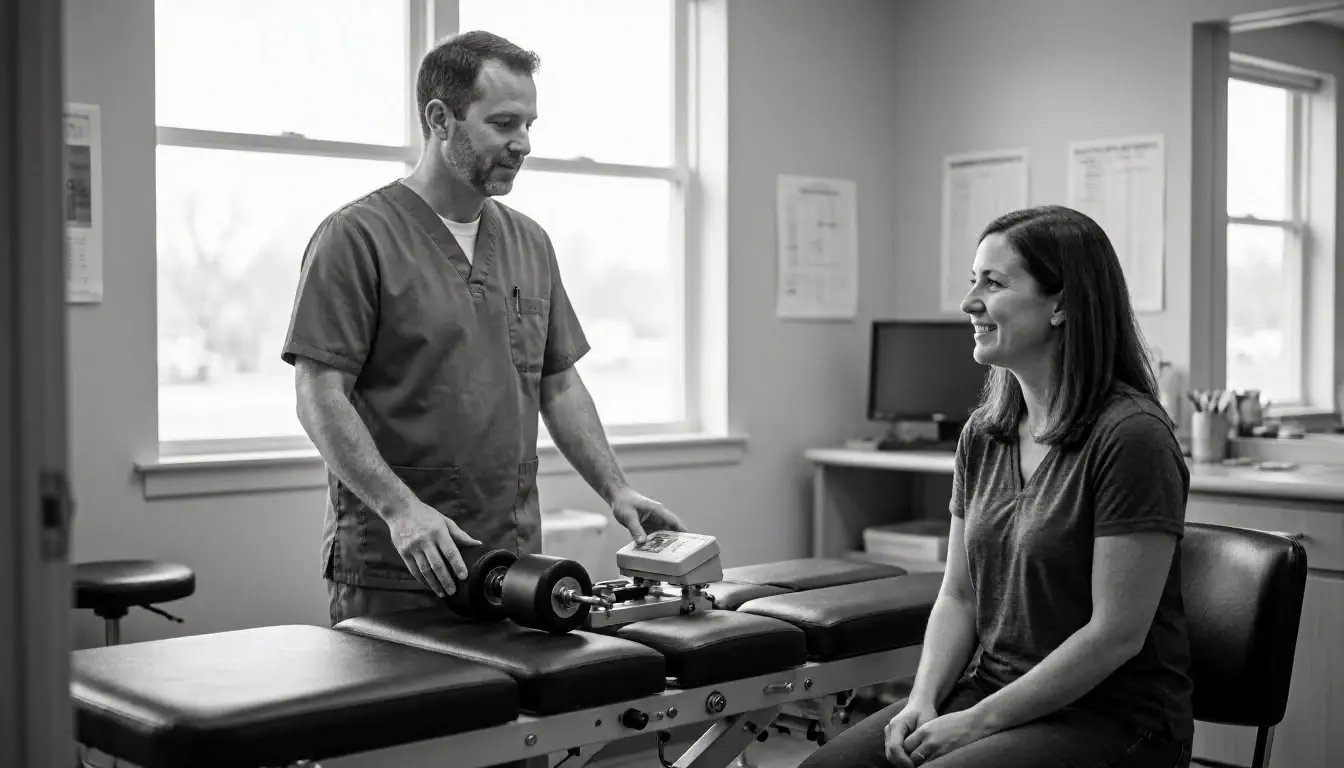
Intersegmental Traction matters because it offers a gentle, drug-free way to address common spinal issues that contribute to back pain and limited mobility. Many patients experience stiffness or discomfort due to prolonged sitting, repetitive motions. Or minor injuries, which can lead to reduced flexibility and increased tension in the spine. By restoring motion between vertebrae, this therapy helps to alleviate these symptoms without the need for invasive procedures or medications. This makes it a valuable option for patients seeking natural, conservative care for their spinal health.
For local customers, Another key benefit of Intersegmental Traction is its ability to improve circulation in the spinal discs and surrounding tissues. The gentle stretching motion encourages the flow of nutrients and oxygen to the discs, which are avascular and rely on movement to maintain their health. Healthy discs act as shock absorbers for the spine, reducing the risk of injury and degeneration over time. For patients with mild disc issues or early signs of degenerative changes, this therapy can help slow progression and maintain spinal function.
When Intersegmental Traction Matters Most?
Intersegmental Traction is particularly useful in situations where patients need to improve spinal mobility without aggressive manipulation. For example, individuals recovering from minor back injuries, such as strains or sprains, may benefit from the gentle stretching provided by this therapy. It's also helpful for patients with chronic conditions like osteoarthritis or mild disc degeneration, where maintaining spinal flexibility is important for managing symptoms. And those who spend long hours sitting at a desk or engaging in repetitive tasks may find relief from stiffness and postural stress through regular sessions.
This therapy is also valuable for patients who are not candidates for more intensive treatments, such as manual adjustments or spinal decompression. For instance, older adults or individuals with osteoporosis may have fragile bones that require gentler approaches. Intersegmental Traction provides a safe alternative that can still deliver meaningful improvements in spinal function. It is often included as part of a full care plan, where it complements other therapies like exercises, massage. Or lifestyle modifications to support long-term spinal health.
In Hermitage, TN, where many residents lead active lifestyles or work in physically demanding jobs, Intersegmental Traction can help address the wear and tear that accumulates over time. Whether used for injury recovery, preventive care. Or general wellness, this therapy offers a practical way to maintain spinal health and reduce the risk of future discomfort.