Glossary

What is Flexion Distraction?

Flexion Distraction is a gentle, non-surgical chiropractic technique designed to relieve back pain, leg pain. And nerve-related discomfort. Flexion Distraction uses a specialized table to stretch and decompress the spine, improving mobility and reducing pressure on spinal discs and nerves. It's commonly used for herniated discs, sciatica. And spinal stenosis.

Reviewed by ChiropractorHermitage.comSources reviewed: American Chiropractic Association, National Institute of Neurological Disorders and Stroke

Quick Facts About Flexion Distraction

Category

Chiropractic technique

Used for

Herniated discs, sciatica, spinal stenosis

Common confusion

Often mistaken for general spinal manipulation

Also called

Cox Technique, Flexion-Distraction Therapy

Often discussed with

Back Pain Treatment, Personal Injury Chiropractic Care

Key Takeaways About Flexion Distraction

Understanding Flexion Distraction
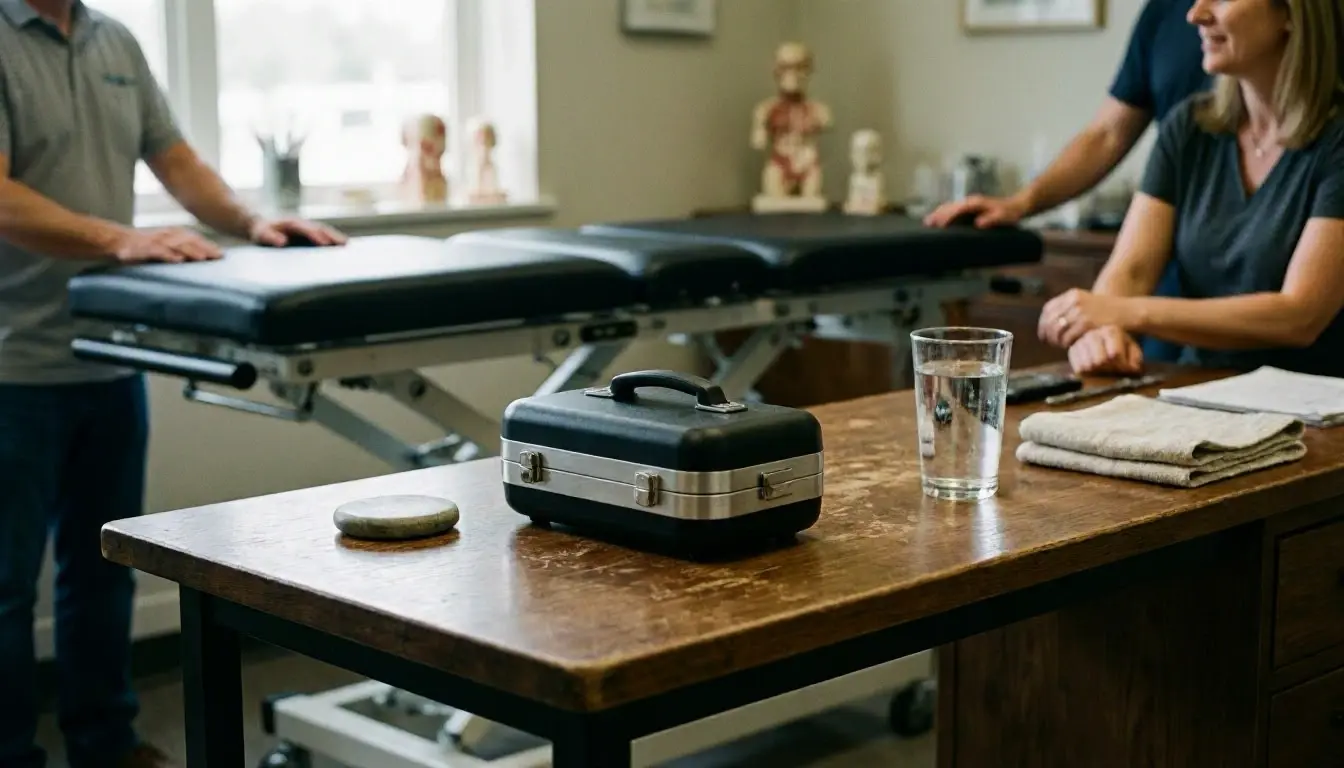
Flexion Distraction in Chiropractor: Flexion Distraction is a gentle, non-surgical chiropractic technique designed to reli...

Flexion Distraction is a way to help your spine. It does this without surgery or drugs.

Related glossary terms: Herniated Disc, Spinal Decompression, Chiropractic Adjustment.

Most chiropractic (spine doctor) methods use quick pushes. This one uses slow, gentle stretches instead.

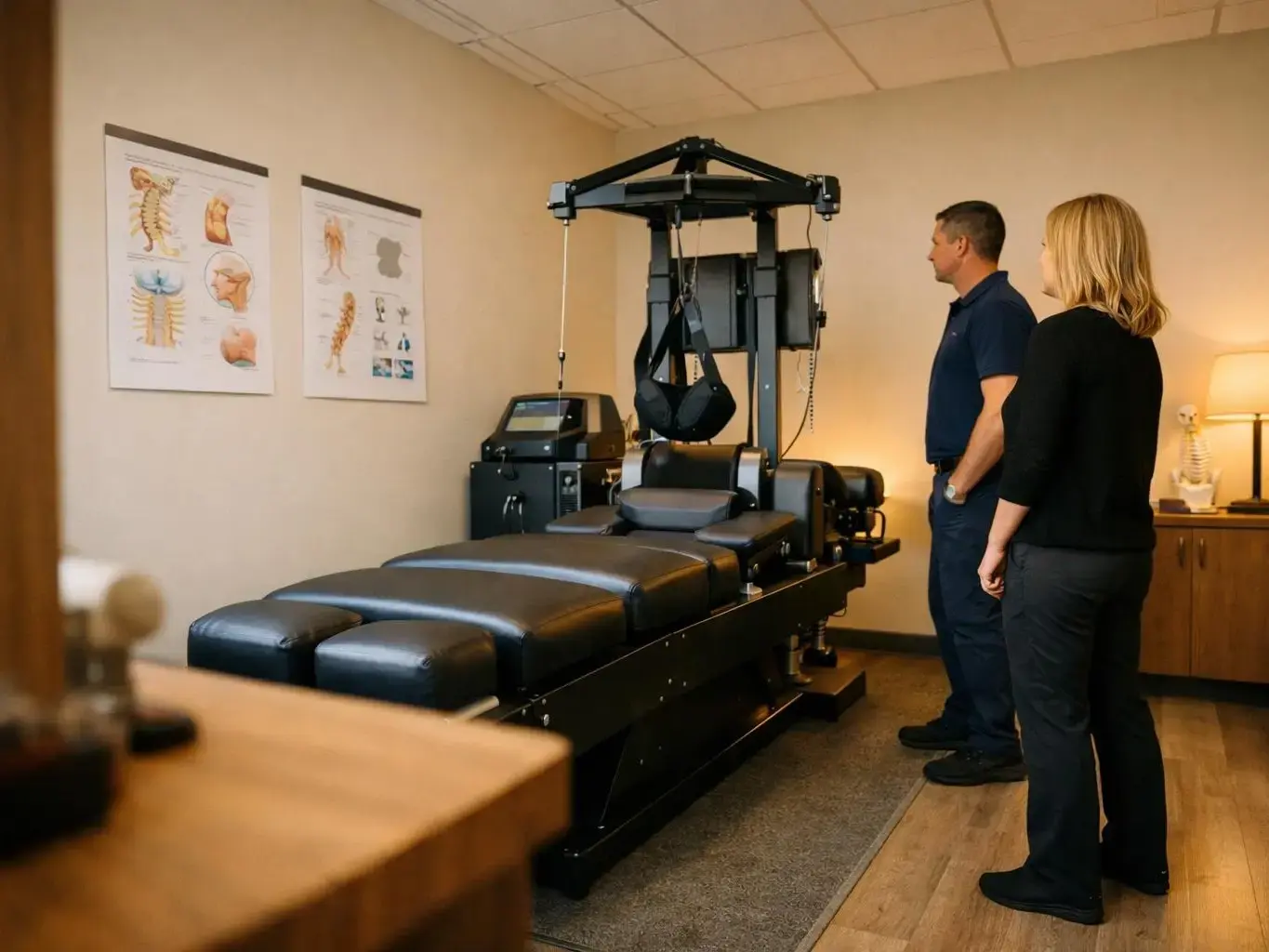
It happens on a special table. The table lets the chiropractor move your spine just right.

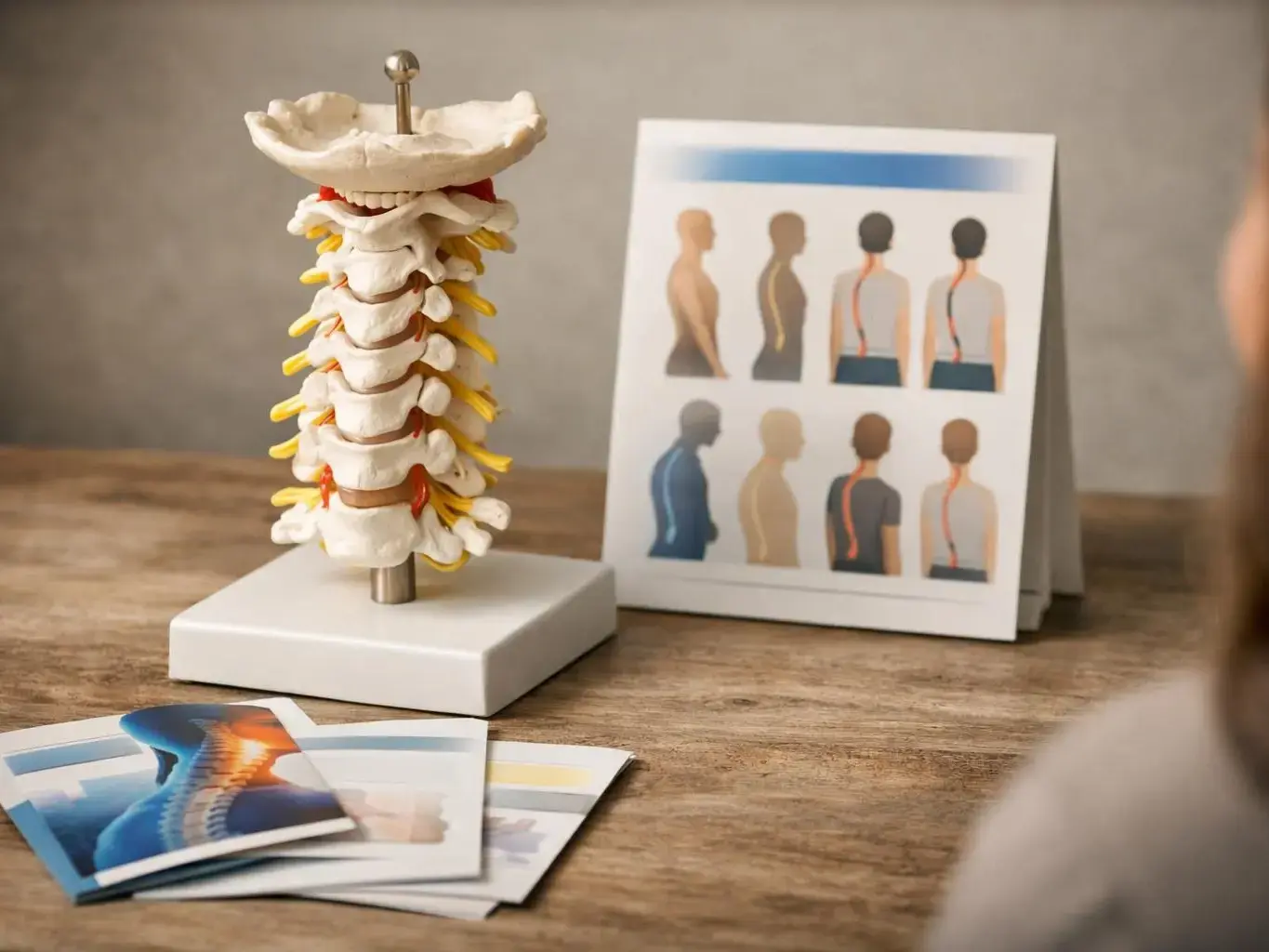
The goal is to make space between your back bones. This takes pressure off discs and nerves.

It can help with back problems. These include herniated discs, sciatica. And spinal stenosis.

These problems often cause pain, numbness. Or weakness. They can affect your back and legs.

Flexion Distraction is gentle. This makes it good for people who can't handle hard pushes.

It's often used for older adults. It's also good for people with long-term pain or injuries.

The method helps those with arthritis. It moves the spine gently without extra stress.

It doesn't involve cutting or medicine. That's why many choose it over surgery or pills.

How Flexion Distraction Works?

Flexion Distraction uses a special table. The table has parts that move in certain ways.

You lie face down on it. The chiropractor holds your lower body still.

They move the top part of the table. This creates a pumping action that stretches your spine.

This motion helps your spinal discs. It improves blood flow and lowers swelling.

The movement also helps discs move back. This takes pressure off nerves.

A session lasts 10 to 15 minutes. It's often done with other treatments.

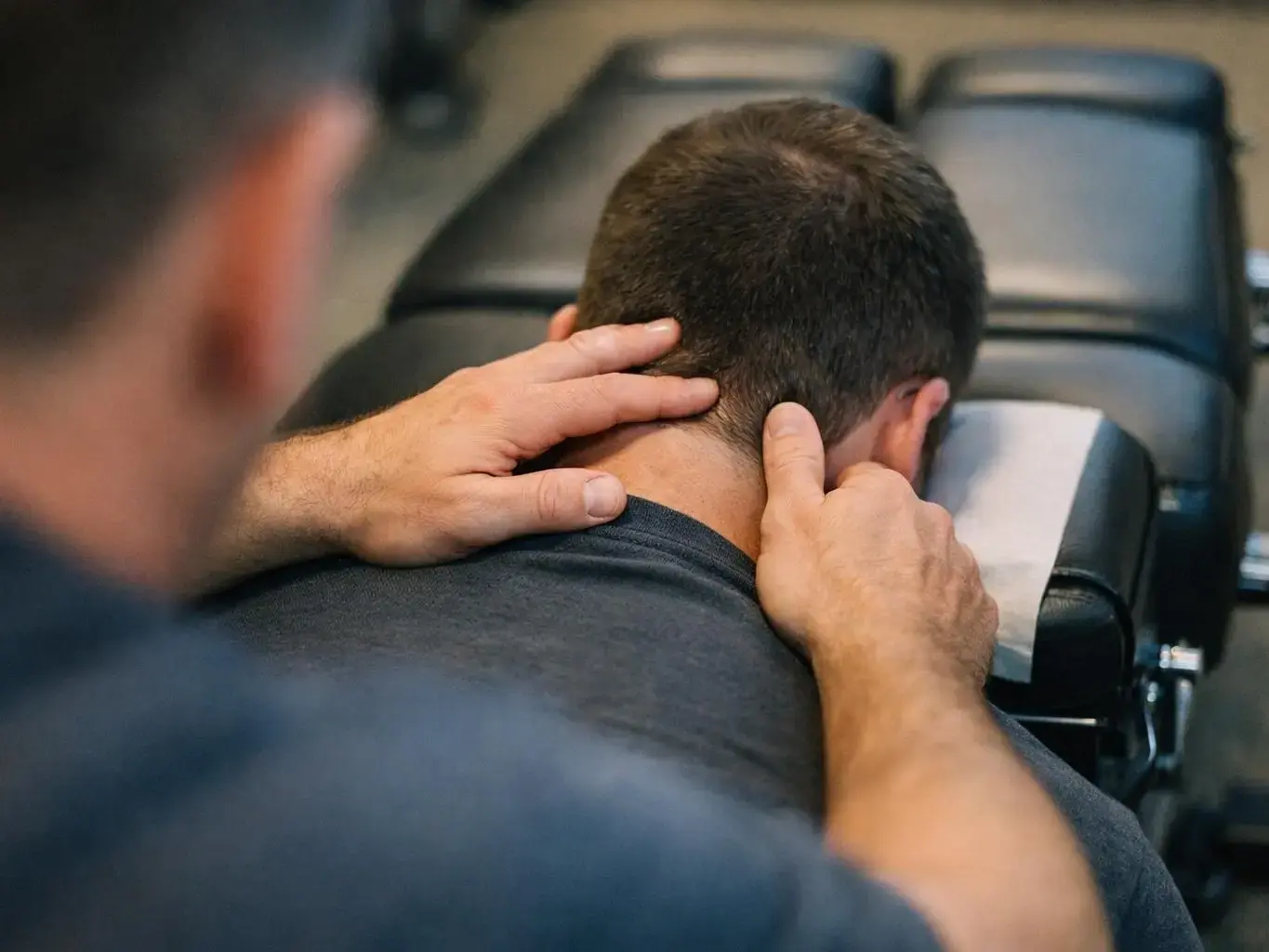
The chiropractor may push gently on your spine. They do this while the table moves.

This makes the method work better. You'll feel a gentle stretch but no pain.

More sessions can help over time. They can make your spine work better and cut pain.

Why Flexion Distraction Matters?
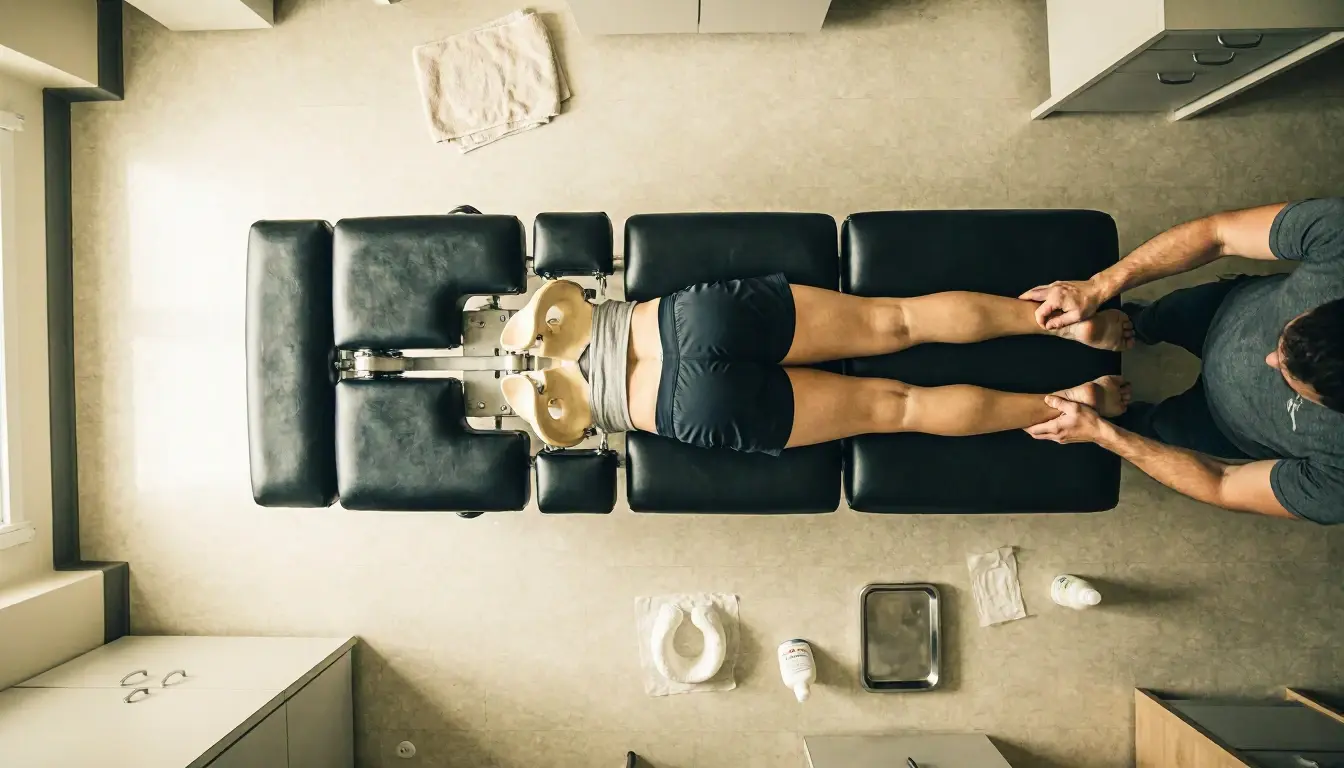
How Flexion Distraction applies to Chiropractor services in Hermitage, United States—practical illustration

Flexion Distraction is safe. It helps with spine problems without surgery or pills.

Many with herniated discs feel less pain. People with sciatica do too.

It takes pressure off discs and nerves. This helps you do daily tasks with less pain.

It also helps your spine stay healthy. It cuts swelling and improves movement.

This can stop future injuries. It can also stop pain from coming back.

The method works for many people. It helps those with new injuries or long-term pain.

It's also good for spine problems from aging. It's gentle for people who can't handle hard pushes.

It can be mixed with other treatments. These include exercises or soft tissue work.

This makes results even better. It's a key part of full spine care.

When Flexion Distraction Matters Most?

Flexion Distraction helps with back and leg pain. It also helps with numbness.

These problems come from spine discs. Conditions like herniated discs or sciatica respond well.

It's also good for spinal stenosis. This is a narrowing of the spine space.

It helps those with arthritis too. It moves the spine gently without extra stress.

It may be used after injuries. These include car accidents or falls.

It helps restore spine function. It also cuts swelling.

People who don't get help from pills may try this. So may those who don't get help from therapy.

It's often part of a bigger plan. This includes exercises, stretches. And lifestyle changes.

For example, someone with sciatica may do stretches. They might do them with Flexion Distraction.

This helps with both symptoms and causes. It gives longer-lasting relief.

How to Evaluate Flexion Distraction?

Related Concepts Compared

Flexion Distraction vs. Spinal Decompression

Spinal Decompression uses a motorized table to stretch the spine. While Flexion Distraction involves manual control by the chiropractor for more precise movement.

Flexion Distraction vs. Chiropractic Adjustment

Chiropractic Adjustments use quick thrusts to realign joints. While Flexion Distraction focuses on gentle stretching to decompress the spine.

Flexion Distraction vs. Intersegmental Traction

Intersegmental Traction uses a rolling table to mobilize the spine. While Flexion Distraction targets specific areas with controlled stretching.

Expert Note

Flexion Distraction is particularly effective for patients with disc-related conditions. But it requires precise technique and a well-maintained table. Consistency in treatment is key—patients often need multiple sessions to achieve lasting relief.

Common Mistakes or Myths About Flexion Distraction

  • Assuming Flexion Distraction is the same as general spinal manipulation—it is a distinct technique.
  • Expecting immediate results after one session—improvement usually requires multiple treatments.
  • Believing Flexion Distraction can replace surgery for severe disc damage—it is a non-surgical option but not a cure-all.
  • Thinking any chiropractic table can be used—Flexion Distraction requires a specialized table for proper technique.

Flexion Distraction in Practice: A Real-World Example

A patient with a herniated disc in the lower back experiences sharp pain and numbness down their leg. After several Flexion Distraction sessions, the pressure on the disc decreases, reducing pain and improving mobility. The patient can return to daily activities with less discomfort.

Related Services

Related Terms

Herniated Disc

Herniated Disc is a spinal condition where the soft, gel-like center of a spinal disc pushes through a tear in the tougher outer layer. This can irritate nearby nerves, causing pain, numbness. Or weakness in the back, arms. Or legs. Herniated discs often occur in the lower back or neck due to injury, wear-and-tear.

Spinal Decompression

Spinal Decompression is a non-surgical therapy designed to relieve pressure on the spine and spinal nerves. It involves gently stretching the spine using a motorized table or device to create negative pressure within spinal discs, which can help herniated or bulging discs retract, promote nutrient-rich fluids to flow into discs. And encourage healing.

Chiropractic Adjustment

Chiropractic Adjustment is a precise, hands-on procedure performed by a licensed chiropractor to correct misalignments in the spine or joints. These misalignments, called subluxations, can cause pain, reduce mobility. Or interfere with nerve function. The adjustment applies controlled force to restore proper movement, relieve discomfort. And support the body’s natural healing process.

Chiropractic Table

Chiropractic Table is chiropractic Tables are specialized medical platforms designed to support patients during chiropractic adjustments and therapies. Chiropractic Tables feature adjustable sections, drop mechanisms.

ChiropractorHermitage.com

Have Questions About Flexion Distraction?

Contact ChiropractorHermitage.com for practical guidance on Flexion Distraction and related chiropractor work in Hermitage.

+1 615-777-0624