Glossary

What is Decompression Therapy?

Decompression Therapy is a non-surgical, motorized traction treatment designed to relieve pressure on the spine and promote healing of damaged intervertebral discs and nerves. Decompression Therapy gently stretches the spine, creating negative pressure within the discs to help retract herniated or bulging material, improve nutrient flow. And reduce pain in the back, neck. And limbs.

Reviewed by Advanced Injury Care ClinicSources reviewed: American Chiropractic Association, National Institute of Neurological Disorders and Stroke

Quick Facts About Decompression Therapy

Category

Non-surgical spinal treatment

Used for

Herniated discs, sciatica, spinal stenosis. And chronic back or neck pain

Common confusion

Often mistaken for traditional traction, which uses constant pull instead of controlled cycles

Also called

Spinal Decompression, Non-Surgical Decompression

Often discussed with

Back Pain Treatment, Work Injury Treatment

Key Takeaways About Decompression Therapy

Understanding Decompression Therapy
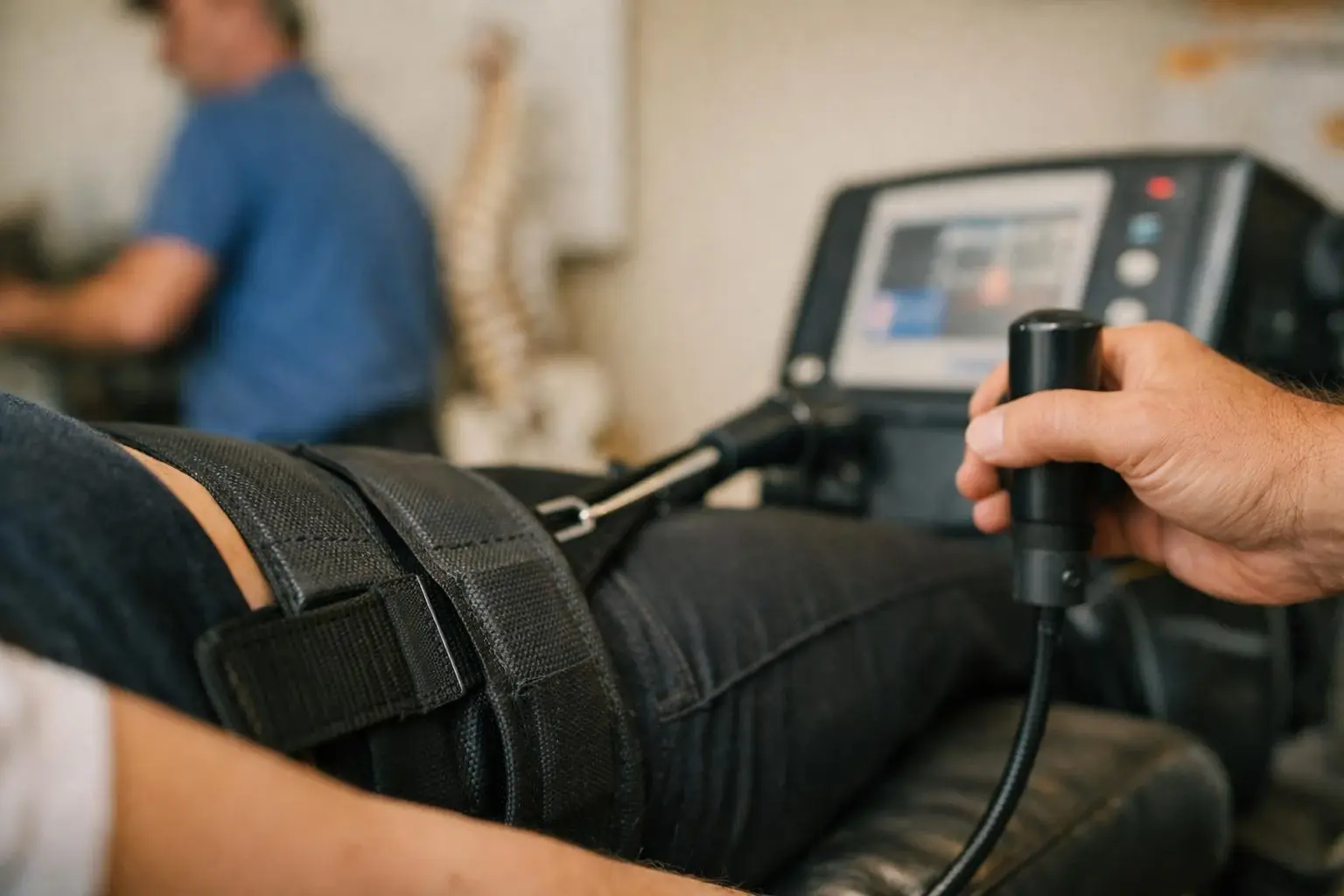
Decompression Therapy in Chiropractor: Decompression Therapy is a non-surgical, motorized traction treatment designed to r...

Decompression Therapy is a form of mechanical spinal traction used by chiropractors and physical therapists to treat conditions related to disc injuries, nerve compression. And chronic spinal pain. Unlike traditional traction, which applies a steady pull, Decompression Therapy uses a computer-controlled table to apply precise, intermittent force. This alternating stretch-and-release pattern creates a vacuum effect within the spinal discs, encouraging herniated or bulging material to retract and allowing oxygen, water. And nutrients to flow back into the disc. The goal is to relieve pressure on nerves, reduce inflammation. And support the body’s natural healing process.

Related glossary terms: Disc Herniation, Spinal Adjustment, Chiropractic Care.

The treatment is most commonly used for conditions like herniated discs, degenerative disc disease, sciatica. And spinal stenosis. It's also helpful for patients who experience radiating pain, numbness. Or tingling in the arms or legs due to nerve irritation. Because Decompression Therapy is non-invasive and drug-free, it is often recommended for patients seeking alternatives to surgery or long-term pain medication. Sessions typically last 15 to 30 minutes. And most treatment plans involve multiple visits over several weeks to achieve lasting relief.

How Decompression Therapy Works?

Decompression Therapy works by gently separating the vertebrae, which reduces pressure on the intervertebral discs and spinal nerves. During a session, the patient lies on a specialized table, usually face up or face down, depending on the area being treated. A harness is secured around the hips and another around the trunk or shoulders to stabilize the body. The table’s lower section then moves in a controlled, rhythmic pattern, stretching the spine while the upper section remains fixed. This creates a negative intradiscal pressure, which helps draw herniated disc material back into place and promotes the flow of healing nutrients.

In practice, The process is carefully monitored by a trained provider, who adjusts the force, angle. And duration based on the patient’s condition and comfort level. Most patients report feeling a mild stretch but no pain during the session. Some may even feel relief immediately after the first treatment. Though long-term improvement usually requires a series of sessions. The therapy is often combined with other modalities, such as ice or heat application, electrical muscle stimulation. Or therapeutic exercises, to boost results and reduce muscle tension.

Why Decompression Therapy Matters?
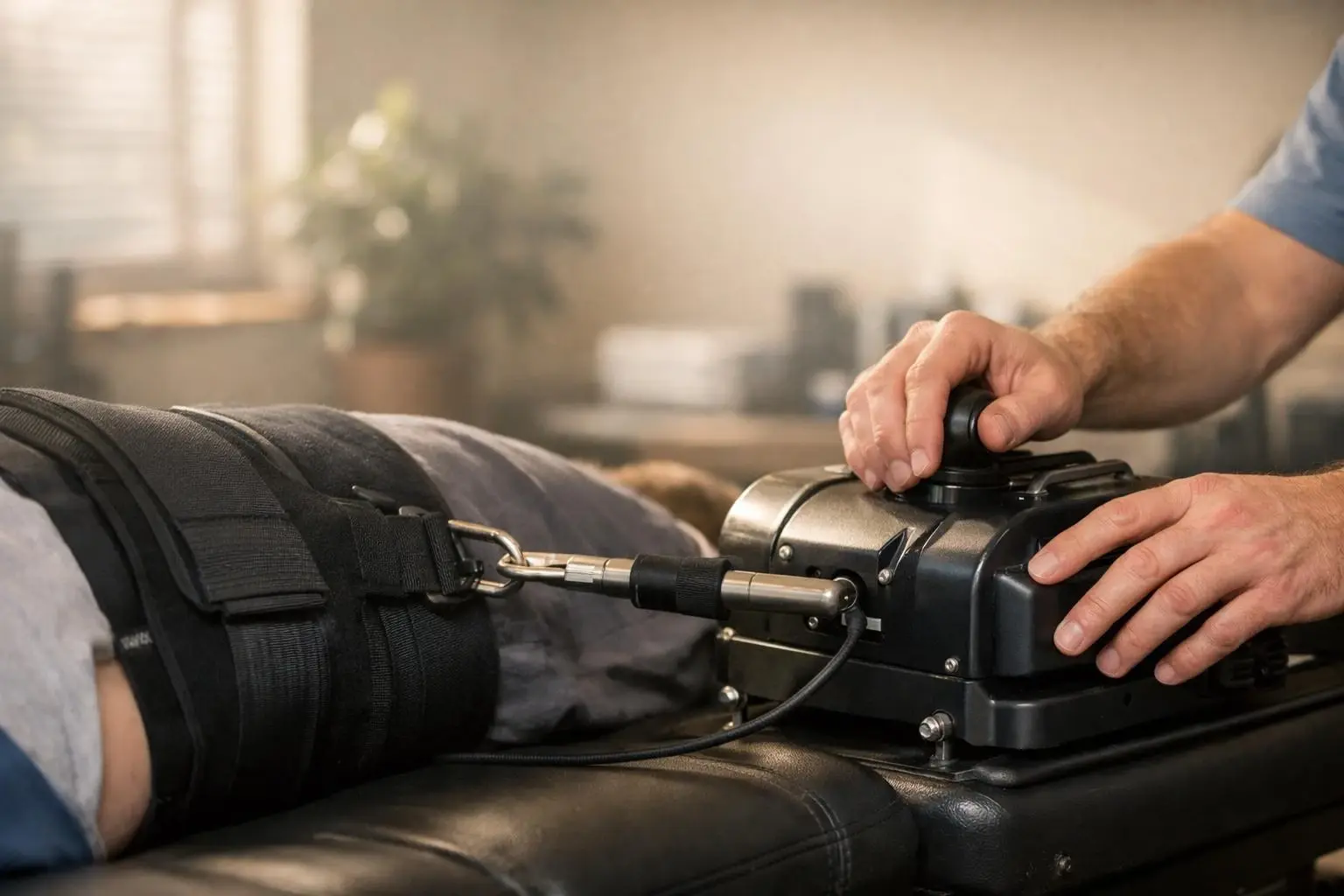
How Decompression Therapy applies to Chiropractor services in Hermitage, United States—practical illustration

Decompression Therapy matters because it offers a safe, effective alternative for patients suffering from chronic spinal conditions without resorting to surgery or medication. For many people, back or neck pain significantly limits daily activities, work productivity. And quality of life. By addressing the root cause—such as disc herniation or nerve compression—rather than just masking symptoms, Decompression Therapy can provide lasting relief and help patients return to normal function. It is particularly valuable for those who have not responded to conventional treatments like rest, medication. Or physical therapy.

And Decompression Therapy can help prevent further degeneration of spinal discs by improving hydration and nutrient delivery. Healthy discs act as shock absorbers for the spine. And when they become dehydrated or damaged, they lose their ability to cushion the vertebrae effectively. Over time, this can lead to worsening pain, reduced mobility. And increased risk of injury. By restoring disc health, Decompression Therapy not only alleviates current symptoms but also supports long-term spinal function.

When Decompression Therapy Matters Most?

Decompression Therapy is most important for patients experiencing persistent back or neck pain that doesn't improve with rest, over-the-counter medications. Or basic physical therapy. It is particularly beneficial for those diagnosed with herniated discs, sciatica. Or spinal stenosis, especially if symptoms include radiating pain, numbness. Or weakness in the arms or legs. The therapy is also a valuable option for individuals who are not candidates for surgery due to medical conditions, age. Or personal preference.

Patients who have tried other conservative treatments without success often turn to Decompression Therapy as a next step before considering more invasive options. It is also commonly used in rehabilitation settings following injuries, such as car accidents or workplace incidents, where disc damage or nerve compression is suspected. For residents in areas like Hermitage, TN, where physical labor, sports. And active lifestyles are common, Decompression Therapy can play a key role in helping individuals recover from spinal injuries and return to their daily routines without prolonged downtime.

Decompression Therapy is not suitable for everyone. Patients with severe osteoporosis, spinal fractures, tumors, infections. Or certain vascular conditions may not be candidates. A thorough evaluation by a licensed chiropractor or healthcare provider is necessary to determine if the treatment is appropriate for a specific condition.

How to Evaluate Decompression Therapy?

Related Concepts Compared

Decompression Therapy vs. Flexion-Distraction Technique

Flexion-Distraction Technique uses a manual, hands-on approach to stretch the spine. While Decompression Therapy uses a motorized table for precise, computer-controlled traction.

Decompression Therapy vs. Spinal Manipulation

Spinal Manipulation involves quick, targeted thrusts to adjust vertebrae, whereas Decompression Therapy uses slow, sustained stretching to relieve disc pressure.

Decompression Therapy vs. Inversion Therapy

Inversion Therapy uses gravity and body weight to stretch the spine, often with an inversion table. While Decompression Therapy applies controlled, measured force without flipping the body upside down.

Expert Note

Decompression Therapy is most effective when tailored to the patient’s specific condition. A one-size-fits-all approach rarely works—proper diagnosis, table settings. And treatment duration are key to achieving meaningful, lasting relief.

Common Mistakes or Myths About Decompression Therapy

  • Assuming Decompression Therapy is the same as traditional traction or inversion tables.
  • Expecting immediate, permanent results after just one session.
  • Choosing a provider who does not perform a thorough exam or review imaging before treatment.
  • Believing Decompression Therapy can cure all types of back pain, including muscle strains or arthritis.
  • Skipping follow-up care or exercises recommended alongside the therapy.

Decompression Therapy in Practice: A Real-World Example

After a car accident, a patient in Hermitage, TN, developed severe lower back pain and numbness down one leg. An MRI confirmed a herniated disc pressing on a nerve. The patient tried rest, medication. And physical therapy but saw little improvement. After starting Decompression Therapy, the numbness decreased within three sessions. And after six weeks, the patient reported significantly less pain and returned to light work duties.

Sources & Further Reading on Decompression Therapy

Related Services

Related Terms

Disc Herniation

Disc herniation is a spinal condition where the soft, gel-like center of an intervertebral disc pushes through a tear in the disc’s tougher outer layer. This can irritate nearby nerves, causing pain, numbness. Or weakness in the back, neck, arms. Or legs. Disc herniation often results from aging, injury. Or repetitive strain on the spine.

Spinal Adjustment

Spinal Adjustment is a controlled, precise manual force applied by a licensed chiropractor to a specific joint in the spine. This procedure aims to improve spinal motion, reduce nerve irritation. And restore proper alignment, often resulting in decreased pain and improved function. It's a core technique in chiropractic care used to address musculoskeletal conditions.

Chiropractic Care

Chiropractic Care is a health care profession focused on diagnosing, treating. And preventing disorders of the musculoskeletal system, particularly the spine. Chiropractors use hands-on spinal adjustments and other manual therapies to improve joint function, reduce pain.

Physical Rehabilitation

Physical Rehabilitation is a structured process designed to help individuals recover strength, mobility. And function after injury, surgery. Or illness. Physical Rehabilitation involves exercises, manual therapies. And education to reduce pain, restore movement. And prevent future problems. It's often guided by licensed professionals such as chiropractors, physical therapists. Or physicians to ensure safety and effectiveness.

Intervertebral Disc

Intervertebral Disc is intervertebral discs are soft, flexible cushions located between the vertebrae of the spine. Each disc acts as a shock absorber, preventing bones from rubbing together during movement. They consist of a gel-like center called the nucleus pulposus and a tough outer ring known as the annulus fibrosus, enabling spinal flexibility and load distribution.

Advanced Injury Care Clinic

Have Questions About Decompression Therapy?

Contact Advanced Injury Care Clinic for practical guidance on Decompression Therapy and related chiropractor work in Hermitage.

+1 615-777-0624