Glossary

What is Magnetic Resonance Imaging?

Magnetic Resonance Imaging is a non-invasive medical test that uses a powerful magnetic field, radio waves. And a computer to produce detailed pictures of the body’s internal structures, including bones, muscles, nerves. And organs. Unlike X-rays, MRI doesn't use radiation, making it safer for repeated use and better for soft-tissue imaging.

Reviewed by Advanced Injury Care ClinicSources reviewed: U.S. National Library of Medicine, American College of Radiology

Quick Facts About Magnetic Resonance Imaging

Category

Diagnostic imaging

Used for

Detecting injuries, diseases. And abnormalities in soft tissues

Common confusion

Often mistaken for CT scans, which use radiation

Also called

MRI, MR Imaging

Often discussed with

Back Pain Treatment, Work Injury Treatment

Key Takeaways About Magnetic Resonance Imaging

Understanding Magnetic Resonance Imaging
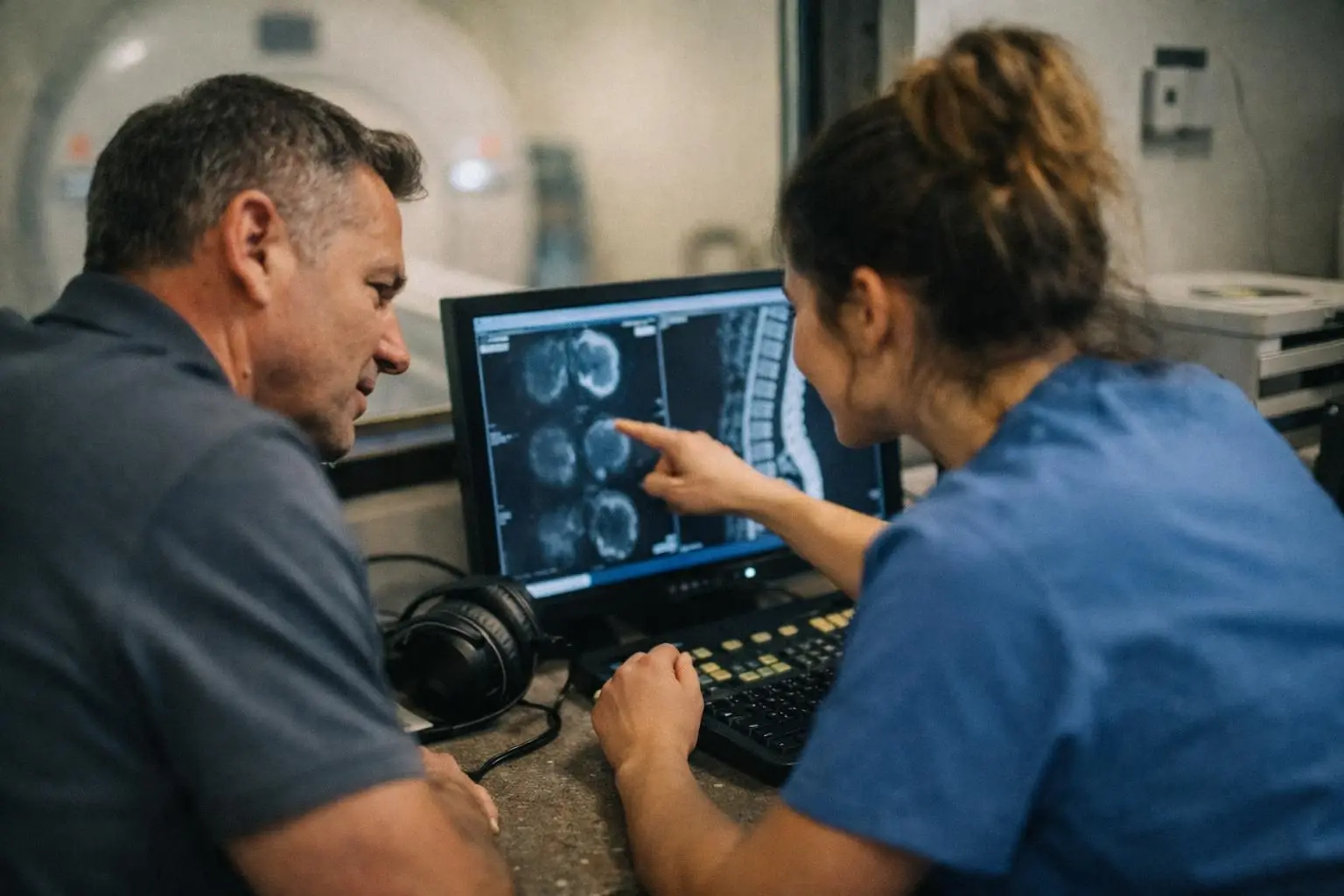
Magnetic Resonance Imaging in Chiropractor: Magnetic Resonance Imaging is a non-invasive medical test that uses a powerful...

MRI is a tool doctors use. It lets them look inside the body. They don't need surgery.

Related glossary terms: X-Ray Imaging, Disc Herniation, Spinal Adjustment.

MRI makes a strong magnetic field. This field lines up tiny parts in your cells. Then, radio waves go through your body.

These tiny parts send back signals. A computer turns them into clear pictures. The pictures show bones, muscles. And organs.

MRI is great for soft tissues. It shows the brain, spine. And joints well. Other tests can't do this.

If someone hurts their back, MRI can help. It shows if a disc is hurt. It can also show if a nerve is pinched.

X-rays mostly show bones. MRI shows more. It gives a full picture of what's inside.

This makes MRI key for many problems. It helps with sports injuries. It also helps with diseases like MS (multiple sclerosis).

How Magnetic Resonance Imaging Works?

The MRI machine is a big tube. You lie inside it. The machine makes a very strong magnet.

The magnet is 1,000 times stronger than a fridge magnet. It changes how tiny parts in your body act. These parts are called hydrogen atoms.

Radio waves go through your body. The atoms send out signals. A computer uses these to make pictures.

It makes pictures slice by slice. Think of a loaf of bread. Each slice is a new picture.

The test doesn't hurt. But it can be loud. You'll hear knocking or buzzing sounds.

You must lie still. This can take 20 to 60 minutes. If you move, the pictures won't be clear.

Some people feel scared inside the tube. Doctors can give medicine to help. This medicine helps you relax.

You must take off metal things. The magnet can pull them hard. This includes jewelry or keys.

MRI centers ask you to fill out forms. These forms check for safety. They make sure you can have the scan.

There are different MRI scans. Some use a special dye. This dye makes some areas show up better.

The dye is called contrast. It goes into your body. It can highlight blood vessels or tumors.

Other scans focus on one body part. They can look at the brain, spine. Or knee. The scan type depends on what the doctor needs.

Why Magnetic Resonance Imaging Matters?
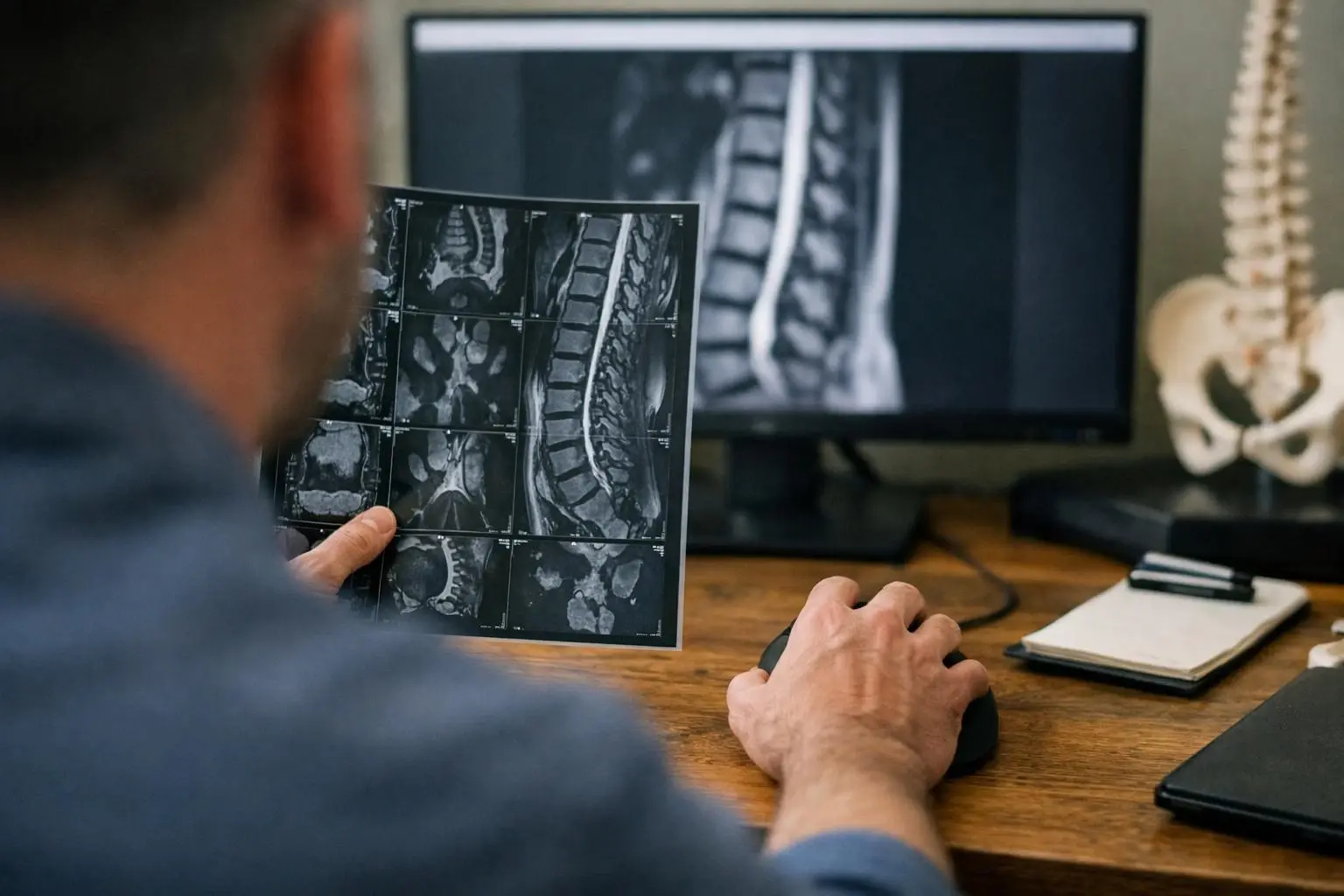
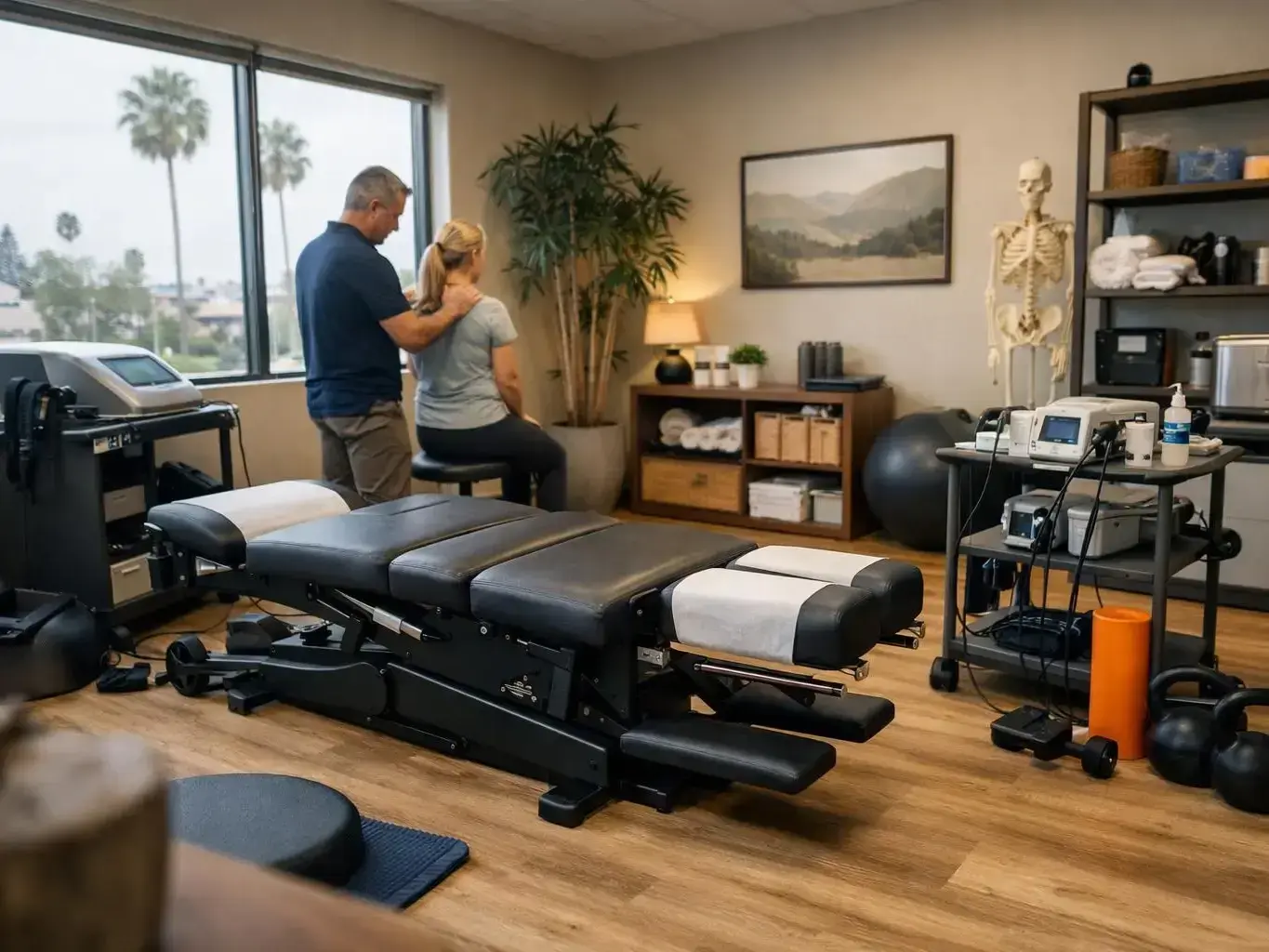
How Magnetic Resonance Imaging applies to Chiropractor services in Hermitage, United States—practical illustration

MRI helps doctors find problems. Other tests might miss these. This helps them make better choices.

An X-ray can show a broken bone. But it can't show a torn ligament. MRI can show this.

MRI can also show a herniated disc. This helps doctors decide on treatment. They can choose surgery, therapy. Or medicine.

Early and right diagnosis helps. It leads to faster recovery. It also means fewer problems later.

MRI is safer than some tests. It doesn't use radiation. This is good for kids and pregnant women.

It's also good for people who need many scans. But MRI isn't for everyone. Some people can't have it.

People with metal implants can't usually have MRI. The magnet can cause trouble. This includes pacemakers or hearing implants.

In these cases, doctors pick other tests. They might choose a CT scan. Or they might use ultrasound.

When Magnetic Resonance Imaging Matters Most?

Doctors often use MRI for pain. It helps if pain doesn't go away. It also helps with weakness or other symptoms.

If back pain lasts for weeks, MRI can help. It can find the cause. This might be a herniated disc or arthritis.

MRI checks for serious problems too. It can find tumors, strokes. Or infections. Athletes use it for sports injuries.

It can show torn ligaments. It can also show muscle damage. This helps athletes get the right treatment.

MRI is important in emergencies. It can show bleeding in the brain. It can also show a stroke.

Quick diagnosis can save lives. But MRI isn't always the first test. It costs more and takes longer.

Doctors usually start with simpler tests. They might use X-rays or ultrasound first. They use MRI when they need more detail.

For people in Hermitage, TN, MRI helps chiropractors. Chiropractors treat back, neck. And joint pain. MRI shows what's causing the pain.

It can show a disc problem. It can also show a pinched nerve. This helps chiropractors make a treatment plan.

The plan might include adjustments. It might also include therapy. Or it might mean seeing another specialist.
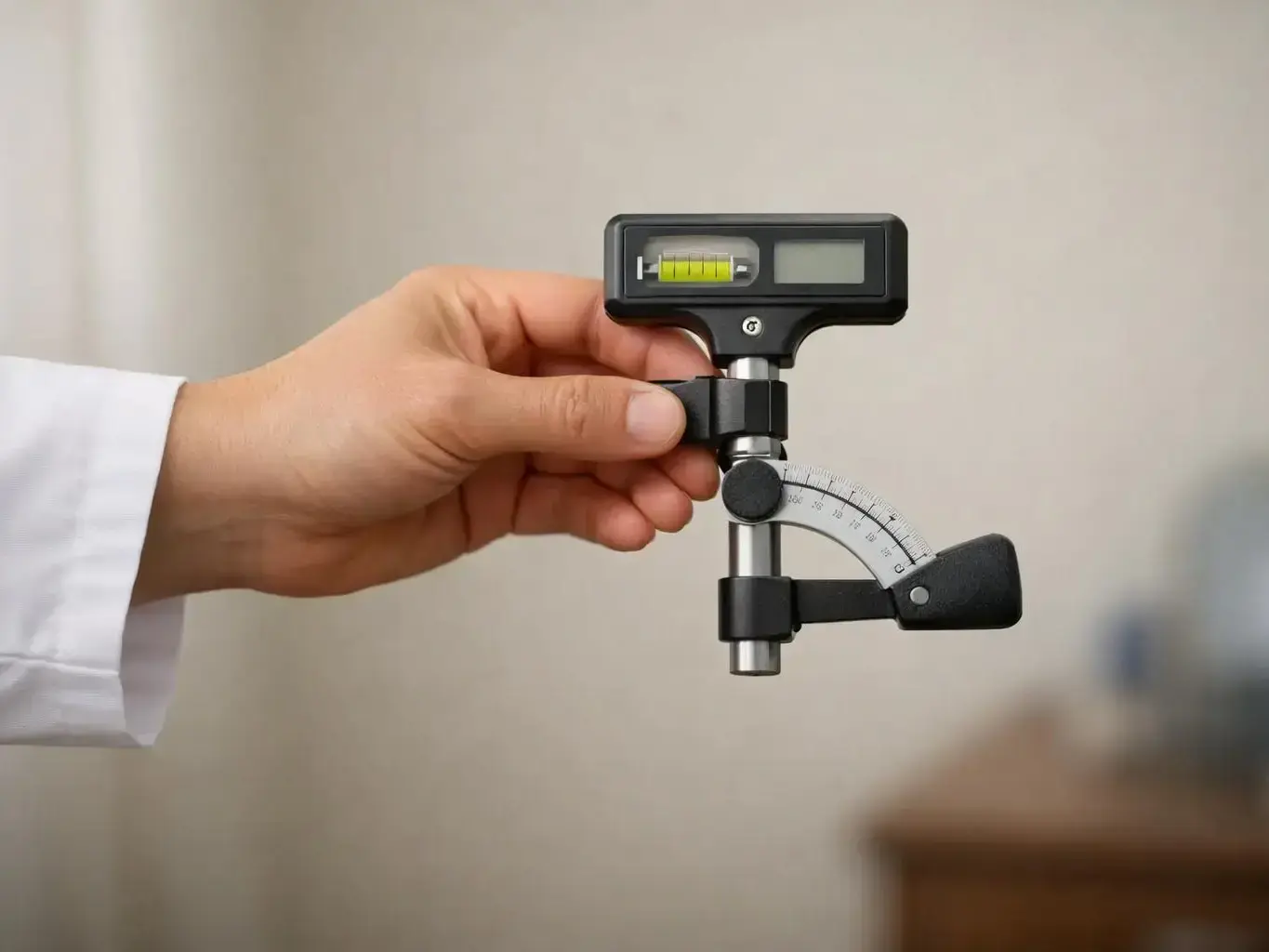
How to Evaluate Magnetic Resonance Imaging?

Related Concepts Compared

Magnetic Resonance Imaging vs. X-Ray Imaging

X-rays use radiation to create images of bones. While MRI uses magnets and radio waves to show soft tissues like muscles and nerves.

Magnetic Resonance Imaging vs. Computed Tomography (CT) Scan

CT scans use radiation and are faster than MRI. But MRI provides better detail for soft tissues and does not expose patients to radiation.

Magnetic Resonance Imaging vs. Ultrasound

Ultrasound uses sound waves to create images and is often used for babies or joints. But MRI gives clearer pictures of deeper structures like the brain or spine.

Expert Note

MRI is one of the most detailed imaging tools available. But its effectiveness depends on the quality of the machine and the skill of the radiologist interpreting the images. Always ensure the facility follows safety protocols, especially for patients with metal implants.

Common Mistakes or Myths About Magnetic Resonance Imaging

  • Thinking MRI uses radiation like X-rays or CT scans—it does not.
  • Assuming all metal objects are safe in an MRI machine—some can be dangerous or distort images.
  • Believing MRI is always the first test ordered—doctors usually start with simpler, less expensive tests.
  • Expecting an immediate diagnosis—MRI images must be read by a radiologist, which can take time.

Magnetic Resonance Imaging in Practice: A Real-World Example

A 35-year-old runner in Hermitage, TN, starts having knee pain that does not improve with rest. Their doctor orders an MRI to check for a torn ligament or cartilage damage. The MRI shows a meniscus tear, helping the doctor recommend physical therapy or surgery to repair it.

Sources & Further Reading on Magnetic Resonance Imaging

Related Services

Related Terms

X-Ray Imaging

X-Ray Imaging is a quick, painless medical test that uses a small amount of radiation to create pictures of the inside of the body, especially bones. X-Ray Imaging helps doctors and chiropractors see fractures, infections, arthritis. Or other problems in bones and some soft tissues without surgery.

Disc Herniation

Disc herniation is a spinal condition where the soft, gel-like center of an intervertebral disc pushes through a tear in the disc’s tougher outer layer. This can irritate nearby nerves, causing pain, numbness. Or weakness in the back, neck, arms. Or legs. Disc herniation often results from aging, injury. Or repetitive strain on the spine.

Spinal Adjustment

Spinal Adjustment is a controlled, precise manual force applied by a licensed chiropractor to a specific joint in the spine. This procedure aims to improve spinal motion, reduce nerve irritation. And restore proper alignment, often resulting in decreased pain and improved function. It's a core technique in chiropractic care used to address musculoskeletal conditions.

Soft Tissue Injury

Soft Tissue Injury is damage to the muscles, tendons, ligaments. Or other non-bony parts of the body caused by sudden trauma, overuse. Or repetitive stress. Soft Tissue Injury often results in pain, swelling, bruising. Or limited movement and can occur during sports, accidents. Or daily activities. Proper care helps healing and prevents long-term problems.

Physical Rehabilitation

Physical Rehabilitation is a structured process designed to help individuals recover strength, mobility. And function after injury, surgery. Or illness. Physical Rehabilitation involves exercises, manual therapies. And education to reduce pain, restore movement. And prevent future problems. It's often guided by licensed professionals such as chiropractors, physical therapists. Or physicians to ensure safety and effectiveness.

Advanced Injury Care Clinic

Have Questions About Magnetic Resonance Imaging?

Contact Advanced Injury Care Clinic for practical guidance on Magnetic Resonance Imaging and related chiropractor work in Hermitage.

+1 615-777-0624