Glossary

What is Adjustment?

Adjustment is a precise, controlled force applied by a licensed chiropractor to a specific joint in the spine or other body part to restore proper movement, reduce pain. And improve function. Adjustments are typically performed using hands or specialized instruments and aim to correct misalignments that may interfere with the nervous system or musculoskeletal health.

Reviewed by Advanced Injury Care ClinicSources reviewed: American Chiropractic Association, National Center for Complementary and Integrative Health

Quick Facts About Adjustment

Category

Chiropractic technique

Used for

Pain relief, mobility improvement, nerve function

Common confusion

Often mistaken for massage or general stretching

Also called

Spinal adjustment, Chiropractic manipulation

Often discussed with

Car Accident Injury Treatment, Neck Pain Treatment

Key Takeaways About Adjustment

Understanding Adjustment

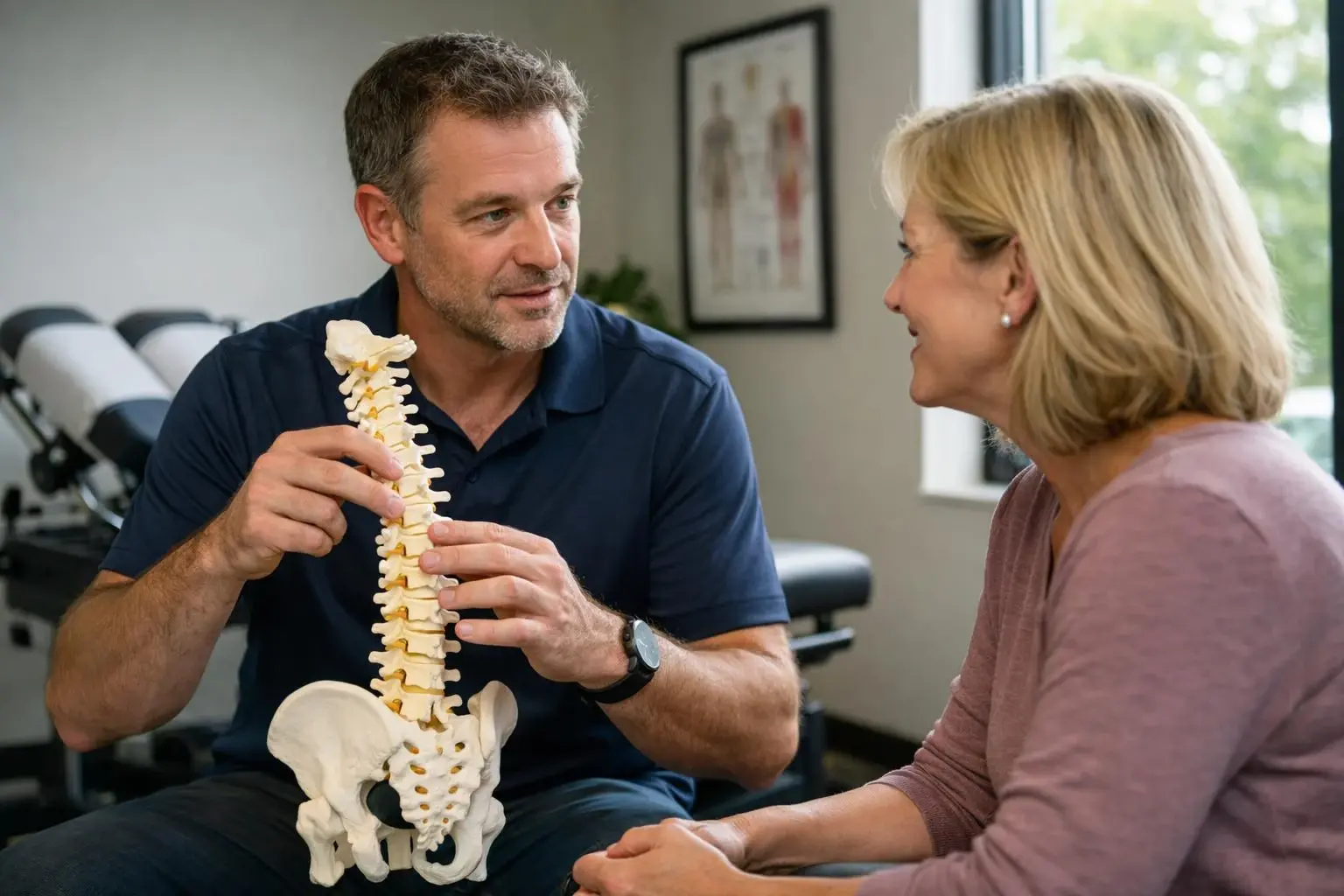
Adjustment in Chiropractor: Adjustment is a precise, controlled force applied by a licensed chiropractor to—visual guide

An adjustment is a main part of chiropractic (ky-ro-prak-tik) care. It's also called spinal manipulation.

Related glossary terms: Chiropractic Adjustment, Spinal Adjustment, Chiropractic Care.

Chiropractors use their hands or small tools. They apply a quick, controlled force to a joint.

This force moves the joint a little past its normal range. But it won't go beyond safe limits.

The goal is to fix misalignments. These are called subluxations (sub-luk-say-shuns).

Misalignments can cause pain, stiffness. Or nerve problems.

How Adjustment Works?

Adjustments help keep your spine and joints aligned. This supports your overall health.

Misaligned joints can press on nerves. This may cause pain or less function in other body parts.

Adjustments help your body heal naturally. You won't need surgery or medicine.

Most people hear a pop or crack during an adjustment. This sound is just gas leaving the joint.

%%STRICT_EXTRACTION_ZONE_0%%

Chiropractors check your spine, posture. And joints. They do this with a physical exam.

Sometimes they use X-rays or other images. This helps them find problem areas.

They look for joints that don't move right. These joints may feel stiff or restricted.

During an adjustment, you lie on a special table. The chiropractor gives a quick, gentle push to the joint.

This push helps the joint move better. It also eases tension on muscles and nerves.

There are different ways to do adjustments. Some chiropractors use their hands.

Others use tools like an activator. This tool gives a small, precise push.

The method depends on your age and health. It also depends on what feels best for you.

Kids and older adults may need gentler methods. Athletes might get more active techniques.

Why Adjustment Matters?

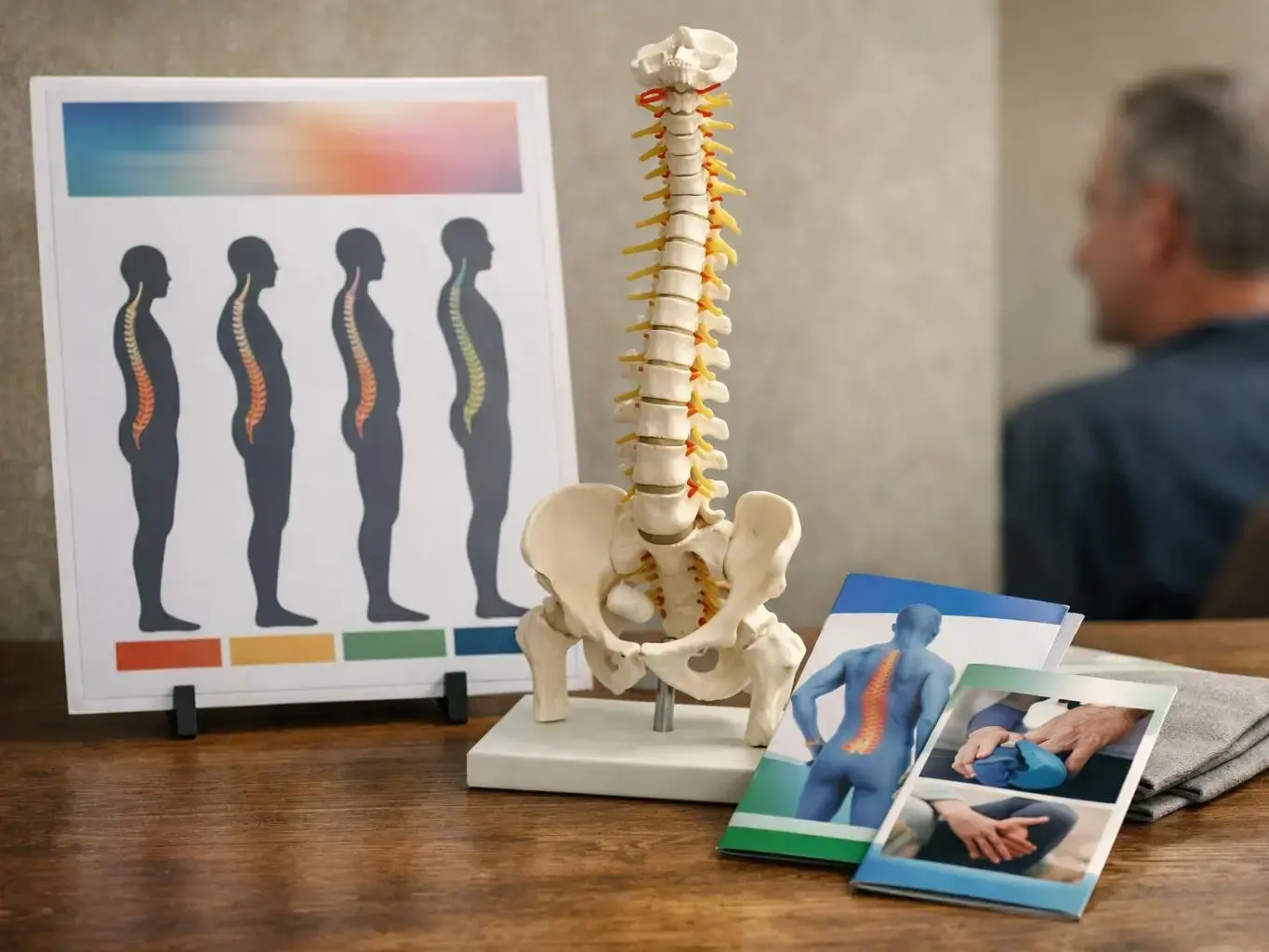
How Adjustment applies to Chiropractor services in Hermitage, United States—practical illustration

Adjustments help manage pain. They also improve how your body works.

Misaligned joints can cause long-term pain. They can also lead to headaches.

Sometimes they cause digestive problems. This happens if nerves to those areas are pressed.

Adjustments help fix these issues. They put your spine and joints back in place.

This reduces swelling and muscle tightness. It also helps you move normally again.

Adjustments can help with back pain. They also help with neck pain.

They're good for injuries from accidents or sports. They help with strain from doing the same thing over and over.

Adjustments do more than ease pain. They help your body heal itself.

When joints work right, nerves send signals better. This is key for good health.

Many people sleep better after adjustments. They also feel less stress.

Their posture gets better too. Adjustments aren't a cure for everything.

But they're safe and don't involve surgery. They help with muscle and bone problems.

When Adjustment Matters Most?

Adjustments help people with stiff joints. They help with back or neck pain.

They help with headaches or trouble moving. They're often used after injuries.

For example, car accidents or sports collisions. Adjustments help your body heal faster.

A person with whiplash may feel better. Adjustments can ease neck stiffness and pain.

People who sit a lot may also benefit. Adjustments help with strain from poor posture.

Adjustments are good for prevention too. Regular visits keep your spine healthy.

They stop small issues from becoming big problems. Athletes use them to avoid injuries.

Adjustments can also boost performance. But they're not right for everyone.

People with severe osteoporosis shouldn't get them. Neither should those with spinal fractures.

Some inflammatory conditions may also be a problem. A chiropractor will check your health first.

They'll ask about your history before suggesting adjustments.

How to Evaluate Adjustment?

Related Concepts Compared

Adjustment vs. Chiropractic Manipulation

Chiropractic manipulation is a broader term that includes adjustments but may also involve other techniques like stretching or massage. Adjustments specifically refer to the precise, controlled force applied to joints.

Adjustment vs. Massage Therapy

Massage therapy focuses on relaxing muscles and improving circulation. While adjustments target joint alignment and nerve function. Both can complement each other but serve different purposes.

Expert Note

Adjustments are highly individualized. A skilled chiropractor tailors the technique to the patient’s age, condition. And comfort level, ensuring safety and effectiveness. Always communicate any discomfort during the session.

Common Mistakes or Myths About Adjustment

  • Assuming adjustments are painful; most patients feel relief, not pain.
  • Believing adjustments are only for back pain; they can help neck, shoulders. And other joints.
  • Thinking adjustments are a one-time fix; regular care may be needed for chronic issues.
  • Confusing adjustments with cracking your own back, which can cause injury.

Adjustment in Practice: A Real-World Example

After a minor car accident, a patient experiences neck stiffness and headaches. A chiropractor evaluates their spine and performs a gentle adjustment to realign the cervical vertebrae. The patient feels immediate relief and notices improved range of motion after a few sessions.

Related Services

Related Terms

Chiropractic Adjustment

Chiropractic Adjustment is a precise, hands-on procedure where a licensed chiropractor applies controlled force to a joint in the spine or other body part to improve alignment, reduce pain. And restore movement. It's commonly used to treat back pain, neck pain, headaches. And joint stiffness without surgery or medication.

Spinal Adjustment

Spinal Adjustment is a controlled, precise manual force applied by a licensed chiropractor to a specific joint in the spine. This procedure aims to improve spinal motion, reduce nerve irritation. And restore proper alignment, often resulting in decreased pain and improved function. It's a core technique in chiropractic care used to address musculoskeletal conditions.

Chiropractic Care

Chiropractic Care is a health care profession focused on diagnosing, treating. And preventing disorders of the musculoskeletal system, particularly the spine. Chiropractors use hands-on spinal adjustments and other manual therapies to improve joint function, reduce pain.

Chiropractic Manipulation

Chiropractic Manipulation is a hands-on treatment technique used by licensed chiropractors to improve joint function, reduce pain. And restore mobility. It involves applying controlled force to specific joints, often in the spine, to correct misalignments called subluxations. The goal is to support the body’s natural healing without surgery or medication.

Advanced Injury Care Clinic

Have Questions About Adjustment?

Contact Advanced Injury Care Clinic for practical guidance on Adjustment and related chiropractor work in Hermitage.

+1 615-777-0624