Skip to content

Massage Therapy in La Vergne, Tennessee

A clinical assessment guides Myofascial release in La Vergne when back discomfort calls for focused soft tissue care. We match the treatment to your symptoms, goals, and daily demands.

Upfront, Transparent PricingServing 23 CommunitiesMon-Fri: 9 am–7 pm, Sat: 9 am–2 pm, Sun: ClosedFast Scheduling

Quick Summary: massage therapy in La Vergne, Tennessee

Massage Therapy in La Vergne is provided by Advanced Injury Care Clinic for back discomfort, muscle tightness, and related soft tissue concerns. Care includes an evaluation and an individualized plan that may include massage, chiropractic adjustments, therapeutic exercises, or rehabilitative care.

  • What we do: Advanced Injury Care Clinic provides Massage Therapy for people in La Vergne, Tennessee, with back discomfort and soft tissue concerns.
  • What is included: Care may include myofascial release, deep tissue work, trigger-point treatment, chiropractic adjustments, spinal decompression, and therapeutic exercises.
  • What you get: The customer leaves with a treatment plan that matches the source of discomfort and supports easier movement.

Why does back discomfort keep returning after massage therapy?

Back discomfort may return when muscle tension, joint strain, movement habits, or an underlying injury remains. A health history and exam help identify the next useful step.
Massage Therapy in La Vergne for Back Discomfort

Massage therapy here serves people who want focused care for back discomfort, muscle tightness, or restricted movement. The main decision is whether soft tissue work fits the concern or whether the evaluation points toward chiropractic adjustments, exercises, or another part of the care plan.

Myofascial release works through areas where muscle and connective tissue feel tight or tender. Deep tissue work, Swedish massage, and trigger-point treatment may suit different goals, but the right choice depends on your symptoms and exam findings.

The service connects with the clinic’s broader injury care. Patients may seek help after an auto accident, work-related injury, sports injury, or ongoing back pain. We explain what the assessment shows and outline the next step in plain language.

  • Discuss the location, pattern, and effect of your back discomfort.
  • Review health history, injury details, and current activity.
  • Check movement and soft tissue sensitivity before treatment.
  • Match massage techniques to your condition and care goals.
  • Reassess your response and adjust the care plan when needed.
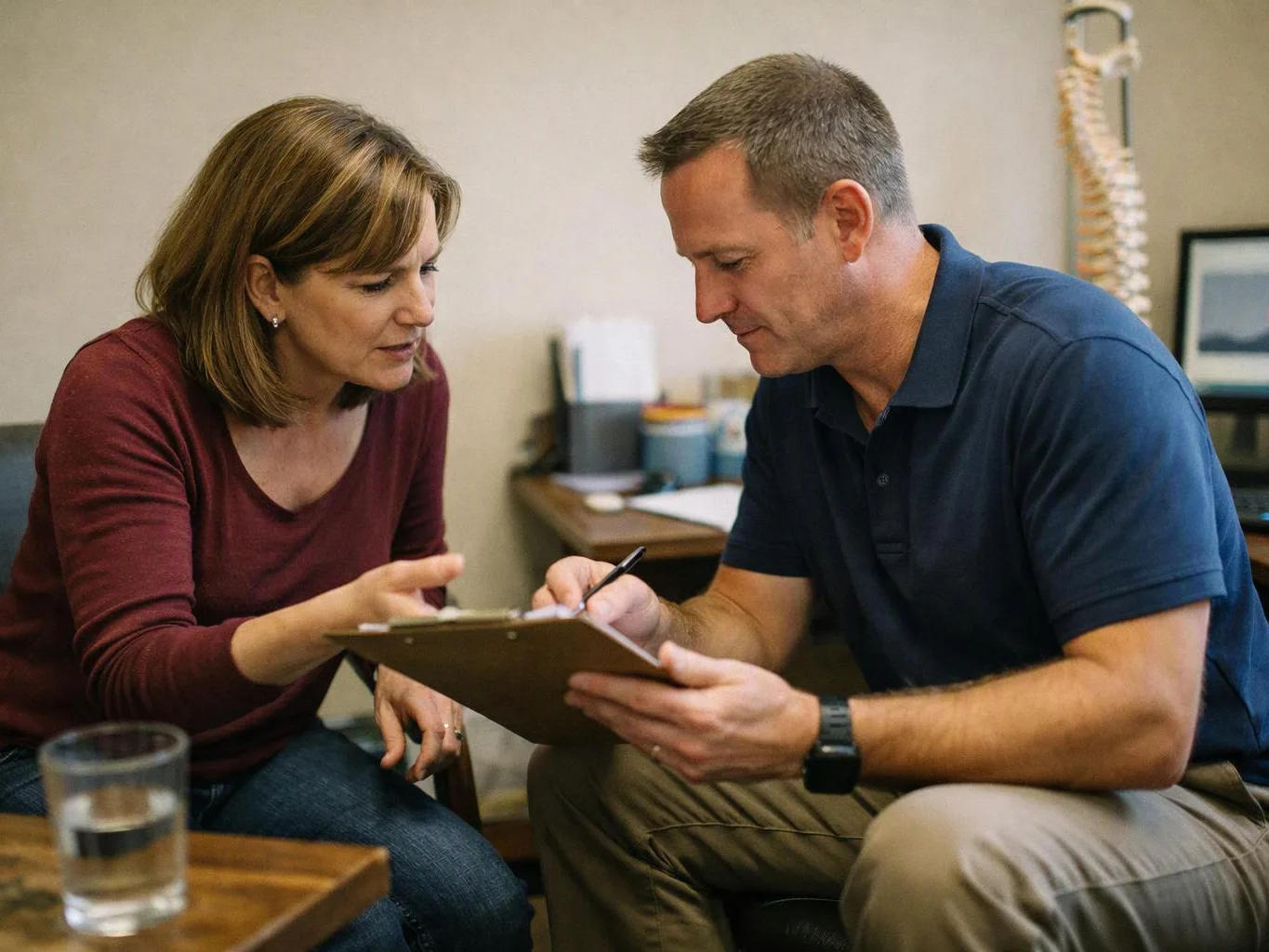
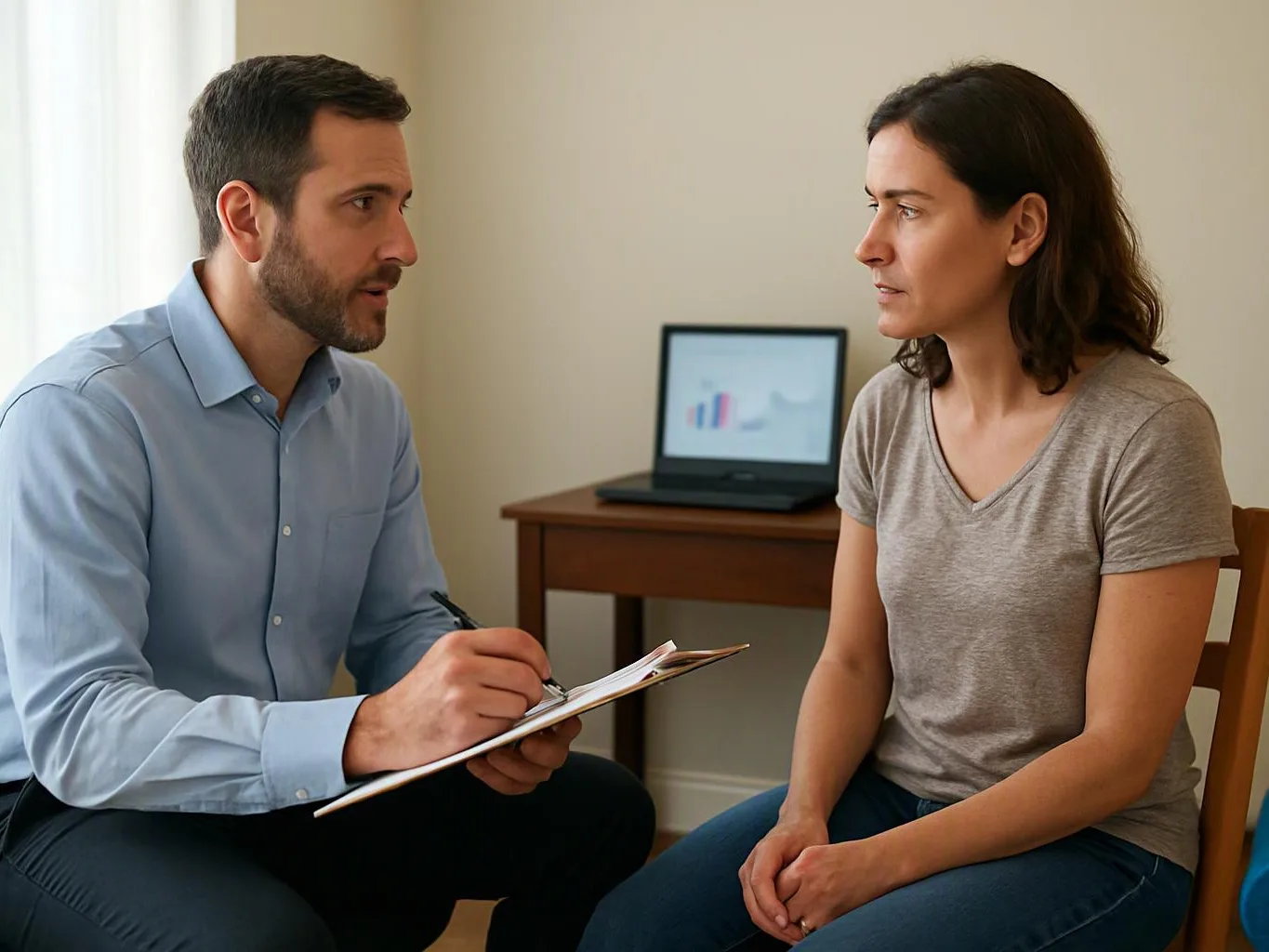
A man takes notes while speaking with a woman seated across from him in a simple room

Service Overview

Massage Therapy is a hands-on treatment that works on muscles and soft tissue to ease tension and support movement.

  • Massage therapy focuses on soft tissue, while chiropractic care may also address joint motion, spinal mechanics, and rehabilitation.
  • Advanced Injury Care Clinic provides this care for patients in La Vergne and surrounding Nashville-area communities.

What Focused Massage Care Can Change

Soft tissue work may help reduce muscle tension around the back and hips.

Improved tissue movement can support greater comfort during daily activities.

A focused session gives the care team more information about tender or restricted areas.

Massage can complement chiropractic adjustments and therapeutic exercises when the plan calls for both.

Regular maintenance may help you stay aware of recurring tension and movement limits.

What to Consider Before Choosing Massage Care

Assessment before hands-on treatment

The first step is a health history and exam, so we can match soft tissue work to your condition. Our licensed chiropractor team can connect massage findings with the wider care plan.

Treatment matched to your symptoms

Deep tissue, Swedish massage, trigger-point work, and myofascial release do not serve the same purpose. We choose the approach after reviewing your pain pattern, movement, and goals.

A clear limit for massage

Massage therapy is not the right sole service for every injury, severe symptom, or condition that needs medical evaluation. We address that concern during the assessment and guide the next step.

Process

How We Plan and Deliver Massage Therapy

1

Review your health history

We discuss your symptoms, past injuries, activity, and care goals during the new patient intake.

2

Check movement and soft tissue

The exam looks at movement, tender areas, muscle tension, and signs that may call for a different care approach.

3

Select the hands-on method

We may choose myofascial release, deep tissue work, Swedish massage, or trigger-point treatment based on the assessment.

4

Connect care to your goals

Massage may be paired with chiropractic adjustments, spinal decompression, therapeutic exercises, or rehabilitative care when appropriate.

5

Review the next step

After treatment, we discuss your response and explain any follow-up, exercise, or maintenance guidance that fits your plan.

What Your Massage Therapy Visit Can Include

Advanced Injury Care Clinic provides comprehensive Massage Therapy in La Vergne. Here's what you get:

  • A new patient intake covers your health history, symptoms, and care goals.
  • A hands-on assessment checks muscle tension, tender areas, and movement.
  • Myofascial release addresses tight soft tissue with controlled pressure.
  • Deep tissue or trigger-point work targets selected areas when appropriate.
  • Swedish massage provides lighter hands-on work for relaxation and general muscle tension.
  • Your treatment plan may connect massage with adjustments, exercises, or rehabilitative care.

Massage Methods for Different Back Care Goals

These methods differ by pressure, focus, and the type of soft tissue concern being assessed.

Massage methodMain focusWhen it may fit
Myofascial releaseTight or restricted connective tissue and muscleFocused soft tissue care after assessment
Deep tissue massageSelected areas with stronger muscle tensionA focused approach when pressure is appropriate
Swedish massageGeneral muscle tension and relaxationLighter hands-on work for suitable concerns
Trigger-point workSpecific tender areas within muscleTargeted care when the assessment identifies a trigger point

The Advanced Injury Care Clinic Standard

  • Personalized Care
  • Thorough Evaluations
  • Clear Explanations
  • Respectful Environment

Questions About Massage Therapy and Back Discomfort

What type of massage therapy fits back discomfort?

Myofascial release often fits back discomfort linked to tight or restricted soft tissue. The first visit also checks movement, injury history, and trigger points.

  • Deep tissue work may suit selected areas with stronger muscle tension.
  • Swedish massage uses lighter pressure for general tension and relaxation.
  • Trigger-point work focuses on specific tender muscle areas.

Our team matches the method to your findings and goals.

How is massage therapy matched to my condition before treatment?

A health history and hands-on exam guide the treatment choice before massage begins. We review symptoms, movement, injury details, and daily demands.

The assessment helps us decide whether soft tissue work fits the concern. It also shows when chiropractic adjustments, exercises, or rehabilitative care should be part of the plan.

What should be ready before massage therapy starts?

Your health history, current symptoms, injury details, and treatment goals should be ready before the visit. These details help us plan safe hands-on care.

  • List current symptoms and sensitive areas.
  • Share past injuries and relevant health information.
  • Describe activities that increase discomfort.

Wear clothing that allows practical movement and discuss any concern before treatment.

Which condition changes the massage therapy plan?

An active injury, marked tenderness, limited movement, or symptoms beyond muscle tension can change the massage plan. The assessment decides whether pressure should be lighter or another service should lead.

Auto accident injuries, work-related injuries, sports injuries, sciatica, and headaches need a careful history. We explain the safest next step for the findings.

Why might back discomfort return after a massage visit?

Back discomfort may return when joint strain, movement habits, activity demands, or an untreated injury continues. Massage addresses soft tissue, but some concerns need a wider care plan.

We review your response and may connect treatment with chiropractic adjustments, therapeutic exercises, or rehabilitative care. Individual results vary, so follow-up guidance matters.

Can massage replace chiropractic care for back pain?

Massage cannot replace chiropractic care when the assessment identifies joint or movement concerns that need a broader plan. Soft tissue treatment and chiropractic care address different parts of a condition.

Our team explains whether massage alone fits your goals. We may combine it with adjustments, spinal decompression, exercises, or rehabilitative care.

Who provides massage therapy at the clinic?

Advanced Injury Care Clinic provides massage therapy as part of its injury and musculoskeletal care services. The clinic also offers chiropractic adjustments, spinal decompression, soft tissue techniques, and therapeutic exercises.

Your care begins with an evaluation and an individualized plan. We explain which services fit your condition and goals.
Contact

Discuss Massage Therapy in La Vergne

Advanced Injury Care Clinic offers care close to home for people seeking help with back discomfort and soft tissue tension in La Vergne. Book a Free Consultation to discuss your symptoms, goals, and treatment options.

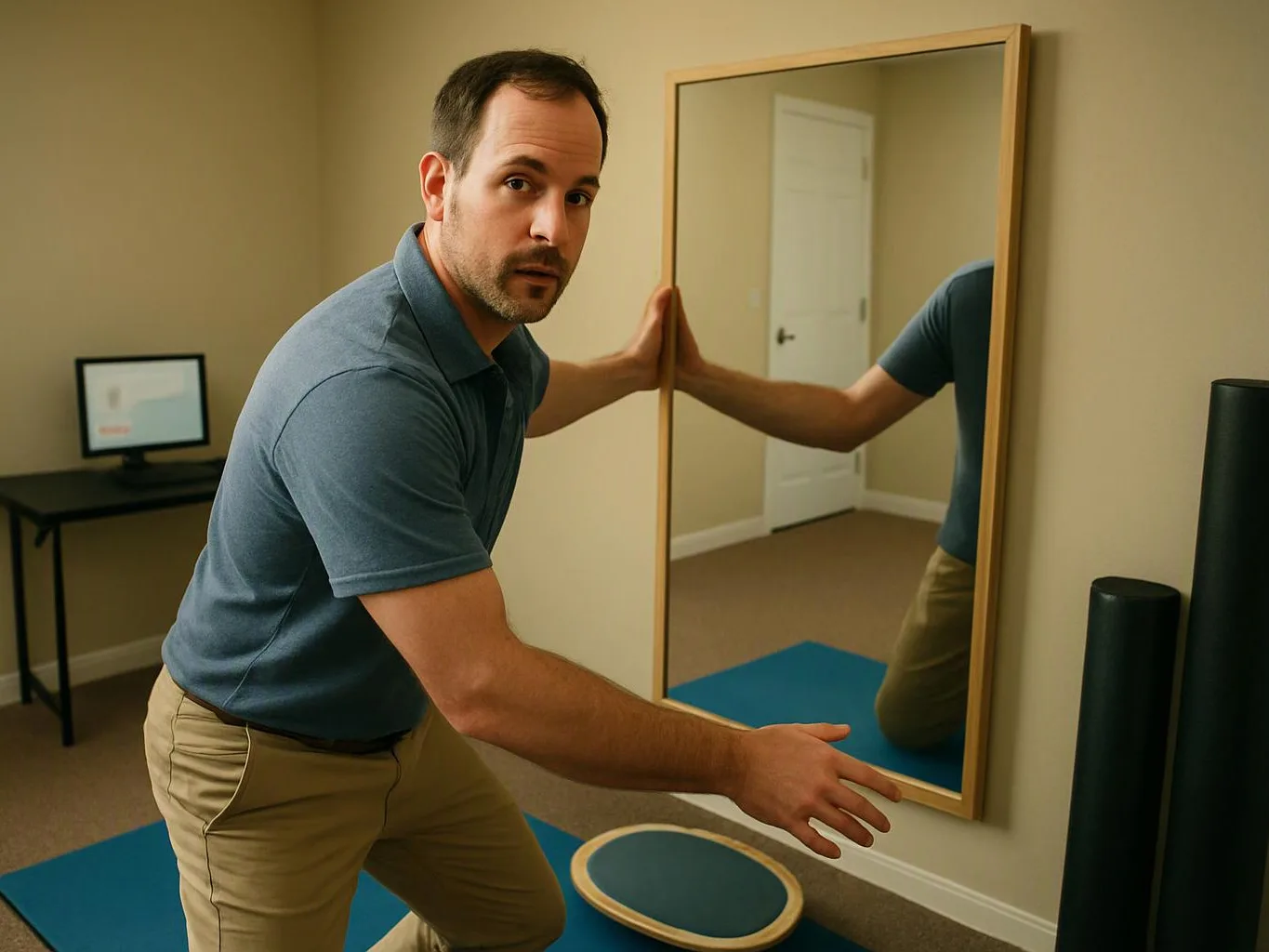
A man in a blue polo braces a wall mirror in a bare room with a small table and exercise mats

ZIP Codes We Serve in La Vergne, Tennessee

3708637089

The health and wellness information on this website is for general informational purposes only and is not medical advice. It does not create a provider-patient relationship. Always consult a qualified licensed provider in Hermitage, Tennessee, United States about your specific condition before making care decisions. Individual results vary.

(615) 265-0412