Skip to content

Auto Accident Injury Treatment in La Vergne, Tennessee

Injury documentation starts with a safety check for patients in La Vergne. We assess symptoms and discuss a free consultation before care begins.

Upfront, Transparent PricingServing 23 CommunitiesMon-Fri: 9 am–7 pm, Sat: 9 am–2 pm, Sun: ClosedFast Scheduling

Quick Summary: auto accident injury care in La Vergne, Tennessee

Auto Accident Injury Treatment in La Vergne is provided by Advanced Injury Care Clinic for collision-related neck pain, back pain, headaches, whiplash, and other musculoskeletal concerns. Care starts with a thorough evaluation and an individualized plan based on each patient’s condition, goals, and lifestyle.

  • What we do: Advanced Injury Care Clinic provides Auto Accident Injury Treatment for patients in La Vergne, Tennessee, with evaluations and individualized chiropractic care plans.
  • What is included: Evaluations may include health history, movement checks, chiropractic adjustments, spinal decompression, soft tissue techniques, therapeutic exercises, and rehabilitative care.
  • What you get: The patient receives a clear care plan that addresses collision-related discomfort and supports improved movement.

When should I seek auto accident injury treatment for pain after a crash?

Seek auto accident injury treatment when pain, stiffness, headaches, numbness, or reduced movement follows a crash. Early evaluation helps document symptoms and guides the next care decision.
Auto Accident Injury Treatment in La Vergne for Collision-Related Symptoms

Auto accident injury treatment addresses symptoms that begin after a crash, including whiplash, neck pain, back pain, headaches, sciatica, and reduced mobility. The work is for people who need an evaluation and a care plan tied to their condition, not a routine wellness visit alone.

In La Vergne, the key buyer decision is when to seek an assessment. Immediate pain deserves attention, but delayed soreness also matters because symptoms can change after the initial shock wears off. Our team checks your health history, movement, and reported symptoms before discussing treatment options.

Care may include chiropractic adjustments, spinal decompression, soft tissue therapy, therapeutic exercises, or rehabilitative care. Severe symptoms or concerns outside musculoskeletal care need medical evaluation before chiropractic treatment proceeds.

  • Record when symptoms began and how they changed after the collision.
  • Bring available collision, medical, or insurance documents to the consultation.
  • Tell the care team about numbness, weakness, headaches, or changes in movement.
  • Ask how the evaluation supports injury documentation and treatment planning.
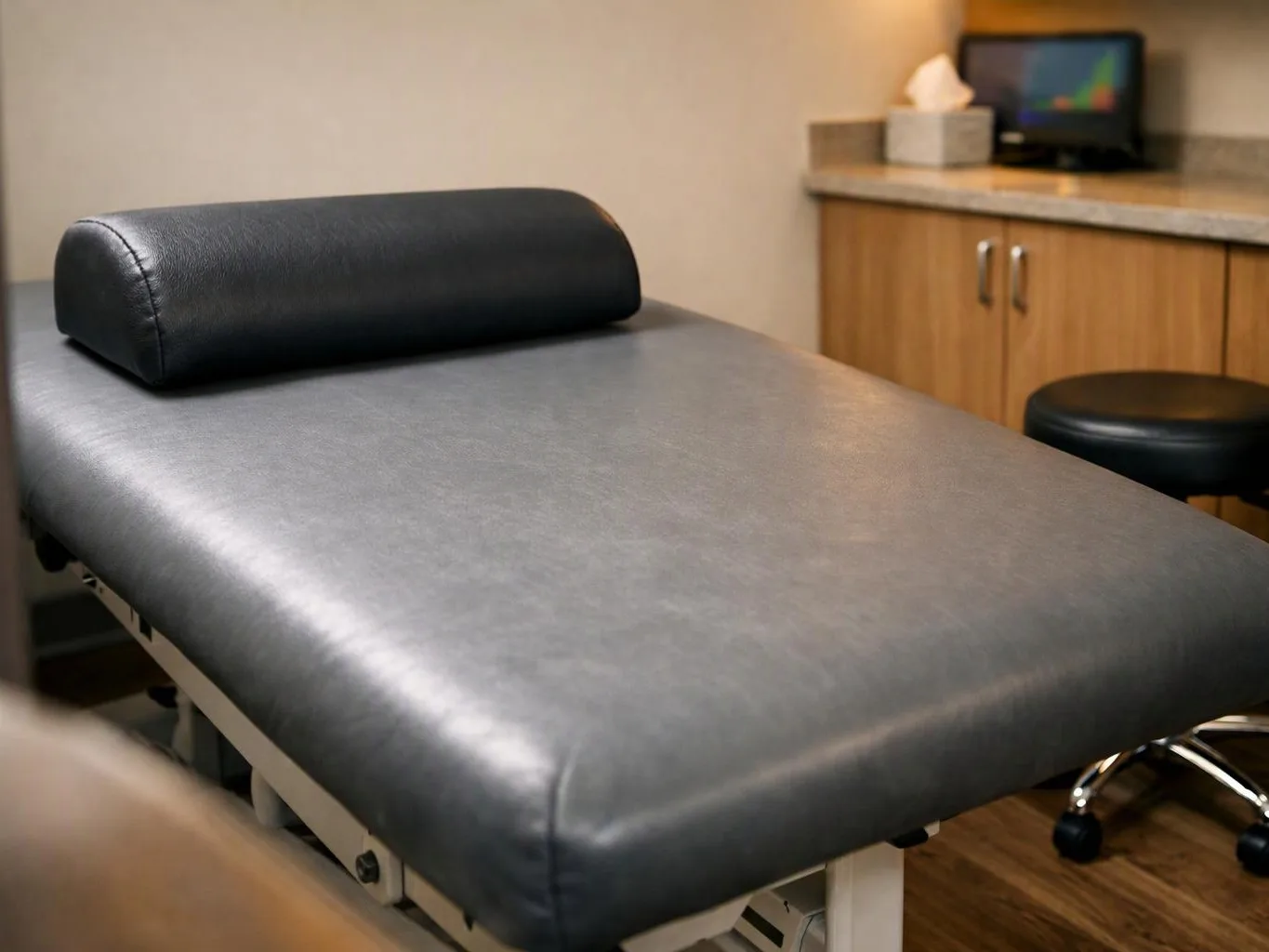
An empty exam table sits in a clinic room beside a stool, cabinets, and a tissue box

Service Overview

Auto accident injury treatment is a health service that evaluates and treats musculoskeletal problems linked to a vehicle collision.

  • Chiropractic care focuses on joints, muscles, movement, and related symptoms, while urgent medical care addresses severe warning signs that need immediate attention.
  • Advanced Injury Care Clinic provides this care in La Vergne and serves nearby Nashville-area communities.

What collision injury care includes for your visit

Advanced Injury Care Clinic provides comprehensive Auto Accident Injury Treatment in La Vergne. Here's what you get:

  • A thorough evaluation reviews your health history, symptoms, movement, and daily limits.
  • A report of findings explains what the examination showed and what care may fit.
  • A personalized treatment plan connects recommended care to your condition, goals, and lifestyle.
  • Chiropractic adjustments may address restricted joint movement when clinically appropriate.
  • Spinal decompression, soft tissue techniques, and therapeutic exercises may support the treatment plan.
  • Rehabilitative care helps you work on movement and function between visits.
Process

How we carry out collision injury care

1

Review the crash and symptoms

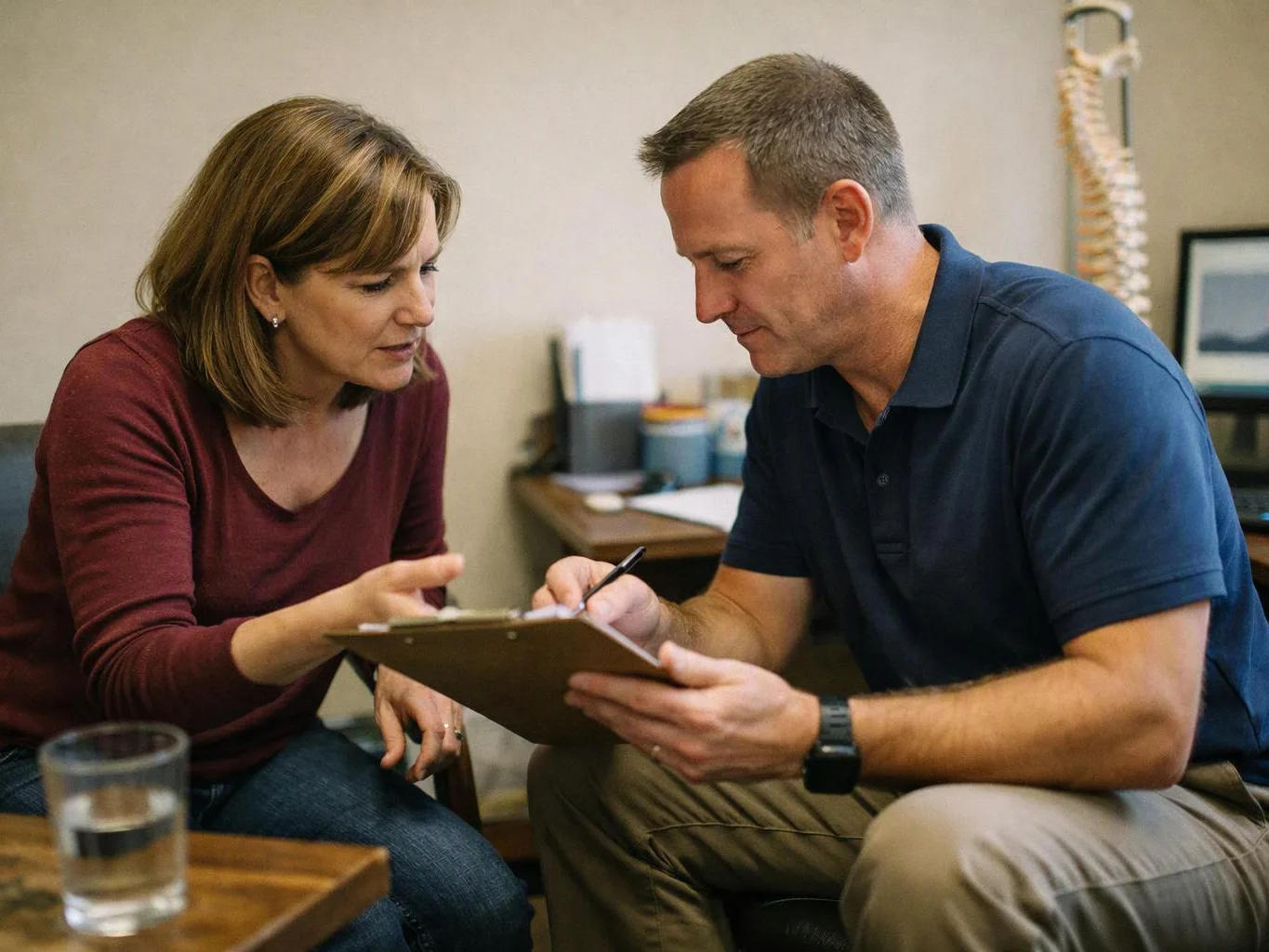
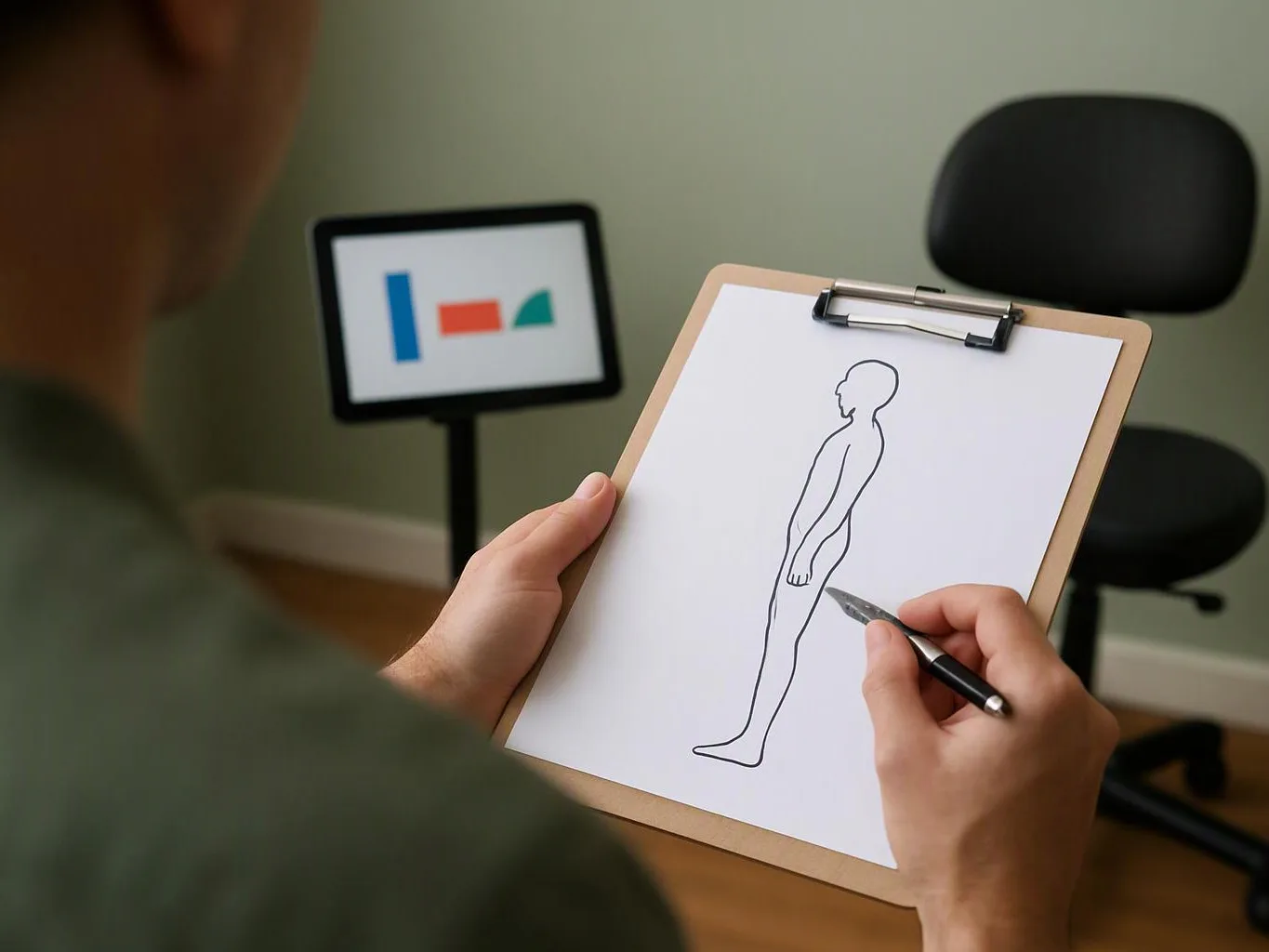
We begin with a new patient intake and health history. You describe the collision, symptom changes, pain areas, and limits on daily movement.

2

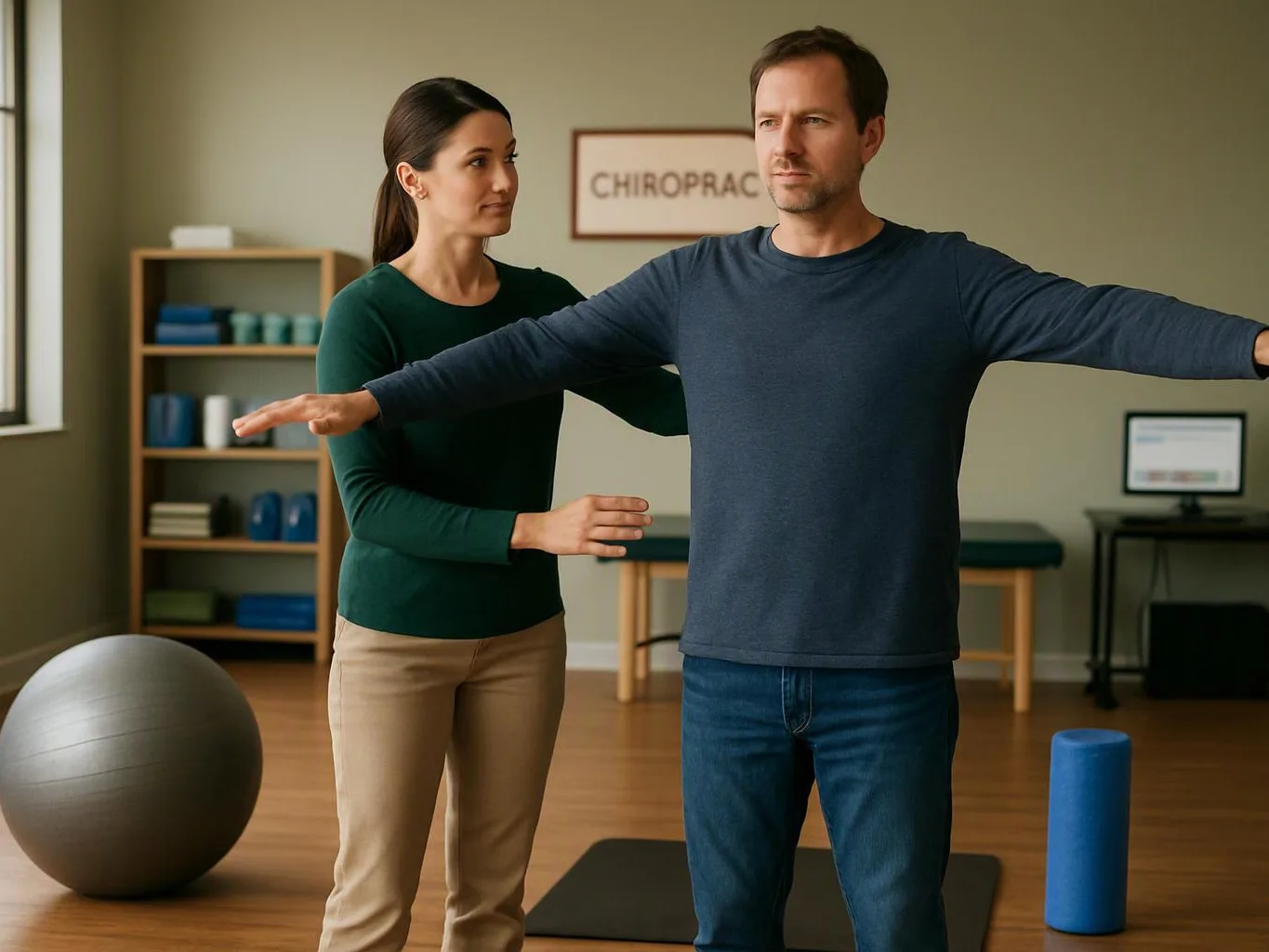
Complete the health history and exam

Our team checks movement and discusses the findings. X-rays may be considered if clinically indicated.

3

Explain the report of findings

We review what the evaluation shows and answer questions about care options, goals, and suitability.

4

Build the personalized treatment plan

The plan may include chiropractic adjustments, spinal decompression, soft tissue techniques, exercises, or rehabilitative care.

5

Review progress and next steps

A progress re-examination helps assess your response to care and guides future treatment decisions.

How we approach collision-related symptoms

Evaluation before treatment choices

Your health history and exam come first, so care matches the symptoms and movement limits we find. If severe warning signs need medical attention, chiropractic treatment is not the right first service.

Care matched to your condition

A treatment plan may combine adjustments, spinal decompression, soft tissue therapy, and therapeutic exercises. We choose methods based on your needs instead of applying the same plan to every patient.

Guidance for the next decision

The report of findings explains what we observed and what care may help. You can discuss questions, goals, and follow-up needs before choosing a course of treatment.

What patients gain from a focused collision assessment

A structured evaluation gives you a clearer view of symptoms after a crash.

Injury documentation records the concerns discussed during the assessment and supports informed care decisions.

Personalized treatment planning links care choices to your movement limits and daily needs.

Exercises and soft tissue care may help you work toward greater comfort and mobility.

A progress re-examination can help assess how your condition is responding to care.

Choosing the right next step after a collision

This comparison shows how common post-crash concerns guide the next conversation.

Post-crash situationUseful next stepWhat we review
Musculoskeletal pain or stiffnessRequest a chiropractic evaluationMovement, symptom pattern, and daily limits
Delayed neck or back painSchedule a consultation and discuss injury documentationWhen symptoms began and how they changed
Severe or unusual warning signsSeek medical evaluation firstSymptoms that fall outside routine musculoskeletal care

The Advanced Injury Care Clinic Standard

  • Personalized Care
  • Thorough Evaluations
  • Clear Explanations
  • Respectful Environment

Questions about collision injury care and chiropractic visits

When should I seek care after an auto accident?

Injury documentation should begin when pain, stiffness, headaches, numbness, or reduced movement follows a crash. Advanced Injury Care Clinic reviews symptoms during an evaluation and records the concerns discussed. Delayed pain still matters, even if you felt fine immediately after the collision. Severe or unusual symptoms need medical evaluation before chiropractic care.

What does the care team look at first after a collision?

The first review covers your health history, collision details, symptoms, and movement limits. Our team asks when pain began and checks how symptoms affect daily activity. X-rays may be considered if clinically indicated. These findings guide the report of findings and help determine whether chiropractic treatment fits.

What should be checked before treatment is scheduled?

A health history and physical examination should come before treatment planning. We check symptoms, movement, medical concerns, and your goals before recommending adjustments or other methods. Severe warning signs can require medical attention first. The consultation gives you a chance to discuss suitability and ask questions.

Who is a good fit for chiropractic care after a crash?

Patients with collision-related musculoskeletal symptoms may fit chiropractic care after an appropriate evaluation. Neck pain, back pain, whiplash, headaches, and sciatica are examples we assess. Conditions needing urgent medical attention require a different first step. Individual response differs, so the plan follows the examination.

How does a first visit support injury documentation?

The first visit records your health history, reported symptoms, movement findings, and care discussion. Our team explains the report of findings and the proposed treatment plan. Bring available collision or medical documents if you have them. Documentation supports a clearer conversation about your condition and next steps.

Which care methods might be discussed for delayed pain?

Delayed pain may lead to a discussion of adjustments, spinal decompression, soft tissue therapy, or therapeutic exercises. The examination determines which methods fit your condition. Our team connects each option to your symptoms and goals. A progress re-examination can guide later changes to care.

Why might someone need medical evaluation before chiropractic care?

Severe symptoms or concerns outside musculoskeletal care can require medical evaluation first. Chiropractic treatment is not the right first service when urgent assessment is needed. Tell our team about major symptom changes, numbness, weakness, or other serious concerns. We use the evaluation to choose a safe next step.
Contact

Discuss your auto accident injury treatment needs in La Vergne

Start with a free consultation and a review of your symptoms, movement, and available injury documents. Advanced Injury Care Clinic will explain the evaluation and the next care decision.

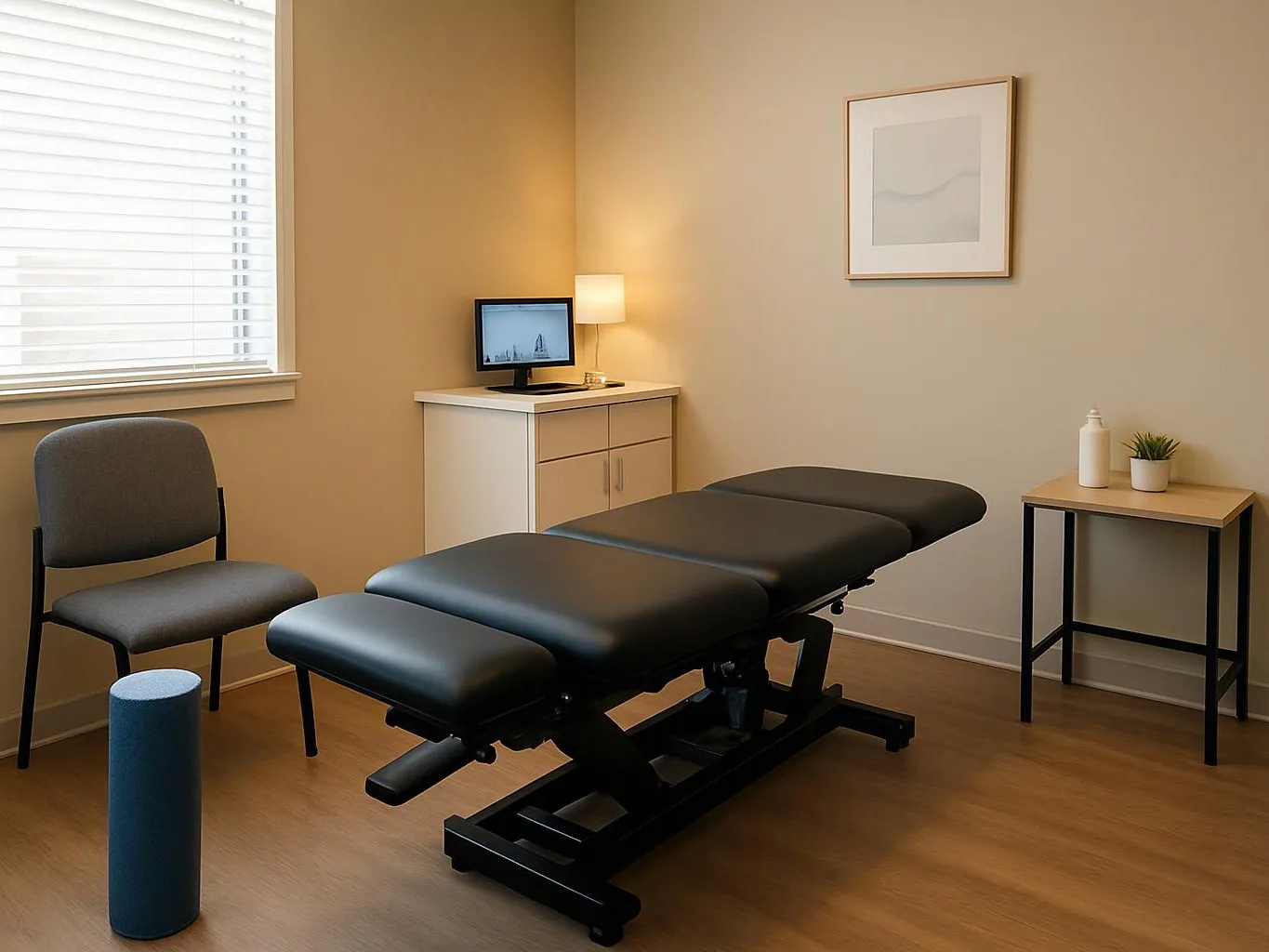
A quiet treatment room holds a black padded exam table, a chair, cabinets, and a small lamp by the wall

ZIP Codes We Serve in La Vergne, Tennessee

3708637089

Auto Accident Injury Treatment in Other Areas

The health and wellness information on this website is for general informational purposes only and is not medical advice. It does not create a provider-patient relationship. Always consult a qualified licensed provider in Hermitage, Tennessee, United States about your specific condition before making care decisions. Individual results vary.

(615) 265-0412