Skip to content

Soft Tissue Therapy in White House, Tennessee

Reduced tension starts with a careful look at how your muscles and joints move in White House. We pair soft tissue work with chiropractic care when your goals call for both.

Upfront, Transparent PricingServing 23 CommunitiesMon-Fri: 9 am–7 pm, Sat: 9 am–2 pm, Sun: ClosedFast Scheduling

Quick Summary: soft tissue care in White House, Tennessee

Soft tissue therapy in White House is provided by Advanced Injury Care Clinic for muscle tension, restricted movement, neck pain, back pain, and injury-related discomfort. Care covers Hermitage, Donelson, Mount Juliet, Old Hickory, Madison, and nearby Middle Tennessee communities, with treatment plans shaped by each patient's condition and goals.

  • What we do: Advanced Injury Care Clinic provides Soft Tissue Therapy for patients in White House, Tennessee, as part of individualized chiropractic care.
  • What is included: Soft tissue techniques, chiropractic adjustments, spinal decompression, therapeutic exercises, and rehabilitative care.
  • What you get: The patient receives a care plan aimed at improving movement and easing muscle-related discomfort.

Why does reduced tension change after soft tissue therapy?

Reduced tension can change as treated muscles respond and normal activity resumes. Temporary soreness, improved mobility, hydration needs, and activity guidance all affect what you notice after treatment.


Soft Tissue Therapy in White House for reduced tension

Soft tissue therapy focuses on muscles, fascia, and other soft tissues that feel tight or sore after an injury or repeated strain. Our team uses hands-on techniques alongside a health history and movement exam, then matches care to your symptoms and goals.

The key decision is whether muscle work should stand alone or support a wider chiropractic plan. Patients with whiplash, back pain, neck pain, headaches, sciatica, or sports injuries may need more than one type of care. We may include adjustments, therapeutic exercises, spinal decompression, or rehabilitative care when the assessment supports them.

Results vary, and soft tissue therapy isn't the right fit for every symptom. Severe or changing symptoms need careful review before treatment, so we use the evaluation to guide the next step. Patients can request care in White House or nearby communities served by our practice.

  • Share when the tension began and what activity makes it worse.
  • Bring details about any auto accident, work injury, or sports injury.
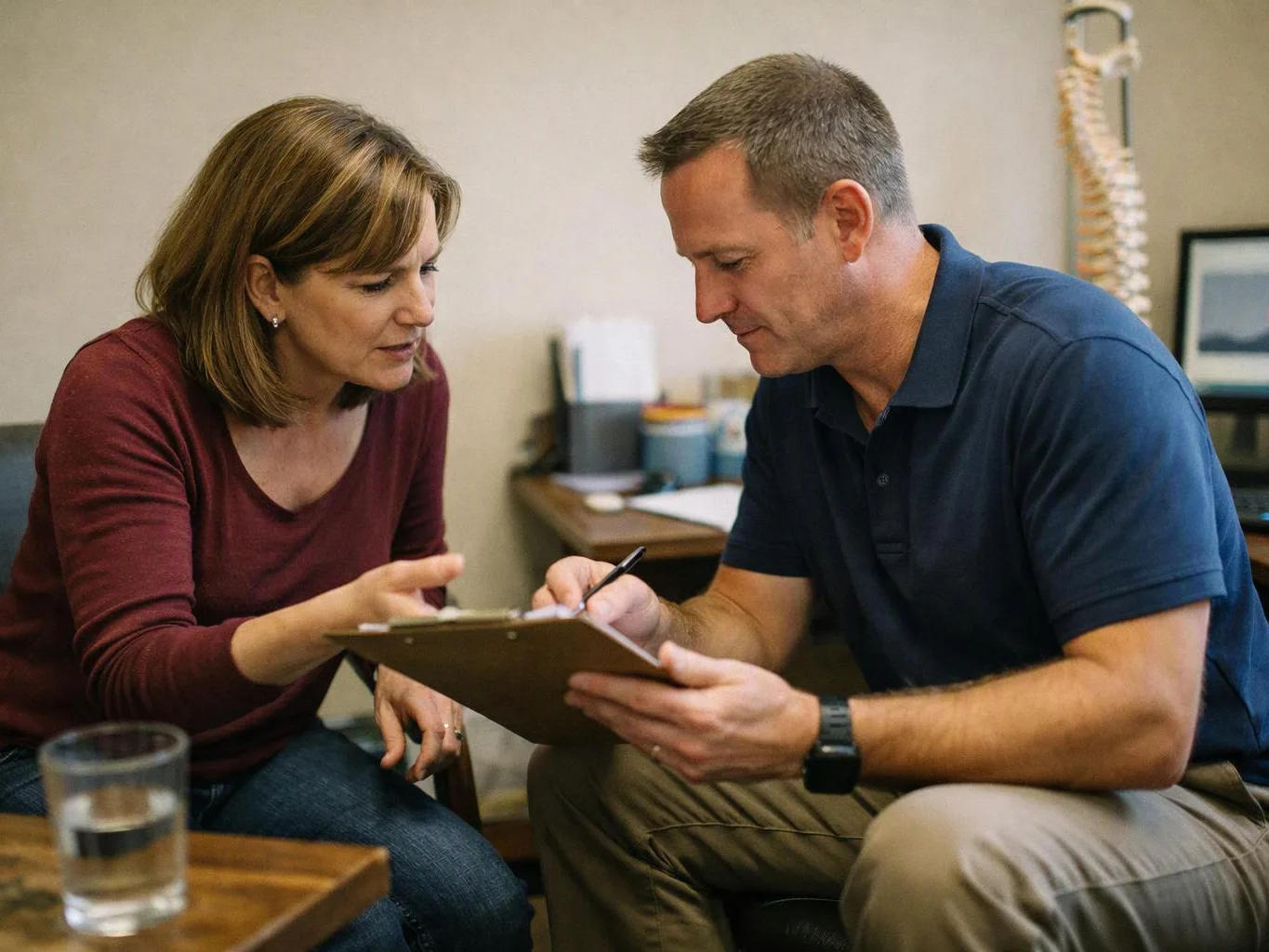
  • Expect a health history and movement assessment before treatment planning.
  • Ask how aftercare and activity guidance fit your daily routine.
A knee reflex hammer, a goniometer, folded towels, and a foam roller rest on a wooden table

Service Overview

Soft tissue therapy is a hands-on treatment that works with muscles and other soft tissues to support movement and ease tension.

  • Soft tissue work focuses on muscle and connective tissue, while chiropractic adjustments address joint and spinal movement when clinically appropriate.
  • Our care covers White House and nearby Middle Tennessee communities through Advanced Injury Care Clinic.

How we approach soft tissue treatment decisions

Assessment before hands-on care

We review symptoms, health history, and movement before choosing techniques. The first step is deciding what area needs care and whether other treatment belongs in the plan.

Care matched to your goals

Your plan may include soft tissue techniques, therapeutic exercises, spinal decompression, or chiropractic adjustments. We connect each option to your condition, lifestyle, and movement goals.

A clear limit on treatment fit

Soft tissue therapy isn't the right job for every symptom. If your condition needs a different evaluation or broader medical attention, we use the assessment to guide that decision.

Process

How we deliver soft tissue care from assessment to aftercare

1

Complete the health history

We discuss your symptoms, injury history, activity level, and goals during the new patient intake.

2

Check movement and tenderness

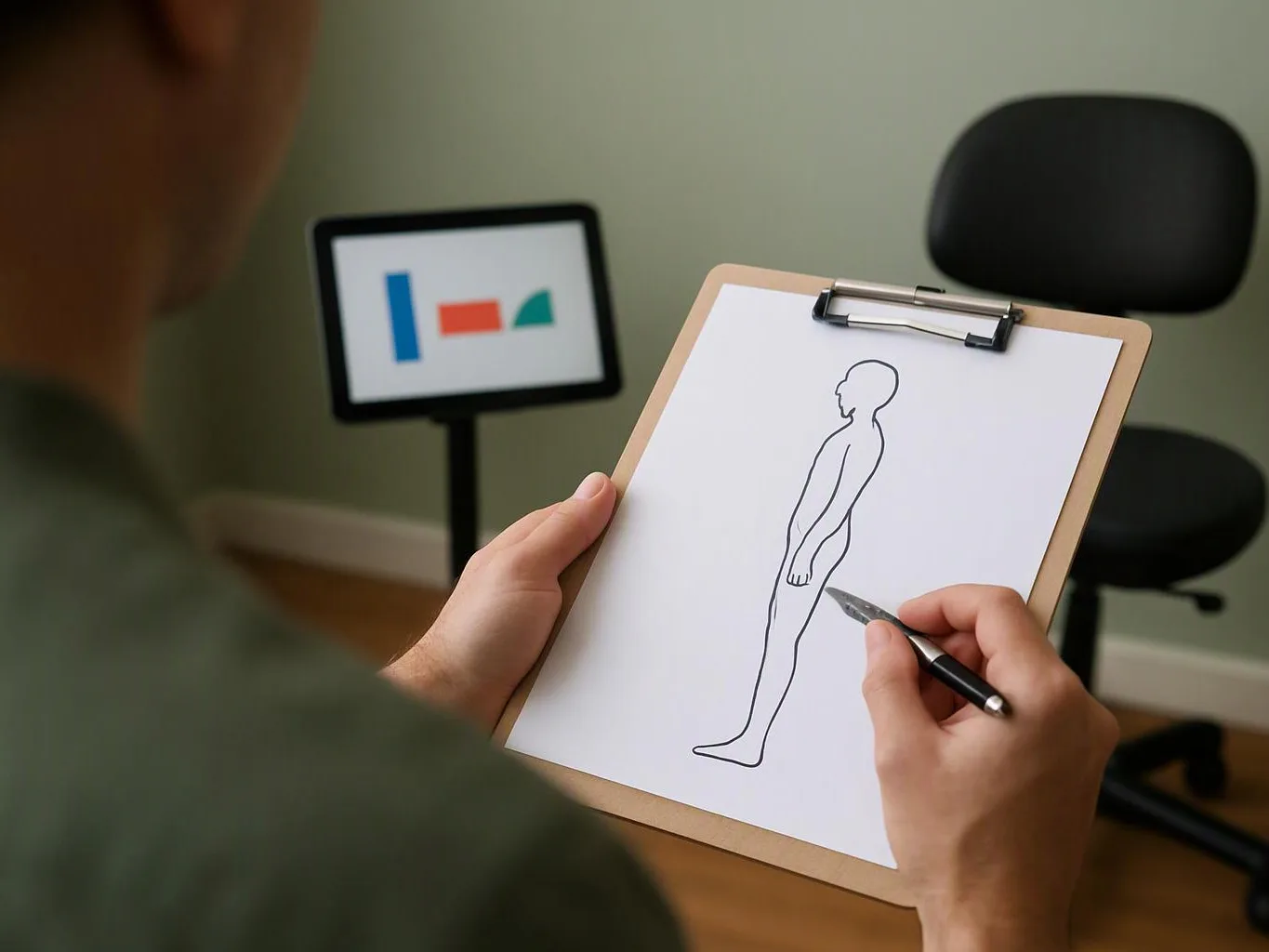
We assess movement and the areas connected to your concern before selecting hands-on soft tissue techniques.

3

Apply the planned treatment

We provide soft tissue work and may add chiropractic adjustments, spinal decompression, or therapeutic exercises when appropriate.

4

Discuss aftercare and activity

We explain possible temporary soreness, hydration needs, activity guidance, and the next part of your care plan.

What patients may notice after muscle-focused care

Soft tissue work may help ease muscle tightness that limits everyday movement.

Improved mobility can make normal movements feel more manageable.

Treatment planning connects muscle care with the cause and pattern of your symptoms.

Activity guidance helps you make informed choices after a treatment visit.

Regular maintenance may support ongoing mobility when it fits your care goals.

What soft tissue care includes for your treatment plan

Advanced Injury Care Clinic provides comprehensive Soft Tissue Therapy in White House. Here's what you get:

  • We review your health history, symptoms, and movement before hands-on care.
  • We apply soft tissue techniques to areas identified during the evaluation.
  • We explain how the treatment fits your personalized care plan.
  • We may pair muscle work with chiropractic adjustments or spinal decompression when appropriate.
  • We may add therapeutic exercises to support movement between visits.
  • We discuss activity guidance and what to watch for after treatment.

Choosing the right part of your care plan

These options address different findings, so the assessment guides which service belongs in your plan.

Care optionPrimary focusWhen it may fit
Soft tissue therapyMuscle and related tissue tensionTightness, tenderness, or restricted movement
Chiropractic adjustmentsJoint and spinal movementFindings that call for adjustment within the care plan
Therapeutic exercisesControlled movement and rehabilitationSupport between visits and progress toward movement goals

The Advanced Injury Care Clinic Standard

  • Personalized Care
  • Thorough Evaluations
  • Clear Explanations
  • Respectful Environment

Questions about soft tissue treatment and recovery

What should I expect after soft tissue therapy?

Reduced tension may follow treatment, but temporary soreness can also occur. We explain hydration needs and activity guidance after the visit. Improved mobility may develop as your body responds, but individual results vary. Tell us about any symptom change so we can review your next step.

How does a soft tissue visit move from the first call to the last step?

The visit moves from consultation to health history, movement assessment, treatment, and aftercare guidance.

  1. We discuss your symptoms and goals.
  2. We check movement and tenderness.
  3. We provide the planned hands-on care.
  4. We explain activity guidance and follow-up planning.

Which part of the treatment decides the cost?

The treatment plan decides the cost because it reflects the assessment and services included. A plan with soft tissue work alone differs from one that also includes adjustments, spinal decompression, or therapeutic exercises. A free consultation gives you a chance to discuss the expected care before scheduling treatment.

When should I ask about muscle work after an auto accident?

Ask about muscle work after an auto accident when soreness, stiffness, or limited movement affects daily activity. Whiplash symptoms can involve the neck, shoulders, and upper back. We review the injury history and current symptoms before selecting treatment. Report new or worsening symptoms during the assessment.

Why might therapeutic exercises follow hands-on treatment?

Therapeutic exercises may follow hands-on treatment to support movement between visits. Soft tissue work addresses the treated area during the appointment, while exercises help you practice controlled movement afterward. We choose exercises based on your condition, goals, and current ability.

What should I bring to my first appointment?

Your symptom history and injury details help us plan the first assessment. Bring information about the accident or activity that started the problem, current symptoms, and any care you have already received. You can also note which movements increase discomfort or limit daily tasks.

How can I tell whether this care fits my symptoms?

Soft tissue therapy may fit muscle tightness, tenderness, or movement limits that follow injury or strain. The assessment determines whether hands-on care suits your symptoms. Our team may recommend a broader chiropractic plan when joint movement, nerve symptoms, or rehabilitation needs also require attention.
Contact

Discuss soft tissue therapy in White House

Advanced Injury Care Clinic can discuss your symptoms, assessment needs, and care options. Start with a free consultation, then review the recommended plan and aftercare guidance before treatment begins.

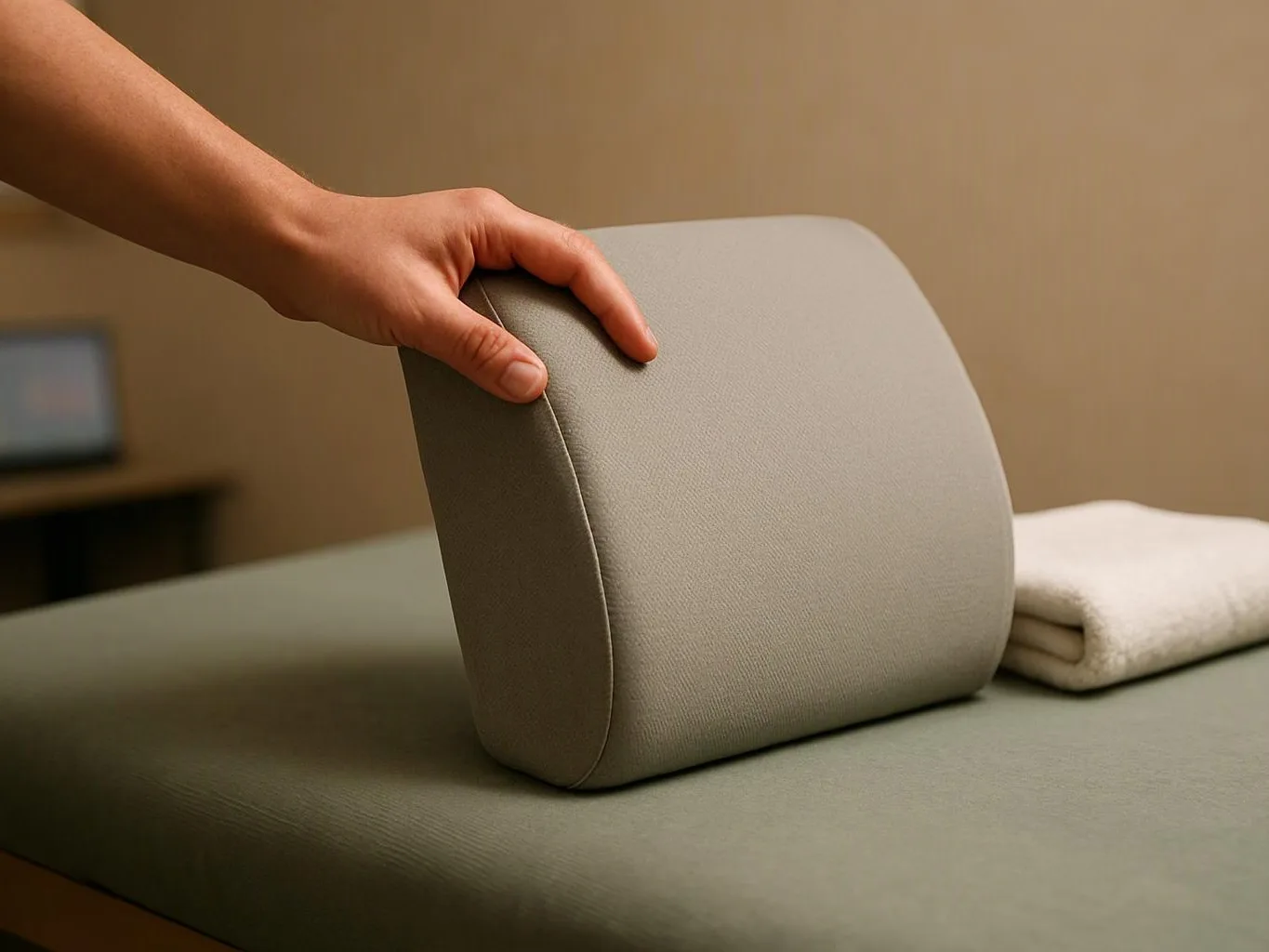
A quiet massage room shows a bed with folded towels, a neck pillow, and a glowing lamp by a cabinet

The health and wellness information on this website is for general informational purposes only and is not medical advice. It does not create a provider-patient relationship. Always consult a qualified licensed provider in Hermitage, Tennessee, United States about your specific condition before making care decisions. Individual results vary.

(615) 265-0412