What problems can soft tissue therapy address?
Muscle tension can relate to trigger points, scar tissue, fascial restriction, and overuse injuries. Advanced Injury Care Clinic checks these concerns during an examination and connects the findings with your symptoms and movement. Soft tissue care may also support treatment for whiplash, neck pain, back pain, shoulder pain, and sports injuries. Individual response differs, so the plan follows your condition.
What should be ready before soft tissue therapy starts?
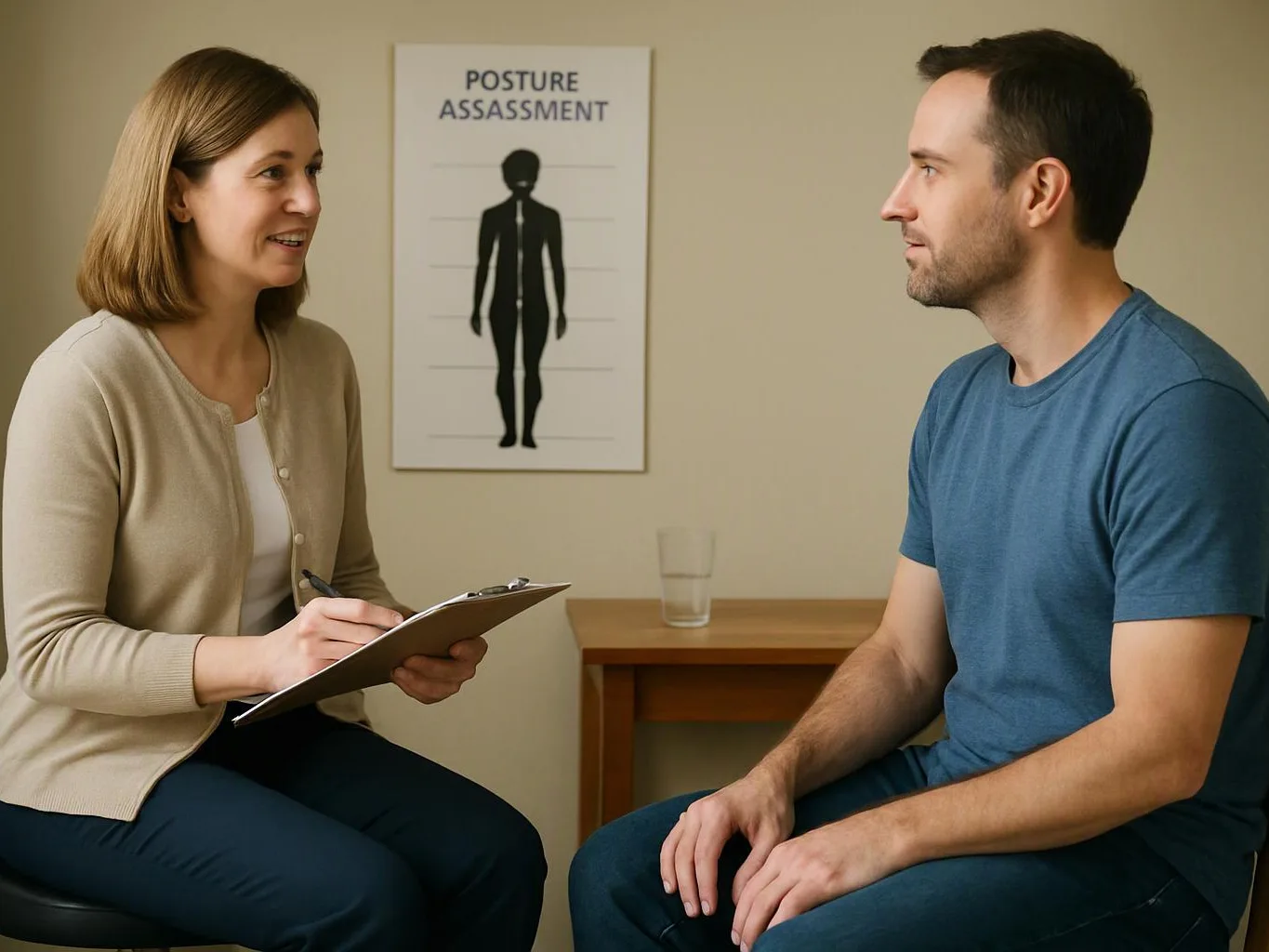
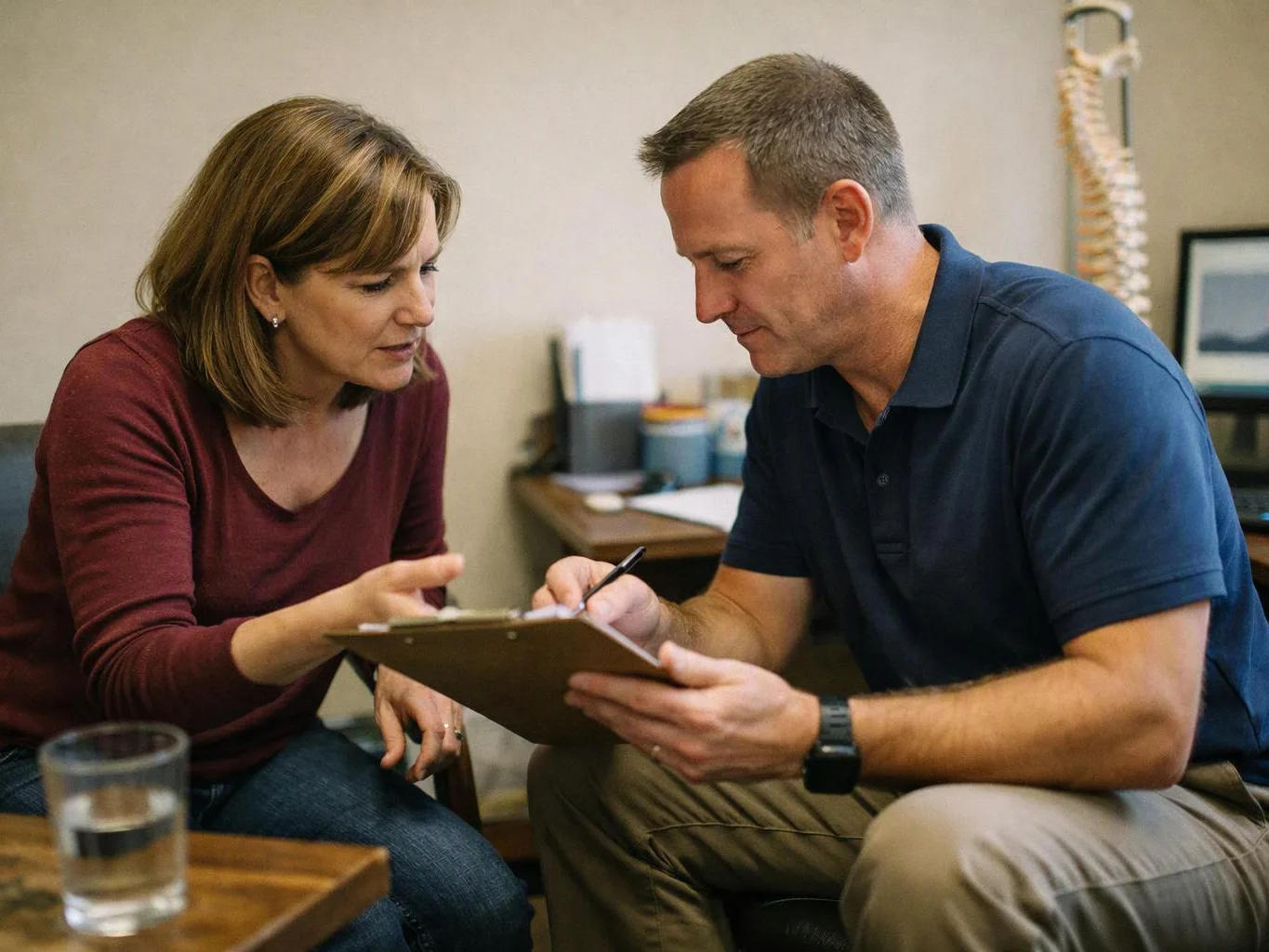
Your health history, injury details, current symptoms, and treatment goals should be ready before care starts. Bring information about what worsens the problem and any activity limits you notice. Our team uses those details with the exam to choose suitable hands-on care and decide whether exercises or other chiropractic services belong in the plan.
What should I ask before agreeing to soft tissue therapy?
The best questions cover the tissue being treated, the reason for that choice, and how progress will be checked. Ask whether trigger points, scar tissue, or movement limits appear relevant to your symptoms. You can also ask how therapeutic exercises or adjustments might fit the plan. Clear answers help you understand the next step before treatment begins.
Which condition changes the time needed for soft tissue therapy?
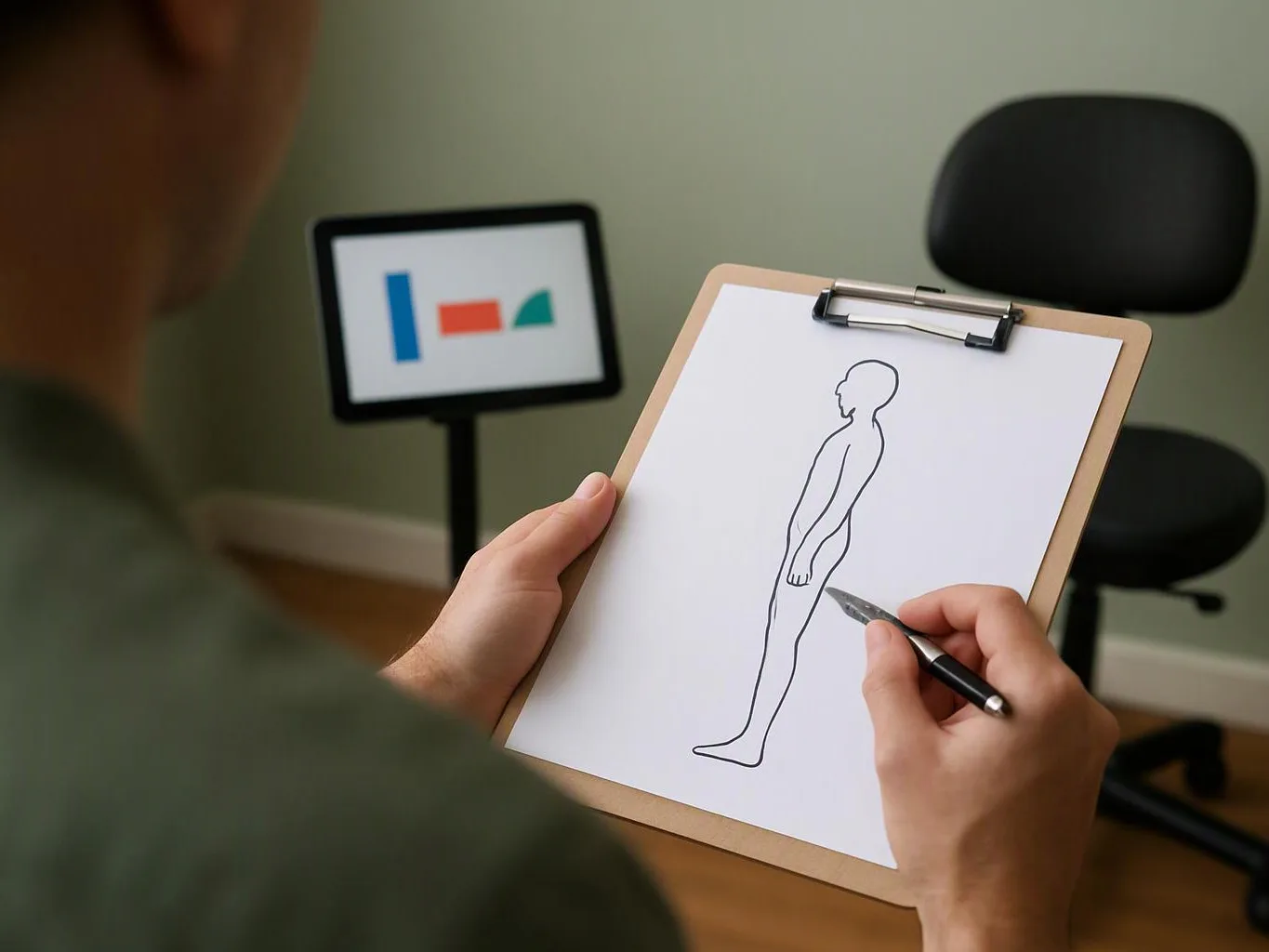
The condition changes treatment needs when an injury involves several areas, restricted movement, or scar tissue. A focused assessment checks the affected tissue and related movement before care is planned. Auto accident injuries, sports injuries, and chronic pain can each require a different approach. Our team discusses the plan after reviewing your findings.
When should soft tissue care be part of a broader plan?
Soft tissue care belongs in a broader plan when pain or restricted movement involves joints, nerves, or daily activity. Our team may pair hands-on work with chiropractic adjustments, spinal decompression, therapeutic exercises, or rehabilitative care when appropriate. The examination decides which services fit. This approach keeps the plan tied to your condition instead of one technique.
How does care address tension after an auto accident?
Auto accident care starts with a health history and examination of pain, movement, and possible whiplash. Soft tissue techniques may address tender or restricted areas when the findings support them. Our team also considers headaches, neck pain, back pain, and related symptoms. Share the collision details and your current limits during the consultation.
Why might exercises follow hands-on treatment?
Therapeutic exercises help support movement after hands-on treatment addresses restricted or tender tissue. The exercises are chosen around your condition, goals, and daily demands. Our team explains how each movement fits the plan and reviews progress during care. They don't replace an assessment when pain, weakness, or limited motion continues.