What problems can soft tissue therapy address?
Muscle tension, trigger points, scar tissue, fascial restriction, and overuse injuries can respond to soft tissue care. Advanced Injury Care Clinic first checks your history, movement, and symptoms. Hands-on work may then support care for back pain, neck pain, whiplash, sports injuries, and other musculoskeletal conditions. Individual response differs, so the plan follows the exam.
How does a soft tissue therapy visit move from the first call to the last step?
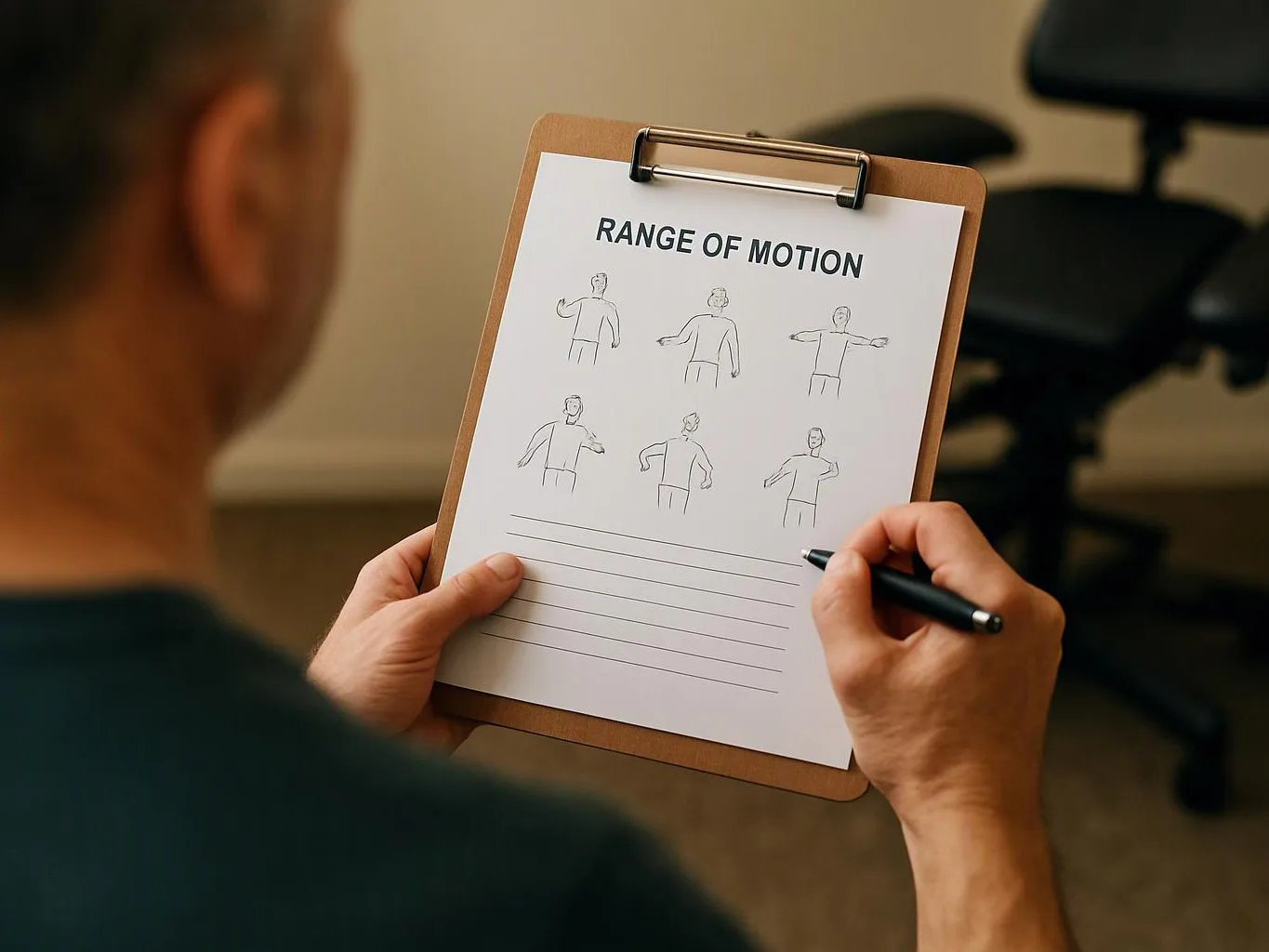
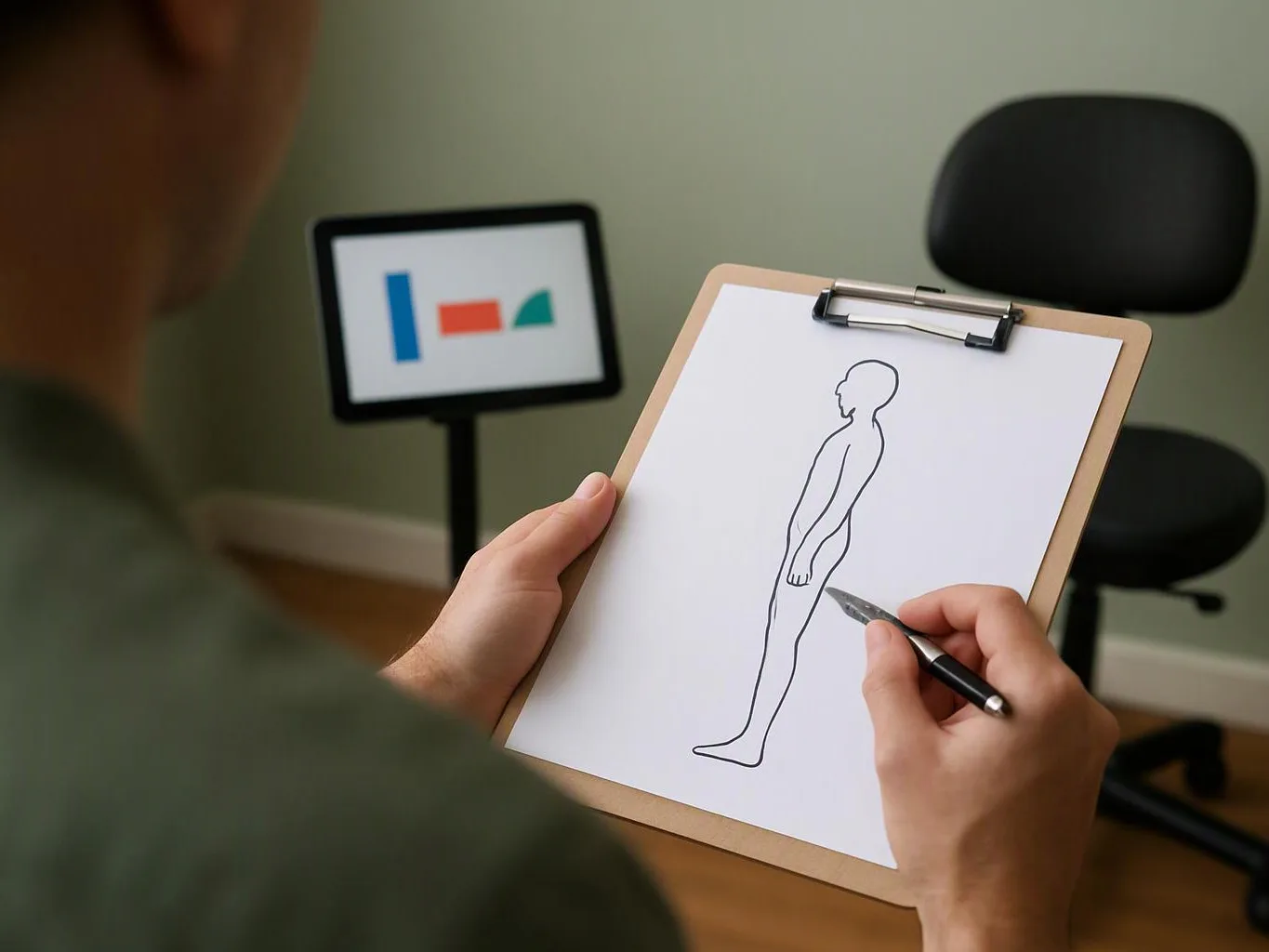
The visit moves from intake and examination to treatment planning, hands-on care, and progress review. The first step records your symptoms and goals. The exam checks movement and tender areas. We then explain the care plan, provide suitable exercises, and use follow-up findings to guide later treatment.
Which material changes how long soft tissue therapy takes?
Scar tissue, fascial restriction, and the size of the affected area can change the work involved. The exam also considers your injury history and movement limits. No fixed time applies to every visit. Advanced Injury Care Clinic discusses the expected care steps after reviewing your condition.
How can a customer tell whether soft tissue therapy fits the problem?
Soft tissue therapy fits when tight or tender tissue limits movement and matches the exam findings. A health history and physical exam help identify that pattern. Severe or unusual symptoms may call for medical evaluation outside musculoskeletal care. Our team explains the suitable next step after the assessment.
What changes the cost of care for muscle tension?
The assessment, treatment areas, related services, and care plan shape the cost. A plan that includes adjustments, exercises, or spinal decompression has different needs from hands-on work alone. Free Consultations provide a way to discuss your condition and understand the proposed care before treatment begins.
Why can trigger points return after treatment?
Trigger points can return when repeated activity, injury, or altered movement continues to stress the area. The care plan reviews daily demands and related joint motion. Therapeutic exercises may support better movement between visits. Your response guides whether hands-on care or rehabilitative work should change.
Which care is better for back pain, soft tissue work or an adjustment?
The exam decides whether soft tissue work, an adjustment, or both fit your back pain. Hands-on work targets muscles and connective tissue, while an adjustment addresses joint movement. Our licensed chiropractor considers your symptoms, history, and goals before recommending a personalized treatment plan.