
What Is Fascia?
Fascia is a continuous layer of connective tissue that surrounds and separates muscles, bones, nerves, blood vessels, and organs. The tissue forms a supportive network throughout the body. Fascia can transmit tension between nearby structures, affect how tissues glide during movement, and develop areas of reduced mobility after strain, injury, or prolonged postures. For more detail, see Massage Therapy, Myofascial Release, and Trigger Point Therapy Compared.
Quick Facts About Fascia
Category
Connective tissue
Used for
Assessing tissue mobility
Common confusion
Often mistaken for muscle tissue
Also called
Connective tissue fascia, Myofascia
Often discussed with
Myofascial Release Therapy, Soft Tissue Therapy
Key Takeaways About Fascia
- Fascia forms connected layers throughout the body.
- Restricted tissue glide can influence movement and comfort.
- Fascia is not the same as a muscle or tendon.
How Fascia Works
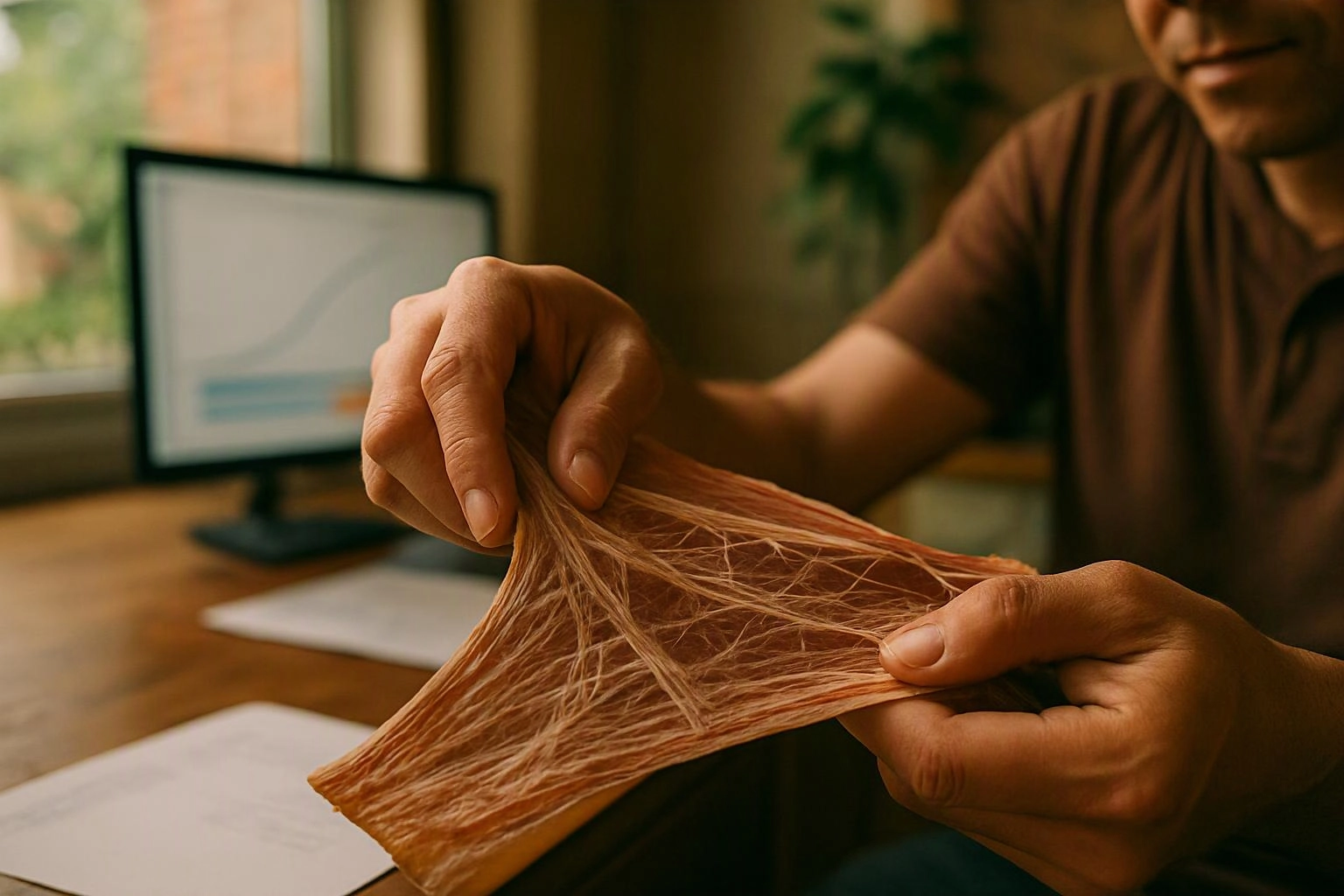
Fascia works as a connected tissue network that supports body structures and permits movement between adjacent layers. Healthy fascial layers can glide as muscles contract and joints move. Changes in tissue tension or hydration may reduce that glide and create a feeling of tightness in a specific area.
Related glossary terms: Adhesion, Muscle Spasm, Range Of Motion.
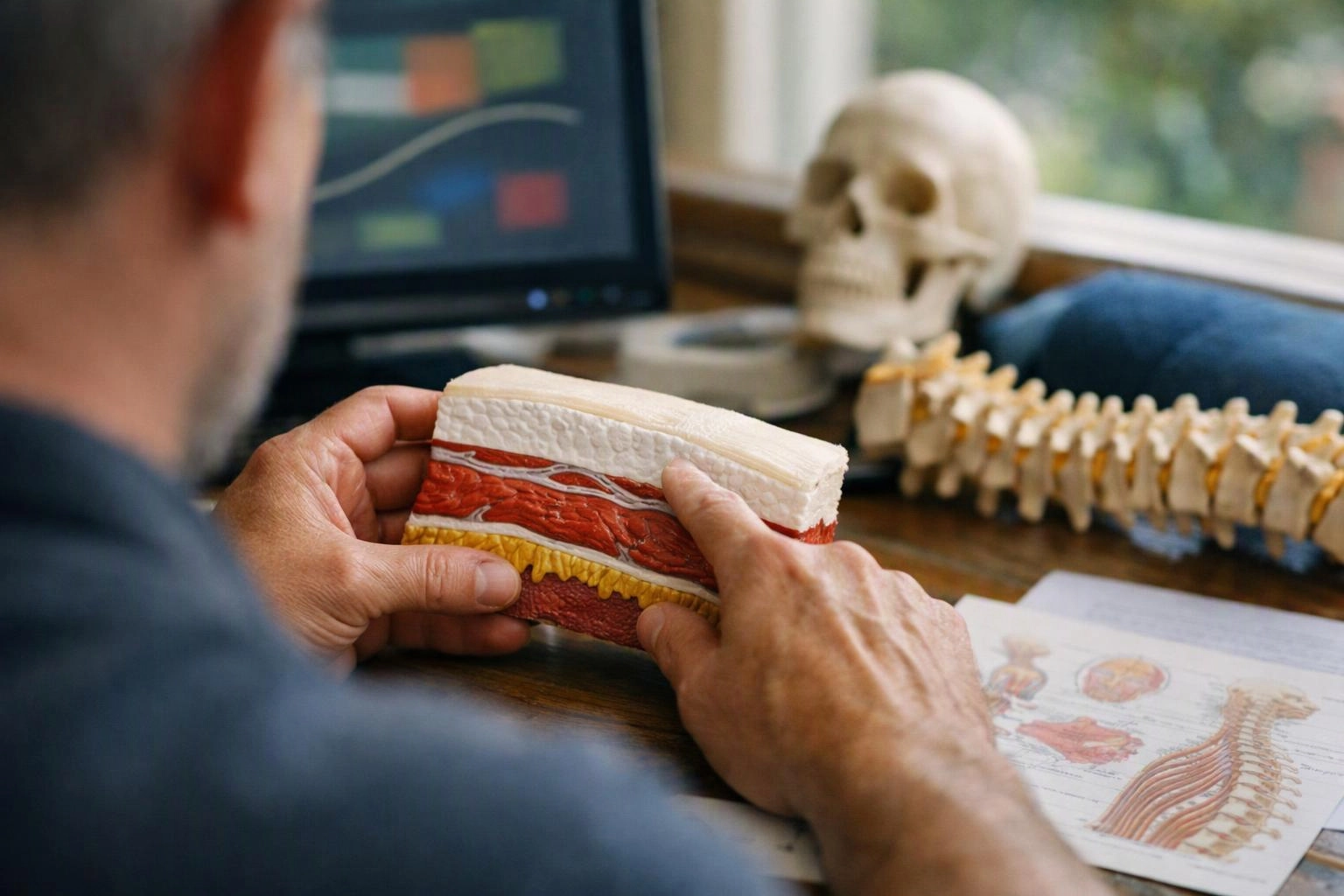
Practitioners assess fascia through touch and movement. They may look for differences in texture, tenderness, tissue mobility, and how a nearby joint moves. Myofascial release therapy applies controlled pressure and slow movement to areas that feel restricted. The goal is to support normal tissue motion, not to reshape the body or treat fascia as an isolated structure.
From the Advanced Injury Care Clinic team
When we assess fascia, we check how the tissue moves under gentle pressure and how that motion relates to nearby muscles and joints. Our team uses those findings to guide myofascial release therapy and monitors changes in comfort and movement during the session.
Fascia in Practice: A Real-World Example
A person who spends long periods at a desk may notice tightness across the neck, shoulders, and upper back. During myofascial release therapy, a practitioner may assess how those connected tissues move and apply focused pressure to areas with limited glide.
Related Services
Related Terms
Adhesion
Adhesion is a band of fibrous connective tissue that can form between tissues after injury, inflammation…
Muscle Spasm
A muscle spasm is a sudden, involuntary tightening of muscle fibers that can feel firm, painful…
Range Of Motion
Range Of Motion is the available movement at a joint or body region, measured by how…
Strain
Strain is an injury to a muscle or tendon caused by overstretching or tearing tissue. A…
Advanced Injury Care Clinic
Have Questions About Fascia?
Contact Advanced Injury Care Clinic for practical guidance on Fascia and related chiropractor work in Hermitage.