Skip to content

Posture Correction in Oak Hill, Tennessee

Forward head posture can point to daily strain in Oak Hill. Our licensed chiropractor reviews screen use, muscle support, and workstation setup.

Upfront, Transparent PricingServing 23 CommunitiesMon-Fri: 9 am–7 pm, Sat: 9 am–2 pm, Sun: ClosedFast Scheduling

Quick Summary: Posture Correction in Oak Hill, Tennessee

Posture Correction in Oak Hill is provided by Advanced Injury Care Clinic for posture concerns linked to screen use, rounded shoulders, weak muscles, and daily movement. Care covers Oak Hill and nearby Nashville-area communities, with an evaluation and individualized care plan.

  • What we do: Advanced Injury Care Clinic provides Posture Correction for Oak Hill patients with posture-related neck pain, back pain, headaches, or reduced mobility.
  • What is included: Key capabilities include health history review, posture assessment, chiropractic adjustments, therapeutic exercises, soft tissue therapy, and rehabilitative care.
  • What you get: The patient receives a care plan that addresses posture habits, movement limits, and daily support needs.

Why does poor posture keep returning during daily activities?

Poor posture often returns because screen use, weak muscles, rounded shoulders, and workstation habits repeat each day. An assessment can show which habits and movement limits need attention.


Posture Correction in Oak Hill for Daily Movement

Posture correction focuses on the way your head, shoulders, spine, and hips work during daily tasks. The deeper question is often what keeps the pattern in place, such as screen use, weak muscles, or a poor workstation setup.

Our team starts with a health history and exam. We look at movement, symptoms, lifestyle, and goals before choosing care. This page is for people who want to address posture patterns, not just book care for a single sore area.

The plan may include chiropractic adjustments, spinal decompression, soft tissue techniques, therapeutic exercises, or rehabilitative care. Results vary, and the right approach depends on your condition and response to care.

  • Bring a list of symptoms, daily activities, and positions that increase discomfort.
  • Note how screen use, sitting, driving, sleep, or work tasks affect your posture.
  • Ask how therapeutic exercises and regular maintenance may fit your care plan.
A person marks a color bar chart on paper during a meeting at a wooden table, with a tablet and coffee cup nearby

Service Overview

Posture Correction is a care approach that addresses body position, movement habits, muscle support, and related discomfort.

  • It differs from general wellness care because the assessment focuses on a posture concern and the daily actions linked to it.
  • Advanced Injury Care Clinic provides this care for patients in Oak Hill and nearby Nashville-area communities.

What Better Posture Support Can Change

Posture care may help reduce strain linked to repeated sitting or screen use.

Movement work can support greater comfort during work, driving, and other daily tasks.

Therapeutic exercises give you active steps that support the care plan.

A focused assessment helps separate posture habits from symptoms that need another type of care.

Regular maintenance may help you keep useful movement habits after your initial concerns settle.

What Your Posture Care Visit Can Include

Advanced Injury Care Clinic provides comprehensive Posture Correction in Oak Hill. Here's what you get:

  • A health history and physical exam help us understand your posture concerns.
  • Movement checks help connect daily habits with neck pain, back pain, headaches, or limited mobility.
  • A personalized care plan addresses your condition, goals, and lifestyle.
  • Chiropractic adjustments may support joint motion when they fit your needs.
  • Therapeutic exercises can build better movement control and muscle support.
  • Follow-up care reviews how your symptoms and movement respond.

What Patients Get From This Care

A plan tied to daily habits

The exam connects symptoms with screen use, workstation setup, muscle support, and movement. We then build a personalized care plan around your goals.

Care guided by clinical findings

Our licensed chiropractor reviews your health history and exam before selecting adjustments, exercises, soft tissue therapy, or other care.

A clear fit check

Posture correction may not be the right first step when symptoms point to a condition needing different medical care. We use the evaluation to guide that decision.

Process

How We Plan Posture and Movement Care

1

Review your health history

We discuss symptoms, daily activities, past injuries, goals, and factors that affect movement.

2

Check posture and motion

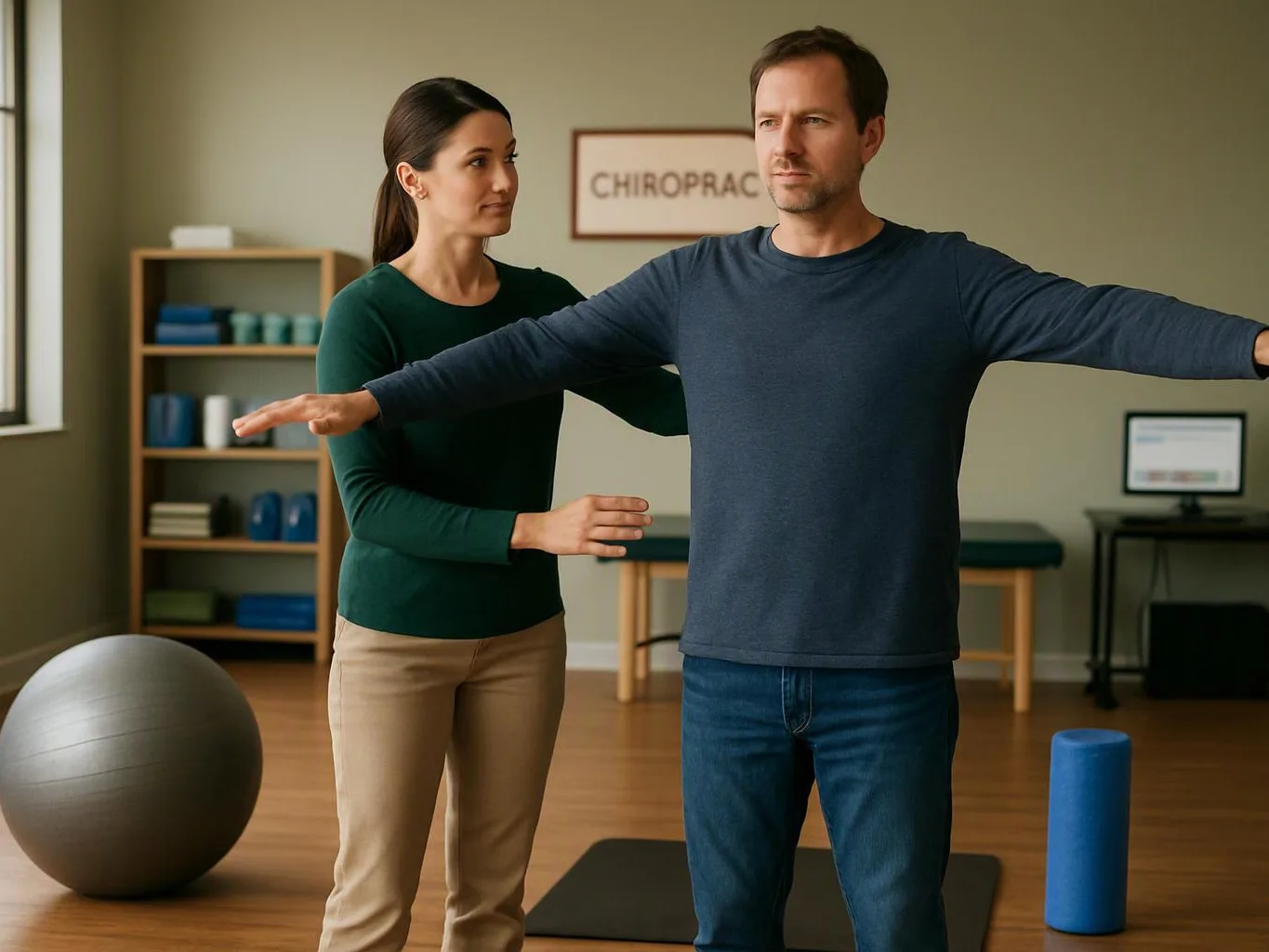
The exam reviews head position, shoulder alignment, spinal motion, muscle support, and related symptoms.

3

Build the care plan

Findings guide a personalized plan that may include adjustments, exercises, soft tissue therapy, or rehabilitative care.

4

Discuss the visit cost

Our free consultations give you a chance to discuss your concerns and ask how care is planned before moving forward.

5

Review progress and habits

Follow-up visits review movement and symptoms, while regular maintenance may support useful daily habits.

Posture Care Choices Based on Your Needs

These options describe how different parts of care may fit the findings from your evaluation.

Care optionWhat it addressesWhen it may fit
Chiropractic adjustmentsJoint motion and related movement limitsWhen the exam supports adjustment care
Therapeutic exercisesMuscle support and movement controlWhen daily habits and weakness affect posture
Soft tissue therapyMuscle tension and soft tissue restrictionWhen muscle factors contribute to symptoms
Spinal decompressionSelected spinal symptoms and movement concernsWhen the evaluation shows it suits the condition

The Advanced Injury Care Clinic Standard

  • Personalized Care
  • Thorough Evaluations
  • Clear Explanations
  • Respectful Environment

Questions About Posture and Daily Movement

What causes poor posture during daily activities?

Forward head posture often develops from repeated screen use, weak muscles, rounded shoulders, and poor workstation setup. Advanced Injury Care Clinic checks these factors during an assessment.

Daily habits can keep the same strain pattern active. We review movement, symptoms, and lifestyle before recommending adjustments, therapeutic exercises, soft tissue therapy, or other care.

How can I tell whether posture correction fits my symptoms?

Posture correction may fit symptoms linked to repeated positions, limited movement, or daily strain. Our evaluation checks whether those patterns match your concerns.

Neck pain, back pain, headaches, and shoulder tension can have different causes. The health history and exam help guide the safest care choice.

Which body area decides the care plan?

The head, neck, shoulders, spine, and hips all help determine the care plan. We review how these areas move together during daily tasks.

Symptoms in one area can relate to movement elsewhere. The exam helps us decide whether adjustments, exercises, soft tissue therapy, or another approach fits your needs.

What changes the time needed for posture care?

The number of symptoms, movement limits, daily habits, and care methods can change the time needed for posture care.

Screen use, workstation demands, and muscle support can affect the plan. We discuss the next steps after reviewing your health history and exam, without promising a set timetable.

Can chiropractic care address posture after an injury?

Yes, chiropractic care can address posture concerns after an injury when the evaluation supports that approach. We treat auto accident, work-related, and sports injuries.

Whiplash, back pain, neck pain, and headaches can need careful review. Our team creates an individualized plan based on your condition and goals.

What should I bring to my first posture visit?

A symptom list, health history, current treatment details, and notes about daily activities can help prepare for the first visit.

Include information about screen use, sitting, driving, work tasks, exercise, and positions that increase discomfort. These details help connect the exam with your everyday routine.

Why might exercises be part of posture care?

Therapeutic exercises may improve movement control and muscle support during daily activities. We include them when they fit the exam findings.

The exercises should match your condition, goals, and lifestyle. Our team can explain how they relate to sitting, screen use, shoulder position, or other repeated tasks.

Contact

Discuss Posture Correction in Oak Hill

Move with greater comfort during daily tasks by addressing posture habits, muscle support, and movement limits. Schedule a free consultation with Advanced Injury Care Clinic to discuss your goals.

Two men sit face to face in a gym, one holding a clipboard while they talk near a glass of water

The health and wellness information on this website is for general informational purposes only and is not medical advice. It does not create a provider-patient relationship. Always consult a qualified licensed provider in Hermitage, Tennessee, United States about your specific condition before making care decisions. Individual results vary.

(615) 265-0412