What injuries can auto accident injury treatment address?
Soft tissue injuries, joint sprains, muscle strain, whiplash, neck pain, back pain, headaches, and sciatica may fit this care. Advanced Injury Care Clinic assesses symptoms before selecting treatment. Fractured bones need medical evaluation and are not treated through routine chiropractic adjustments. Individual response differs, so the plan follows the exam and your goals.
How is care matched to my condition before treatment starts?
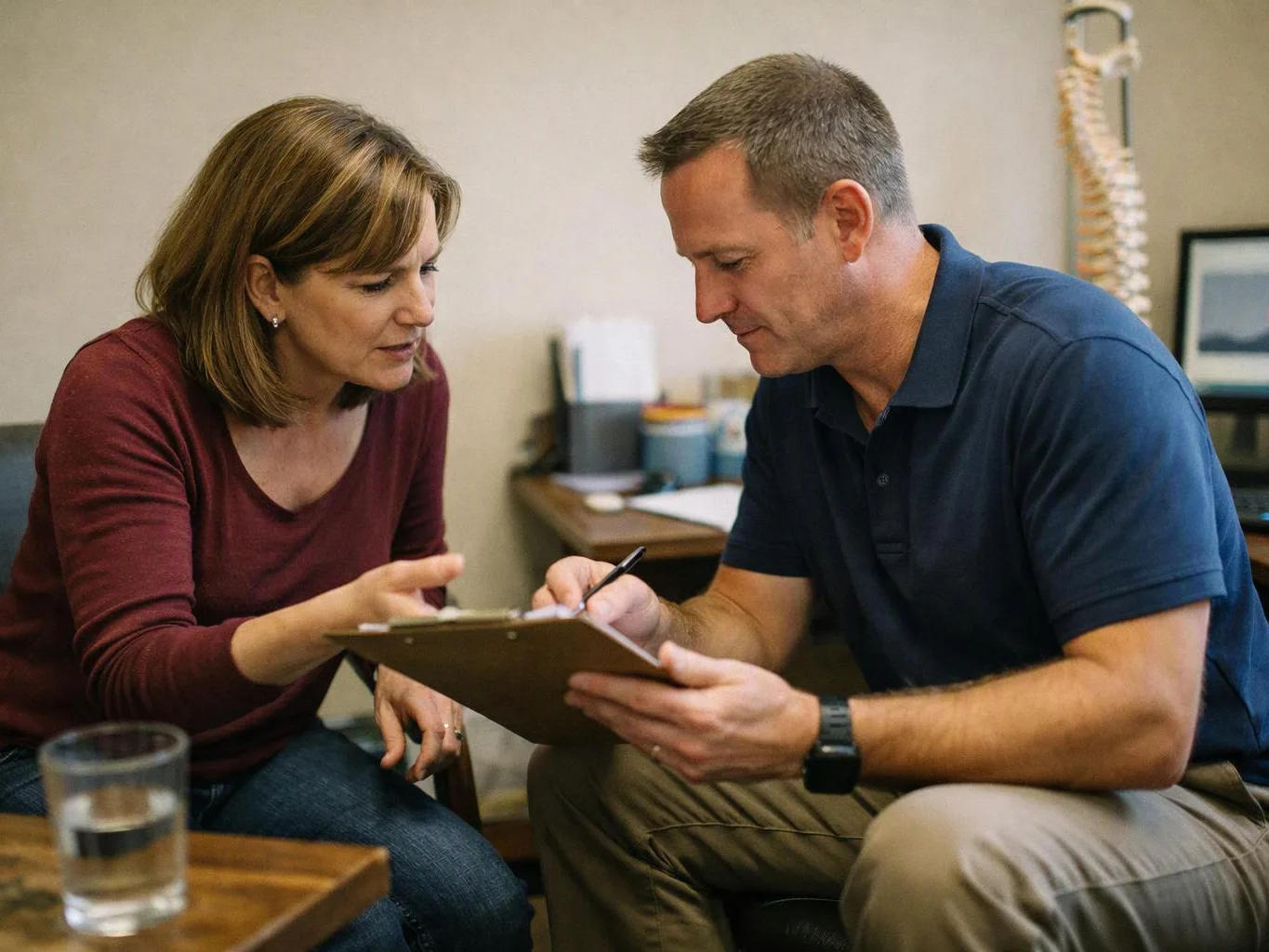
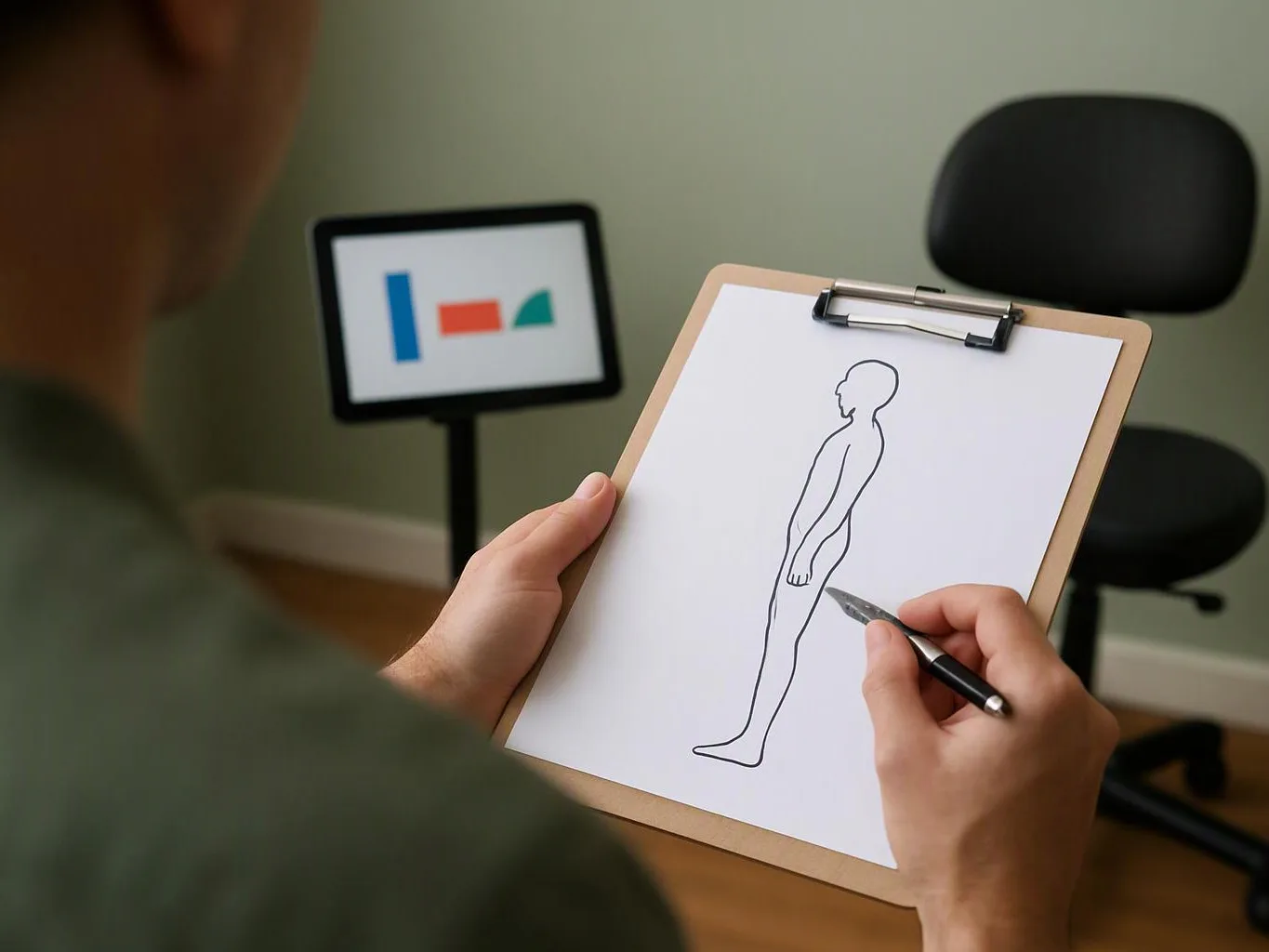
The health history and physical exam guide the treatment plan before care starts. Our team reviews symptoms, movement, prior injuries, and daily limits. The report of findings explains the care options that fit. X-rays may be considered if clinically indicated, while urgent signs require medical evaluation.
What should be ready before collision injury care starts?
Your symptom history, collision details, health information, and current activity limits should be ready before care starts. Bring relevant records if you have them. Tell our team about prior injuries, medicines, and new weakness or numbness. These details help shape a safer assessment and a more useful plan.
Which symptoms need medical care before chiropractic treatment?
Severe weakness, new numbness, trouble walking, or bladder and bowel changes need medical evaluation first. Our team can assess many musculoskeletal concerns, but these warning signs may point beyond routine chiropractic care. Share all new or worsening symptoms during the consultation so the next step matches the concern.
When might spinal decompression or exercises be discussed?
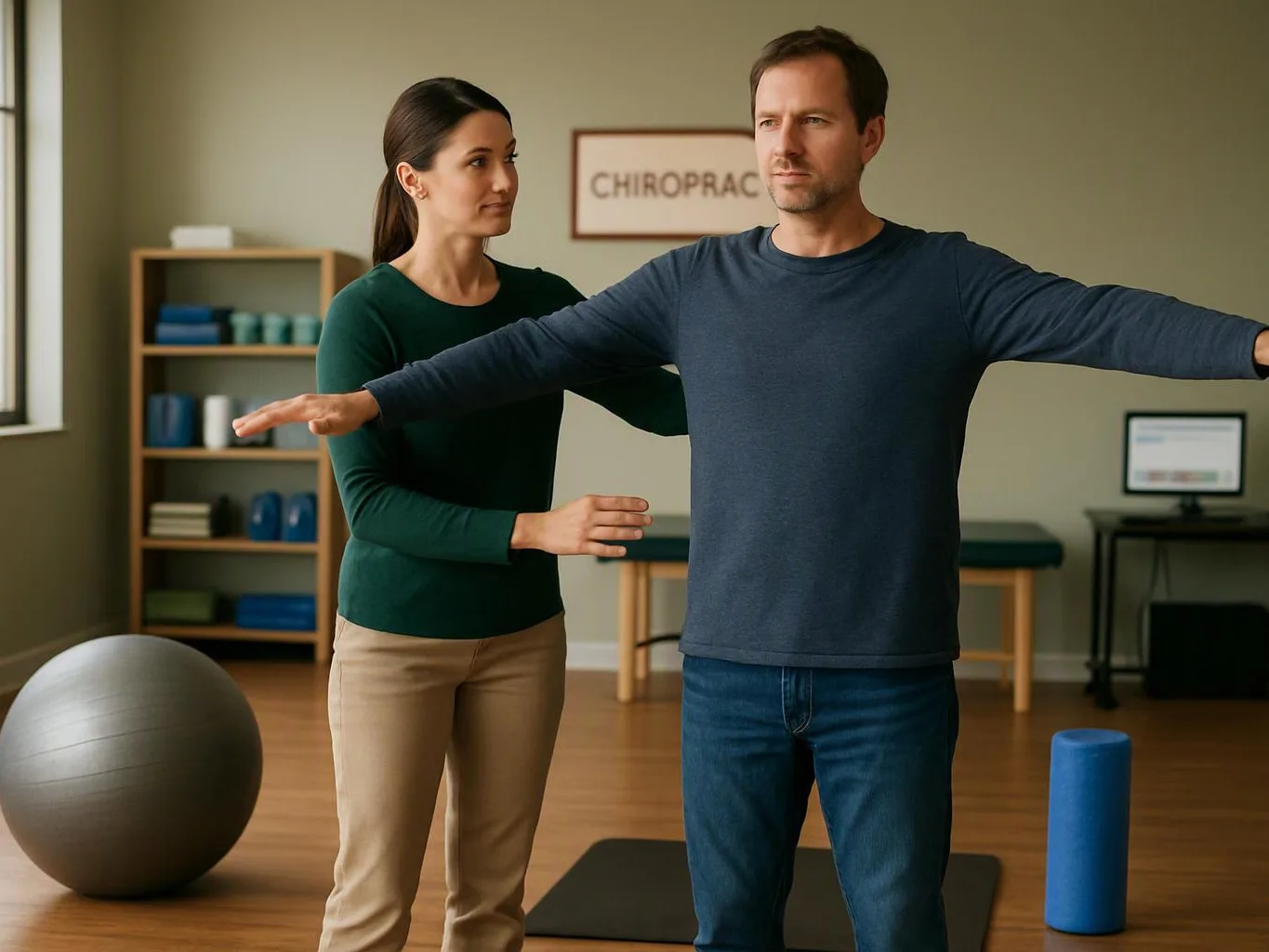
Spinal decompression or therapeutic exercises may be discussed when exam findings and symptoms support those options. The selected method depends on your condition, movement, goals, and response to care. Our team explains why an option fits before adding it to the personalized treatment plan.
Why should I ask about the care plan before agreeing to treatment?
The care plan should explain what the exam found, which methods are proposed, and how progress will be reviewed. Ask how adjustments, soft tissue therapy, exercises, or spinal decompression relate to your symptoms. Clear answers help you decide whether the plan fits your goals and daily needs.
What does the first visit focus on after a collision?
The first visit focuses on your health history, collision details, symptoms, movement, and care goals. Our team uses those findings to explain the report of findings and discuss a personalized plan. The visit also gives you space to raise concerns about work, sleep, exercise, or daily activity.