How does posture correction improve comfort?
Muscle activation can improve comfort when it supports better control of spinal alignment and joint motion. Our assessment also reviews movement habits and daily strain. Care may include adjustments, therapeutic exercises, soft tissue therapy, or ergonomic changes. Individual response differs, so the plan follows your findings and goals.
What happens during the first posture visit?
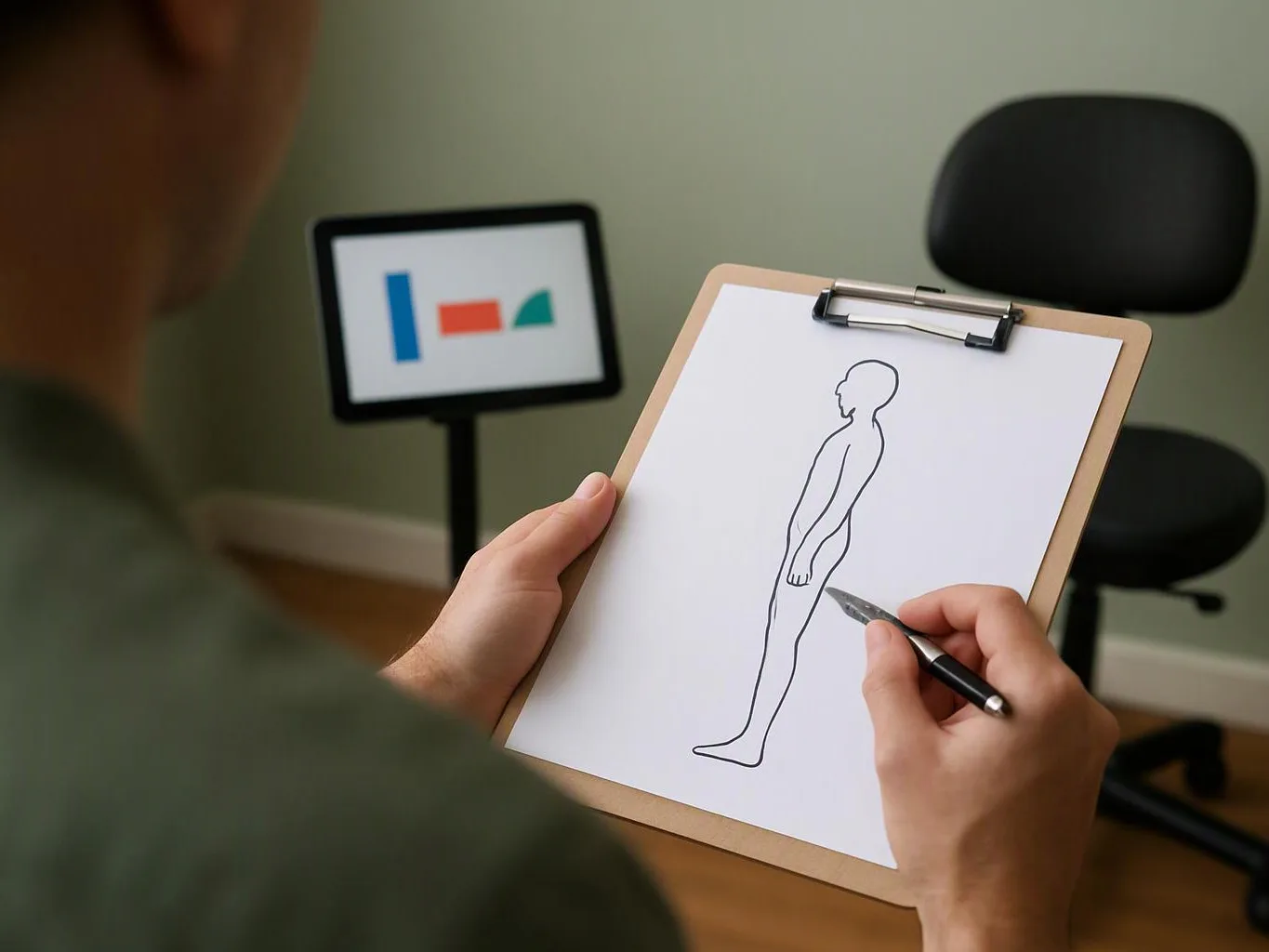
The first visit includes a new patient intake, health history, and physical exam. We review your symptoms, movement habits, goals, and lifestyle. X-rays may be considered when clinically indicated. The report of findings then explains which care options fit your condition.
Which part of posture care decides the treatment scope?
The assessment decides the treatment scope by reviewing alignment, joint mobility, muscle use, symptoms, and daily movement. Your plan may include one method or several. We discuss why each option fits, and we adjust the plan when a progress re-examination shows a different need.
When should posture care be reviewed by a chiropractor?
Posture care should be reviewed when repeated movement brings neck pain, back pain, headaches, stiffness, or reduced mobility. Advanced Injury Care Clinic provides the evaluation and explains whether chiropractic care fits. Sudden or severe symptoms may need prompt medical evaluation outside routine posture care.
Why can comfort change during work or driving?
Movement habits and fixed positions can change how your joints and muscles handle daily tasks. A posture assessment connects symptoms with sitting, standing, driving, and work patterns. We may recommend exercises, soft tissue therapy, adjustments, or ergonomic changes based on the exam.
How can I tell whether posture care fits my symptoms in La Vergne?
A health history and movement exam show whether posture, alignment, joint motion, or muscle use relates to your symptoms. Advanced Injury Care Clinic uses that assessment to guide care. Patients can discuss back pain, neck pain, headaches, sciatica, or injury-related concerns during a consultation.
What changes the cost of a posture care plan?
The evaluation findings, selected services, and level of rehabilitative care change the cost. Adjustments, spinal decompression, therapeutic exercises, and soft tissue therapy can serve different needs. Free consultations are available to discuss the assessment and request information about the care plan.