Skip to content

Posture Correction in Belle Meade, Tennessee

Forward head posture is checked during a focused visit in Belle Meade. We use a personalized care plan to address screen habits, muscle weakness, and daily strain.

Upfront, Transparent PricingServing 23 CommunitiesMon-Fri: 9 am–7 pm, Sat: 9 am–2 pm, Sun: ClosedFast Scheduling

Quick Summary: posture care in Belle Meade, Tennessee

Posture Correction in Belle Meade is provided by Advanced Injury Care Clinic for posture concerns linked to screen use, weak muscles, and daily movement. Care includes an evaluation, personalized treatment plan, and guidance for patients across the Nashville-area communities we serve.

  • What we do: Advanced Injury Care Clinic provides Posture Correction for Belle Meade, Tennessee patients through evaluation, movement review, and individualized chiropractic care.
  • What is included: Key capabilities include posture assessment, chiropractic adjustments, soft tissue therapy, therapeutic exercises, and rehabilitative care.
  • What you get: Patients receive a clear care plan for improving movement and supporting greater comfort during daily activities.

What causes poor posture during daily activities?

Poor posture often develops from repeated screen use, weak support muscles, and a workstation that places the head or shoulders out of balance. Forward head posture can increase strain through the neck and upper back. An evaluation helps connect symptoms with daily habits and guides the next care decision.

Posture Correction in Belle Meade, Tennessee for daily movement

Posture correction focuses on how your head, shoulders, spine, and muscles work during normal tasks. The visit is a fit for people who notice neck pain, headaches, back pain, or stiffness after sitting, driving, reading, or using a screen.

The key decision is whether daily habits are adding to the problem. We review movement, health history, and relevant symptoms before choosing care. Adjustments, soft tissue therapy, therapeutic exercises, spinal decompression, or rehabilitative care may fit different findings.

This service has limits. Severe or unusual symptoms may need medical assessment before chiropractic care. Our team explains the findings and helps you choose a suitable next step.

  • Review how screen use and workstation setup affect head and shoulder position.
  • Check muscle support, movement control, and symptoms during the health history and exam.
  • Match chiropractic care and home guidance to your condition, goals, and lifestyle.
  • Discuss progress re-examination when ongoing care needs review.
A blue textured balance disc, a black foam roller, and a coiled measuring tape sit on a shelf

Service Overview

Posture correction is a chiropractic service that addresses body alignment, movement habits, and muscle support during daily activities.

  • It differs from treating one painful joint because the visit also examines screen use, workstation setup, rounded shoulders, and movement control.
  • Advanced Injury Care Clinic provides posture care for patients in Belle Meade and surrounding Nashville-area communities.

What posture care includes for daily alignment

Advanced Injury Care Clinic provides comprehensive Posture Correction in Belle Meade. Here's what you get:

  • A new patient intake covers health history, symptoms, goals, and daily activities.
  • A focused exam checks posture, movement, and areas linked to neck or back discomfort.
  • A personalized treatment plan connects care choices with your condition and lifestyle.
  • Chiropractic adjustments may address restricted movement when the examination supports them.
  • Therapeutic exercises and rehabilitative care may build better movement control.
  • Soft tissue techniques or spinal decompression may be considered when clinically appropriate.

What posture care can change for the customer

A focused evaluation helps connect daily habits with neck, shoulder, or back strain.

Personalized care may help you move with greater comfort during work and screen use.

Therapeutic exercises give you practical ways to support movement between visits.

Clear guidance helps you decide whether posture care fits your current symptoms.

Regular maintenance may support lasting relief when ongoing care suits your goals.

Process

How we assess and treat daily posture concerns

1

Complete the new patient intake

We review your health history, symptoms, daily activities, and goals before choosing a treatment approach.

2

Check posture and movement

The exam looks at head position, shoulder movement, spinal motion, muscle support, and activities that bring on discomfort.

3

Explain the report of findings

Our team explains what the assessment shows and answers questions about posture habits, treatment choices, and expected care.

4

Build the personalized care plan

The plan may include chiropractic adjustments, soft tissue techniques, therapeutic exercises, spinal decompression, or rehabilitative care.

5

Review progress and daily habits

A progress re-examination can help determine whether the plan still fits your symptoms, goals, and lifestyle.

What patients receive from posture-focused chiropractic care

A plan tied to your findings

The exam guides the care plan, so treatment relates to your symptoms, movement, and lifestyle. Customers can ask how each suggested method connects to the findings.

Care for habits and movement

Screen use, workstation setup, and muscle control all matter. Our team combines hands-on care with exercises when that approach fits the assessment.

A clear limit on fit

Posture care isn't the right first step for every symptom. Severe, sudden, or unusual problems may need medical evaluation before chiropractic treatment.

The scope this service is meant to handle

A person who works at a screen and develops neck tension may need more than an adjustment. We check head position, shoulder movement, muscle support, and workstation habits before suggesting care. The person then receives a clear plan for treatment and daily movement changes.

Posture care choices based on patient needs

The examination helps match each care option to the findings and the patient's daily goals.

Care optionWhat it addressesWhen it may fit
Chiropractic adjustmentsRestricted spinal movementWhen the examination supports hands-on care
Therapeutic exercisesMovement control and muscle supportWhen daily posture habits need active practice
Soft tissue therapyMuscle tension near affected areasWhen muscle tightness contributes to movement limits

The Advanced Injury Care Clinic Standard

  • Personalized Care
  • Thorough Evaluations
  • Clear Explanations
  • Respectful Environment

Questions patients ask about posture care

How is posture care matched to the workstation before treatment starts?

Workstation setup is reviewed through your daily habits, screen position, sitting pattern, and symptoms. Customers describe the tasks that cause strain, then our team connects those details with the exam. The plan may include exercises, soft tissue therapy, or other care that fits the findings.

What should be ready before posture care starts?

A health history, symptom list, and clear care goal help prepare for the first visit. Patients should bring relevant medical records if available and note which tasks increase discomfort. The new patient intake then gives our team context for the examination and treatment plan.

Which symptoms suggest that posture care needs medical review first?

Sudden, severe, or unusual symptoms need medical review before posture-focused chiropractic treatment. New weakness, major loss of sensation, or serious injury also changes the next step. Our team reviews your history and symptoms, then explains whether an evaluation fits or another medical assessment should come first.

When should someone ask about a progress re-examination?

A progress re-examination is useful when symptoms, movement, or daily goals change during care. It gives our team a chance to review the plan and check current findings. Patients should mention new symptoms, persistent strain, or changes in screen and workstation demands.

Why do weak muscles affect posture during screen use?

Weak support muscles can make it harder to hold the head, shoulders, and spine in a steady position. Screen use may then reinforce the same pattern through repeated sitting. Therapeutic exercises can address movement control when the examination shows that approach fits the patient.

What should a customer ask before agreeing to posture care?

Customers should ask what the exam found, why each treatment is suggested, and how progress will be reviewed. Our team explains the care plan in plain language before treatment begins. Patients can also ask whether exercises, soft tissue therapy, or adjustments match their goals and symptoms.
Contact

Discuss posture care in Belle Meade

Get a clear review of your posture concerns, daily habits, and care options. Advanced Injury Care Clinic offers Free Consultations for patients seeking personalized chiropractic guidance in Belle Meade.

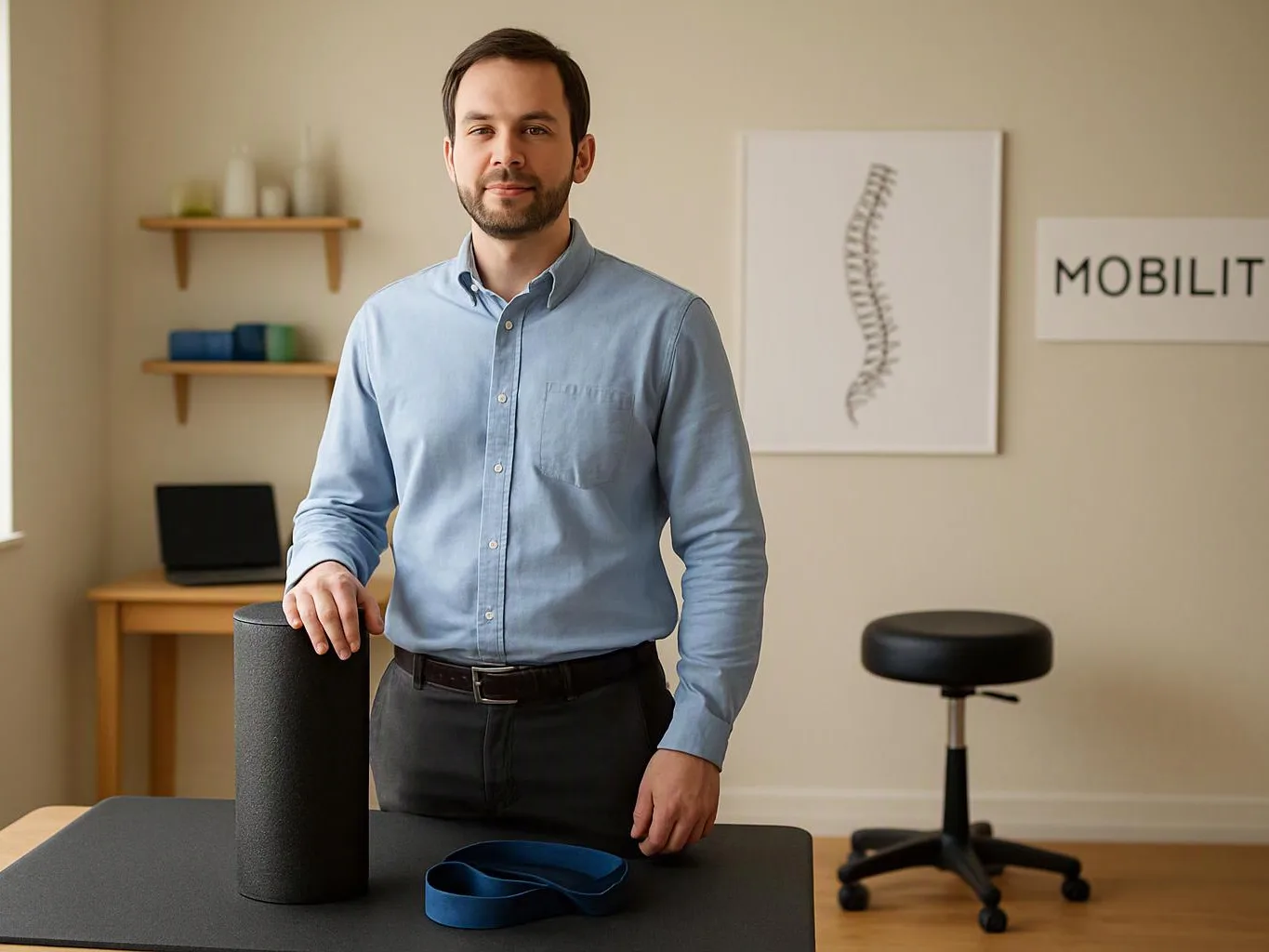
A man stands beside a foam roller and resistance band in a bright therapy room

The health and wellness information on this website is for general informational purposes only and is not medical advice. It does not create a provider-patient relationship. Always consult a qualified licensed provider in Hermitage, Tennessee, United States about your specific condition before making care decisions. Individual results vary.

(615) 265-0412