What exercises support better posture?
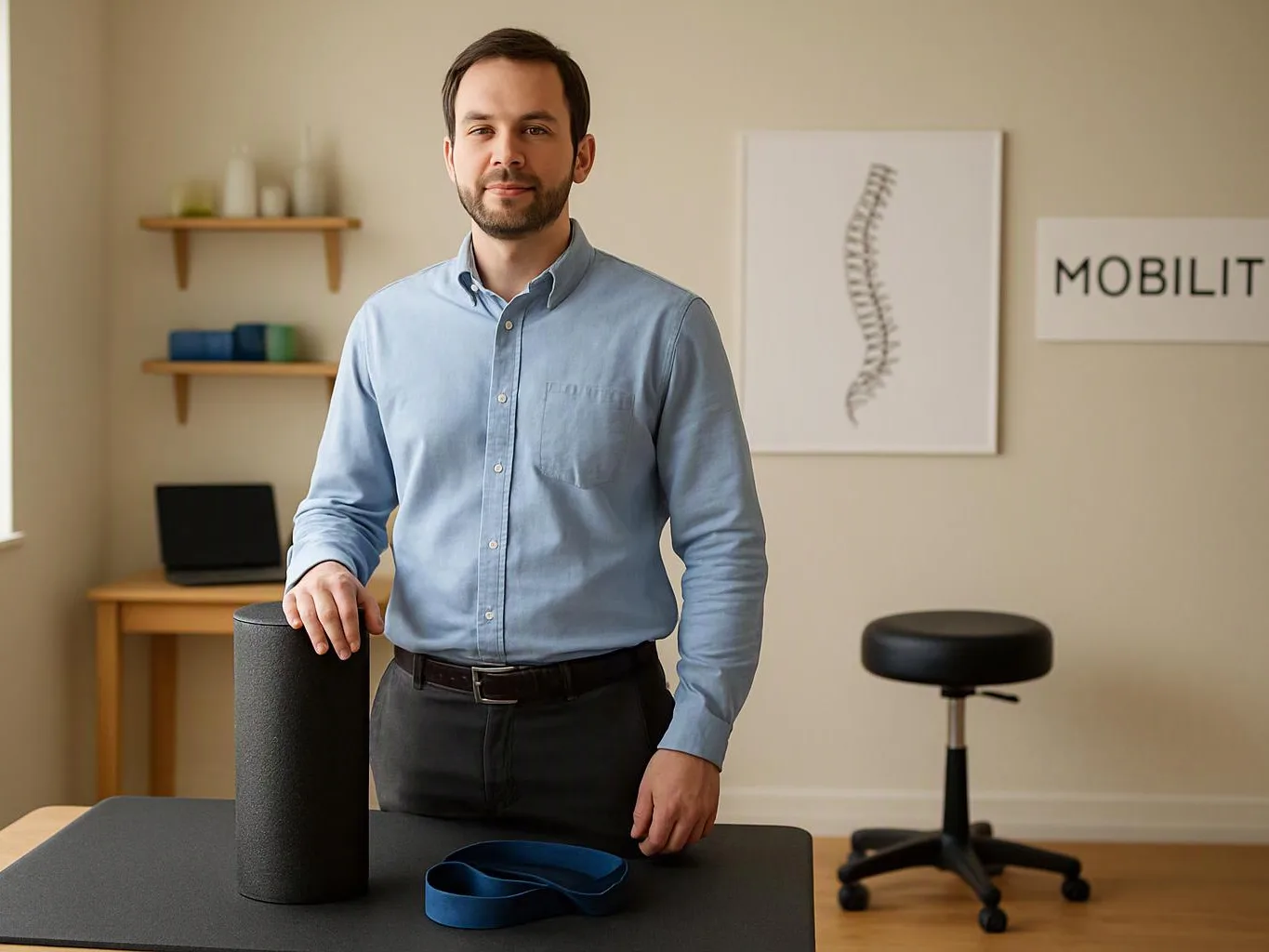
Core exercises support better posture by helping the trunk control movement during daily tasks. A plan may also include chin tucks, shoulder stretches, back strengthening, or chest opening when the exam supports them. Advanced Injury Care Clinic links exercise choices to your symptoms, mobility, goals, and lifestyle. Individual response differs, so exercises can change during follow-up care.
What should be ready before posture correction starts?
Your health history, symptom list, activity goals, and current exercise details help prepare for posture-focused care. Bring information about past injuries, work demands, and movements that increase discomfort. We use those details during the health history and exam, then explain which treatments and exercises fit your needs.
What should I ask before agreeing to posture correction?
Ask which findings support the plan, what each treatment is meant to address, and how progress will be reviewed. Our team explains the role of adjustments, therapeutic exercises, soft tissue therapy, and rehabilitative care before treatment begins. You can also ask which symptoms should lead you to another medical service.
Which condition changes the time needed for posture care?
The condition that changes care time most is the patient’s health picture, including injury history, symptom severity, mobility, and treatment needs. A simple posture concern may call for a different plan than whiplash, sciatica, or persistent headaches. The evaluation identifies the work involved before we discuss the next step.
How does an evaluation guide exercise choices?
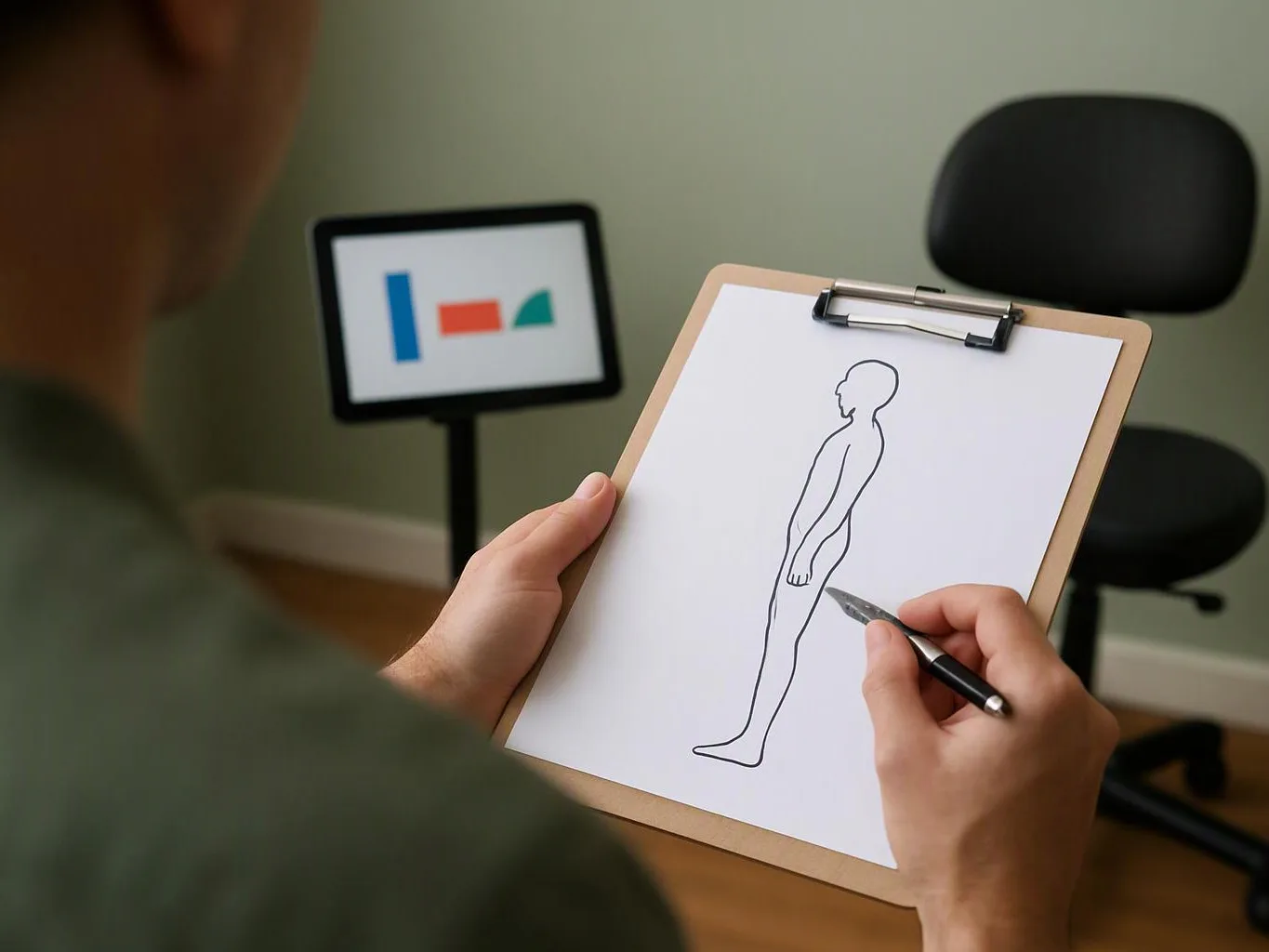
An evaluation shows which movements, strength limits, and symptoms should guide exercise choices. We review spinal motion, shoulder and hip mobility, muscle control, and daily habits. Those findings help us decide whether core exercises, chin tucks, stretches, strengthening, or chest opening belong in your plan.
Can posture care address pain after an auto accident?
Posture care can be part of an auto accident injury plan when the evaluation supports it. Whiplash, neck pain, back pain, and headaches may affect movement after a collision. We first review the injury history and exam findings, then coordinate posture-focused exercises or adjustments with the broader rehabilitative care plan.
Do I need a referral before booking a visit?
A referral is not stated as a requirement for starting a consultation with our clinic. The first visit includes a health history and evaluation so we can discuss whether chiropractic care fits your needs. Bring relevant medical information and describe your symptoms clearly, especially when an injury or ongoing condition is involved.