Skip to content

Posture Correction in Shackle Island, Tennessee

Work demands should guide posture care in Shackle Island, so we assess how your daily tasks affect movement. Advanced Injury Care Clinic builds care around your goals and physical needs.

Upfront, Transparent PricingServing 23 CommunitiesMon-Fri: 9 am–7 pm, Sat: 9 am–2 pm, Sun: ClosedFast Scheduling

Quick Summary: Posture Care in Shackle Island, Tennessee

Posture Correction in Shackle Island is provided by Advanced Injury Care Clinic for posture habits, movement limits, and related neck or back discomfort. Care includes a thorough evaluation and an individualized plan for patients in Hermitage, Donelson, Mount Juliet, Old Hickory, Madison, and nearby Middle Tennessee communities.

  • What we do: Advanced Injury Care Clinic provides Posture Correction in Shackle Island, Tennessee through evaluation, chiropractic care, exercises, and related musculoskeletal treatments.
  • What is included: Health history and exam, chiropractic adjustments, spinal decompression, soft tissue therapy, therapeutic exercises, and rehabilitative care.
  • What you get: Posture Correction helps patients build safer movement habits and move with greater comfort during daily activities.

Why does poor posture keep returning during work demands?

Work demands can keep posture problems active when sitting, standing, lifting, or repeated movement strains the same areas. An assessment checks movement, muscle balance, pain, and daily habits so care addresses more than body position alone.

Posture Correction in Shackle Island for Daily Movement

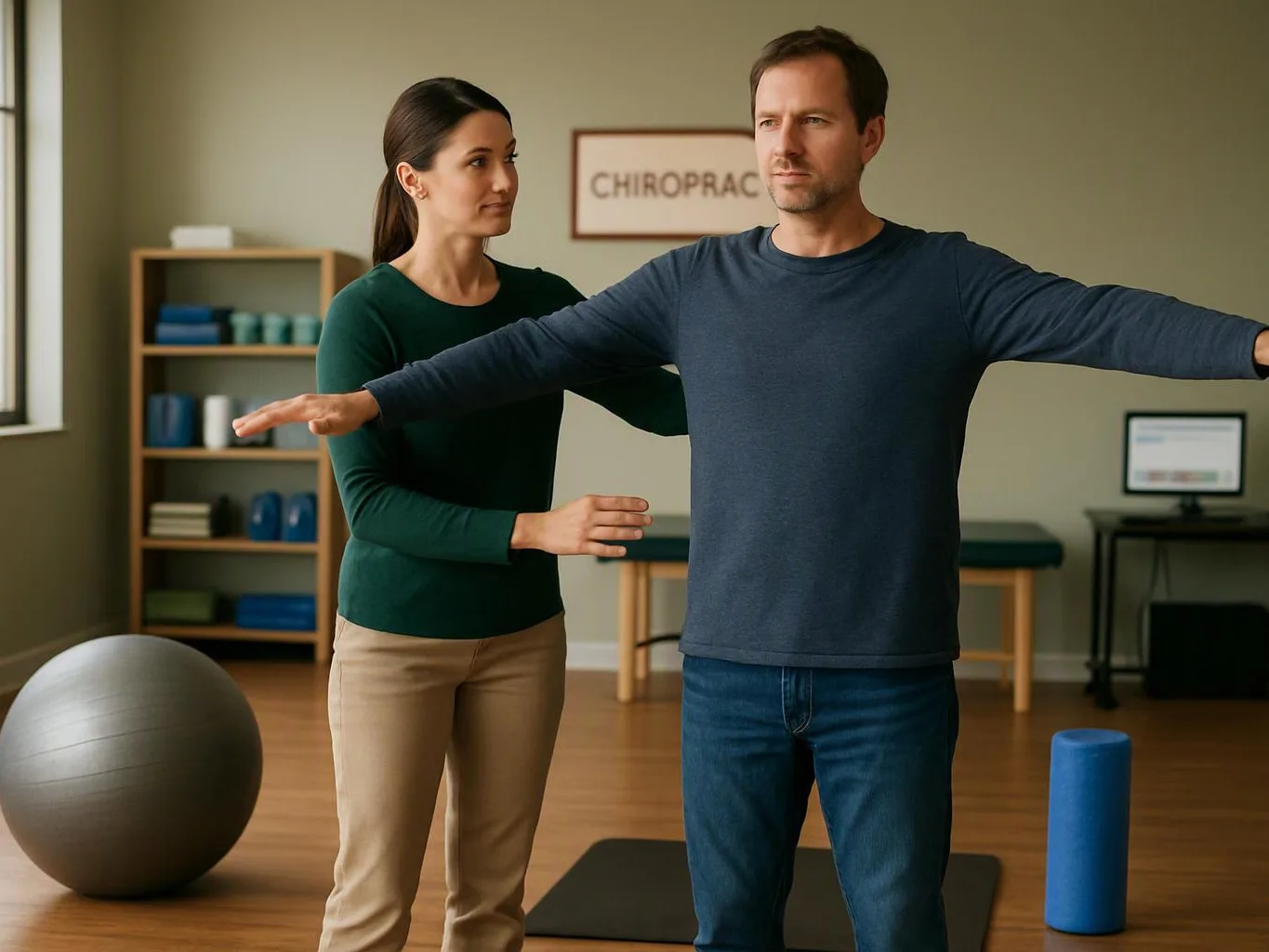
Posture correction suits patients who notice rounded shoulders, a forward head position, back strain, neck discomfort, or repeated tension during work and home tasks. The goal isn't to force one body position all day. We look at how your spine, joints, muscles, and habits work together.

Customers choosing this care should expect an assessment before treatment choices are made. We may use chiropractic adjustments, soft tissue techniques, therapeutic exercises, or spinal decompression based on the findings. Results vary, and regular maintenance may support the movement changes practiced between visits.

The local decision is simple. Choose this service when posture and movement are part of the concern. Ask about another form of care when severe symptoms, a new injury, or a condition outside our treatment scope needs a different medical evaluation.

  • Note when posture problems appear, such as during desk work, driving, lifting, or standing.
  • Bring relevant health information and describe symptoms, movement limits, and daily goals.
  • Ask how home practice and follow-up checks fit the proposed care plan.
  • Discuss whether pain, sciatica, headaches, or whiplash changes the treatment approach.
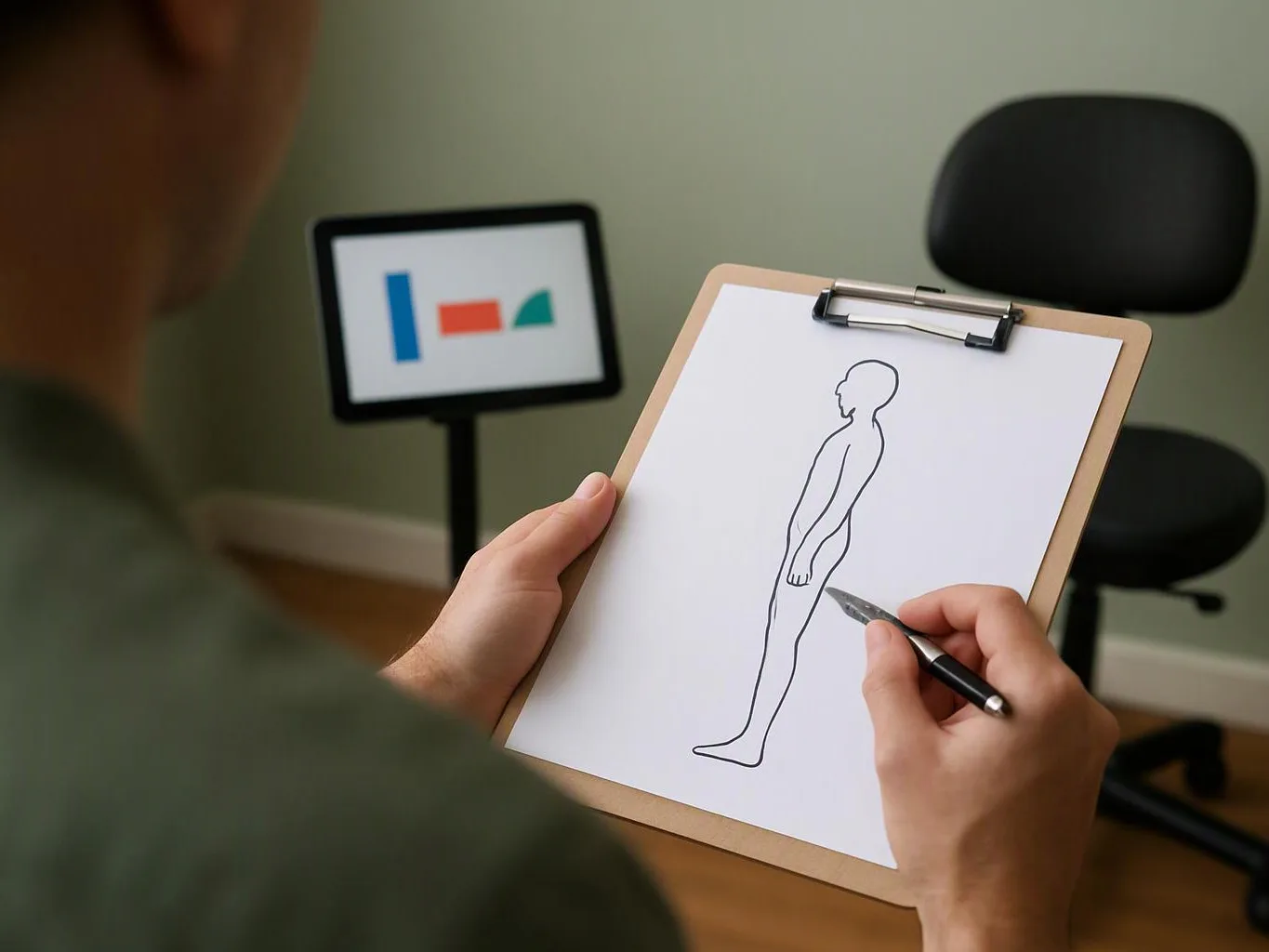
Two men sit facing each other while one writes on a clipboard in a quiet room

Service Overview

Posture correction is a care process that examines body position, movement habits, and muscle support during daily activity.

  • It differs from general wellness care because the plan focuses on a specific movement concern, symptom pattern, or functional goal.
  • Advanced Injury Care Clinic provides posture correction for patients in Shackle Island and nearby Middle Tennessee communities.

What Posture Care Includes for Your Visit

Advanced Injury Care Clinic provides comprehensive Posture Correction in Shackle Island. Here's what you get:

  • A new patient intake records your health history, symptoms, and posture-related goals.
  • A thorough health history and exam checks movement, alignment, and areas linked to discomfort.
  • A personalized care plan connects treatment choices with your condition, lifestyle, and daily demands.
  • Chiropractic adjustments may address restricted spinal movement when the assessment supports them.
  • Therapeutic exercises and rehabilitative care support muscle endurance and better movement habits.
  • Progress re-examination helps review changes and guide the next care decision.

What Better Posture Habits Can Change

Better body awareness can help you notice strain before it builds during repeated tasks.

Improved mobility may make standing, walking, reaching, or sitting more comfortable.

Therapeutic exercises give you practical ways to build muscle endurance outside appointments.

Soft tissue therapy may support movement when tight muscles limit comfortable posture.

Spinal care can address related neck pain, back pain, headaches, or sciatica when clinically appropriate.

What You Get From Focused Posture Care

A plan tied to your daily demands

Your care plan connects exam findings with work habits, activity needs, and self-care goals. Advanced Injury Care Clinic provides licensed chiropractic care and explains each recommended step.

More than a posture position

Posture work considers spinal movement, soft tissue tension, strength, and daily practice. Customers receive guidance that fits the way they use their bodies.

A clear point for referral

Posture care isn't the right service for every symptom. New severe pain, serious injury signs, or concerns outside musculoskeletal care need another medical evaluation.

Process

How We Approach Posture Correction

1

Complete the new patient intake

We review your health history, symptoms, activity needs, and goals. Customers should mention pain, headaches, sciatica, past injuries, and tasks that make posture harder.

2

Assess movement and muscle support

The health history and exam examine spinal motion, posture habits, muscle endurance, and related areas of discomfort. X-rays may be considered if clinically indicated.

3

Review the findings

We explain the report of findings in plain language. Customers can ask how work demands, daily practice, and symptoms affect the care decision.

4

Build the personalized care plan

The plan may include chiropractic adjustments, spinal decompression, soft tissue therapy, therapeutic exercises, or rehabilitative care.

5

Practice and track changes

Patients follow agreed exercises and posture habits between visits. Progress re-examination helps review movement, comfort, and the next treatment choice.

Choosing Care For Posture-Related Concerns

This comparison shows which starting point fits different posture-related needs.

Care starting pointBest fitWhat is reviewed
Posture-focused chiropractic carePosture habits with movement limits or musculoskeletal discomfortSpinal motion, symptoms, muscle support, and daily demands
Rehabilitative careReduced endurance or difficulty maintaining better movement habitsExercise control, strength, mobility, and home practice
Another medical evaluationSevere, unusual, or unrelated symptomsThe concern’s need for care outside this service

The Advanced Injury Care Clinic Standard

  • Personalized Care
  • Thorough Evaluations
  • Clear Explanations
  • Respectful Environment

Questions About Posture Correction Care

How long does posture correction take to show results?

Work demands shape the pace of posture changes, so no fixed result period applies to every patient. Daily practice, muscle endurance, symptoms, health history, and follow-up findings all matter. We review progress during care and adjust the plan when the examination supports a change. Individual response differs.

Who is a good fit for posture correction, and who needs different care?

Patients with posture habits, movement limits, neck pain, or back discomfort may fit this care. Our assessment decides whether chiropractic and rehabilitative methods suit the concern. Severe or unusual symptoms may need another medical evaluation. We explain that boundary before recommending a treatment plan.

What does the crew look at first during posture care?

The health history and exam come first. We review symptoms, past injuries, daily demands, spinal movement, muscle support, and related concerns such as headaches or sciatica. X-rays may be considered if clinically indicated. These findings guide the report of findings and the next care decision.

What happens at each stage of posture correction?

The care process moves from assessment to planning, treatment, practice, and review.

  1. The intake records health history and goals.
  2. The exam checks movement and related symptoms.
  3. The report explains the findings.
  4. The care plan selects suitable methods.
  5. Progress review guides later decisions.

Can a chiropractor help with a hunched neck?

A chiropractor may address a hunched neck when restricted movement, muscle tension, or posture habits contribute to the concern. We assess the neck, upper back, symptoms, and daily activities first. Care may include adjustments, soft tissue therapy, and exercises when appropriate. Results vary by patient.

Which daily habits matter most during posture care?

Daily habits that repeat the same position or movement deserve attention first. Work setup, sitting, standing, lifting, driving, and phone use can affect posture habits. We discuss practical changes and exercises that match the patient’s goals. Consistent practice supports the care plan between visits.

Why might posture problems return after treatment?

Posture problems may return when the same work demands, movement habits, or low muscle endurance continue. Our team reviews daily practice and progress findings instead of judging posture from one position. A wellness maintenance plan may be discussed when ongoing care fits the patient’s needs.
Contact

Discuss Posture Correction in Shackle Island

A posture assessment can clarify which habits, movement limits, and care options deserve attention. Book a free consultation with Advanced Injury Care Clinic to discuss your goals and next step.

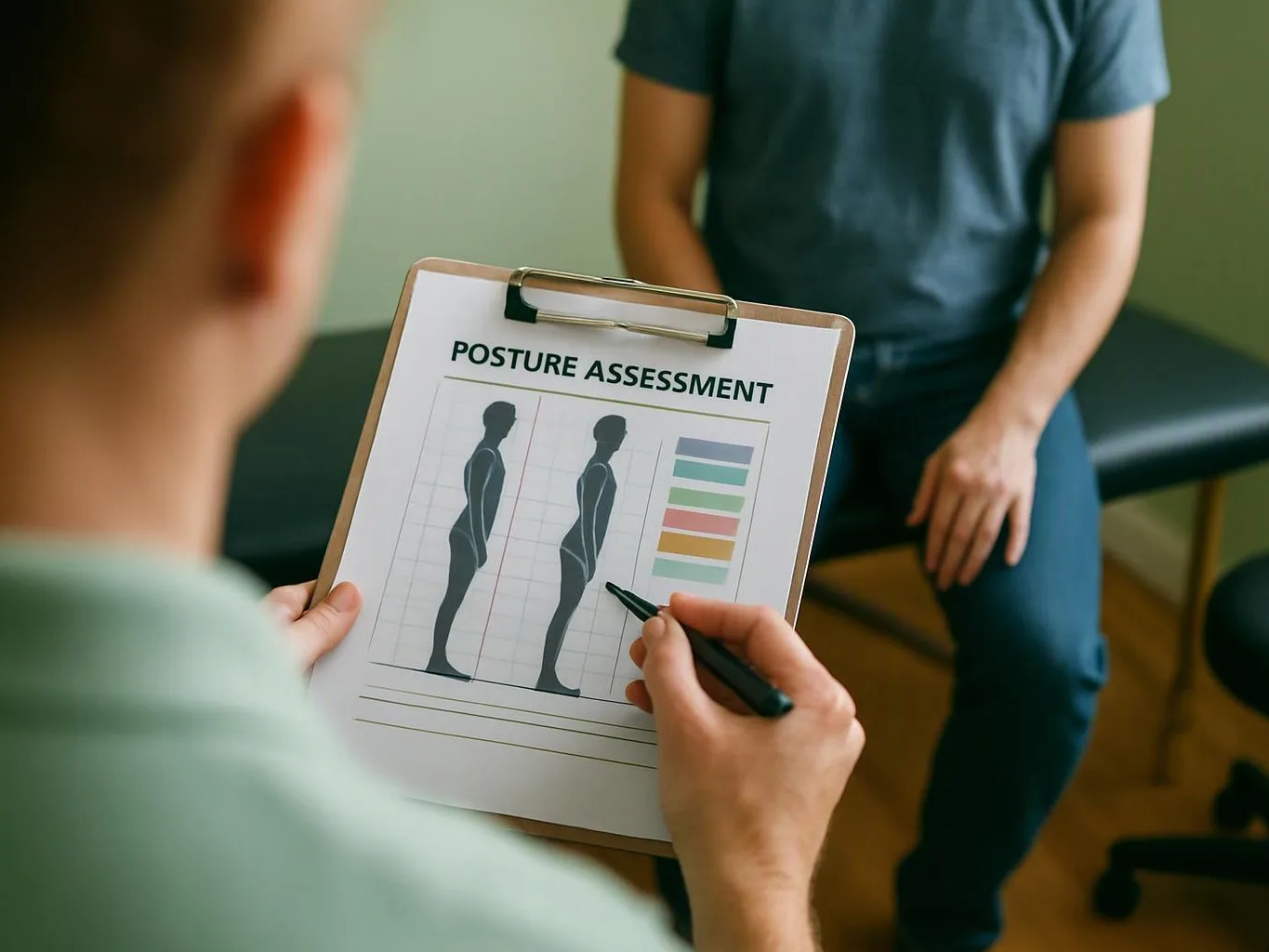
A clinician holds a clipboard with a posture assessment chart while another person sits in an exam room

The health and wellness information on this website is for general informational purposes only and is not medical advice. It does not create a provider-patient relationship. Always consult a qualified licensed provider in Hermitage, Tennessee, United States about your specific condition before making care decisions. Individual results vary.

(615) 265-0412