Skip to content

Myofascial Release Therapy in Shackle Island, Tennessee

Hydration needs guide safe aftercare in Shackle Island. Our licensed chiropractor uses myofascial release therapy within a personalized care plan.

Upfront, Transparent PricingServing 23 CommunitiesMon-Fri: 9 am–7 pm, Sat: 9 am–2 pm, Sun: ClosedFast Scheduling

Quick Summary: Myofascial Release Therapy in Shackle Island, Tennessee

Myofascial Release Therapy in Shackle Island is provided by Advanced Injury Care Clinic for tight fascia, muscle soreness, and limited movement. We serve Shackle Island and nearby Nashville-area communities, with care plans shaped by each patient's condition and goals.

  • What we do: Advanced Injury Care Clinic provides Myofascial Release Therapy for patients in Shackle Island, Tennessee, using hands-on soft tissue techniques within individualized chiropractic care.
  • What is included: Soft tissue therapy, movement assessment, personalized treatment planning, and rehabilitative care.
  • What you get: Patients receive a clear care plan that addresses muscle tension, movement limits, and their stated recovery goals.

What should I expect after Myofascial Release Therapy?

Hydration needs matter after myofascial release therapy because hands-on work can leave treated muscles feeling tender. Mild soreness and relaxed muscles may occur, while improved flexibility can develop as the tissues settle. We explain aftercare during your visit and review any symptoms that should prompt a follow-up discussion.

Myofascial Release Therapy for Shackle Island Patients

Myofascial release therapy is suited to patients who notice muscle tightness, restricted movement, or soreness after an injury. Our team checks your health history, symptoms, movement, and treatment goals before hands-on work begins.

The key decision is whether soft tissue treatment matches the problem. We may combine it with chiropractic adjustments, spinal decompression, therapeutic exercise, or rehabilitative care when those services fit your needs. Results vary, so we use follow-up findings to guide the care plan rather than promise a fixed outcome.

  • Health history and symptom review before treatment.
  • Movement checks that help identify tight or sensitive areas.
  • Soft tissue work matched to your condition and comfort.
  • Aftercare guidance for soreness, hydration needs, and activity.
  • Follow-up planning when symptoms or movement change.
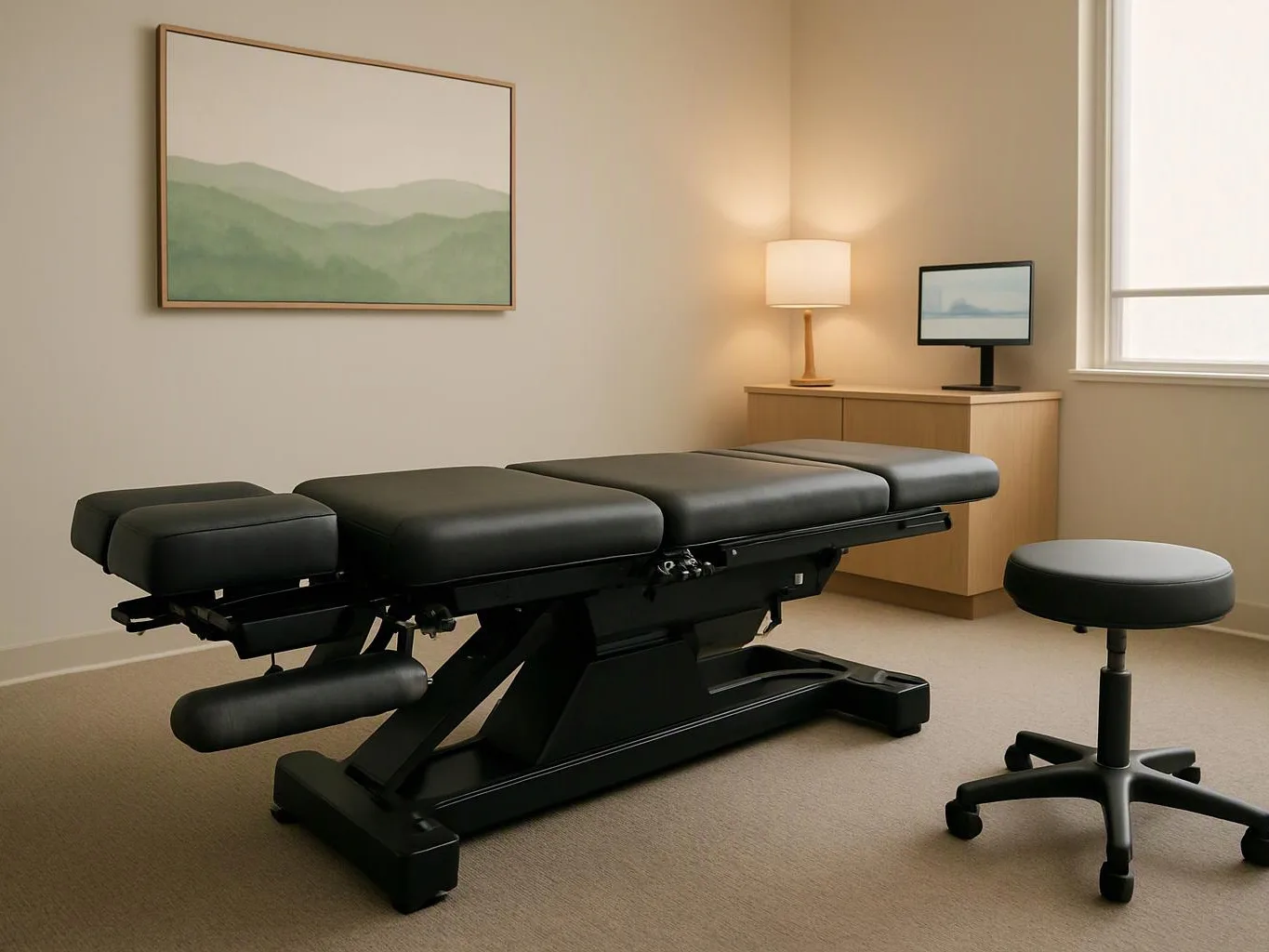
A quiet exam room holds a padded treatment table, lamp, stool, cabinet, and framed landscape art

Service Overview

Myofascial Release Therapy is a hands-on soft tissue treatment that applies steady pressure to areas of tight fascia and muscle.

  • It differs from a chiropractic adjustment because it focuses on soft tissue tension, while an adjustment targets joint movement.
  • Advanced Injury Care Clinic provides this care for patients in Shackle Island as part of individualized chiropractic treatment.

What Your Myofascial Release Therapy Visit Includes

Advanced Injury Care Clinic provides comprehensive Myofascial Release Therapy in Shackle Island. Here's what you get:

  • We review your symptoms, health history, and treatment goals before hands-on care.
  • We assess movement and areas of muscle or fascial tension.
  • We apply hands-on soft tissue techniques to selected areas.
  • We adjust pressure and treatment focus based on your response.
  • We explain aftercare for soreness, relaxed muscles, and activity.
  • We discuss whether therapeutic exercises or other chiropractic care may support your plan.

What You Get From This Treatment Approach

A treatment choice based on assessment

Our work in Shackle Island focuses on tailored scope, transparent timelines, and dependable delivery.

Hands-on care with clear aftercare

Your visit includes guidance about soreness, activity, and hydration needs. We want you to know what changes to watch after treatment.

A plan that can include more than one service

Soft tissue work may sit alongside adjustments, spinal decompression, therapeutic exercise, or rehabilitative care when those options match your needs.

Process

How We Provide Myofascial Release Therapy

1

Review your health history

We discuss your symptoms, past injuries, current concerns, and goals before treatment begins.

2

Check movement and tissue tension

We observe movement and assess areas that feel tight, tender, or restricted.

3

Apply focused soft tissue work

We use hands-on pressure on selected areas and adjust the approach to your response.

4

Explain your aftercare

We discuss soreness, relaxed muscles, activity, hydration needs, and signs that need follow-up.

5

Review the care plan

We explain whether exercises, adjustments, spinal decompression, or rehabilitative care belong in your next steps.

How Soft Tissue Work Supports Movement

Soft tissue work may reduce the sense of tightness around affected muscles.

Improved flexibility may make daily movement feel easier when muscle tension limits range.

Relaxed muscles can support exercise and rehabilitation work when those steps fit your care plan.

A focused assessment helps connect treatment choices to your symptoms and goals.

Regular maintenance may help you stay aware of movement changes as part of ongoing wellness care.

Soft Tissue Work and Related Care

These services address different parts of movement, so the assessment guides the choice.

Care optionMain focusWhen it may fit
Myofascial release therapyMuscle and fascial tensionTight or tender soft tissue affects movement
Chiropractic adjustmentJoint movementThe care plan includes a joint-focused approach
Therapeutic exerciseStrength, control, and movement practiceActive rehabilitation supports the patient's goals

The Advanced Injury Care Clinic Standard

  • Personalized Care
  • Thorough Evaluations
  • Clear Explanations
  • Respectful Environment

Questions About Soft Tissue Treatment

What does the clinician check before treatment?

The initial assessment checks your health history, symptoms, movement, and areas of tissue tension. We also ask about injury details and your goals. Those findings help us decide whether soft tissue work fits your needs and whether another service belongs in the plan.

How is fascia release different from myofascial release?

Fascia release and myofascial release often describe hands-on work directed at connective tissue and muscle tension. The terms can overlap in everyday use. We focus on your symptoms, movement, and response to pressure rather than relying on a label alone.

Who should avoid this type of soft tissue treatment?

Patients with symptoms that need medical assessment should discuss them before hands-on treatment. We review your health history and current condition first. Severe or unexplained symptoms, a new injury, or a major change in function may require a different evaluation before treatment is considered.

Can soft tissue work replace chiropractic adjustments?

Soft tissue work doesn't replace an adjustment when joint-focused care is appropriate. Each service addresses a different part of movement and comfort. We assess your needs and explain whether hands-on tissue work, an adjustment, exercise, or a combined plan best fits your condition.

What should I bring to my first appointment?

Your symptom history and a list of current concerns help us plan the first visit. Bring relevant injury details, medical records you want reviewed, and information about activities that worsen movement. We use that discussion with the examination to shape your care plan.
Contact

Discuss Myofascial Release Therapy in Shackle Island

Are tight muscles or limited movement affecting your day? Contact Advanced Injury Care Clinic to discuss your symptoms, goals, and suitable care options.

A massage table, blue yoga mat, foam roller, and stacked blocks sit in a tidy treatment room

Myofascial Release Therapy in Other Areas

The health and wellness information on this website is for general informational purposes only and is not medical advice. It does not create a provider-patient relationship. Always consult a qualified licensed provider in Hermitage, Tennessee, United States about your specific condition before making care decisions. Individual results vary.

(615) 265-0412