How can auto accident injury treatment support recovery?
Rehabilitation planning supports recovery by linking assessment findings with pain management, mobility exercises, and spinal care. The first visit reviews your health history, symptoms, and movement. Care may then include adjustments, spinal decompression, soft tissue therapy, or exercises. Individual response differs, so follow-up findings guide later choices.
Who is a good fit for this care, and who needs a different service?
Patients with collision-related musculoskeletal symptoms may fit this care, while serious or urgent injuries need medical evaluation first. Neck pain, back pain, whiplash, headaches, sciatica, and movement limits are common reasons to ask about treatment. Our assessment helps identify whether chiropractic care fits your needs or whether another service should come first.
What happens at each stage of treatment?
The treatment stages include intake, examination, findings review, personalized care, and progress review.
- We record your health history and symptoms.
- We check movement and spinal function.
- We explain the findings and care options.
- We begin the selected plan.
- We review progress and adjust care when needed.
What does the team look at first after a collision?
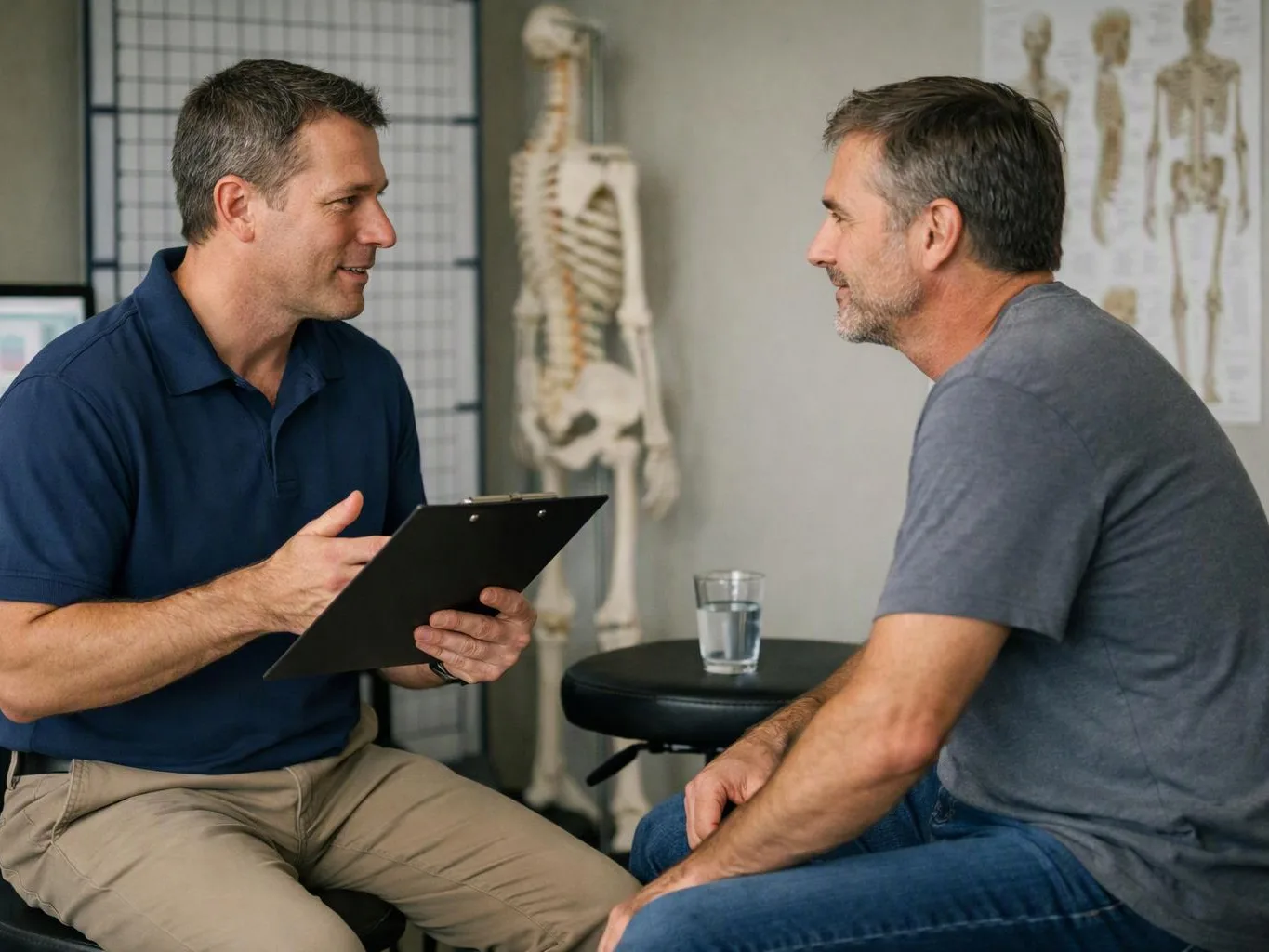
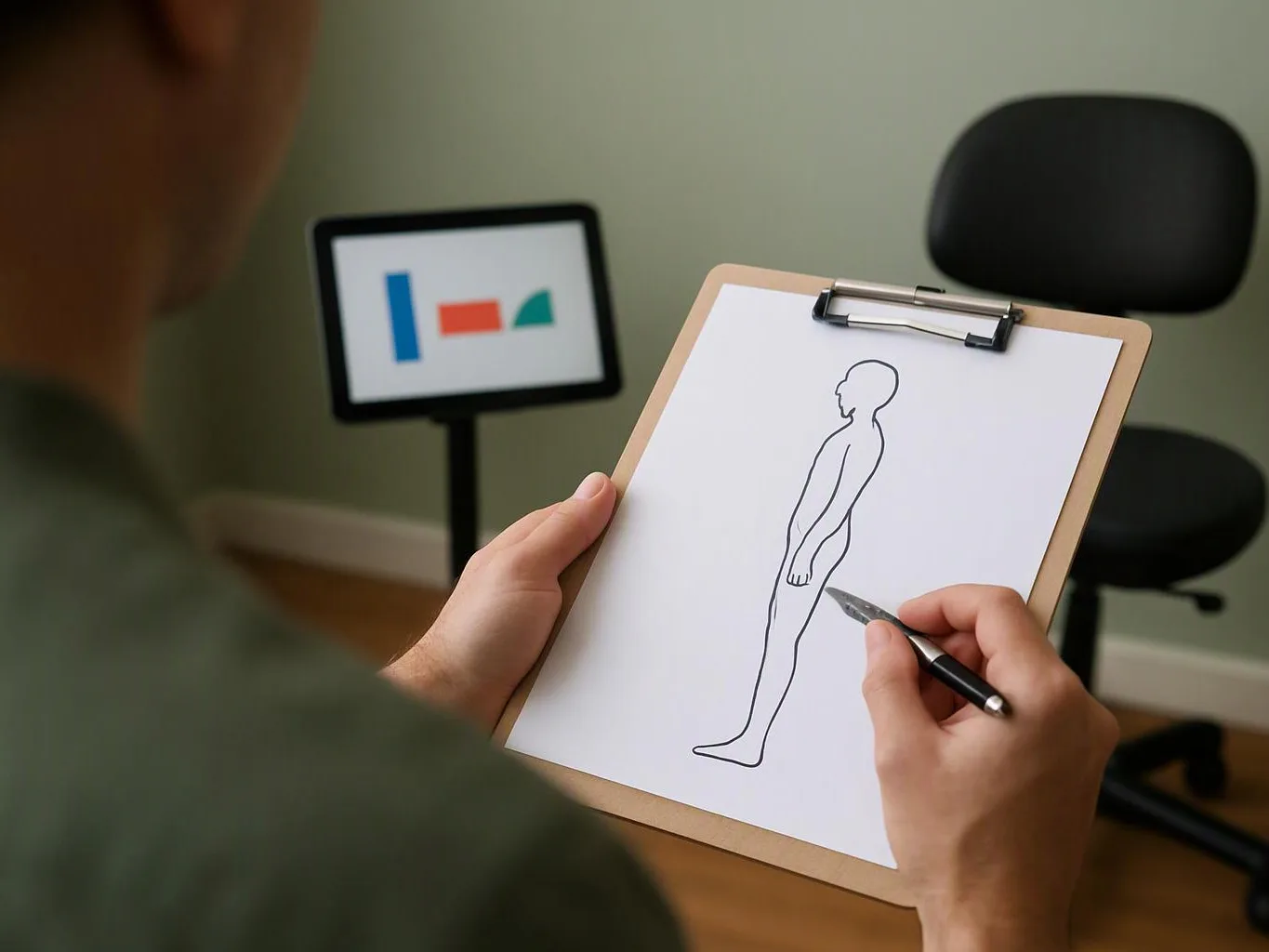
The first check covers your health history, current symptoms, movement, and spinal function. Pain location alone does not decide the plan. Our team also asks how symptoms affect work, sleep, driving, and daily tasks. X-rays may be considered when clinically indicated.
Which care methods may help with whiplash?
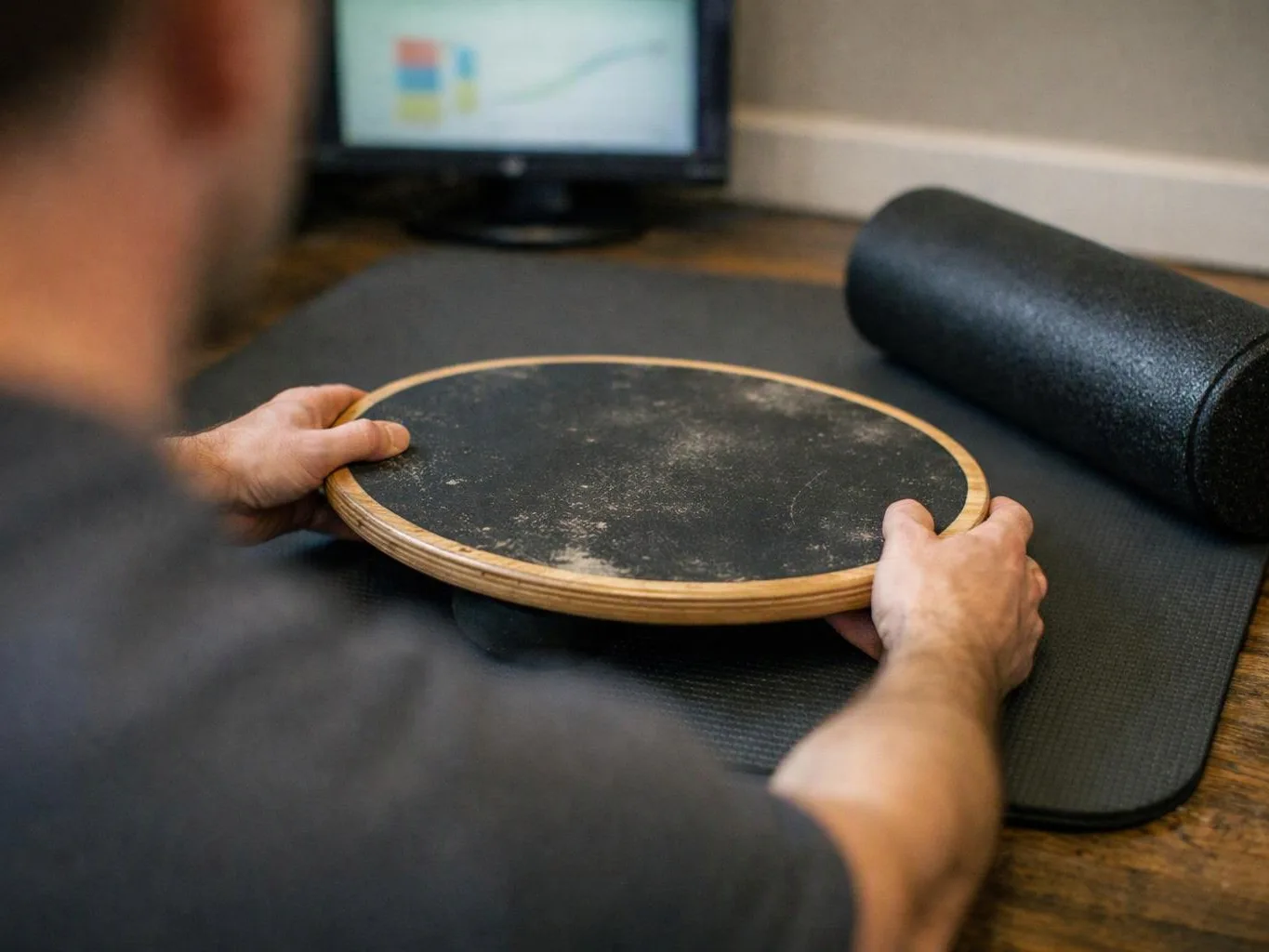
Whiplash care may include gentle chiropractic adjustments, soft tissue therapy, mobility exercises, and rehabilitative care. The exam guides the choice of method. Neck movement, muscle tension, headaches, and related symptoms all matter. Patients should share new or worsening symptoms during the assessment.
Why might spinal decompression be included in a care plan?
Spinal decompression may be included when assessment findings show that guided table-based care fits the patient’s spinal concerns. It is one option among several methods. Our team considers symptoms, movement, goals, and response to care before continuing or changing that approach.
How should I prepare for the first appointment?
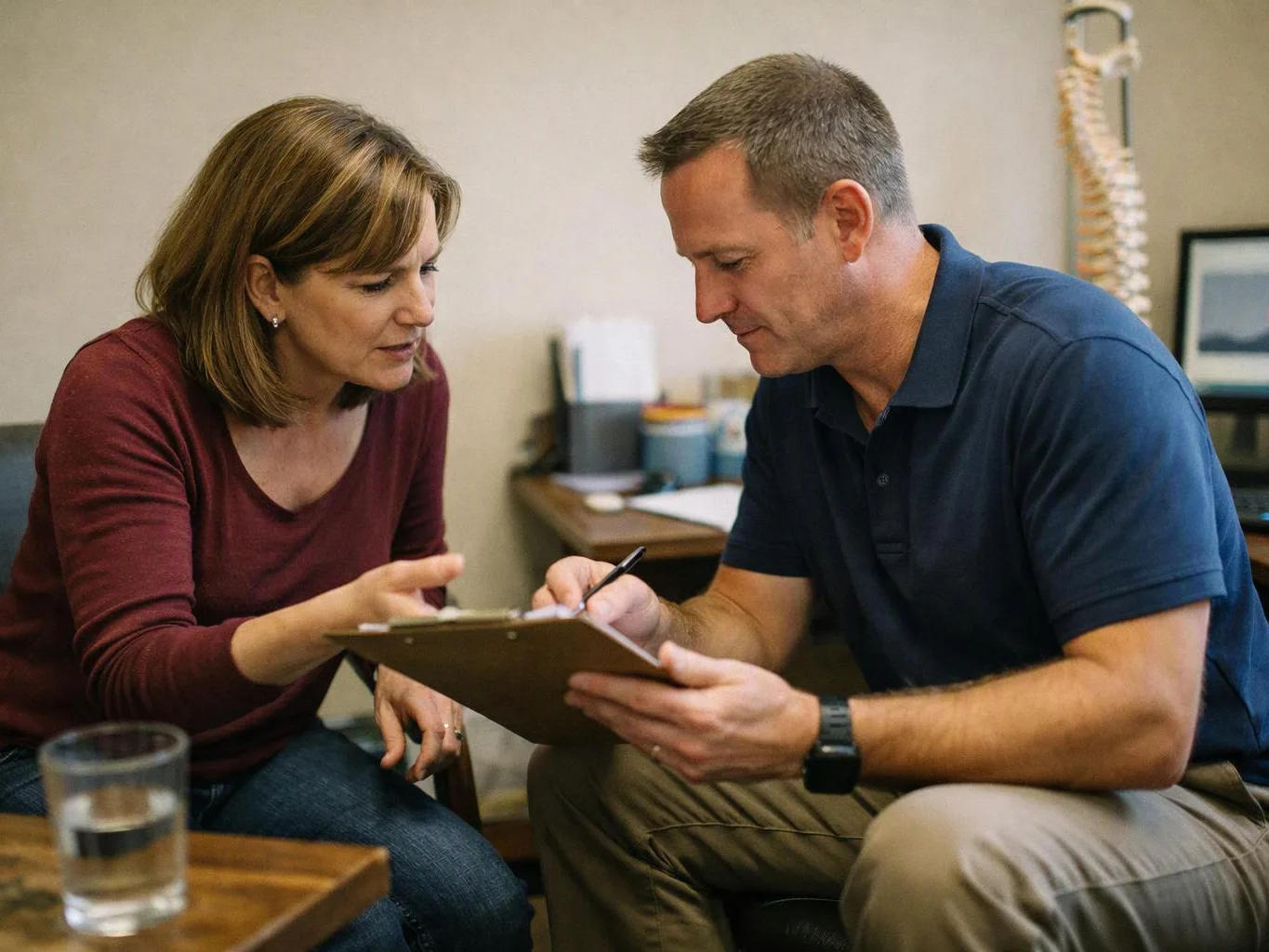
Bring collision details, a list of symptoms, relevant health history, and any records you want the clinic to review. Comfortable clothing can make movement checks easier. Tell the team about pain changes, headaches, numbness, or activity limits so the assessment reflects your current condition.