Skip to content

Myofascial Release Therapy in Nashville, Tennessee

Desk workers should receive a careful assessment before hands-on care in Nashville. We use myofascial release therapy to address soft tissue tension and movement limits within a personalized care plan.

Upfront, Transparent PricingServing 23 CommunitiesMon-Fri: 9 am–7 pm, Sat: 9 am–2 pm, Sun: ClosedFast Scheduling

Quick Summary: myofascial release therapy in Nashville, Tennessee

Myofascial Release Therapy in Nashville is provided by Advanced Injury Care Clinic for desk workers, athletes, and patients with posture or movement concerns. Care covers soft tissue techniques, assessment, and personalized treatment plans in Hermitage and nearby Nashville-area communities.

  • What we do: Advanced Injury Care Clinic provides Myofascial Release Therapy for Nashville patients with soft tissue tension, posture issues, and movement limits.
  • What is included: The care includes soft tissue techniques, health history review, movement assessment, and personalized treatment planning.
  • What you get: The patient leaves with a clearer care plan for improving comfort and movement.

Why does desk-related muscle tightness keep returning in Nashville, Tennessee?

Desk-related muscle tightness often returns when posture, movement habits, and soft tissue strain remain unchanged. Myofascial release therapy addresses restricted soft tissue, while exercises and care guidance support better movement between visits.

Myofascial Release Therapy for Nashville Desk Workers

Myofascial release therapy suits patients whose soft tissue tension affects comfort, posture, or movement. Desk workers may notice neck pain, back pain, shoulder tightness, or headaches after long periods in one position.

The key decision is whether soft tissue care matches the problem. Our team reviews your symptoms and movement before planning treatment, and we may add therapeutic exercises or chiropractic care when they support your goals.

This page focuses on choosing care for posture and movement concerns. It also applies to athletes and patients whose limited motion follows an injury, but results vary by condition and individual response.

  • Describe where tightness or restricted movement affects your day.
  • Bring relevant health history and details about your symptoms.
  • Ask how soft tissue therapy fits with adjustments or exercises.
  • Choose care after an assessment confirms the treatment plan fits your needs.
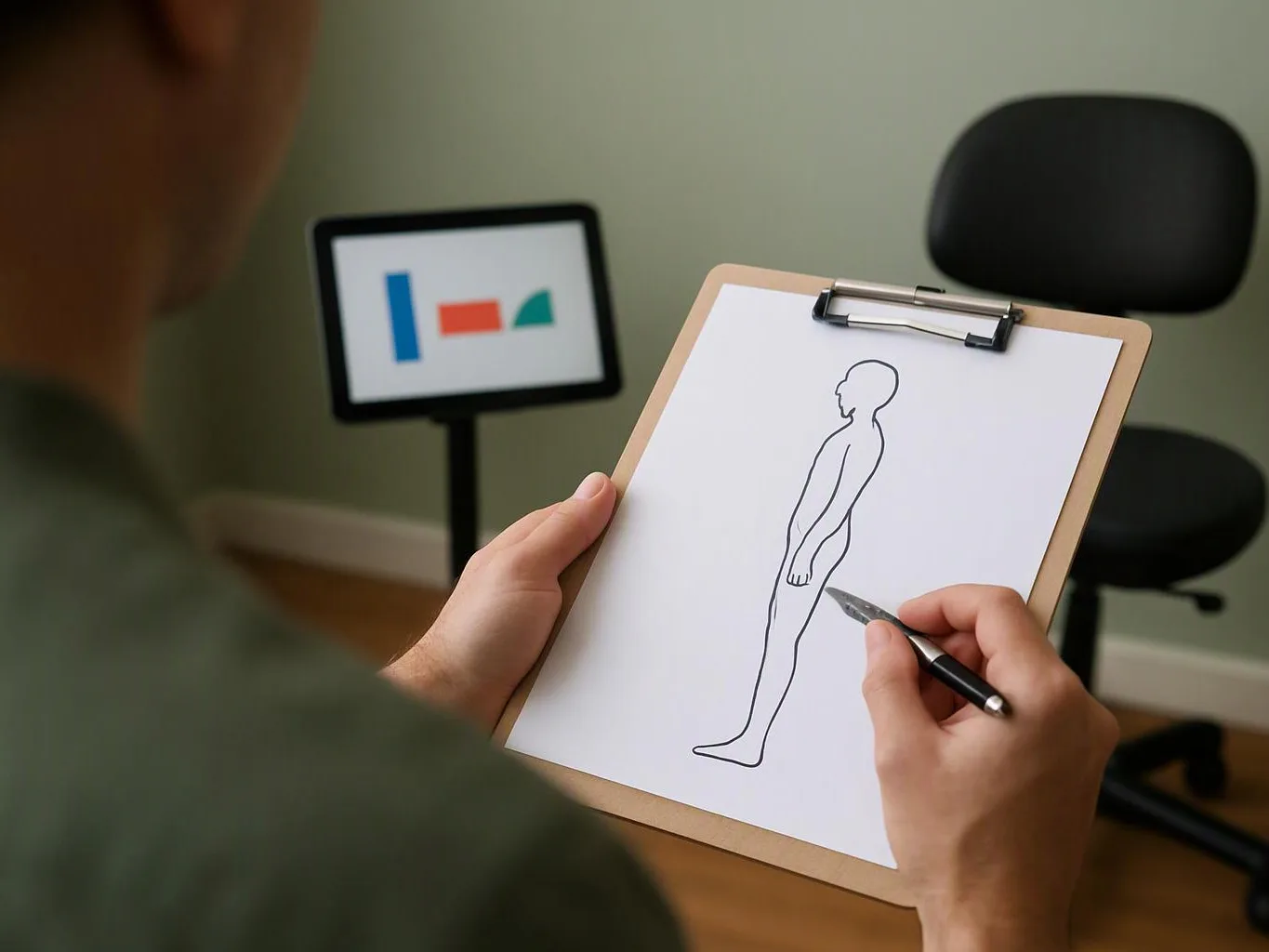
A man takes notes while speaking with a woman seated across from him in a simple room

Service Overview

Myofascial release therapy is a hands-on treatment that works on tight fascia and soft tissue around painful or restricted areas.

  • Unlike a chiropractic adjustment, this care focuses on soft tissue tension and movement quality, though both services may fit one treatment plan.
  • We provide this care in Nashville for patients from Hermitage, Donelson, Mount Juliet, Old Hickory, Madison, and nearby Middle Tennessee communities.
Process

How this hands-on treatment is planned

1

Review your health history

We discuss your symptoms, injury history, work demands, goals, and daily movement. This information helps frame the assessment.

2

Check posture and movement

Our team observes the affected area and checks movement limits, tenderness, and soft tissue tension. X-rays may be considered if clinically indicated.

3

Set the treatment plan

We explain whether myofascial release therapy fits your needs and how it may work with adjustments or therapeutic exercises.

4

Apply focused soft tissue care

Hands-on techniques address the soft tissue areas identified during the assessment. Individual response differs, so care is adjusted to your findings.

5

Review progress and self-care

We discuss movement practice and follow-up needs. A progress re-examination can help guide the next part of care.

What patients get from this treatment approach

Assessment before hands-on care

The first visit links your symptoms with posture, movement, and health history. That review helps us decide whether soft tissue work belongs in your plan.

Care matched to your goals

Your treatment plan may include myofascial release therapy, adjustments, spinal decompression, or therapeutic exercises. We select care based on your condition and lifestyle.

A clear limit on fit

This service is not the right choice for every symptom. Severe or unexplained concerns need medical review, and our assessment helps identify when another type of care is needed.

A situation this service fits

A desk worker in Nashville may seek care after recurring neck tightness and limited shoulder movement affect work and exercise. We would review posture, movement, health history, and soft tissue tension before deciding whether hands-on care and therapeutic exercises fit the concern.

What myofascial release therapy includes

Advanced Injury Care Clinic provides comprehensive Myofascial Release Therapy in Nashville. Here's what you get:

  • We begin with a health history and physical assessment of the affected area.
  • We review posture, movement, and soft tissue tension related to your concern.
  • We use hands-on soft tissue techniques suited to the treatment plan.
  • We may pair soft tissue care with chiropractic adjustments or therapeutic exercises.
  • We explain practical care steps that support movement between appointments.

What this soft tissue care may change

Soft tissue treatment may help reduce discomfort linked to tight or restricted tissue.

Improved movement can make sitting, walking, training, or daily tasks feel easier.

A personalized plan connects hands-on care with exercises that support lasting relief.

Care may help you understand which posture or movement patterns affect your symptoms.

Choosing care for restricted movement

These options address different findings, so the assessment guides the choice.

Care optionMain focusWhen it may fit
Myofascial release therapyTight fascia and soft tissueSoft tissue tension with restricted movement
Chiropractic adjustmentsJoint movementJoint-related restrictions within a broader care plan
Therapeutic exercisesStrength, mobility, and movement controlOngoing support for movement goals

The Advanced Injury Care Clinic Standard

  • Personalized Care
  • Thorough Evaluations
  • Clear Explanations
  • Respectful Environment

Questions about soft tissue release care

Who is a good fit for myofascial release therapy, and who needs different care?

Desk workers with soft tissue tightness, posture issues, or limited movement may benefit from myofascial release therapy. Athletes and patients with injury-related tension may also fit. Severe, unexplained, or urgent symptoms need medical review before hands-on treatment. Our assessment helps decide whether this service matches your condition.

What should be checked before treatment is scheduled?

A health history, symptom review, posture check, and movement assessment should come first. We ask about injuries, pain patterns, daily demands, and treatment goals. X-rays may be considered if clinically indicated. These findings help us choose suitable care and identify concerns that need a different evaluation.

What happens at each stage of treatment?

Treatment starts with an intake and movement assessment, then moves to care planning and hands-on soft tissue work when appropriate. We may add therapeutic exercises or adjustments based on your findings. Follow-up discussion covers movement practice and whether the plan needs review.

Which symptoms may point to soft tissue tension?

Neck tightness, shoulder restriction, back discomfort, and posture-related headaches may involve soft tissue tension. Symptoms alone cannot confirm the cause. Our team checks movement and health history before recommending myofascial release therapy or another service.

How does this differ from spinal decompression?

Myofascial release therapy focuses on tight fascia and soft tissue through hands-on care. Spinal decompression uses a different approach aimed at reducing load around the spine. We review your condition before deciding which service, or combination of services, fits your goals.

Why might tightness return after treatment?

Tightness may return when the same posture, work demand, injury pattern, or movement habit continues. Care may include exercises and self-care guidance to address those factors. Individual response differs, so follow-up helps us review progress and adjust the plan.

Which part of care for desk-related tension changes the price?

The assessment findings, areas treated, and services added to the plan affect cost. A consultation lets you discuss the concern and receive information about the care proposed. We do not provide a service price in advance without understanding the treatment needs.
Contact

Discuss myofascial release therapy in Nashville

Advanced Injury Care Clinic can help you clarify whether soft tissue care fits your posture, movement, or injury concern. Request a free consultation to discuss your symptoms and next steps.

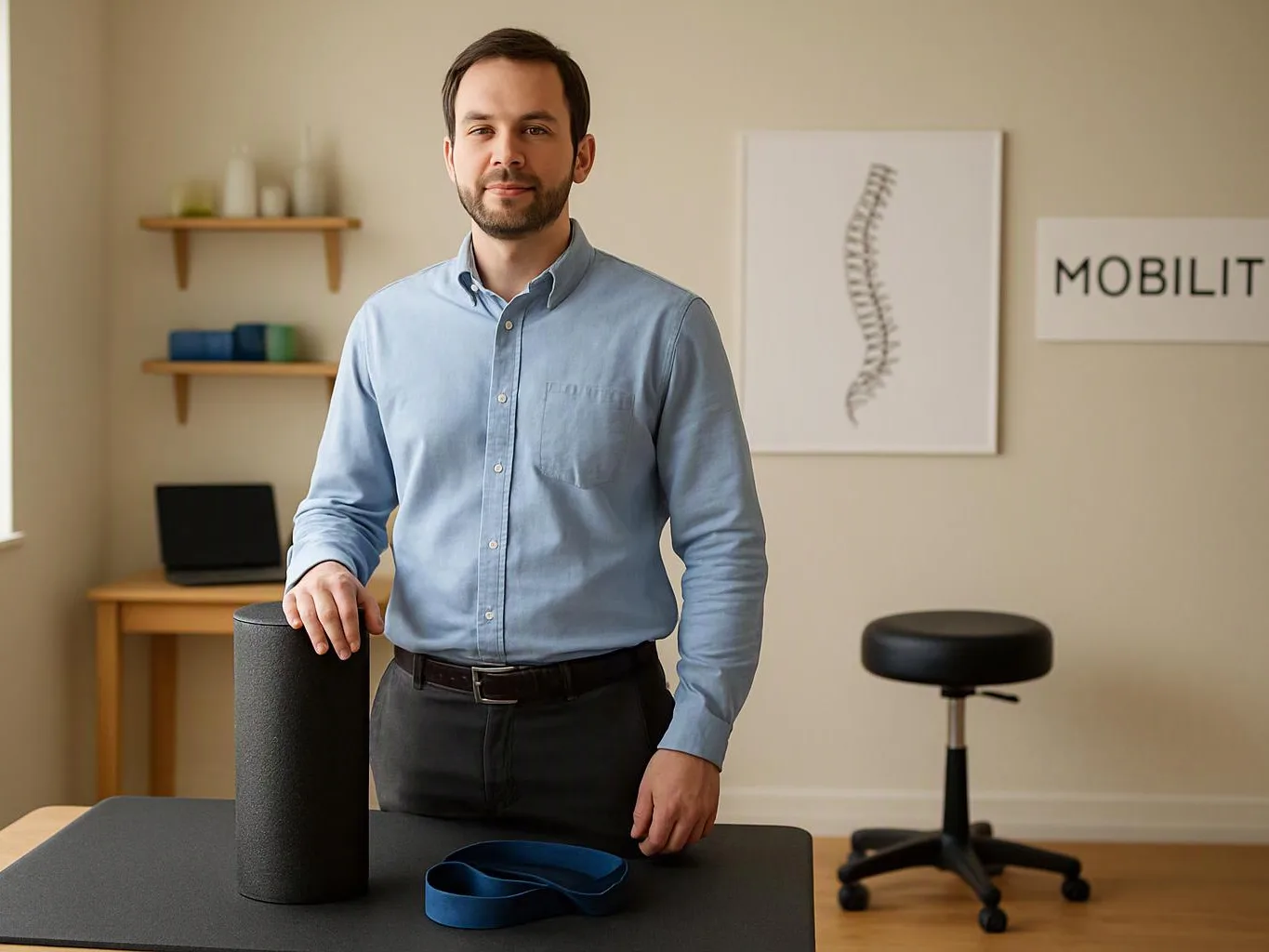
A man stands beside a foam roller and resistance band in a bright therapy room

ZIP Codes We Serve in Nashville, Tennessee

39 ZIP codes — show all
372013720237203372043720537206372073720837209372103721137212372133721437215372163721737218372193722037221372223722437227372283722937230372323723437235372363723837240372413724237243372443724637250

The health and wellness information on this website is for general informational purposes only and is not medical advice. It does not create a provider-patient relationship. Always consult a qualified licensed provider in Hermitage, Tennessee, United States about your specific condition before making care decisions. Individual results vary.

(615) 265-0412