What does myofascial release therapy help relieve?
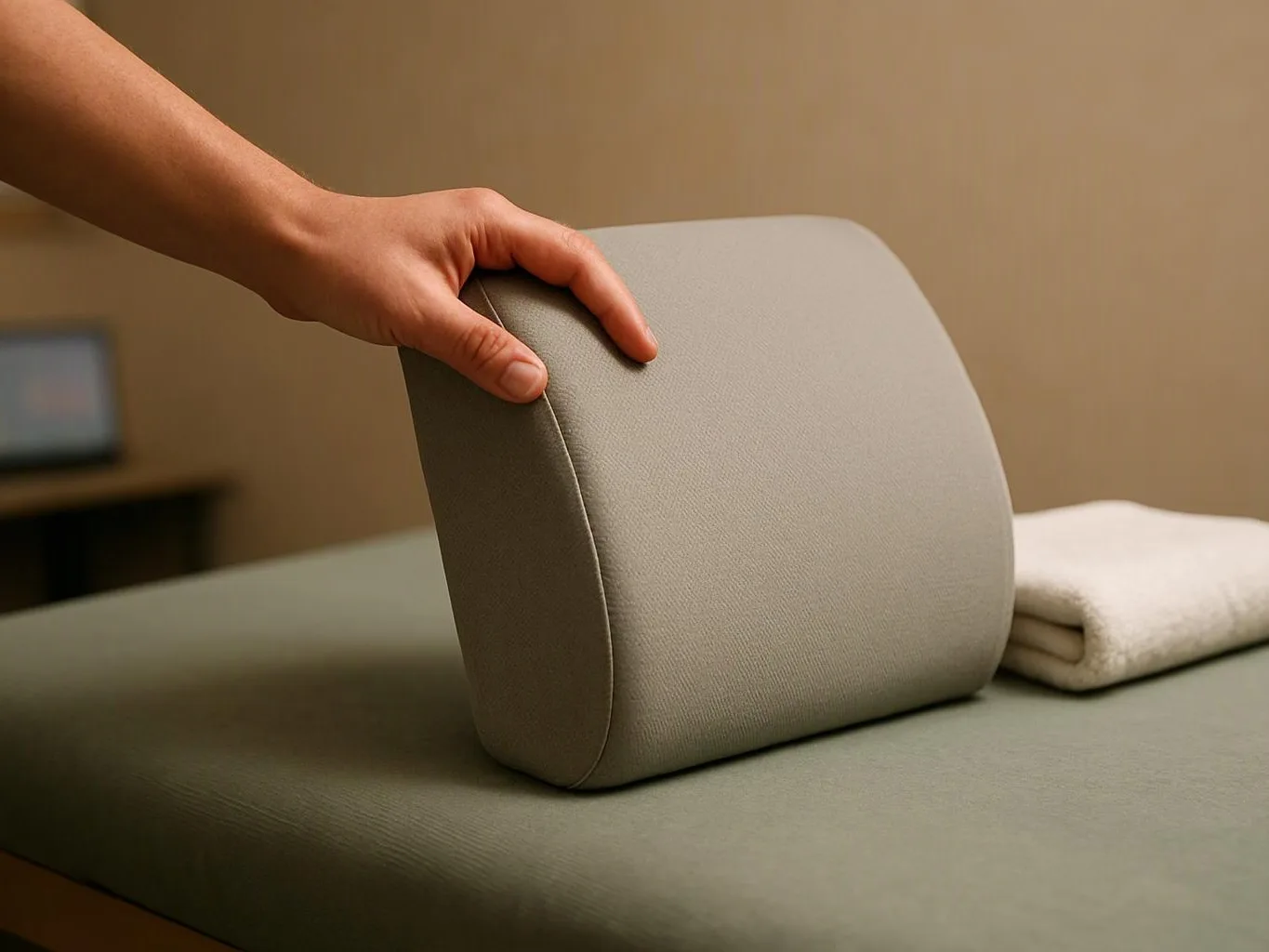
Fascial restrictions may contribute to muscle tension, chronic pain, and limited mobility. Our assessment checks how soft tissue affects movement and daily tasks. Hands-on techniques may address tight areas, while therapeutic exercises can support mobility between visits. Results vary because each patient’s condition, goals, and response to care differ.
How is treatment matched to my condition before work starts?
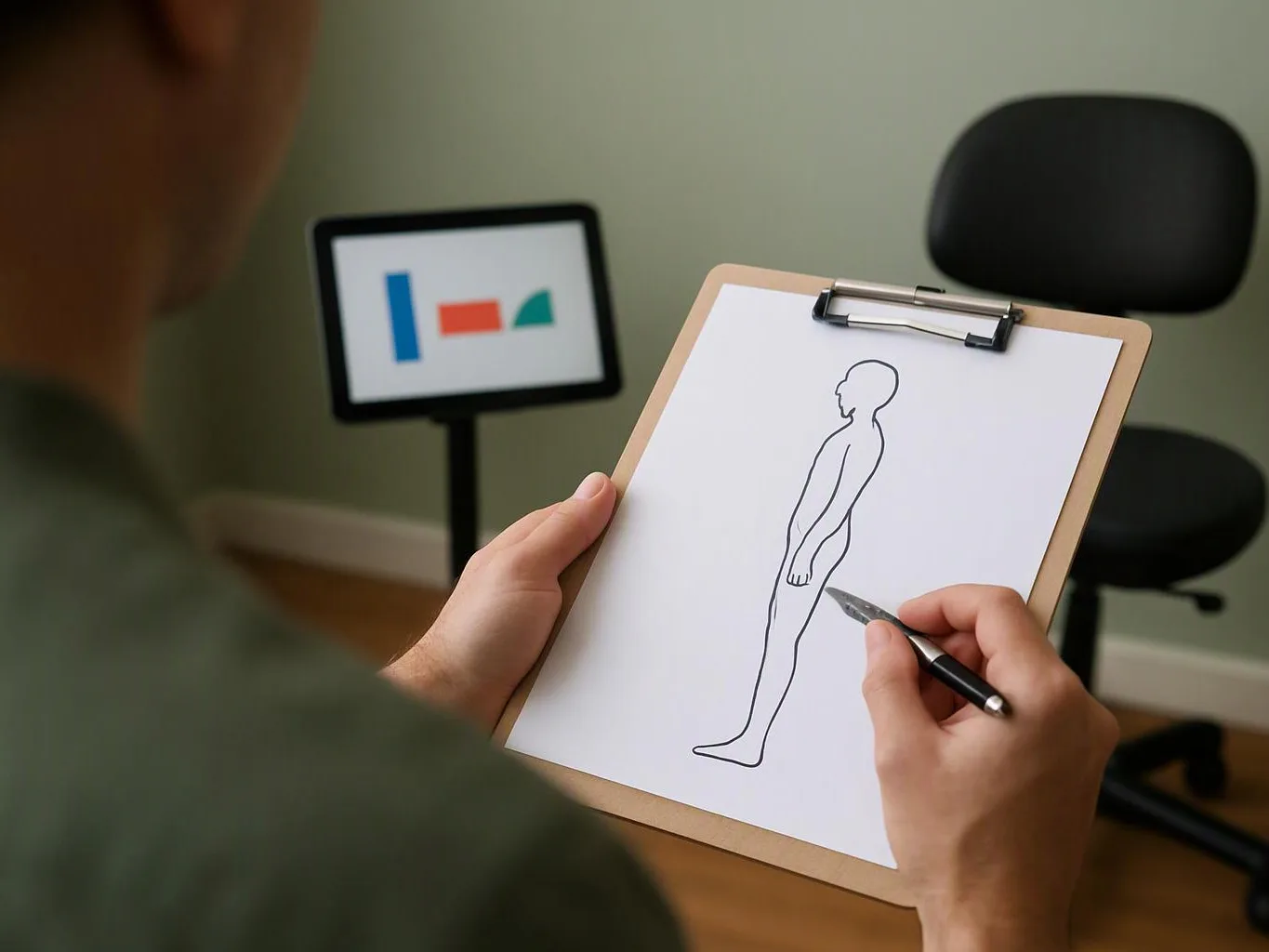
The treatment plan is matched through a health history, physical exam, and movement review. Patients discuss symptoms, injury details, activity demands, and goals. We then decide whether soft tissue work fits the findings. Chiropractic adjustments, exercises, or spinal decompression may be considered when they suit the patient’s needs.
What should I ask before agreeing to soft tissue treatment?
Patients should ask what the assessment found, which area will be treated, and how the care fits their goals. The care plan should also explain related exercises and follow-up steps. Our team answers these questions during the consultation and discusses when another type of evaluation is more suitable.
Which condition changes the time needed for treatment?
The extent of muscle tension, pain location, movement loss, and injury history can change the care plan. A focused assessment helps identify the areas that need attention. Patients should describe how symptoms affect work, exercise, sleep, and daily tasks so the plan reflects the real problem.
Can soft tissue therapy help after an auto accident?
Soft tissue therapy may fit auto accident care when the examination links muscle tension with the patient’s symptoms. Whiplash, neck pain, back pain, and guarded movement need careful review before hands-on treatment. Our team documents the history, checks movement, and explains whether this service belongs in the broader plan.
When should pain be checked before this treatment?
Sudden weakness, loss of bladder or bowel control, major trauma, or severe unexplained pain needs prompt medical evaluation first. Soft tissue therapy is intended for suitable musculoskeletal concerns after assessment. Patients with new or worsening warning signs should seek appropriate medical care before scheduling hands-on treatment.
Why might exercises be added to hands-on care?
Therapeutic exercises may help patients practice better movement between visits. Hands-on work addresses soft tissue tension during care, while exercises support active movement and strength. Our team chooses exercises based on the patient’s mobility, symptoms, and daily goals instead of giving every patient the same routine.