Understanding Workers Compensation
Workers Compensation is a legal safety net designed to protect both employees and employers when workplace injuries occur. If an employee gets hurt or sick because of their job, Workers Compensation steps in to cover medical bills, rehabilitation costs. And a portion of lost wages. Unlike traditional health insurance, Workers Compensation focuses specifically on injuries or illnesses directly tied to work duties, such as lifting heavy objects, repetitive motion injuries. Or exposure to harmful substances.
Related glossary terms: Chiropractic Adjustment, Soft Tissue Injury, Medical Lien.
This system operates under a no-fault principle, meaning employees don't need to prove their employer was negligent to receive benefits. In return, employers receive immunity from most lawsuits related to the injury. This trade-off helps ensure injured workers get timely care while reducing legal risks for businesses. Each state manages its own Workers Compensation program, setting rules for coverage, benefit amounts. And claim processes. So requirements can vary depending on where the job is located.
How Workers Compensation Works?
When an employee is injured at work, the first step is reporting the injury to their employer as soon as possible. Delays in reporting can sometimes affect eligibility for benefits. The employer then files a claim with their Workers Compensation insurance carrier, which reviews the details to determine if the injury qualifies under state guidelines. If approved, the insurance covers medical treatment related to the injury, including doctor visits, physical therapy, medications. And sometimes travel expenses to medical appointments.
In addition to medical benefits, Workers Compensation typically provides partial wage replacement if the injury keeps the employee out of work for more than a few days. The amount is usually a percentage of the employee’s average weekly wage, often around two-thirds. Though exact figures depend on state laws. Some states also offer vocational rehabilitation services to help injured workers return to their job or train for a new role if they can no longer perform their previous duties. Employers pay for Workers Compensation insurance through private carriers or state-run funds. And premiums are based on factors like industry risk, payroll size. And the company’s claims history.
Why Workers Compensation Matters?

For employees, Workers Compensation provides critical financial and medical support during recovery, reducing the stress of mounting bills and lost income. Without this protection, injured workers might face difficult choices between paying for treatment and covering everyday expenses. For employers, the program helps maintain a stable workforce by ensuring employees receive care quickly, which can speed up recovery and return-to-work timelines. It also limits financial exposure from lawsuits, which can be costly and unpredictable.
In practice, Beyond individual cases, Workers Compensation plays a broader role in workplace safety. Insurance premiums often reflect a company’s safety record, giving employers a financial incentive to put in place strong safety programs and training. This can lead to fewer injuries over time, benefiting both workers and businesses. And the program helps track workplace injury trends, allowing regulators and employers to identify and address common hazards in specific industries.
When Workers Compensation Matters Most?
Workers Compensation becomes especially important in high-risk industries like construction, manufacturing, healthcare. And agriculture, where injuries are more common. But even office jobs can lead to covered injuries, such as carpal tunnel syndrome from typing or back strain from lifting boxes. The program also matters when injuries are severe, requiring long-term treatment or preventing an employee from returning to their previous job. In these cases, Workers Compensation can provide extended benefits, including disability payments and job retraining.
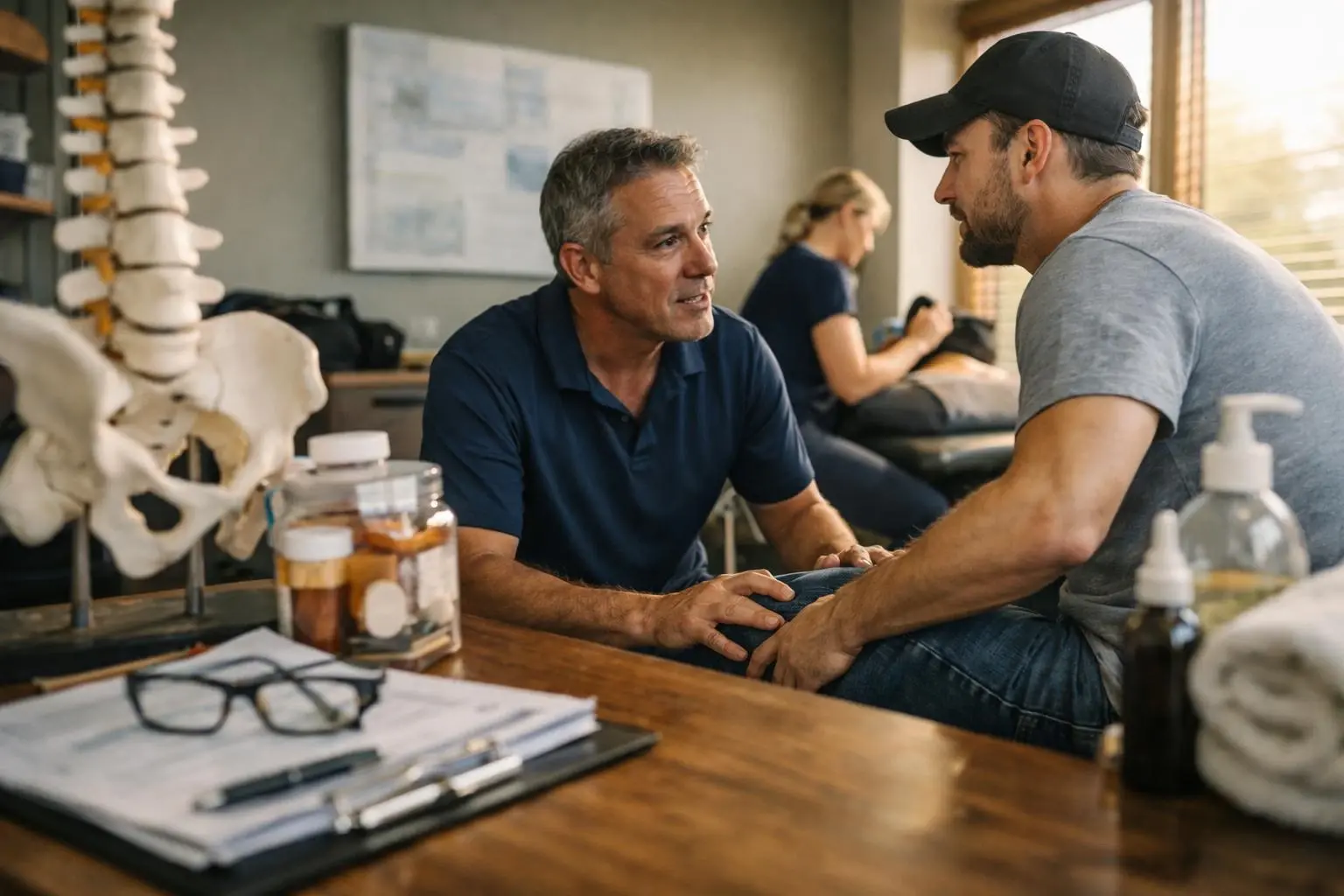
Timing is another key factor. Employees must report injuries promptly and follow their state’s claim process to avoid delays or denials. Employers must also act quickly, filing claims with their insurance carrier and ensuring injured workers receive appropriate medical care. In Hermitage, TN, chiropractors often play a role in Workers Compensation cases by providing non-surgical treatment for musculoskeletal injuries, helping patients recover without invasive procedures. For both employees and employers, understanding when and how to use Workers Compensation can make a significant difference in outcomes after a workplace injury.