Understanding Personal Injury Protection
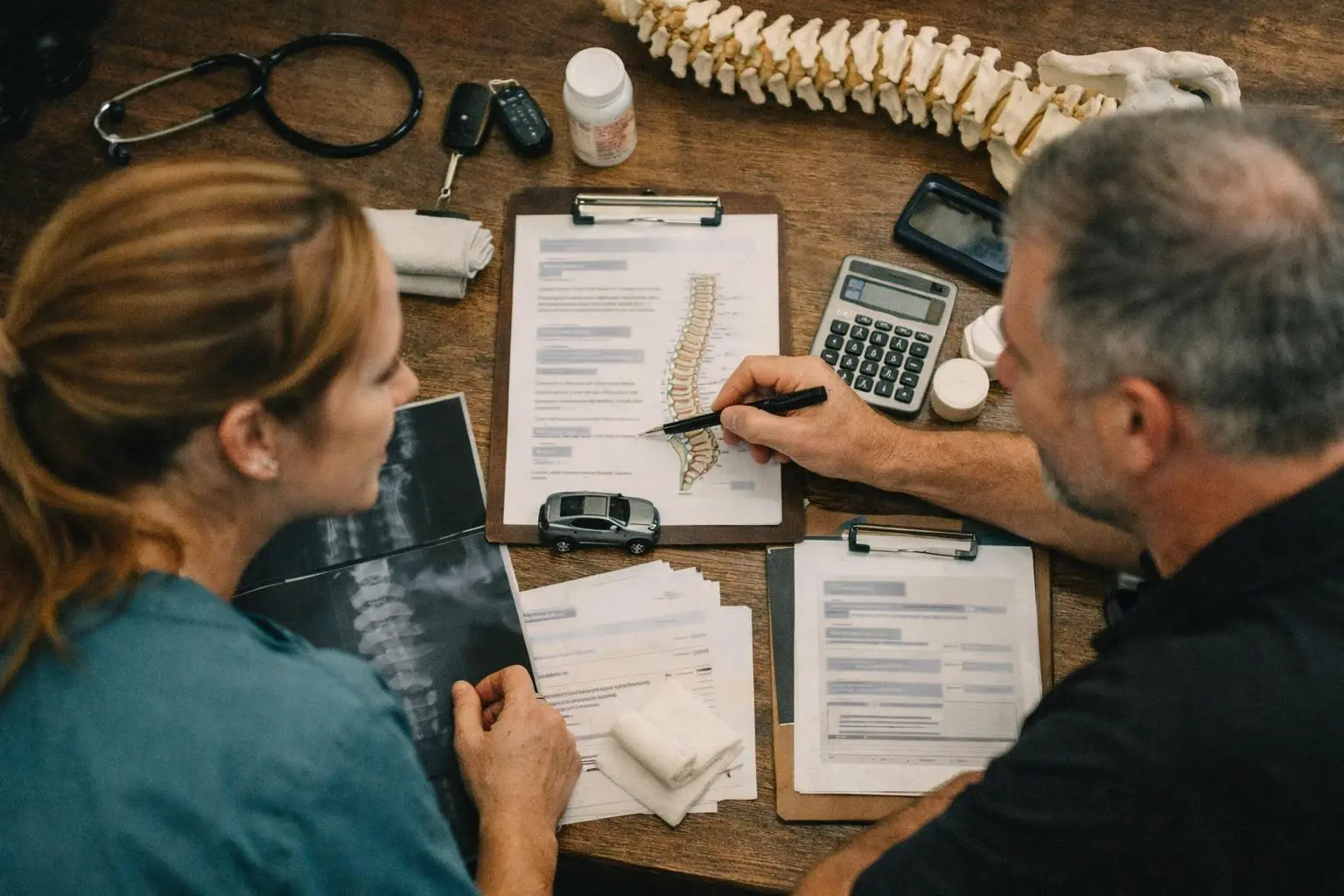
Personal Injury Protection, commonly called PIP, is a part of auto insurance that helps pay for medical expenses and other costs after a car accident. Unlike traditional liability insurance, which covers injuries to others when the policyholder is at fault, PIP covers the policyholder and their passengers regardless of who caused the crash. That means why it's often referred to as 'no-fault' insurance. PIP is designed to provide quick access to funds for medical treatment, rehabilitation. And even lost wages, reducing the need for lengthy legal disputes over fault.
Related glossary terms: Workers Compensation, Soft Tissue Injury, Herniated Disc.
PIP coverage varies by state. And some states require drivers to carry it as part of their auto insurance policy. In states like Tennessee, PIP is optional. But drivers can choose to add it for extra financial protection. The coverage typically includes medical expenses, such as hospital bills, doctor visits. And physical therapy, as well as non-medical costs like transportation to medical appointments or even funeral expenses in severe cases. Understanding PIP is important for anyone who drives or rides in a car, as it can significantly reduce out-of-pocket expenses after an accident.
How Personal Injury Protection Works?
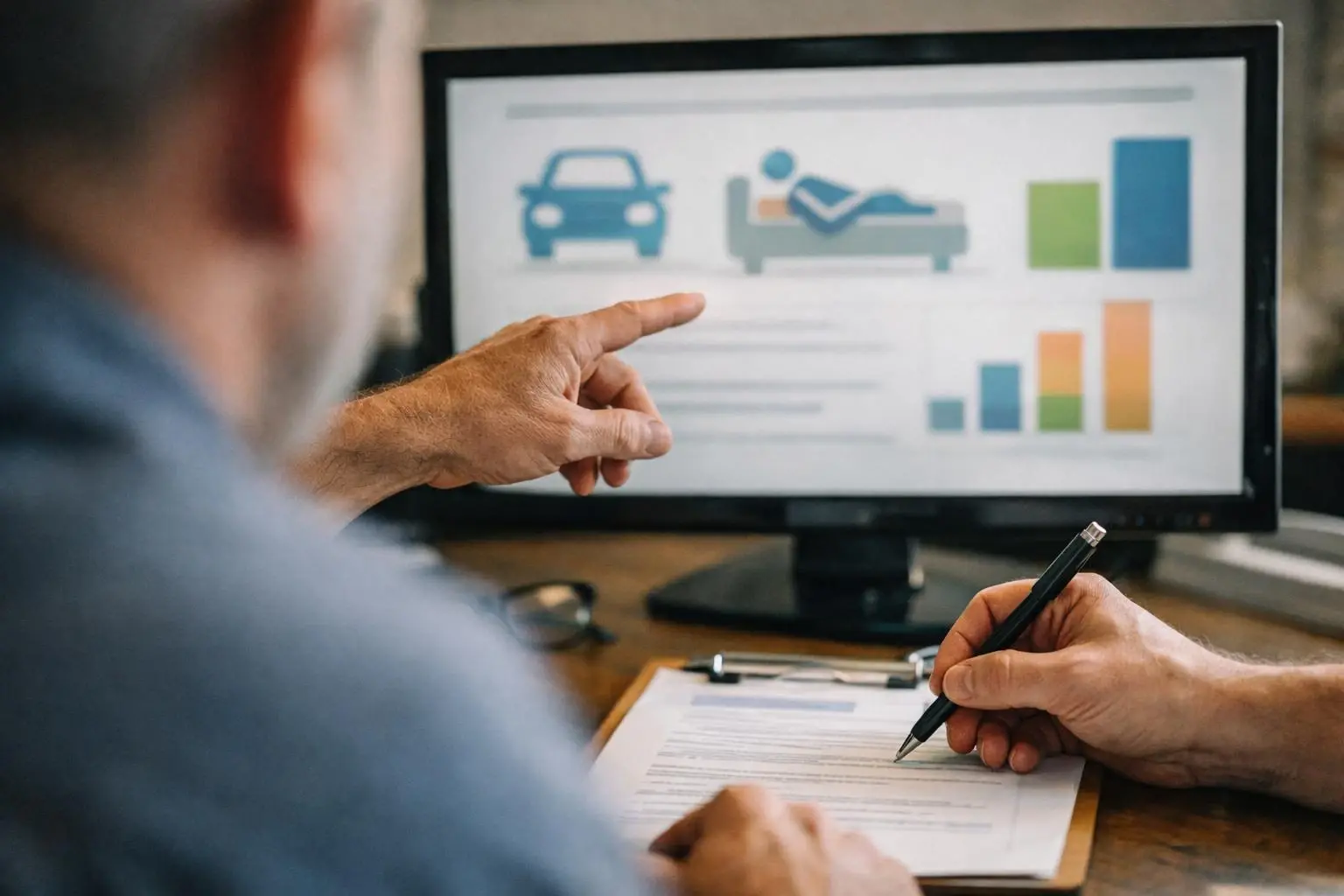
When a car accident occurs, Personal Injury Protection kicks in to cover eligible expenses up to the policy's limit. The process usually begins with the policyholder or passengers filing a claim with their own insurance company, rather than waiting for fault to be determined. This speeds up access to funds for medical treatment and other urgent needs. For example, if a driver is injured in a crash, PIP can cover their hospital stay, follow-up doctor visits. And even a portion of their lost wages if they're unable to work. Passengers in the vehicle may also be covered, depending on the policy details.
PIP coverage limits are set when the policy is purchased. Common limits range from Personal Injury Protection matters because it provides financial security after a car accident, regardless of who is at fault. Without PIP, drivers and passengers might face delays in receiving medical care while fault is being determined, which can worsen injuries or lead to unpaid bills. PIP ensures that medical expenses and other costs are covered quickly, allowing accident victims to focus on recovery instead of financial stress. This is especially important for those who don't have health insurance or whose health insurance has high deductibles. PIP also offers broader coverage than typical health insurance. While health insurance may only cover medical expenses, PIP can include additional costs like lost wages, childcare. Or household services if the injured person is unable to perform daily tasks. This makes PIP a valuable safety net for families and individuals who rely on their income or daily routines. Even in states where PIP is optional, adding it to an auto insurance policy can provide clear next steps and financial protection in unexpected situations. Personal Injury Protection matters most in situations where quick access to medical care and financial support is critical. For example, after a car accident, injuries like whiplash, back pain. Or fractures may require immediate treatment. And PIP can cover these costs without waiting for fault to be established. It is also valuable for drivers or passengers who do not have health insurance, as PIP can act as a primary coverage for accident-related medical expenses. And PIP can help cover lost wages if the injured person is unable to work, providing financial stability during recovery. In practice, PIP is also important in states with no-fault insurance laws, where drivers are required to carry it as part of their auto insurance policy. In these states, PIP is often the first source of coverage for medical expenses after an accident. Even in states where PIP is optional, it can be a smart choice for drivers who want extra protection beyond their health insurance. For example, in Tennessee, where PIP is not required, drivers who frequently commute or have long drives may benefit from adding PIP to their policy to ensure they are covered in case of an accident.Why Personal Injury Protection Matters?
When Personal Injury Protection Matters Most?