Glossary

What is Muscle Energy Technique?

Muscle Energy Technique is a hands-on treatment method used by chiropractors and physical therapists to improve joint mobility and reduce muscle tightness. Muscle Energy Technique involves the patient actively contracting specific muscles against a controlled resistance provided by the practitioner, followed by a stretch to help relax and lengthen the muscle.

Reviewed by ChiropractorHermitage.comSources reviewed: American Osteopathic Association, Journal of Bodywork and Movement Therapies

Quick Facts About Muscle Energy Technique

Category

Manual therapy technique

Used for

Joint stiffness, muscle tightness. And pain relief

Common confusion

Often mistaken for massage or high-velocity adjustments

Also called

MET, Post-Isometric Relaxation

Often discussed with

Neck Pain Treatment, Back Pain Treatment

Key Takeaways About Muscle Energy Technique

Understanding Muscle Energy Technique
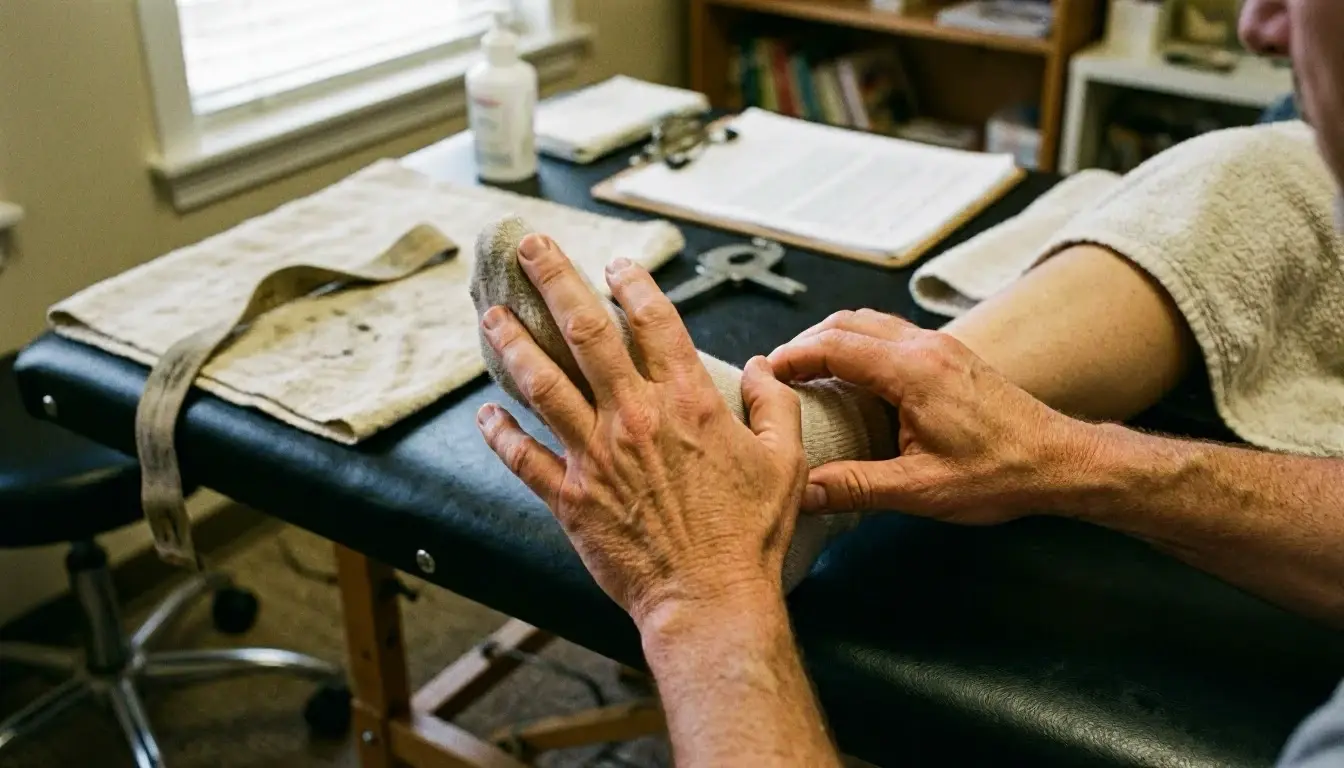
Muscle Energy Technique in Chiropractor: Muscle Energy Technique is a hands-on treatment method used by chiropractors and—...

MET is short for Muscle Energy Technique. It's a gentle way to help muscles and joints.

Related glossary terms: Chiropractic Adjustment, Chiropractic Rehabilitation, Soft Tissue Injury.

Chiropractors, physical therapists. And osteopaths use MET. It's not like regular adjustments with quick pushes.

You help by tightening certain muscles. The practitioner gives gentle resistance. This helps reset muscle tightness.

It improves how joints work. You don't need forceful moves for this to help.

MET works because muscles relax after they tighten. This is called post-isometric relaxation.

When muscles relax, the practitioner gently stretches them. This helps them get longer.

It reduces tightness. This can help joints move better. It also eases muscle spasms or stiffness.

How Muscle Energy Technique Works?

MET has a few key steps. First, the practitioner moves your joint or muscle.

They put it in a spot to target tight areas. Then, you tighten the muscle gently.

You push against the practitioner's hand. Do this for 5 to 10 seconds.

Use only 20% to 30% of your full strength. This keeps you from straining.

After you tighten, you relax. The practitioner then moves the joint a bit more.

Or they stretch the muscle gently. They do this to take up the slack.

They repeat this 3 to 5 times. This helps the muscle reset its length.

It reduces tension. This can help joints move better. It may also ease pain.

MET helps with many problems. These include low back pain and neck stiffness.

It helps with pelvic imbalances and muscle spasms too. It's great for people who like gentle care.

Some folks can't handle forceful adjustments. MET is good for them too.

You play an active role in MET. It can help you learn better body control.

Why Muscle Energy Technique Matters?
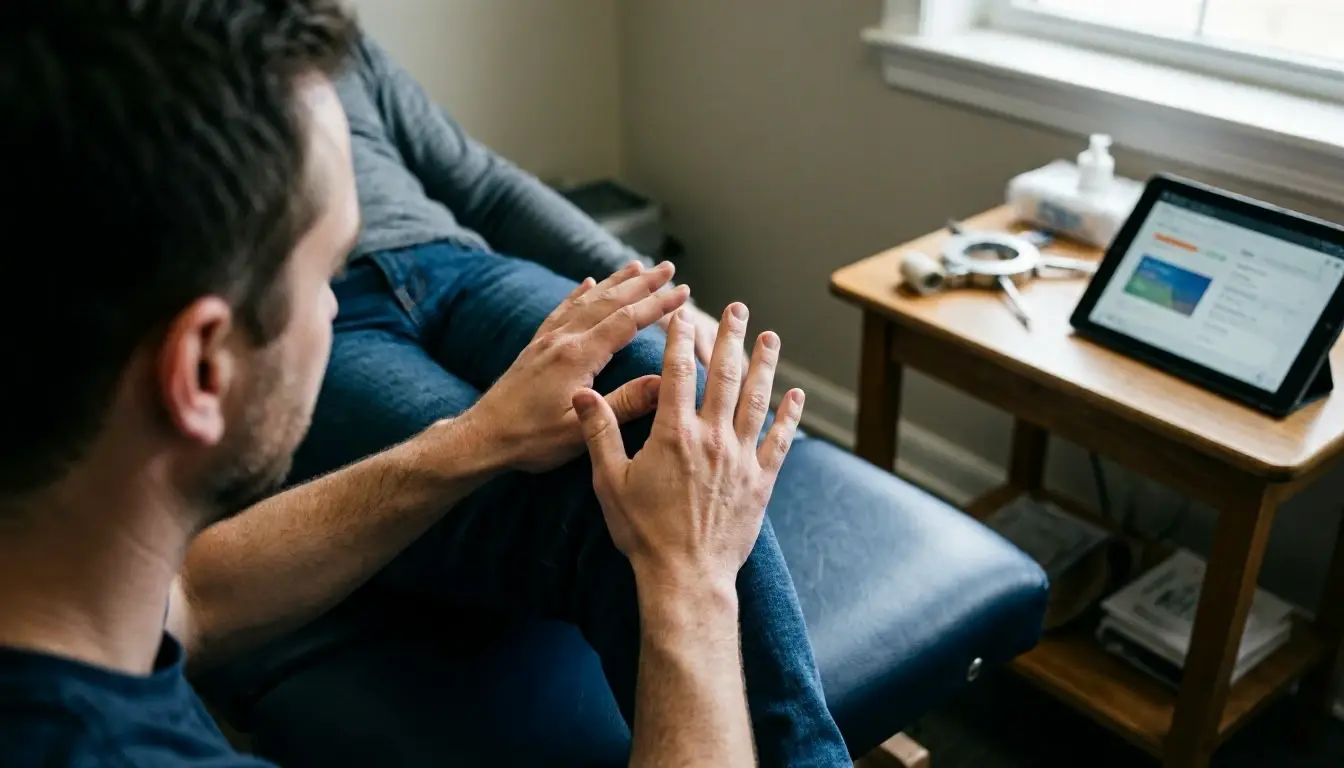
How Muscle Energy Technique applies to Chiropractor services in Hermitage, United States—practical illustration

MET is important because it's safe. It helps with tight muscles and stiff joints.

It doesn't use forceful moves. Many people feel less stiff and sore after MET.

It can help you move better. MET works for many body parts.

So it helps with lots of different problems.

MET also works well with other treatments. It can get muscles ready for adjustments.

Or for therapy exercises. It can help with rehab programs too.

MET reduces muscle tightness first. Then other treatments work better.

They may also feel more comfortable.

When Muscle Energy Technique Matters Most?

MET helps when muscles are too tight. It also helps with stiff joints.

Tight muscles or stiff joints can cause pain. They can limit how you move.

MET helps after injuries like sprains. It helps with strains too.

It helps with long-term problems like sciatica. It eases neck pain too.

Sitting too long can cause bad posture. MET can help fix this.

Athletes get tight muscles from overuse. MET helps them too.

Some folks don't like forceful adjustments. MET is good for them.

It's also good for people with osteoporosis or arthritis.

MET helps if you have recent injuries. It's gentle and controlled.

It's safe for many people. You help with your own treatment.

You don't just get passive care. You play an active role.

How to Evaluate Muscle Energy Technique?

Related Concepts Compared

Muscle Energy Technique vs. Chiropractic Adjustment

Chiropractic adjustments use quick thrusts to realign joints. While Muscle Energy Technique involves gentle muscle contractions and stretches without sudden movements.

Muscle Energy Technique vs. Massage Therapy

Massage therapy focuses on relaxing muscles through pressure and kneading. While Muscle Energy Technique uses active muscle contractions and stretches to improve joint function.

Muscle Energy Technique vs. Stretching Exercises

Stretching exercises are typically done independently. While Muscle Energy Technique involves guided contractions and stretches with a practitioner’s assistance.

Expert Note

Muscle Energy Technique is particularly effective for patients who need a gentle approach but still want active participation. It’s not just about stretching—it’s about resetting muscle tension to improve joint function and reduce pain.

Common Mistakes or Myths About Muscle Energy Technique

  • Assuming Muscle Energy Technique is the same as massage—it involves active contractions, not just passive pressure.
  • Expecting immediate results after one session—improvement often takes multiple visits.
  • Pushing too hard during contractions—gentle effort is key to avoid strain.
  • Thinking MET is only for athletes—it helps people with everyday stiffness and pain too.

Muscle Energy Technique in Practice: A Real-World Example

A patient visits a chiropractor for chronic neck stiffness. The chiropractor uses Muscle Energy Technique by having the patient gently push their head against resistance while lying down. After each contraction, the chiropractor gently stretches the neck muscles. Over several sessions, the patient notices improved neck movement and less tension.

Sources & Further Reading on Muscle Energy Technique

Related Services

Related Terms

Chiropractic Adjustment

Chiropractic Adjustment is a precise, hands-on procedure performed by a licensed chiropractor to correct misalignments in the spine or joints. These misalignments, called subluxations, can cause pain, reduce mobility. Or interfere with nerve function. The adjustment applies controlled force to restore proper movement, relieve discomfort. And support the body’s natural healing process.

Chiropractic Rehabilitation

Chiropractic Rehabilitation is a specialized branch of chiropractic care that combines spinal adjustments with therapeutic exercises, stretches. And lifestyle advice to restore function, reduce pain. And prevent future injuries. It focuses on healing soft tissues, improving mobility. And strengthening muscles to support long-term recovery after accidents, surgeries. Or chronic conditions.

Soft Tissue Injury

Soft Tissue Injury is damage to the body’s muscles, tendons, ligaments. Or fascia caused by sudden trauma, overuse. Or repetitive strain. Soft Tissue Injury often results in pain, swelling, bruising. Or limited movement and can occur from accidents, sports. Or daily activities. Recovery typically involves rest, ice, compression.

Flexion Distraction

Flexion Distraction is a gentle, non-surgical chiropractic technique designed to relieve back pain, leg pain. And nerve-related discomfort. Flexion Distraction uses a specialized table to stretch and decompress the spine, improving mobility and reducing pressure on spinal discs and nerves. It's commonly used for herniated discs, sciatica. And spinal stenosis.

ChiropractorHermitage.com

Have Questions About Muscle Energy Technique?

Contact ChiropractorHermitage.com for practical guidance on Muscle Energy Technique and related chiropractor work in Hermitage.

+1 615-777-0624