Glossary

What is Massage Therapy?

Massage Therapy is a hands-on treatment that uses pressure, movement. And stretching to relax muscles, improve blood flow, reduce pain. And support healing. Licensed massage therapists apply techniques like kneading, tapping. Or deep pressure to soft tissues such as muscles, tendons. And ligaments. It's often used alongside other treatments for injuries, stress. Or chronic conditions.

Reviewed by Advanced Injury Care ClinicSources reviewed: American Massage Therapy Association, National Center for Complementary and Integrative Health (NCCIH)

Quick Facts About Massage Therapy

Category

Manual therapy

Used for

Pain relief, injury recovery, stress reduction

Common confusion

Often mistaken for spa relaxation only. But also used for medical recovery

Also called

Therapeutic Massage, Medical Massage

Often discussed with

Car Accident Injury Treatment, Back Pain Treatment

Key Takeaways About Massage Therapy

Understanding Massage Therapy
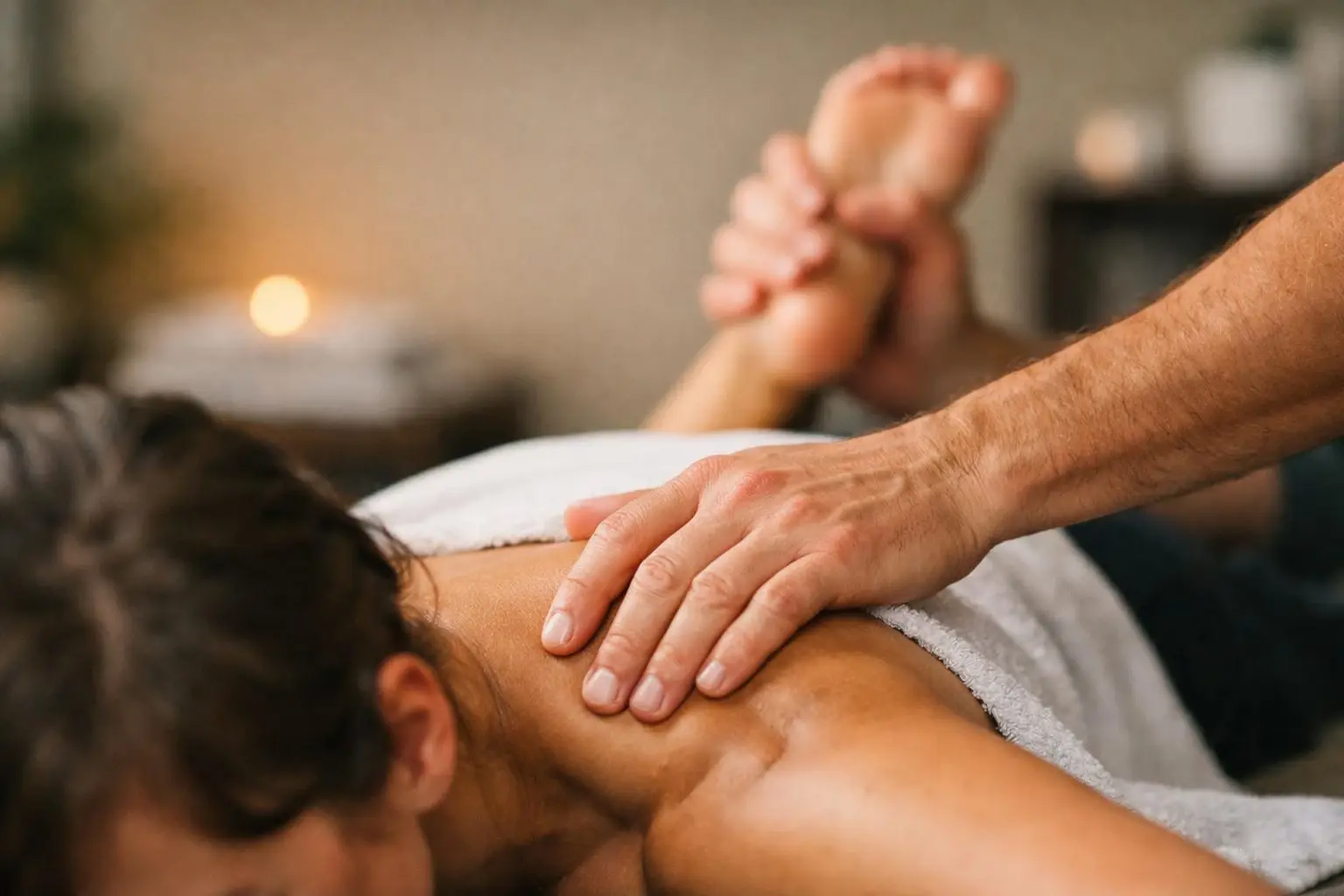
Massage Therapy in Chiropractor: Massage Therapy is a hands-on treatment that uses pressure, movement, And stretching—visu...

Massage Therapy is a form of treatment that involves manipulating the body’s soft tissues, including muscles, tendons, ligaments. And connective tissues. Therapists use their hands, fingers, elbows. Or even tools to apply pressure, stretch. Or knead these tissues. The goal is to relieve tension, reduce pain, improve flexibility. And promote relaxation. While many people think of massage as a luxury, it's also a recognized health practice used to treat injuries, manage chronic conditions. And support overall wellness.

Related glossary terms: Chiropractic Care, Myofascial Release, Soft Tissue Injury.

You'll find many types of massage, each with its own focus. For example, Swedish massage uses gentle strokes to relax the whole body. While deep tissue massage targets deeper muscle layers to address knots or chronic tension. Sports massage helps athletes prepare for or recover from physical activity. And myofascial release focuses on the connective tissue surrounding muscles. The right technique depends on the patient’s needs, such as pain relief, injury recovery. Or stress management.

How Massage Therapy Works?

Massage Therapy works by stimulating the body’s natural healing processes. When pressure is applied to muscles, it increases blood flow to the area, delivering oxygen and nutrients while removing waste products like lactic acid. This improved circulation helps reduce inflammation, ease muscle stiffness. And speed up recovery from injuries. Massage also triggers the release of endorphins, which are the body’s natural painkillers. And lowers levels of stress hormones like cortisol.

The nervous system also plays a key role in how massage works. Gentle or moderate pressure can activate the parasympathetic nervous system, which helps the body relax and recover. That means why massage often reduces anxiety, improves sleep. And lowers heart rate. For people with chronic pain or injuries, massage can help retrain the nervous system to reduce sensitivity and improve movement patterns. Some techniques, like trigger point therapy, focus on specific tight areas to release tension and restore normal muscle function.

  • Swedish massage: Gentle strokes for relaxation and stress relief.
  • Deep tissue massage: Stronger pressure to target deep muscle layers.
  • Sports massage: Techniques to prevent or treat athletic injuries.
  • Myofascial release: Stretching and pressure on connective tissue.

Why Massage Therapy Matters?
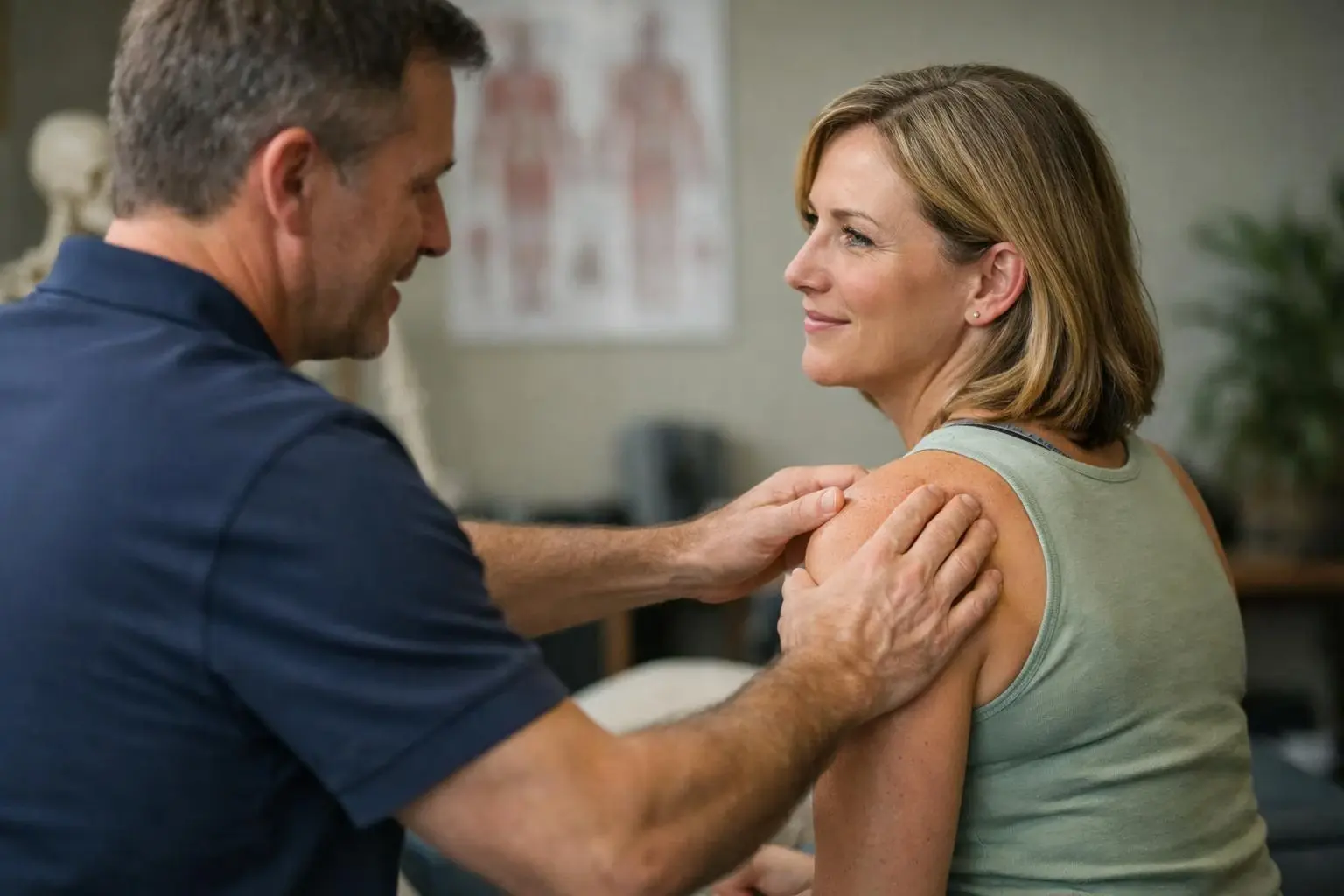
How Massage Therapy applies to Chiropractor services in Hermitage, United States—practical illustration

Massage Therapy matters because it offers a drug-free way to manage pain, recover from injuries. And improve quality of life. For people with conditions like back pain, neck stiffness. Or headaches, regular massage can reduce reliance on pain medications and help avoid more invasive treatments like injections or surgery. It also supports mental health by lowering stress, improving mood. And promoting better sleep. For athletes or active individuals, massage can boost performance, prevent injuries. And speed up recovery after workouts or competitions.

Beyond physical benefits, massage provides a safe, non-judgmental space for people to relax and reconnect with their bodies. Many patients report feeling more aware of their posture, movement habits. And areas of tension after sessions. This increased body awareness can help prevent future injuries and encourage healthier lifestyle choices. For those recovering from accidents or surgeries, massage can complement other therapies like chiropractic care or physical rehabilitation, making the healing process more comfortable and effective.

When Massage Therapy Matters Most?

Massage Therapy is especially important for people dealing with muscle pain, injuries. Or stress-related conditions. It can help after car accidents, sports injuries. Or repetitive strain from work or daily activities. For example, office workers with neck or shoulder tension from sitting at a desk may benefit from regular massage to prevent chronic pain. Similarly, athletes recovering from sprains or overuse injuries often use massage to reduce soreness and improve flexibility.

Massage is also valuable for managing chronic conditions like arthritis, fibromyalgia. Or sciatica. While it doesn’t cure these issues, it can reduce symptoms and improve mobility. Pregnant women may use prenatal massage to ease back pain, swelling. And stress during pregnancy. Older adults can benefit from gentle massage to maintain flexibility, improve circulation. And manage age-related muscle stiffness. In Hermitage, TN, where many people lead active lifestyles or work in physically demanding jobs, massage therapy is a practical tool for staying healthy and recovering from injuries.

A common issue is Timing matters when seeking massage therapy. For acute injuries, it’s best to wait until swelling has gone down before starting massage. For chronic pain, regular sessions—such as once a month—can help maintain progress. Always consult a healthcare provider before starting massage if you've conditions like blood clots, fractures. Or severe osteoporosis, as some techniques may not be safe.

How to Evaluate Massage Therapy?

Related Concepts Compared

Massage Therapy vs. Chiropractic Adjustment

Chiropractic adjustments focus on aligning the spine and joints. While massage therapy targets soft tissues like muscles and tendons. Both can complement each other for pain relief and injury recovery.

Massage Therapy vs. Physical Therapy

Physical therapy includes exercises, stretches. And education to improve movement and strength. While massage therapy primarily uses hands-on techniques to relax muscles and reduce pain.

Massage Therapy vs. Myofascial Release

Myofascial release is a specific type of massage therapy that focuses on the connective tissue (fascia) surrounding muscles. While general massage may include a variety of techniques.

Expert Note

Massage therapy is most effective when tailored to the individual’s needs. For example, someone with a desk job may benefit from Swedish massage for stress. While an athlete might need deep tissue work for muscle recovery. Always communicate your goals and any pain points to your therapist.

Common Mistakes or Myths About Massage Therapy

  • Assuming massage is only for relaxation—it’s also used for injury recovery and pain management.
  • Not drinking enough water after a massage, which can lead to soreness or headaches.
  • Choosing the wrong type of massage, like deep tissue when Swedish would be more appropriate for stress relief.
  • Expecting a single session to fix chronic pain—regular massage is often needed for lasting results.
  • Ignoring pain during a session—therapists should adjust pressure if it causes discomfort.

Massage Therapy in Practice: A Real-World Example

After a car accident, a patient in Hermitage, TN, developed tightness and pain in their upper back and shoulders. Their chiropractor recommended massage therapy to complement spinal adjustments. Over several sessions, the massage therapist used deep tissue techniques to release muscle knots and improve flexibility, helping the patient recover faster and return to daily activities with less discomfort.

Sources & Further Reading on Massage Therapy

Related Services

Related Terms

Chiropractic Care

Chiropractic Care is a health care profession focused on diagnosing, treating. And preventing disorders of the musculoskeletal system, particularly the spine. Chiropractors use hands-on spinal adjustments and other manual therapies to improve joint function, reduce pain.

Myofascial Release

Myofascial Release is a hands-on therapy technique that applies gentle, sustained pressure to the connective tissue (fascia) surrounding muscles, bones. And organs. This method aims to relieve tension, improve mobility. And reduce pain by releasing tight or restricted areas in the fascia, often caused by injury, inflammation.

Soft Tissue Injury

Soft Tissue Injury is damage to the muscles, tendons, ligaments. Or other non-bony parts of the body caused by sudden trauma, overuse. Or repetitive stress. Soft Tissue Injury often results in pain, swelling, bruising. Or limited movement and can occur during sports, accidents. Or daily activities. Proper care helps healing and prevents long-term problems.

Physical Rehabilitation

Physical Rehabilitation is a structured process designed to help individuals recover strength, mobility. And function after injury, surgery. Or illness. Physical Rehabilitation involves exercises, manual therapies. And education to reduce pain, restore movement. And prevent future problems. It's often guided by licensed professionals such as chiropractors, physical therapists. Or physicians to ensure safety and effectiveness.

Ergonomic Assessment

Ergonomic Assessment is a systematic evaluation of a workspace, task. Or tool to identify how well it fits the people using it. Ergonomic Assessments aim to reduce physical strain, prevent injuries like back pain or repetitive stress. And improve comfort and productivity by adjusting chairs, desks, computer setups.

Advanced Injury Care Clinic

Have Questions About Massage Therapy?

Contact Advanced Injury Care Clinic for practical guidance on Massage Therapy and related chiropractor work in Hermitage.

+1 615-777-0624